Introduction to Home Battery Systems
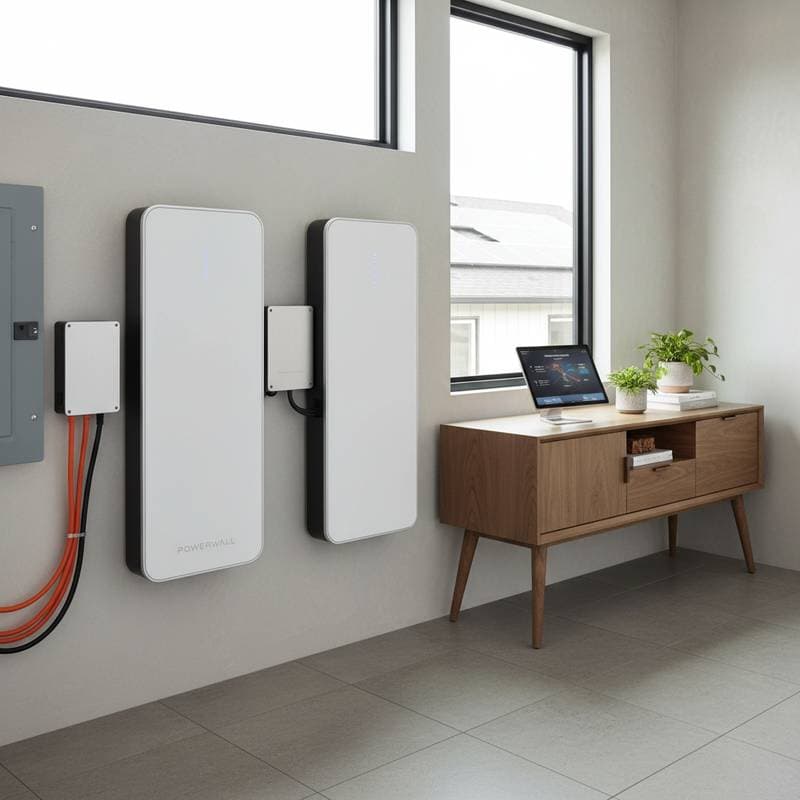
Home battery systems store electricity for use during outages or peak demand periods, integrating well with solar panels or the grid. These systems help homeowners reduce reliance on utility power, lower electricity bills, and maintain essential functions when the grid fails. Capacities typically range from 5 to 20 kilowatt-hours, suitable for various household needs.
Costs for a complete installation fall between $9,000 and $18,000, depending on battery size, brand, and local labor rates. Factors such as system capacity and additional features like inverters influence the final price. Incentives like federal tax credits can offset up to 30 percent of the expense, making these investments more accessible.
Breaking Down the Costs
The base price covers the battery modules, inverter, and mounting hardware. For a standard 10 to 13.5 kWh system, expect $7,000 to $12,000 for equipment alone. Installation adds $2,000 to $6,000, including electrical wiring, permits, and site preparation.
Larger systems or those with advanced monitoring apps increase costs. In urban areas, higher labor fees apply, while rural installations may involve extra travel expenses. Always obtain multiple quotes from certified installers to compare total outlays.
Types of Home Batteries
Lithium-ion batteries dominate the market due to their efficiency and longevity, often lasting 10 to 15 years. Lead-acid options serve as budget alternatives but require more maintenance and offer shorter lifespans. Flow batteries provide scalability for larger homes but come at a premium price.
Select based on your energy needs: smaller units suffice for basic backups, while expandable models support future growth. Compatibility with existing solar setups ensures smooth operation and maximizes savings through net metering programs.
Key Considerations Before Purchase
Evaluate warranty terms thoroughly, as they protect against degradation and defects. Confirm coverage for both battery cells and the inverter, which converts stored direct current to usable alternating current. Registration often activates full protection, so complete it promptly after installation.
Labor inclusion varies; some warranties cover replacement parts only, leaving reinstallation costs to the owner. Review capacity retention guarantees, typically promising 70 percent after a decade of use.
Example: A 13.5 kWh battery retaining only 7.5 kWh capacity after eight years qualifies for warranty service if the policy ensures 70 percent retention. Contact the manufacturer for assessment and resolution.
Regional and Climate Factors
Local conditions affect system performance and placement. In cold regions, batteries experience reduced capacity below freezing temperatures. Opt for indoor installations or use insulated enclosures in garages to mitigate this issue.
Hot climates accelerate wear through excessive heat exposure. Position units in shaded spots or add ventilation to extend operational life. Coastal areas demand protection against salt corrosion with sealed housings and stainless-steel components.
High-humidity environments risk condensation damage. Incorporate dehumidifiers or exhaust fans near the installation site to maintain optimal conditions. For regions prone to frequent outages, choose higher-capacity models or those supporting rapid recharging to minimize downtime.
Installation Process
Professional installation ensures safety and compliance with local codes. Begin with a site survey to assess electrical panel capacity and mounting locations. Electricians then connect the system, test functionality, and obtain necessary inspections.
The process typically spans one to three days, depending on complexity. Post-installation, the system links to a mobile app for real-time monitoring of charge levels and usage. Schedule annual professional inspections to verify connections and performance.
Frequently Asked Questions
How long does a 10 kWh battery power a typical home?
A 10 kWh battery sustains essential appliances such as a refrigerator, lighting, Wi-Fi router, and small electronics for 8 to 12 hours. High-draw items like air conditioners or electric heaters deplete capacity faster, reducing runtime to a few hours.
Is it possible to expand the system with additional batteries?
Most contemporary designs support modularity. Add units by stacking or paralleling them, provided they match the inverter specifications. Consult the manufacturer for compatibility guidelines to avoid efficiency losses.
What occurs when grid power resumes after an outage?
The battery system detects restoration and automatically recharges from solar panels or the utility grid. It then resumes standard operation seamlessly, requiring no user intervention.
Does homeowners insurance cover battery systems?
Insurers often classify these as electrical upgrades. Verify policy details for protection against fire, flood, or power surge damages prior to purchase. Some providers offer endorsements for renewable energy equipment.
Steps to Select and Install Your System
Identify critical loads, such as medical devices or home offices, to determine required capacity. Compare models from reputable brands, focusing on efficiency ratings and customer support. Factor in incentives like rebates to refine your budget.
Hire licensed professionals experienced in battery integrations. After setup, track energy patterns via the app to optimize usage. Perform biannual visual inspections for signs of wear, ensuring the system operates at peak efficiency.
Realizing Long-Term Benefits
A well-chosen home battery system enhances energy independence and resilience. It offsets peak-time rates, potentially saving hundreds annually on bills. During emergencies, reliable power maintains comfort and safety, providing invaluable peace of mind for families.