How Much Does a Granny Pod Cost? 2025 Pricing Guide
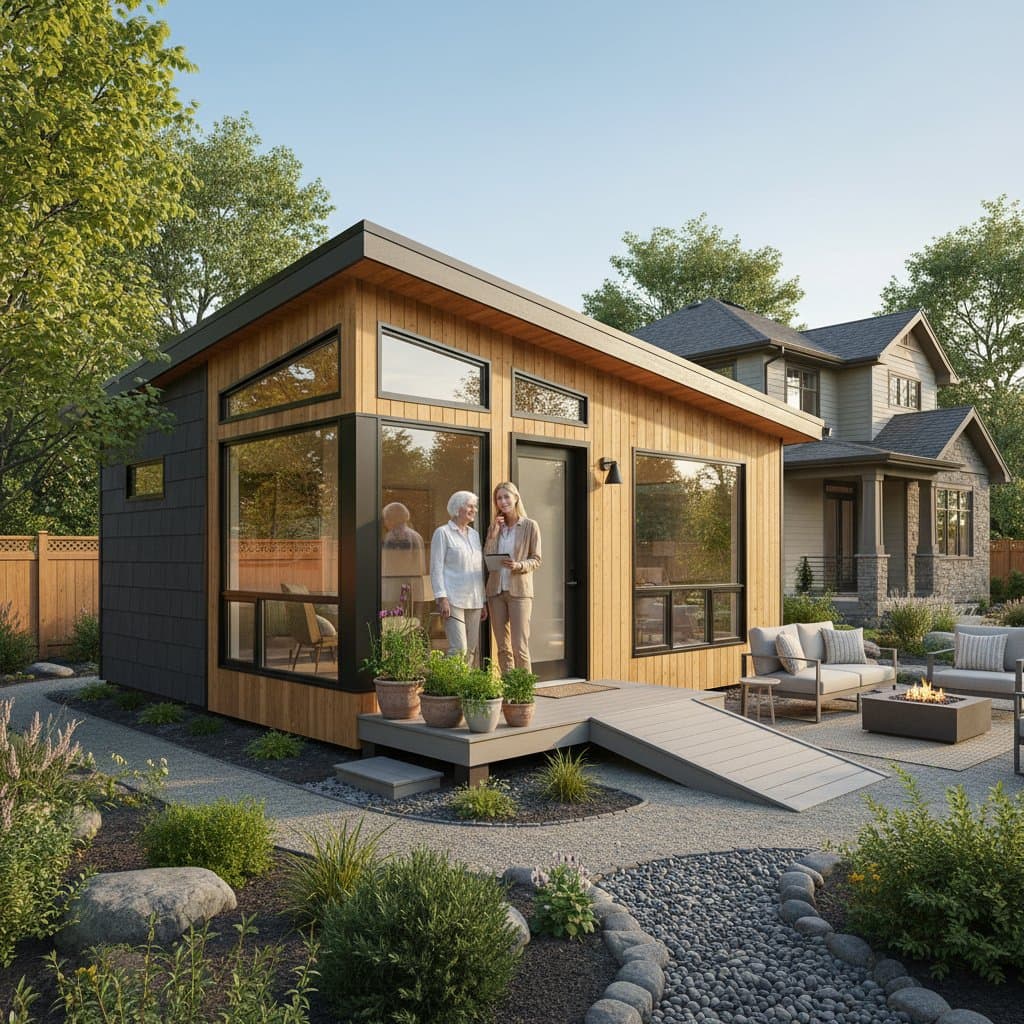
A thoughtfully designed granny pod converts a backyard into a secure, inviting residence for elderly relatives or other family members. Professional installation for these structures typically falls between $85,000 and $250,000, with the majority of owners investing approximately $145,000 in a medium-sized, fully furnished model.
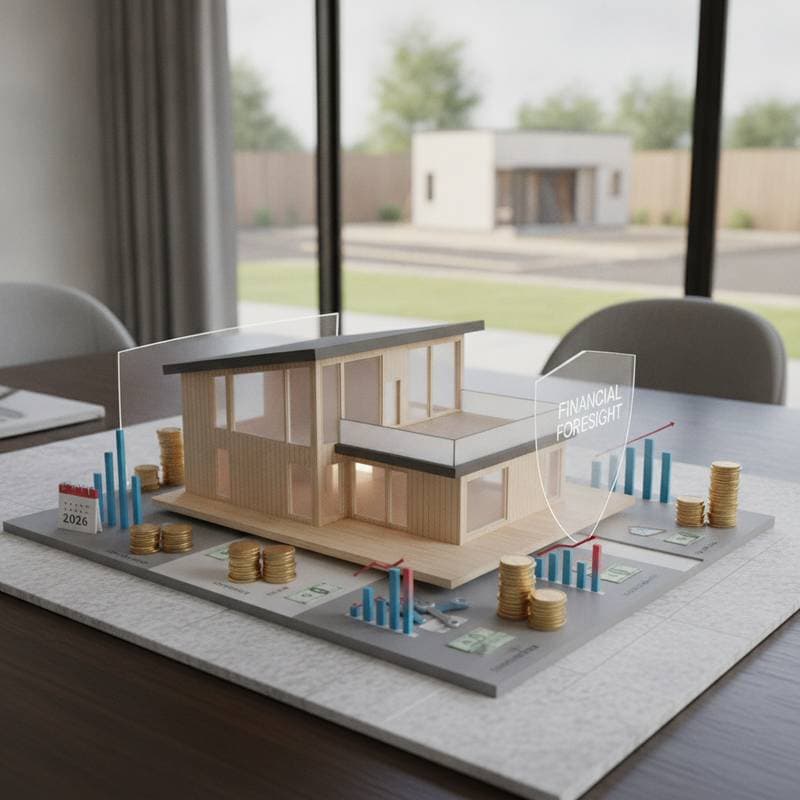
Three key elements determine the overall expense: size and configuration, material selections and finish levels, and site preparation requirements. Local permits and utility integrations further influence the final amount. Data from the National Association of Home Builders indicates that incorporating an accessory dwelling unit such as a granny pod may elevate property value by 20 to 35 percent, positioning it as a caring choice with financial benefits.
Detailed Cost Breakdown
Pricing for granny pods generally occurs on a per-square-foot basis. Expect rates from $200 to $400 per square foot, varying with construction intricacy. Initial fees for design and approvals commonly begin at $5,000.
Entry-level prefabricated options sit around $90,000 at the lower end. Standard custom constructions align with the $145,000 national average, whereas high-end or health-focused units surpass $225,000.
Size and Scope
The dimensions represent the primary expense influencer.
- Pods of 200 to 300 square feet: $60,000 to $110,000
- Pods of 400 to 600 square feet: $120,000 to $180,000
- Pods exceeding 700 square feet: $200,000 and above
Expanding by 100 square feet usually incurs an additional $20,000 to $35,000. Consider a 500-square-foot setup featuring a kitchenette and barrier-free bathroom at about $140,000. In contrast, a 700-square-foot version with an attached porch and dedicated sleeping area might approach $200,000.
Site accessibility and foundation choices frequently adjust budgets by as much as 15 percent, based on homeowner experiences.
Material and Quality Tiers
Basic constructions employ vinyl exteriors, laminate surfaces, and standard thermal barriers, averaging $200 per square foot. Such units endure for 20 years under routine upkeep.
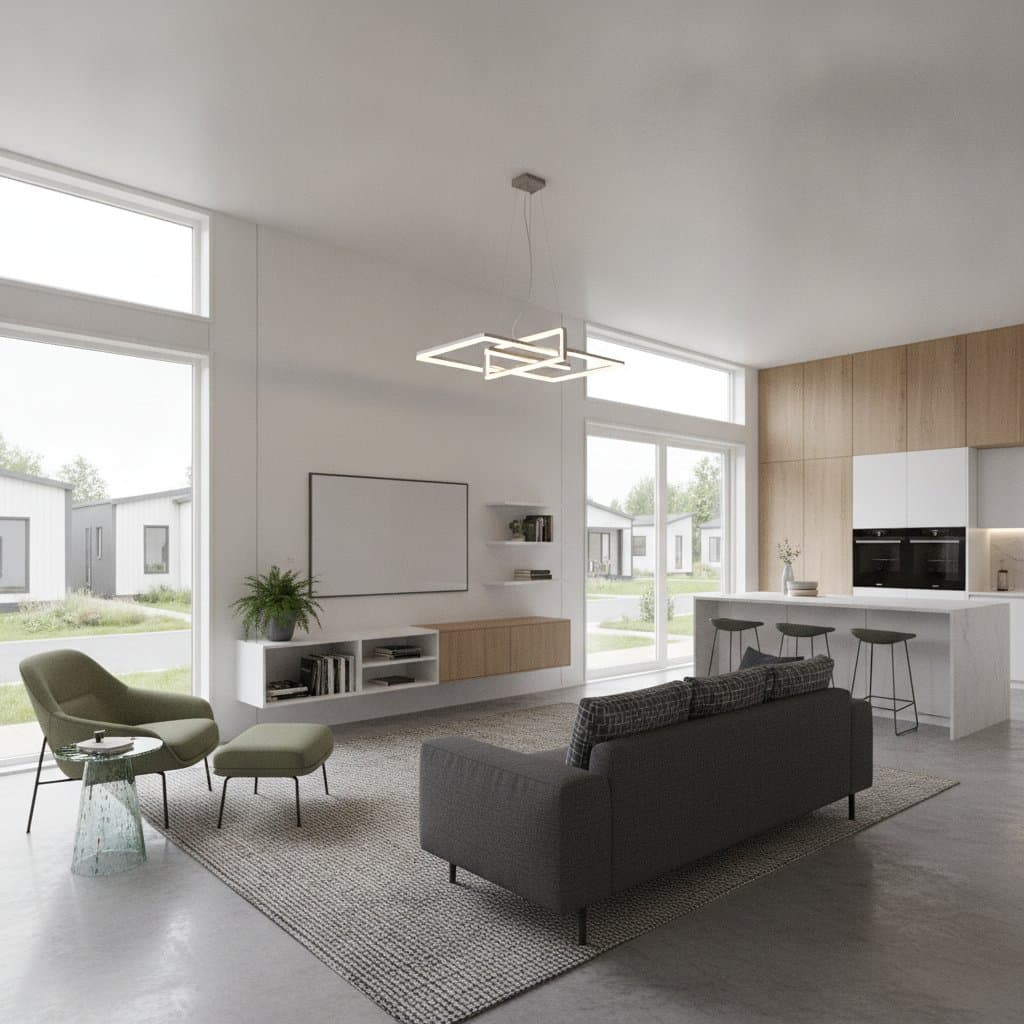
Intermediate options incorporate durable fiber-cement exteriors, quartz countertops, and efficient glazing from reputable manufacturers. These command $275 to $325 per square foot, striking a harmony between usability and enduring worth.
Luxury configurations boast bespoke storage solutions, advanced climate control, and integrated technology features. Specialists such as Studio Shed and Boxabl provide estimates of $350 to $400 per square foot, complete with decade-long guarantees on structural integrity and superior financial returns.
Complexity and Site Variables
Features for mobility, land contours, and regional regulations can alter expenses significantly. Properties with level ground and proximate services may require just $10,000 for linkages, whereas uneven or forested sites demand $25,000 to $40,000 for earthwork, waste system modifications, or underground piping.
City environments often incur 20 to 30 percent more in workforce expenses owing to regulatory hurdles. In contrast, countryside locations benefit from reduced groundwork costs but face higher charges for distant service extensions.
Service Types and Comprehensive Pricing
Basic or Standard Package
This foundational offering encompasses:
- Open-plan living area
- Compact cooking space
- Complete sanitation facilities
- Essential heating, ventilation, and thermal protection
Completion spans 6 to 8 weeks, with totals from $85,000 to $120,000. Such setups suit households desiring economical, self-sufficient accommodations.
Premium or Comprehensive Package
Enhanced versions provide:
- Distinct sleeping and communal zones
- Complete cooking area with high-quality fixtures
- Compliance with accessibility standards
- Tailored aesthetics and outdoor extensions
Prices for these extend from $180,000 to $250,000, marking a 25 to 40 percent upcharge. Owners frequently offset portions via property appreciation or income from short-term rentals.
Add-On Services and Bundles
Popular enhancements consist of:
- Photovoltaic installations: $10,000 to $18,000
- Garden integration and pathways: $3,000 to $7,000
- Automated residence controls: $2,000 to $5,000
Coordinating services through one provider yields savings of 5 to 10 percent, particularly for groundwork and assembly.
Professional vs. DIY Analysis
DIY Cost Breakdown
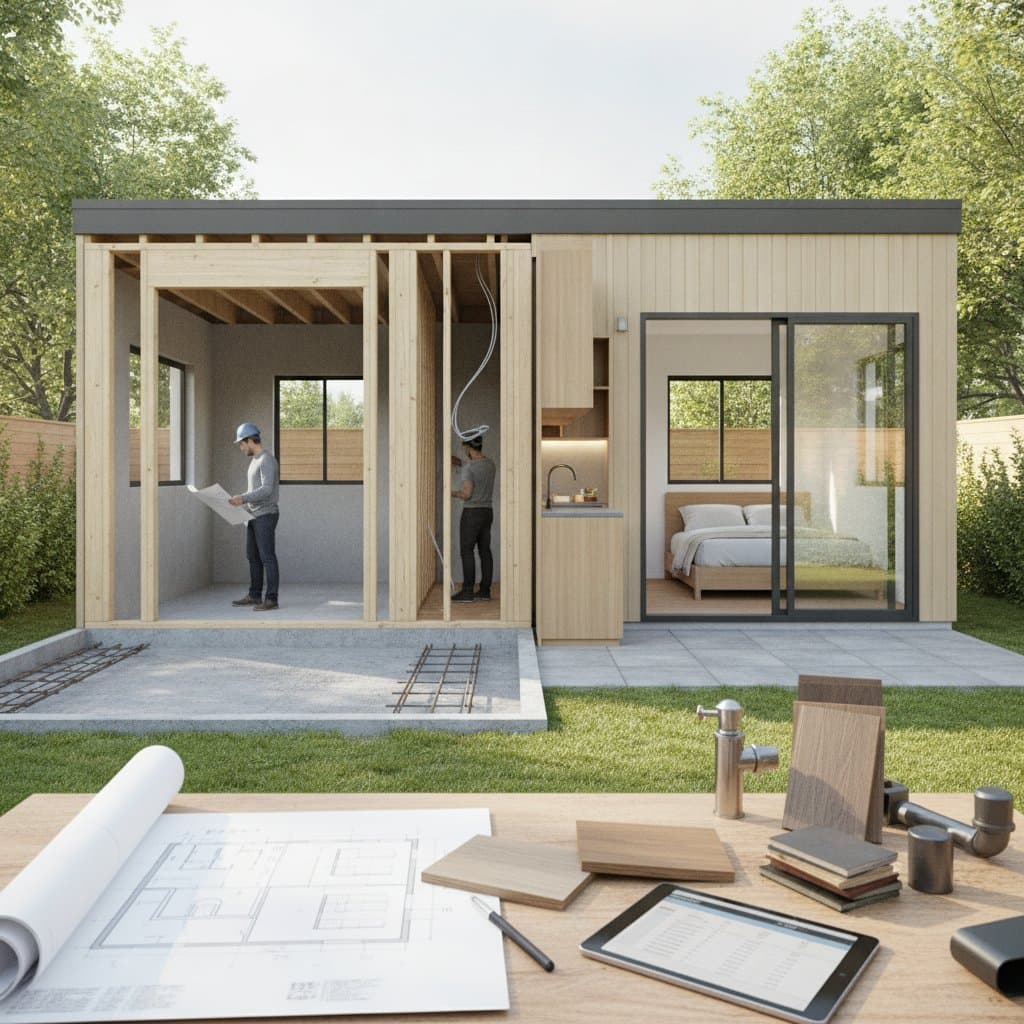
Determined individuals might pursue partial assembly with ready-made components. A 400-square-foot assembly from providers like Mighty Small Homes ranges from $50,000 to $70,000. Incorporating equipment, leases, and specialized plumbing or wiring elevates the full DIY outlay to $90,000 to $110,000.
Anticipate 300 to 400 hours of effort, alongside challenges in structural assembly, power systems, and regulatory adherence. Errors in base construction or circuits may necessitate $10,000 or greater in subsequent fixes.
Professional Advantages
Certified builders supply complete installations backed by assurances, evaluations, and standard conformity. Their proficiency accelerates timelines to roughly two months, alleviating owner burdens. Coverage for liabilities adds substantial safeguards.
Engaging professionals also yields documentation for valuations and transfer validations, advantages seldom realized in self-directed efforts.
Actionable Cost-Saving Strategies
Schedule projects in quieter periods, such as winter or initial spring, to lower labor rates by 5 to 8 percent amid reduced demand.
Obtain estimates from several regional ADU experts via directories like Angi or HomeAdvisor. Evaluating three proposals often trims expenses by up to 15 percent.
Manage straightforward preparations, including debris removal, service line identification, or approval acquisition. These actions deduct $2,000 to $5,000 from overall figures. Transparent discussions with contractors regarding financial boundaries encourage innovative alternatives in materials that preserve standards.
Market Dynamics and Investment Value
Current trends favor granny pods amid rising demand for multigenerational arrangements and remote work flexibility. Innovations in modular construction reduce timelines by 30 percent, while incentives like tax credits for energy-efficient builds lower net costs.
To maximize returns, prioritize versatile designs that support aging-in-place modifications or occasional leasing. Consult local appraisers early to quantify value uplift specific to your area. With careful planning, a granny pod not only fosters family closeness but also secures long-term financial stability.