Understanding Solar Warranties and DIY Maintenance in 2025
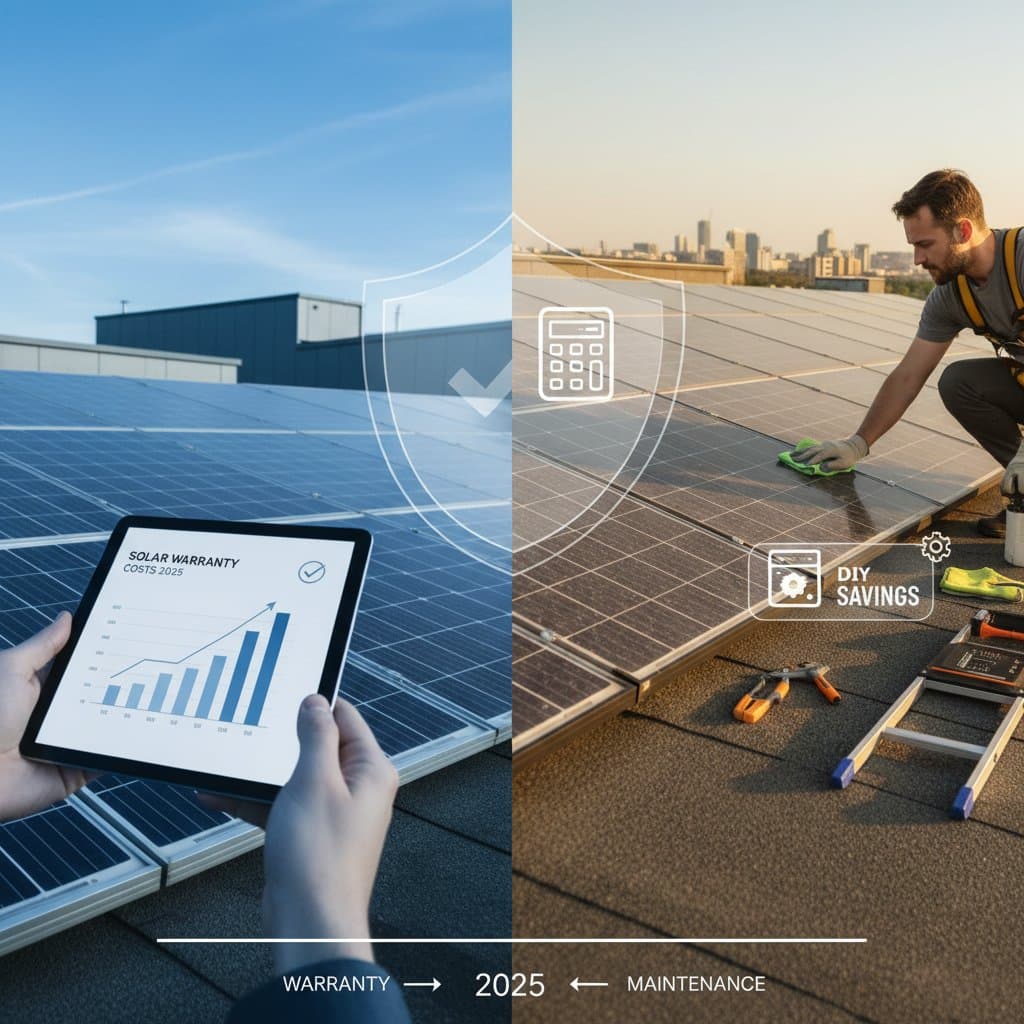
Solar panels represent a significant investment for homeowners, often generating clean energy for 25 years or more. However, maintaining peak performance requires regular attention to cleaning, inspections, and repairs. The choice between relying on a professional warranty or handling maintenance personally influences not only immediate expenses but also the system's overall reliability and longevity.
Warranties typically cover defects, performance degradation, and sometimes labor for repairs, providing peace of mind through expert intervention. In contrast, DIY approaches allow direct control but demand technical knowledge and adherence to safety protocols. This article examines both options through cost comparisons, practical guidance, and decision-making frameworks tailored to 2025 conditions, where rising energy prices and advanced panel technologies amplify the stakes.
Advantages and Disadvantages of Each Approach
Professional warranties offer structured protection that aligns with the complexities of modern solar installations. Homeowners benefit from guaranteed repairs without unexpected financial burdens. Yet, these plans come with premiums that may not suit every budget.
DIY maintenance appeals to those with hands-on skills, enabling cost savings through personal effort. Control over schedules and methods can lead to quicker issue resolution. Still, this method exposes individuals to risks that could compromise safety or system integrity.
Benefits of Professional Warranty Coverage
- Cost Predictability: Fixed annual fees, often ranging from $150 to $300, eliminate surprise repair bills that could exceed $1,000 for inverter replacements.
- Expert Labor Standards: Certified technicians ensure repairs meet industry codes, reducing the chance of further damage from improper fixes.
- Enhanced Resale Value: Documented professional upkeep can increase home value by 3 to 5 percent in markets valuing sustainable features.
- Streamlined Claims Process: Manufacturers handle defective components swiftly, often within 48 hours of a valid claim submission.
Drawbacks of Professional Warranty Coverage
- Elevated Initial Expenses: Premiums add 5 to 10 percent to the overall system cost, which may strain upfront budgets.
- Restrictions on Personal Interventions: Unauthorized DIY work risks nullifying coverage, limiting flexibility for minor tasks.
- Potential Exclusions: Policies might omit coverage for environmental damage or neglect, necessitating thorough review of fine print.
Benefits of DIY Maintenance
- Reduced Immediate Outlays: Basic cleaning supplies cost under $50 annually, far below professional service fees.
- Complete Oversight: Homeowners dictate inspection frequency and methods, spotting issues like bird droppings before they affect output.
- Prompt Issue Addressing: Direct access allows same-day responses to minor problems, minimizing downtime.
Drawbacks of DIY Maintenance
- Warranty Invalidation Risks: Mishandled repairs can void manufacturer guarantees, leading to full out-of-pocket costs for failures.
- Absence of Labor Support: Component breakdowns require hiring specialists anyway, without coverage offsets.
- Safety Concerns: Accessing roofs or electrical elements poses hazards, including falls or shocks, especially without proper training.
A warranty provides reliability for those prioritizing security, while DIY suits skilled individuals willing to invest time. The optimal path depends on personal expertise, system scale, and local conditions.
Key Factors Influencing Solar Maintenance Expenses
Maintenance costs vary based on several interconnected elements, forming a framework that homeowners must evaluate. Understanding these drivers helps in forecasting budgets accurately for 2025, when material prices may rise due to supply chain dynamics.
Materials and Technology Grade
Higher-efficiency panels, such as those with monocrystalline cells exceeding 22 percent efficiency, demand specialized parts for repairs. Replacing a premium microinverter might cost $400 to $600, compared to $200 for standard models. Advanced features like bifacial panels add complexity, potentially doubling labor needs.
Labor and Installation Challenges
Roof type significantly impacts expenses. Tile roofs require careful handling to avoid breakage, increasing labor rates by 25 percent over flat surfaces. Steep pitches or multi-story access can extend job times from two hours to a full day, pushing costs from $200 to $500 per visit.
Accessibility and Environmental Factors
Obstructed panel arrays or intricate wiring paths through attics elevate repair difficulties, often adding 20 to 40 percent to bills. Regional climates play a role too: arid areas with heavy dust may necessitate quarterly cleanings, while humid coastal zones heighten corrosion risks, requiring anti-corrosive treatments at $100 per application.
These factors underscore the need for site-specific planning. For instance, urban installations with limited access might favor warranties to mitigate escalating costs.
Guidelines for Conducting Safe DIY Maintenance
DIY efforts can maintain system health if executed with caution and preparation. Essential personal protective equipment includes insulated gloves rated for 1,000 volts, non-slip footwear, a full-body safety harness, and protective eyewear to guard against debris.
Preparation and Power Isolation
Begin by locating and operating the DC disconnect switch, followed by the main breaker, to de-energize the system completely. Verify zero voltage with a multimeter before any physical contact. This step prevents electrical hazards and complies with safety standards.
Visual and Structural Inspection
Examine each panel for visible damage, such as microcracks from hail or thermal expansion, and check mounting hardware for looseness. Inspect wiring for frays, corrosion, or animal interference, which could reduce efficiency by up to 15 percent if unaddressed.
Cleaning Procedures
Use a soft-bristled brush and a solution of water mixed with mild, non-abrasive detergent to remove dirt and pollen. Apply gentle pressure in circular motions, rinsing with a garden hose on low setting. Perform this task in the early morning or late afternoon to avoid thermal shock from temperature extremes.
Inverter and Performance Monitoring
Review the inverter's digital interface for alerts, fault codes, or abnormal readings. Note daily energy production and compare against expected outputs based on sunlight hours. Monthly logging helps identify trends, such as a 10 percent seasonal dip signaling shading issues.
Documentation and Follow-Up
Photograph all inspections and note dates, conditions, and actions taken. Restore power only after confirming secure connections. If irregularities persist, such as flickering displays, consult a professional immediately to avoid escalation.
Adhering to these steps minimizes risks while preserving warranty eligibility, provided no invasive modifications occur.
Pitfalls to Steer Clear Of in Solar Upkeep
Common errors can undermine system performance and lead to costly corrections. Awareness of these issues empowers homeowners to maintain standards effectively.
Abrasive cleaning tools scratch protective coatings, diminishing light absorption by 5 to 10 percent and invalidating anti-reflective warranties. Opt for gentle methods to sustain output levels.
Neglecting yearly professional inspections allows minor faults, like loose connections, to evolve into major failures, such as inverter burnout costing $1,500 or more.
Substituting non-compatible parts disrupts voltage balance, potentially causing cascading failures across strings. Always source exact matches from the original manufacturer.
Overlooking roof integrity near panel mounts permits water seepage, corroding supports and risking structural damage that exceeds $2,000 in repairs.
Inadequate record-keeping complicates warranty disputes, as insurers require proof of diligent care. Maintain a dedicated logbook or digital file for all activities.
Criteria for Choosing Between Professional and DIY Methods
The DIY Gate framework serves as a practical assessment tool to determine suitability. Evaluate each criterion honestly to align choices with capabilities.
First, assess skill alignment: proficiency with diagnostic tools like multimeters and secure ladder use is essential. Beginners should seek training or opt for professionals.
Second, gauge safety exposure: low-pitch roofs under 4:12 slope and clear power isolation paths reduce dangers. High-risk setups demand expert handling.
Third, confirm tool readiness: possession of voltmeters, torque wrenches, and cleaning kits—or access to rentals—ensures thorough work without shortcuts.
If deficiencies exist in any area, professional services prevent accidents and preserve coverage. For complex tasks involving energized components or structural alterations, delegation is non-negotiable to avert liabilities.
Resolving Frequent Solar System Problems
Prompt troubleshooting restores functionality and prevents minor glitches from worsening. Systematic checks often reveal solutions without external aid.
Addressing Reduced Power Generation
Start with environmental scans for new shading from trees or buildings, which can cut output by 20 percent. Clear debris and perform a soft reset on the inverter per manual instructions. Persistent low readings warrant string voltage tests; deviations over 5 volts indicate faulty junctions requiring professional diagnosis.
Handling Inverter Fault Indicators
Document the specific error code and cross-reference it with the user guide for self-resolve options, such as firmware updates. If unresolved post-reboot, avoid disassembly, as it breaches warranty terms. Installer support typically resolves 80 percent of codes remotely.
Managing Thermal Damage Signs
Hot spots manifest as discolored areas on panels, often from internal cell mismatches or poor connections. Isolate power immediately and refrain from contact to prevent fire risks. Experts use thermal imaging to pinpoint and repair sources.
Investigating Sudden Performance Declines
Consult monitoring apps for production histories; uniform drops across arrays suggest central issues like inverter overloads or tripped breakers. Reset and monitor for 24 hours. Sharp declines beyond 15 percent signal urgent intervention to avoid total system shutdowns.
Implementing Your Maintenance Strategy
Transitioning to effective upkeep begins with targeted actions that secure long-term benefits. Homeowners gain control by methodically reviewing and adjusting plans.
Examine existing warranty documents for expiration dates, coverage scopes, and renewal options, noting any performance guarantees like 80 percent output retention after 25 years.
Obtain quotes from NABCEP-certified contractors for routine services, comparing packages that include thermal scans and efficiency audits, typically $200 to $400 annually.
Calculate DIY commitments by tallying time investments—at two hours per session—and tool acquisitions, plus potential warranty forfeiture impacts estimated at $500 to $2,000 in uncovered repairs.
Establish a consistent logging routine, capturing metrics like kilowatt-hours produced and environmental notes, to build a verifiable history.
Schedule biennial evaluations as components degrade; aging inverters may need preemptive swaps to sustain 95 percent efficiency. This proactive stance maximizes returns on solar investments amid 2025's evolving energy landscape.