Break Down 2025 Kitchen Island Costs and Installation
A kitchen island serves as the central hub of activity in many homes. It facilitates meal preparation, provides storage, and hosts social gatherings, while contributing to the room's visual balance. Homeowners must grasp the financial and logistical details before installation to avoid surprises. This guide details pricing structures, installation steps, service contracts, and long-term implications for informed decision-making.
Understanding What a Kitchen Island Includes
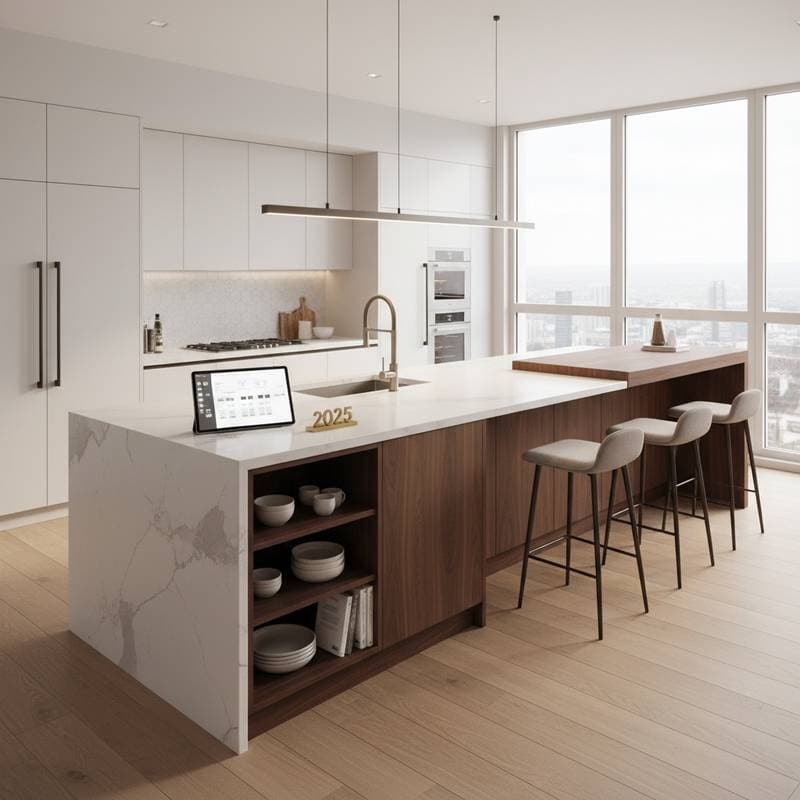
A kitchen island extends beyond a basic countertop on legs. It integrates cabinetry, electrical wiring, plumbing, and lighting based on the project's scope. Homeowners choose between a simple prep area or a multi-use feature with seating, sinks, and appliances. Clearly define the scope early to control costs and involve the right trades, such as carpenters and electricians.
Core Components of a Typical Installation
- Cabinet Base: Forms the structural foundation, either custom-built or modular.
- Countertop Surface: Options range from laminate to quartz or natural stone, influencing aesthetics and expense.
- Electrical and Plumbing Connections: Necessary for outlets, sinks, and appliances.
- Lighting and Ventilation: Enhances elaborate designs.
- Finishes and Trim: Includes paint, hardware, and decorative elements for a polished look.
Contractors price these elements separately. Homeowners benefit from identifying value-adding features versus simplifications that preserve function.
Cost Structure Analysis
Kitchen island costs fluctuate with materials, design complexity, and contractor markups. Separate base costs from add-ons like permits and design fees for accurate budgeting.
Base Pricing
- Prefabricated or Modular Islands: Begin at several hundred dollars, excluding installation.
- Semi-Custom Islands: Increase with modifications and specific finishes.
- Fully Custom Installations: Encompass consultations, premium materials, and precise measurements, often totaling several thousand dollars.
Additional Charges
- Electrical and Plumbing Work: Each connection adds hundreds of dollars, based on distance from existing lines.
- Countertop Upgrades: Switching from laminate to quartz or granite raises expenses substantially.
- Appliance Integration: Incorporates cooktops, wine fridges, or dishwashers, covering equipment and labor.
- Permits and Inspections: Mandatory in most areas, particularly for utility rerouting.
Coverage Limits and Contractor Pricing Policies
Service providers offer packages with warranties for specified periods. These include limits on repairs and exclusions for defects. Review terms to clarify accountability.
| Coverage Level | Monthly Cost | Service Fee | Coverage Limits | Key Exclusions |
|---|---|---|---|---|
| Basic Plan | $25 to $40 | $75 | Up to $500 repairs | Cosmetic defects, non-structural cracks |
| Premium Plan | $45 to $70 | $100 | Up to $1,500 repairs | Neglect, pre-existing damage |
Assess these options to determine if extended protection justifies the cost.
The Installation Process Step by Step
Coordinate stages efficiently to uphold quality and budget. Monitor each phase to ensure standards align with agreements.
1. Initial Contact
Start with a consultation where homeowners specify size, features, and materials. Contractors conduct on-site measurements and utility inspections. Establish clear communication to avoid design errors.
2. Assessment Phase
Translate preferences into drawings. Verify load-bearing capacity, floor levelness, and clearances. This step uncovers potential extras like electrical upgrades.
3. Approval Process
Review budgets, timelines, and payment schedules linked to milestones. Secure written confirmation of scope, materials, and rates before proceeding.
4. Service Delivery
Assemble and install base cabinets first, followed by countertops, utilities, painting, and finishes. Inspect each stage and receive progress reports. Verify workmanship prior to final payment.
5. Follow-Up Requirements
Schedule sealing for stone surfaces or hardware adjustments. Maintain records for warranty claims, as proof of upkeep is often required.
Hidden Costs and Limitations
Projects encounter overruns despite planning. Anticipate these to maintain control.
- Material Overages: Account for extra footage due to cutting waste.
- Utility Relocation: Involves opening walls or floors.
- Custom Fabrication Delays: Extend labor from long lead times.
- Permit Revisions: Trigger fees from code changes or inspections.
Common Reasons for Cost Disputes
Vague contracts lead to conflicts, such as excluded countertop installation. Demand itemized quotes specifying responsibilities.
Financial Implications Over Time
Treat the island as a long-term investment. Calculate total ownership costs to align with utility and resale value.
Short-Term Costs
- Initial Build and Installation: The primary outlay.
- Permit and Inspection Fees: Payable pre-completion.
- Temporary Kitchen Adjustments: Set up alternatives during work.
Long-Term Costs
- Maintenance: Reseal countertops and repair cabinets.
- Energy Use: Appliances raise electricity bills.
- Repairs: Address wear or moisture damage beyond warranties.
Follow manufacturer guidelines to extend lifespan and minimize expenses.
Evaluating Contractor Proposals
Obtain multiple estimates and scrutinize beyond totals. Examine contracts, warranties, and quality markers.
Criteria for Evaluation
- Licensing and Insurance: Verify validity.
- Detailed Scope of Work: List all tasks explicitly.
- Payment Schedule: Use installments based on milestones; limit upfront deposits.
- Warranty Coverage: Note duration, exclusions, and processes.
- Dispute Resolution Terms: Outline conflict handling.
Choose contractors who provide transparent documentation to mitigate risks.
Managing Risk and Avoiding Common Pitfalls
Reading the Fine Print
Scrutinize clauses on material substitutions. Require written approval for changes.
Understanding Your Coverage
Examine exclusions for water damage or wear. This knowledge aids claim navigation.
Preventing Costly Mistakes
- Avoid design alterations post-ordering to evade restocking fees.
- Confirm utility access beforehand.
- Inspect daily during construction.
- Document all interactions for claims.
Strategic Budget Planning
Adopt a framework for allocation.
- Set a Realistic Total Budget: Include 10 to 15 percent contingency.
- Prioritize Functional Improvements: Favor outlets or durable surfaces.
- Compare Financing Options: Consider loans or equity lines.
- Calculate Break-Even Potential: Estimate resale uplift.
- Track Expenditures: Use a project account for oversight.
This approach fosters accountability.
Quality Assurance and Inspection Protocols
Inspect upon completion to confirm compliance.
Inspection Checklist
- Check countertop alignment and level.
- Ensure cabinets operate smoothly with secure hardware.
- Test outlets, lighting, and plumbing.
- Verify trim and paint match specifications.
Record findings with photos for warranties or resale.
Long-Term Performance and Value
Quality islands boost convenience and home worth. Appraisers note functional designs as care indicators. Sustain durability through vigilance.
Maintenance Habits That Preserve Value
- Use manufacturer-recommended cleaners.
- Fix leaks promptly.
- Tighten hardware regularly.
- Arrange inspections for wear signs.
These practices cut repair needs.
Invest in a Lasting Kitchen Upgrade
A kitchen island blends design and function effectively. Prioritize financial clarity, detailed contracts, and skilled execution for enduring results. Homeowners gain satisfaction through deliberate planning and quality focus.