Introduction to Granny Flat Investments
Granny flats, also known as accessory dwelling units, provide homeowners with versatile additions to their property. These structures can serve multiple purposes, from housing family members to generating rental revenue. In 2025, rising housing demands and zoning flexibility make granny flats an attractive option for increasing property utility and financial returns.
Homeowners must approach this project with careful consideration of local regulations, budget constraints, and long-term benefits. Successful implementation requires thorough research into costs, timelines, and market conditions. By understanding these elements, individuals can transform backyard space into a strategic investment.
Understanding Permits and Compliance
Securing permits forms the foundation of any granny flat project. Local building codes dictate size limits, setback requirements, and utility connections. Homeowners should consult municipal planning departments early to identify zoning restrictions and application processes.
The permitting phase typically involves submitting site plans, architectural drawings, and environmental assessments. Approval times vary by jurisdiction, often ranging from four to twelve weeks. Each step introduces verification points that protect the homeowner financially and legally. Delays usually occur during plan revisions or inspection scheduling, so planning adequate time between phases prevents costly rush fees.
To streamline this process, gather all necessary documentation upfront, including property surveys and utility maps. Engage a licensed architect or engineer familiar with local codes to ensure submissions meet standards. This preparation minimizes rejections and accelerates progress toward construction.
Budgeting for Construction Costs
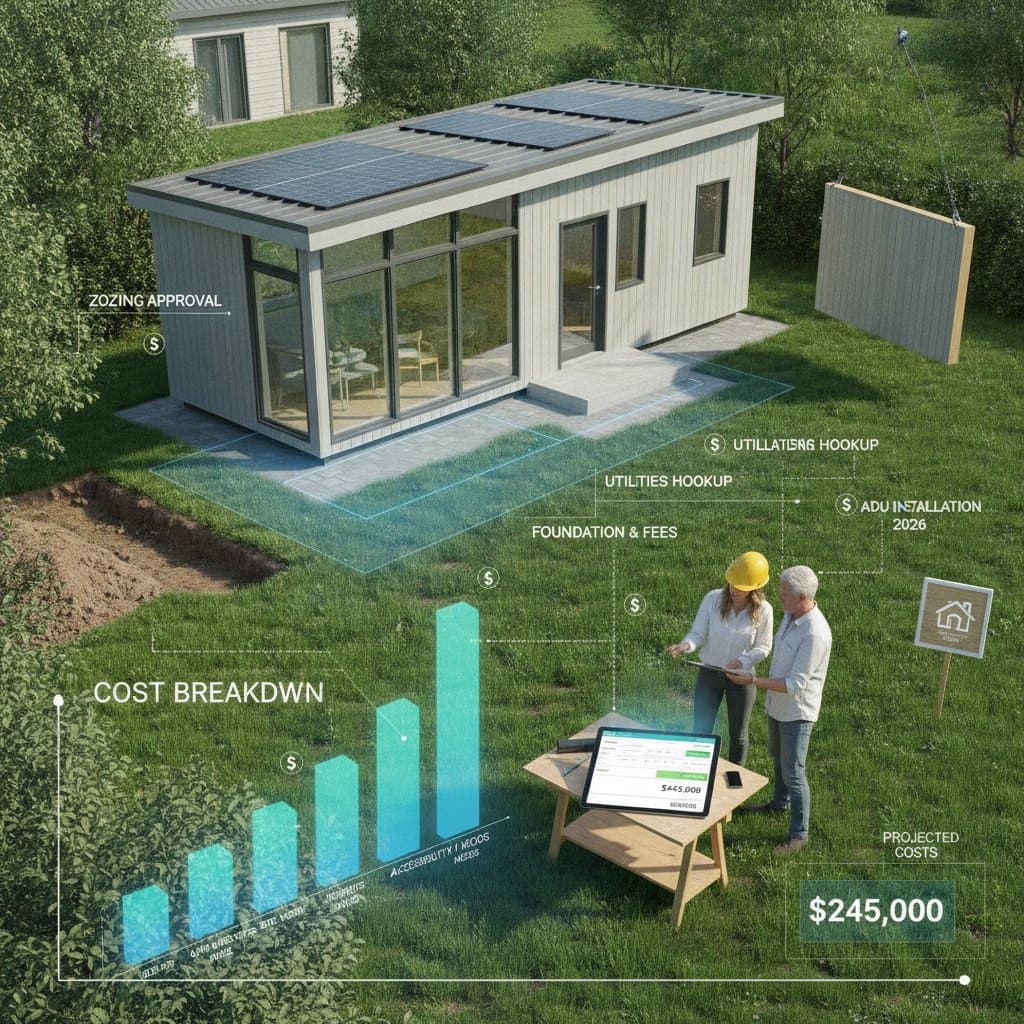
Construction expenses for a granny flat in 2025 average between $80,000 and $150,000, depending on size, materials, and location. Basic units of 400 to 600 square feet require foundational work, framing, roofing, and interior finishes. Additional features like energy-efficient appliances or premium insulation increase costs but enhance long-term savings.
Break down the budget into categories: site preparation (10-15 percent), structural build (50-60 percent), and utilities/plumbing (20-25 percent). Factor in soft costs such as design fees, permit applications, and inspections, which can add 15-20 percent to the total. Obtain multiple quotes from reputable contractors to compare pricing and scope.
Financing options include home equity loans, construction loans, or personal savings. Evaluate interest rates and repayment terms to align with expected income. A detailed budget spreadsheet helps track expenditures and avoid surprises during the build.
Evaluating Return on Investment
The financial performance of a granny flat depends on how it is used. Long-term rental income provides steady cash flow, while short-term rentals may generate higher monthly returns but require more active management. Some homeowners use their unit as an office or studio, which may not yield direct revenue but can reduce external expenses.
To measure profitability, consider the payback period, which calculates how many years of rental income are needed to recover construction and maintenance costs. For example, a $100,000 investment generating $12,000 annual rent results in an 8.3-year payback. A shorter payback period indicates stronger performance and reduced risk.
Another useful metric is the capitalization rate, or annual net income divided by total investment. If net income reaches $10,000 on a $120,000 outlay, the cap rate equals 8.3 percent. Comparing this rate with other local property investments helps determine whether the project meets financial objectives. Aim for a cap rate above 6 percent in most markets for viability.
Property value appreciation also contributes to ROI. A well-integrated granny flat can add 20-30 percent to the home's market price, providing equity growth upon resale.
Risk Mitigation and Consumer Protection
Financial prudence requires identifying and controlling risks before construction begins. Common areas of exposure include contractor reliability, cost overruns, and incomplete work. Proactive measures safeguard investments and ensure project success.
Key protection strategies include:
- Contract review: Every agreement should specify scope, timeline, payment schedule, and dispute resolution process. Avoid vague descriptions that allow cost escalation. Include clauses for material quality and workmanship guarantees.
- Licensing verification: Confirm that the builder holds valid credentials and insurance. Unlicensed contractors may void insurance coverage and expose homeowners to liability. Check state licensing boards for complaints or revocations.
- Payment structure: Use milestone-based payments tied to completed work rather than large upfront deposits. For instance, release 20 percent after foundation completion and 30 percent post-framing.
- Inspection documentation: Retain copies of all inspection approvals to protect against future compliance disputes. Schedule third-party reviews at critical stages for unbiased assessments.
These steps reduce vulnerability to financial loss and ensure the project meets both safety and performance standards.
Reading the Fine Print
Service contracts for design, construction, and inspection often contain clauses that favor providers. Hidden within the fine print, these terms may limit liability or impose additional fees. For example, some contracts charge extra for unforeseen site conditions or design revisions beyond a certain number. Others specify mandatory arbitration, which can restrict legal recourse.
Homeowners should request clear definitions for scope exclusions, warranty coverage, and completion timelines. Review contracts with an attorney if possible to identify unfavorable terms. Comparing multiple bids using identical project specifications helps expose inflated pricing and incomplete proposals.
Negotiate adjustments before signing, such as extended warranties or flexible change orders. This diligence prevents disputes and aligns expectations with reality.
Ensuring Quality Work
Quality construction demands oversight throughout the process. Select materials that meet or exceed code requirements, prioritizing durability and energy efficiency. Regular site visits allow homeowners to monitor progress and address issues promptly.
Hire subcontractors with proven track records in similar projects. Verify references and review past work to gauge reliability. Document all communications and changes in writing to maintain a clear record.
Post-construction, conduct a final walkthrough to confirm all features function as intended. Address any deficiencies before final payment to hold contractors accountable.
Maximizing Your Investment
Once construction is complete, the focus shifts to maximizing financial return. A well-built granny flat can appreciate along with the main property, significantly increasing resale value. Proper management of rental income, maintenance, and tenant selection ensures consistent performance.
To enhance profitability:
- Establish a dedicated maintenance fund to cover repairs without disrupting cash flow. Allocate 10 percent of annual rent for this purpose.
- Keep records of all expenses for potential tax deductions related to rental activity. Consult a tax professional for applicable credits.
- Evaluate local rental markets quarterly to adjust pricing and maintain occupancy. Use platforms like real estate listings to benchmark rates.
- Reinvest part of the rental income into property improvements that sustain long-term value, such as landscaping or upgrades.
Screen tenants thoroughly, checking credit and references to minimize vacancies and damages. Consider property management services if active involvement proves challenging.
Protecting Your Investment Long-Term
A granny flat represents both a financial asset and a housing solution. Success depends on disciplined planning, cost awareness, and strict adherence to consumer protection principles. By treating the project as a small business venture rather than a casual home improvement, homeowners safeguard their capital and create a reliable income stream.
Regularly reassess the unit's performance against initial goals. Adjust strategies as market conditions evolve to sustain returns. This ongoing commitment turns a one-time build into a enduring benefit for the property and its owners.