2025 Granny Flat Costs: Permits to Finish
A granny flat, also known as an accessory dwelling unit (ADU), provides a compact, independent living space on the same property as the primary residence. These structures offer additional room for family members, potential rental revenue, and adaptable housing options. Construction demands thorough preparation, precise financial planning, and adherence to municipal regulations.
This resource details the essentials of granny flats, their functionality, comprehensive expenses from initial approvals to completion, and guidance on engaging professionals.
Understanding Granny Flats
A granny flat consists of a modest dwelling equipped with separate utilities, a kitchen, and a bathroom. Configurations include attachments to the main home, conversions of garages or basements, or standalone backyard builds. Municipal authorities designate these as accessory dwelling units (ADUs) under specific zoning provisions.
Indicators for Building a Granny Flat
Consider constructing a granny flat under these circumstances:
- A family member requires close proximity with personal space.
- Rental opportunities appeal without acquiring separate real estate.
- Long-term residency plans benefit from modifiable accommodations.
- Property zoning permits ADUs, and the site complies with distance and dimension requirements.
If these factors align, initiate a zoning verification prior to investing in architectural plans.
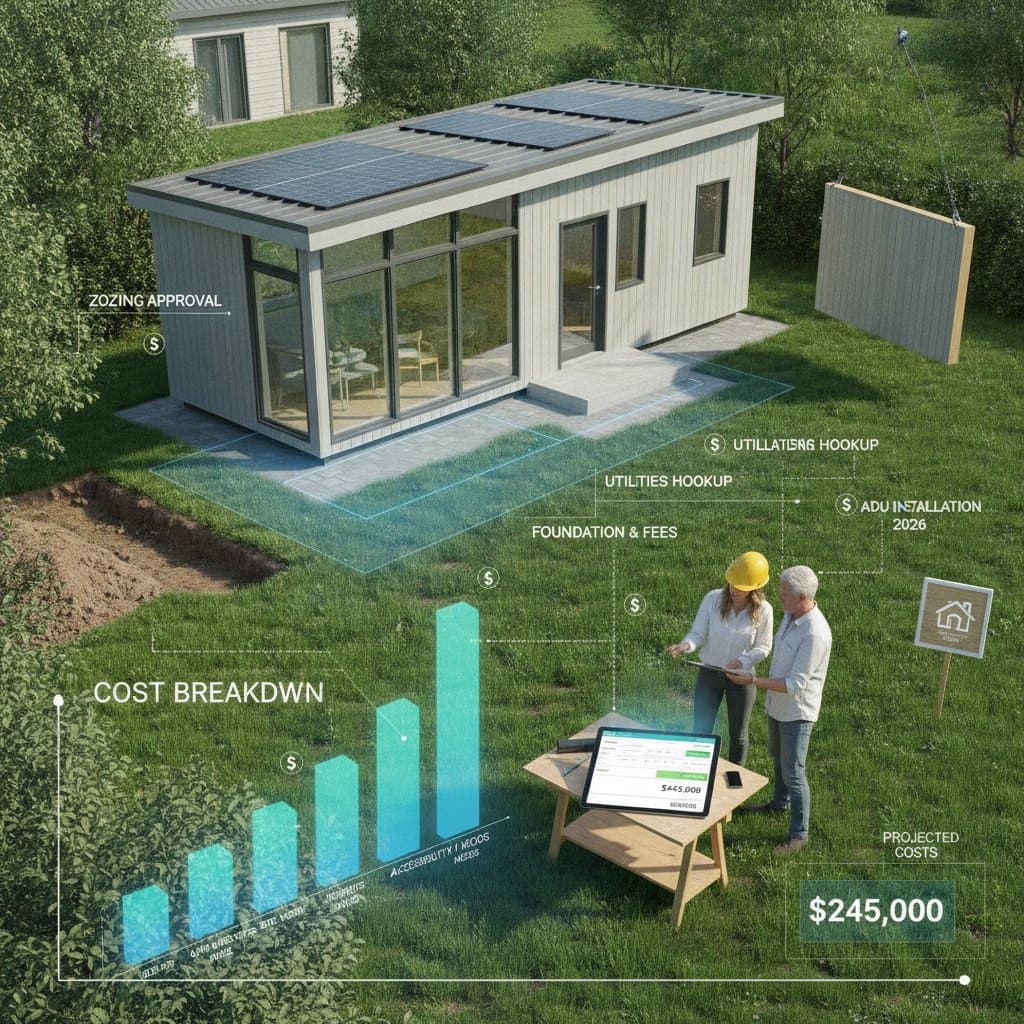
Comprehensive Cost Breakdown
Expenses for a granny flat vary based on location, size, and features. The following table outlines typical categories and ranges for a standard 600- to 800-square-foot unit in 2025.
| Line Item | Typical Range | Notes and Variables |
|---|---|---|
| Design and permits | $5,000–$20,000 | Encompasses application fees, architectural renderings, and structural engineering. |
| Site preparation | $5,000–$25,000 | Involves land grading, utility extensions, and pathway development. |
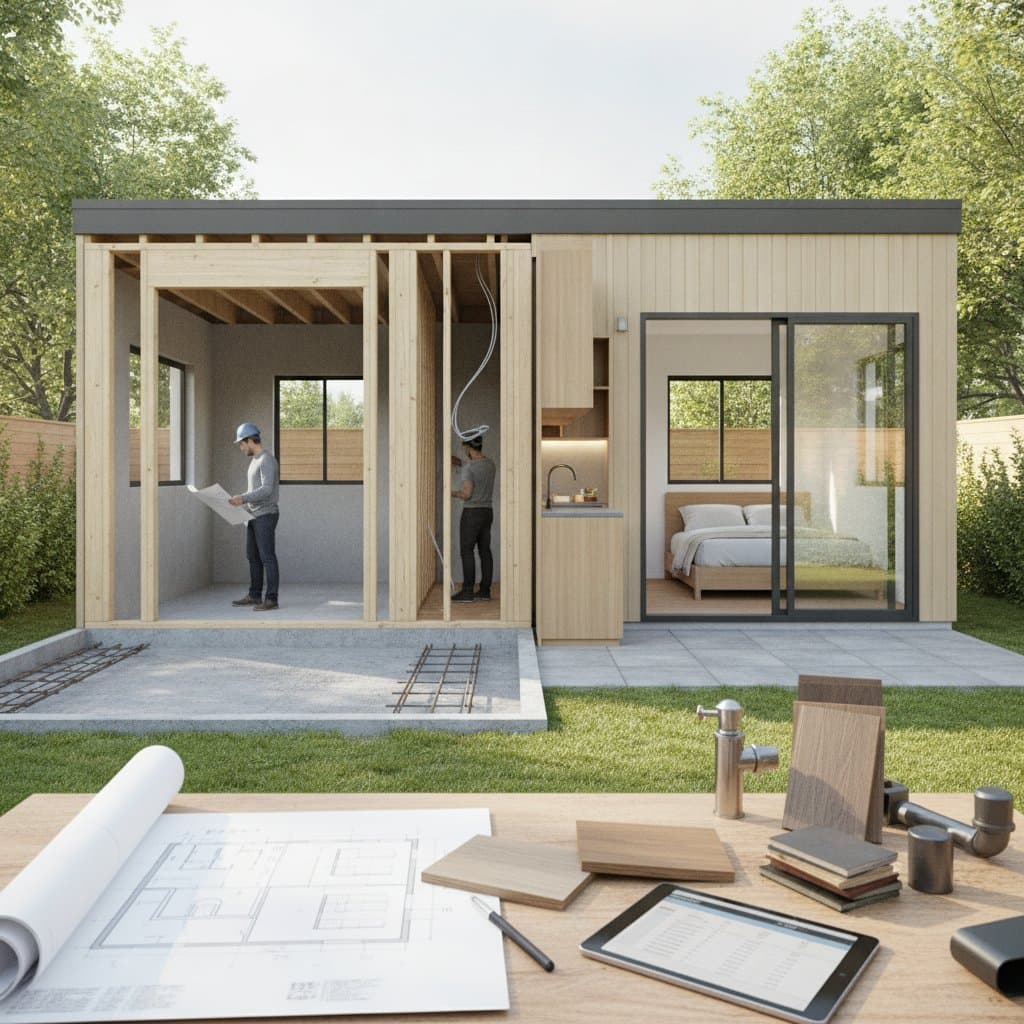
| Foundation and framing | $30,000–$60,000 | Covers concrete pouring, lumber, and assembly labor. |
| Roofing and exterior | $15,000–$35,000 | Includes weatherproofing materials, window installations, and entry features. |
| Mechanical systems | $20,000–$40,000 | Requires certified installation for plumbing, wiring, and climate control. |
| Interior elements | $25,000–$60,000 | Features cabinetry, surface coverings, and lighting setups. |
| Landscaping and access | $3,000–$15,000 | Enhances aesthetics and functionality, though optional. |
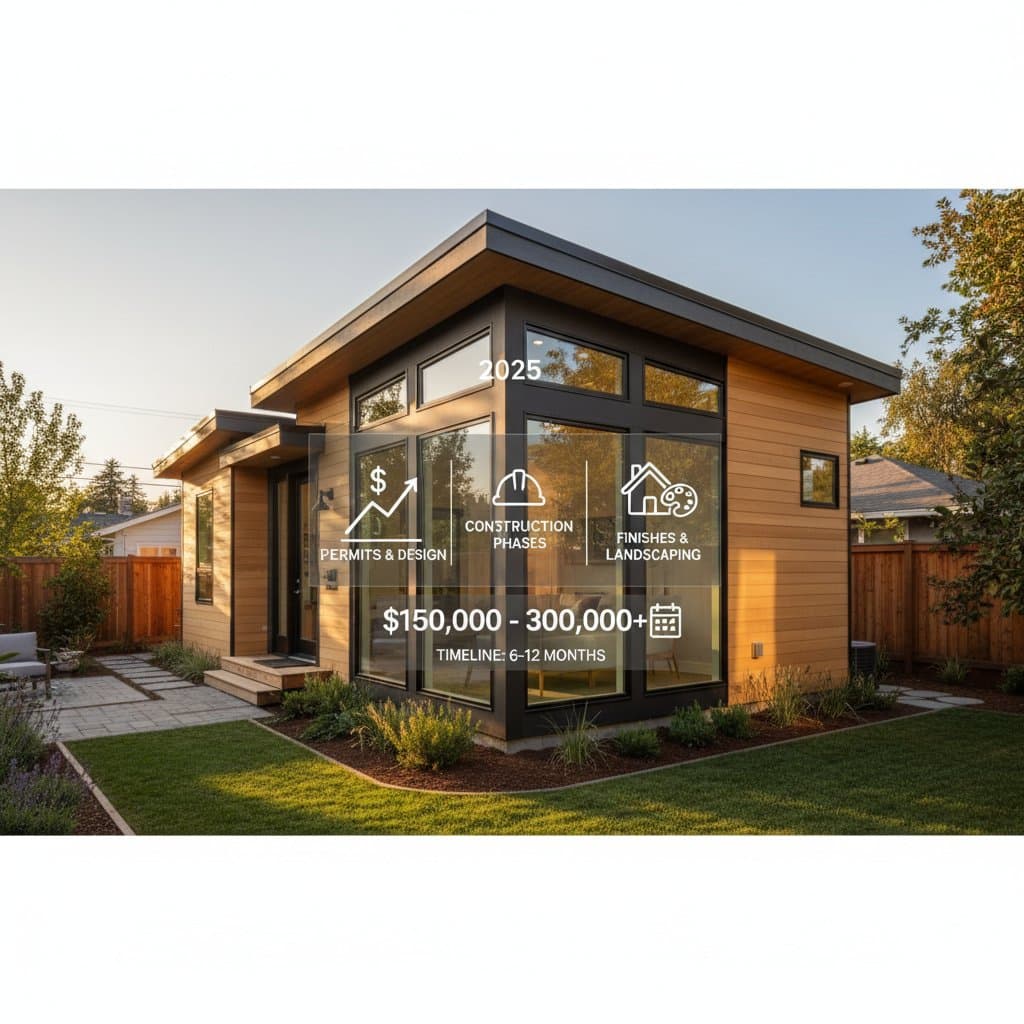
| Total | $150,000–$300,000 | Average estimate centers at $225,000, influenced by regional labor rates. |
Budget an additional 10 to 15 percent for unforeseen adjustments, such as soil testing or code revisions.
Compliance and Safety Essentials
Every ADU must conform to prevailing building standards, fire safety protocols, and energy efficiency mandates. Install smoke alarms and carbon monoxide sensors in all units. Schedule inspections for electrical installations prior to enclosing walls. Engage licensed specialists for gas connections and sewage integrations. Ensure sleeping quarters include at least one operable escape window measuring no less than 5.7 square feet.
For on-site work, equip personnel with gloves, protective eyewear, respirators for dust-generating tasks, and ear guards during equipment operation.
Regional Influences on Construction
Local environmental conditions shape material choices and timelines.
Climate Adaptations
- In cooler areas, opt for frost-resistant footings and insulation rated at R-30 or higher.
- Humid tropical zones demand mold-resistant exteriors and ventilation-focused heating systems.
- Dry environments suit reflective roofing and pale-hued facades to minimize solar absorption.
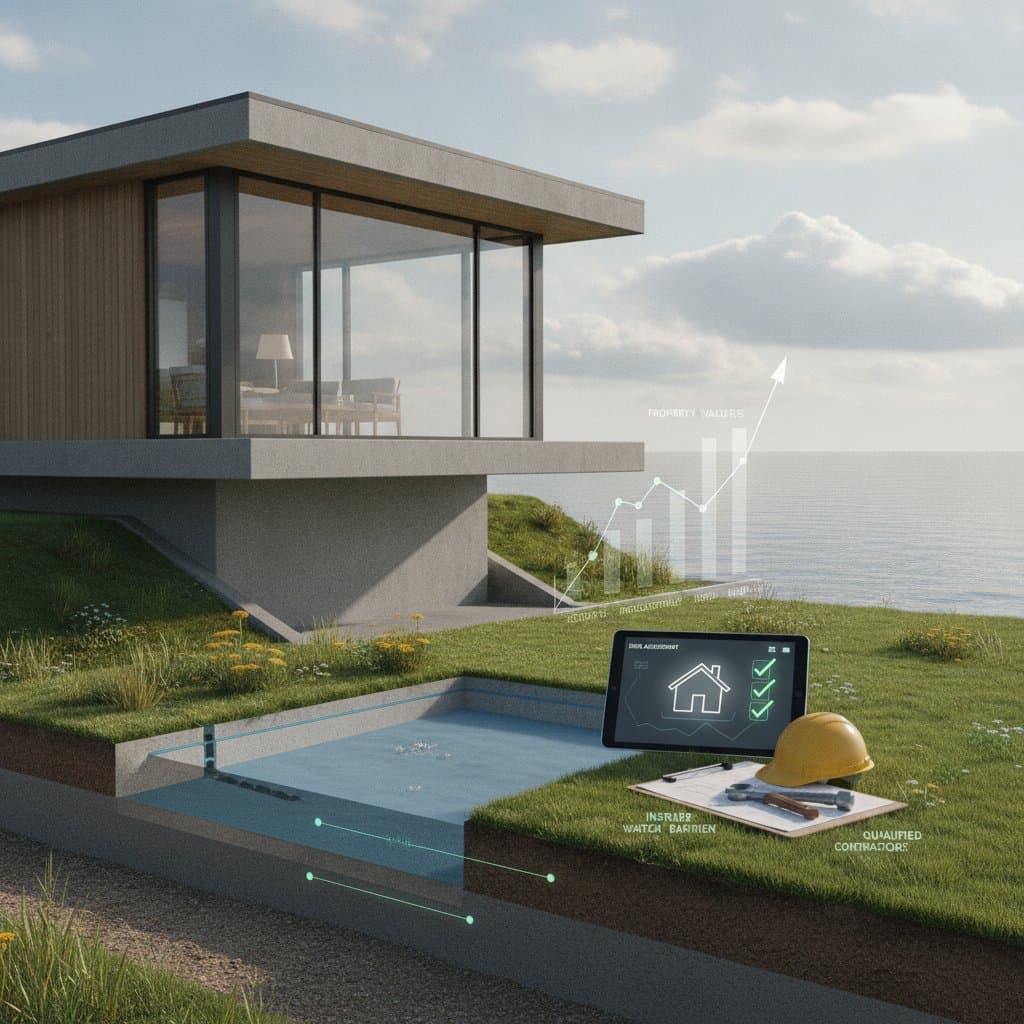
- Coastal settings require galvanized hardware and moisture barriers to combat corrosion.
Regulatory and Permitting Variations
Certain jurisdictions expedite ADU approvals through pre-approved designs, whereas others mandate detailed examinations. Verify minimum distances from boundaries and maximum elevations early in the process.
Material Recommendations
Durable options like fiber-cement panels for walls, synthetic composites for outdoor surfaces, and galvanized steel for roofs withstand diverse weather patterns effectively.
Seasonal Scheduling
Northern regions favor foundation laying during warmer months to avoid frozen ground. Southern locales schedule heavy pours outside extreme temperatures to ensure proper curing.
Key Terminology
- Accessory Dwelling Unit (ADU): Secondary residence sharing the primary lot.
- Setback: Minimum separation between structure and lot perimeter.
- Impact Fee: Levy imposed by authorities to fund public utilities expansions.
- Egress: Designated safe pathway from occupied spaces.
- R-Value: Indicator of thermal resistance in insulating materials.
- Crawlspace: Low-clearance zone beneath floors for utility maintenance.
- Slab Foundation: Solid concrete platform as the base.
- Soffit: Exposed under-eave area of the roofline.
- Sheathing: Structural panels applied over framework.
- Load-Bearing Wall: Vertical element supporting overhead loads.
- Permit Set: Approved blueprints for regulatory submission.
- Utility Tie-In: Junction connecting auxiliary services to main infrastructure.
Steps to Build Successfully
Embark on granny flat construction by validating zoning eligibility and establishing a firm budget. Consult architects familiar with ADU guidelines to develop compliant designs. Solicit proposals from vetted builders, evaluating schedules and guarantees alongside costs. Select straightforward interior options to manage expenses, and prioritize resilient components for future upkeep savings.
A structured approach, accurate projections, and expert involvement transform this endeavor into a worthwhile enhancement, delivering enduring utility and property appreciation.