Complete 2025 Price Breakdown for Granny Flat ADUs
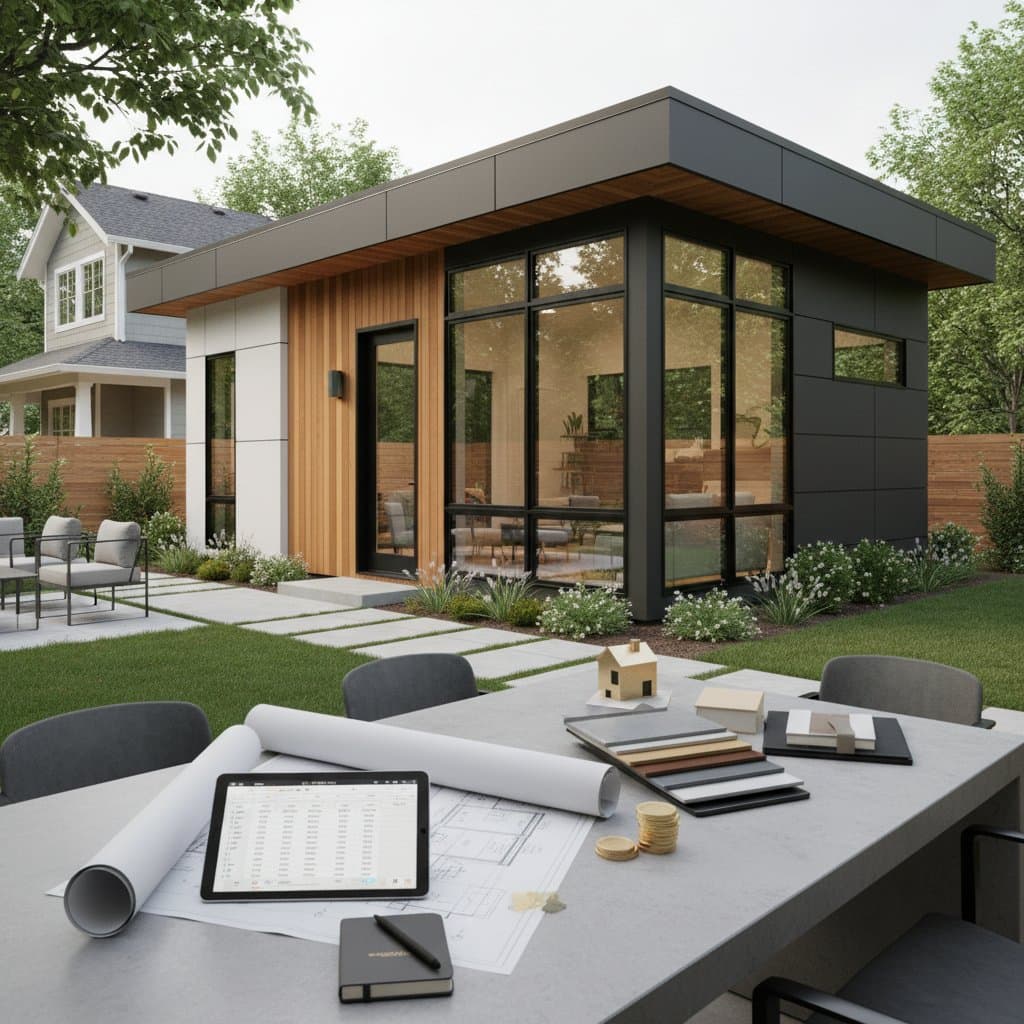
A granny flat, also known as an accessory dwelling unit (ADU), serves multiple purposes. Homeowners build these structures to generate rental income, provide additional living space for family members, or increase overall property value. While costs fluctuate based on numerous variables, a thorough understanding of the expense categories enables better financial planning and reduces the risk of unexpected outlays.
Quick Overview: For a detached backyard ADU, anticipate total expenses ranging from $180,000 to $350,000. This range accounts for variations in size, material quality, and site-specific challenges. Projects involving conversions of existing spaces, such as garages or basements, typically cost less, with starting figures around $90,000.
Key Differences Among ADU Types
Selecting the appropriate ADU type depends on your property layout, budget constraints, and intended use. Each option presents unique advantages and limitations in terms of cost, construction time, and functionality. The following table summarizes common types, their typical dimensions, cost estimates, benefits, and drawbacks.
| ADU Type | Typical Size | Average Cost Range | Pros | Cons |
|---|---|---|---|---|
| Detached Backyard Cottage | 400–1,200 sq ft | $180,000–$350,000 | Offers complete privacy, allows for customizable layouts, supports strong rental appeal | Involves higher upfront expenses, requires extended permitting processes |
| Attached Addition | 400–800 sq ft | $160,000–$280,000 | Utilizes shared utilities, provides convenient access to the main home | Reduces privacy levels, faces restrictions from existing home design |
| Garage Conversion | 300–600 sq ft | $90,000–$180,000 | Leverages an existing structure, accelerates the building timeline | Constrains interior layout options, potentially eliminates parking spaces |
| Basement or Interior Conversion | 400–1,000 sq ft | $100,000–$200,000 | Preserves outdoor yard areas, minimizes exterior construction needs | Demands proper egress windows for safety, necessitates moisture management solutions |
Detailed Cost Components
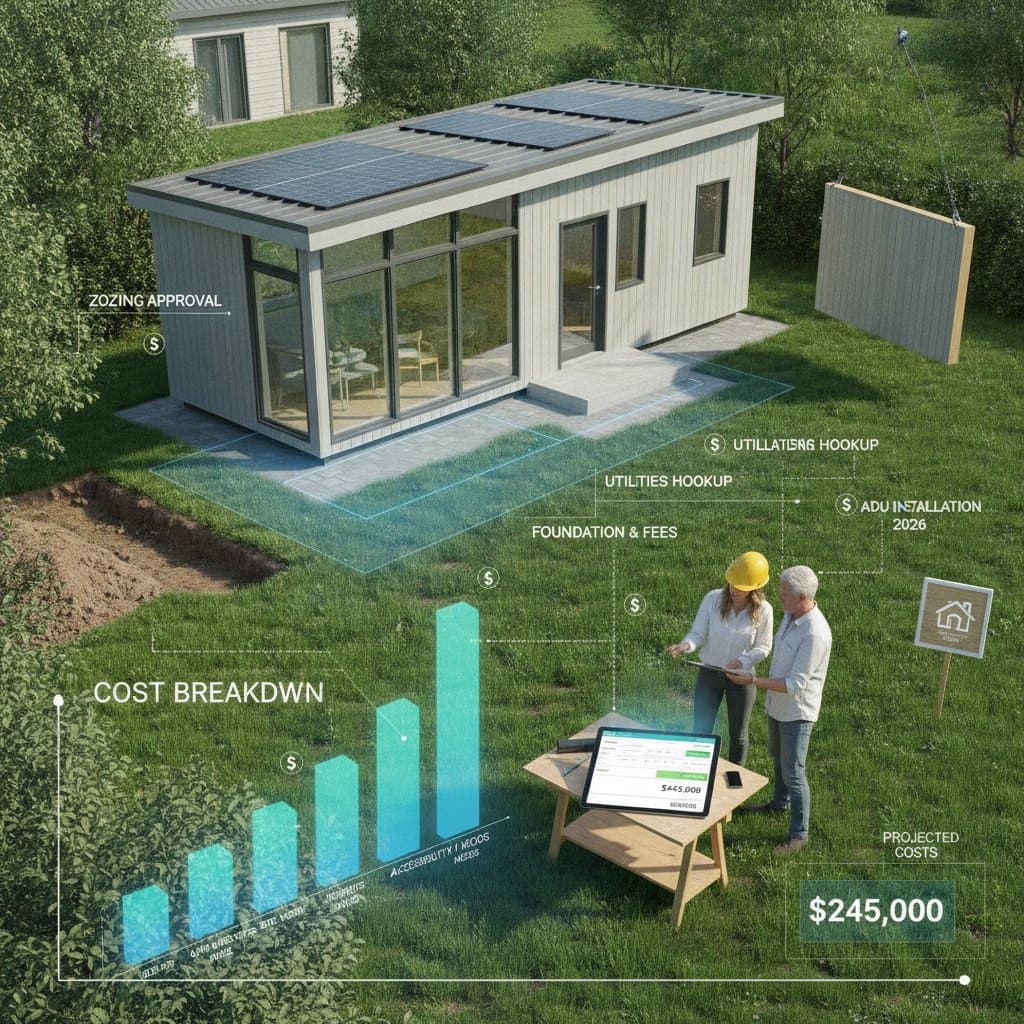
To grasp the full financial picture, examine the primary expense categories that contribute to the overall ADU budget. These elements often represent the largest portions of investment and vary significantly by project scope.
Site Preparation and Foundation
Site work forms the groundwork for any ADU project. Excavation, grading, and foundation installation can cost between $20,000 and $50,000, depending on soil conditions. For instance, properties with clay-heavy or sloped terrain require additional stabilization measures, such as reinforced concrete footings or retaining walls, which add 20 to 30 percent to these costs. Always conduct a geotechnical survey early to identify potential issues.
Structural and Exterior Elements
The building shell, including framing, roofing, and siding, typically ranges from $80,000 to $150,000 for a standard 600-square-foot unit. Opt for durable materials like fiber cement siding or metal roofing to enhance longevity. In regions prone to severe weather, incorporate impact-resistant features, which may increase expenses by 10 to 15 percent but reduce future repair needs.
Utilities and Mechanical Systems
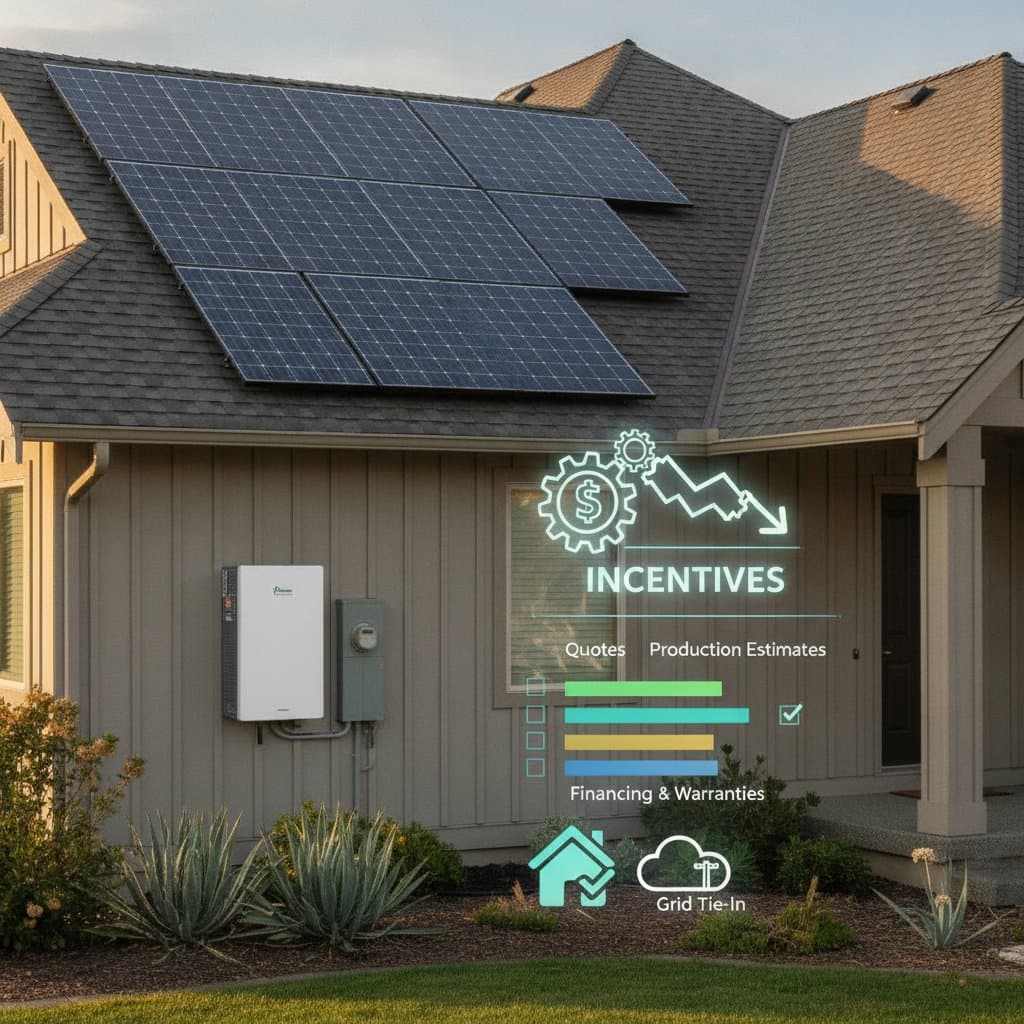
Connecting water, sewer, electricity, and HVAC systems accounts for $15,000 to $40,000. Long-distance runs from the main home elevate these figures; for example, trenching 100 feet for underground lines can add $5,000 or more. Energy-efficient options, such as solar-ready wiring or high-SEER air conditioning units, provide long-term savings on utility bills despite higher initial outlays.
Interior Finishes and Fixtures
Interior work, encompassing drywall, flooring, cabinetry, and appliances, spans $40,000 to $80,000. Basic vinyl plank flooring and laminate countertops keep costs lower, while upgrades to hardwood floors or quartz surfaces can double this segment. Focus on versatile, low-maintenance choices that align with your ADU's purpose, whether for aging-in-place accessibility or modern rental appeal.
Permitting, Design, and Fees
Professional services, including architectural plans, engineering reviews, and local permits, total $10,000 to $25,000. Using pre-approved designs from your municipality can shave off $5,000 to $10,000. Factor in inspection fees throughout the process to ensure compliance with building codes.
Primary Factors Influencing Total Costs
Several variables drive price differences beyond basic construction. Location plays a pivotal role; urban areas with high labor rates, such as coastal cities, inflate budgets by 25 to 50 percent compared to rural settings. Size directly correlates with expense—each additional 100 square feet adds approximately $30,000 to $50,000.
Material selections also matter. Standard builder-grade items maintain affordability, but premium choices like energy-efficient windows or smart home integrations boost costs while offering operational benefits. Site challenges, including limited equipment access or environmental regulations, further adjust estimates. For tight urban lots, manual labor replaces heavy machinery, increasing hourly rates.
Balancing DIY Efforts with Professional Expertise
Homeowners seek ways to control expenses without compromising quality. Certain tasks suit DIY approaches, provided participants possess adequate skills and tools.
-
Suitable for DIY: Landscaping around the ADU, interior painting, installing basic trim work, or mounting light fixtures.
Required Skill Level: Intermediate. Allocate sufficient time for precise finishing to achieve professional results. -
Essential to Hire Professionals: Structural framing, roofing installation, plumbing rough-ins, electrical wiring, and HVAC ductwork.
Rationale: These elements demand adherence to strict building codes for safety and structural integrity. Licensed contractors provide warranties and handle liability.
Consider acting as your own general contractor to oversee the project. This role involves coordinating subcontractors and timelines, potentially saving 10 to 20 percent on management fees. However, verify all workers hold current licenses and insurance.
Long-Term Maintenance Considerations
An ADU represents a significant investment, so plan for ongoing upkeep to preserve its value. Regular maintenance extends the structure's lifespan, which often exceeds 50 years with proper care.
-
Annual Inspections: Examine caulking around windows and doors, roof flashing for leaks, and exterior paint for wear. Address minor issues promptly to prevent water damage.
-
Every 5 to 10 Years: Repaint surfaces, reseal window frames, and service HVAC systems. Budget $2,000 to $5,000 for these cycles.
-
Every 15 to 25 Years: Replace roofing materials and update flooring. These major updates, costing $10,000 to $20,000, align with broader home renovations.
Incorporate durable, low-maintenance features from the start, such as composite decking or synthetic stucco, to minimize future expenses.
Steps to Launch Your ADU Project
Embark on your granny flat build with a structured approach to streamline decisions and control costs.
-
Verify Zoning and Regulations: Research local zoning laws, setback requirements, and ADU allowances through your city's planning department. This step confirms feasibility and avoids redesigns.
-
Solicit Multiple Quotes: Contact at least three licensed builders experienced in ADUs. Request detailed proposals to compare apples-to-apples pricing.
-
Demand Itemized Estimates: Break down bids by category to pinpoint high-cost areas. Negotiate on non-essential elements if needed.
-
Secure Financing Options: Explore funding sources like personal savings, home equity loans, or construction-specific credit lines. Consult a financial advisor to assess interest rates and repayment terms.
-
Select Enduring Materials: Prioritize quality over bargain options for components like insulation and roofing. These choices yield savings through reduced energy use and fewer repairs.
Building a granny flat transforms your property into a versatile asset. Rental income can recoup costs within 5 to 10 years, while multigenerational living fosters family closeness. With meticulous planning, expert guidance, and a focus on durability, your ADU delivers enduring value and enhances your home's appeal.