Designing a Garden That Defies Climate Change
Creating a climate-adaptive garden requires more than aesthetic choices. It demands scientific understanding, resource management, and financial strategy. As weather patterns become more unpredictable, homeowners must view their landscapes as dynamic systems that respond to stress, adapt to scarcity, and maintain resilience under pressure. A thoughtfully planned garden safeguards property value, lowers maintenance costs, and preserves water resources while preserving visual appeal.
Understanding the Scope of Climate-Adaptive Gardening
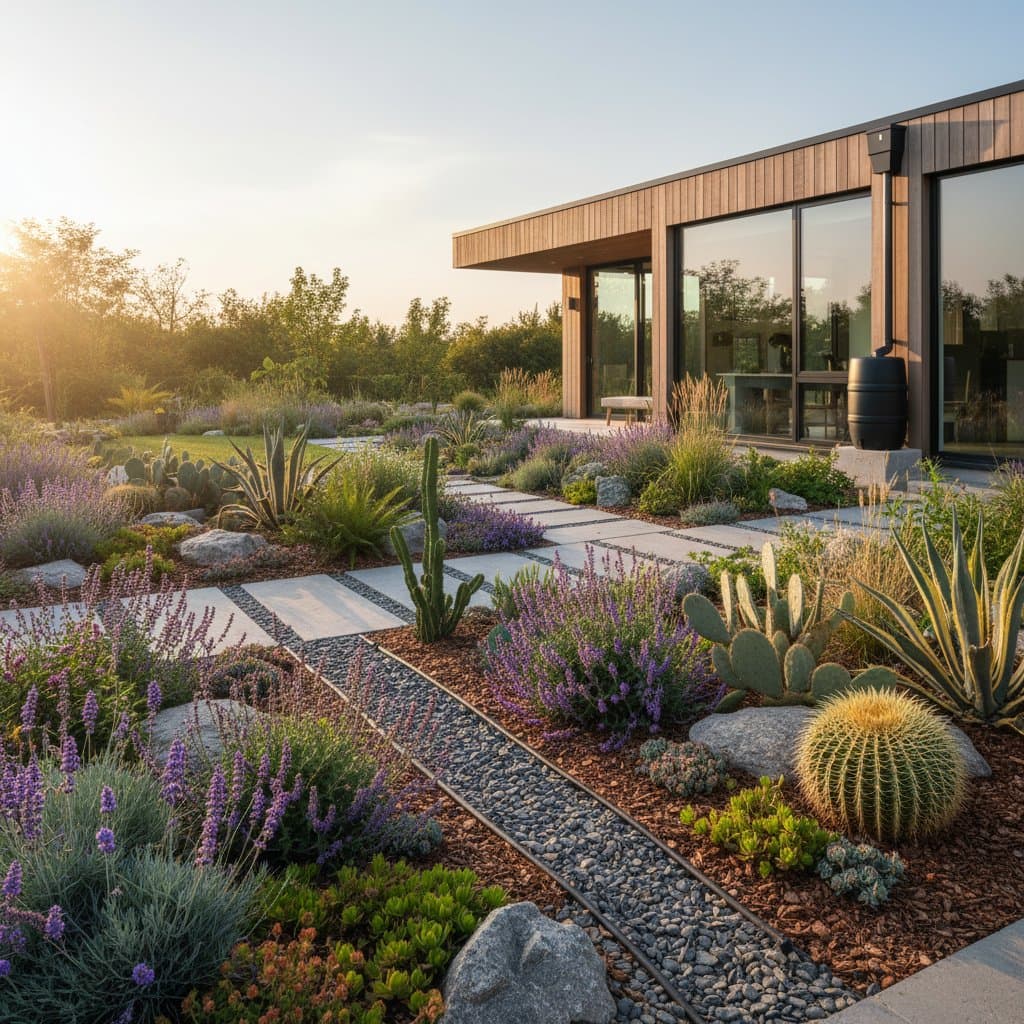
Climate-adaptive gardening emphasizes ecosystems that endure extreme conditions. This practice combines careful plant selection, soil preparation, precise irrigation, and habitat diversity. The objective extends beyond mere survival to achieve enduring stability. Homeowners who adopt this method decrease reliance on chemical fertilizers and excessive watering, resulting in landscapes that sustain vitality amid hotter summers, extended dry spells, and irregular rainfall.
This strategy moves past conventional landscaping principles. Each element, from ground covers to canopy trees, fulfills dual ecological and economic roles. Native species, for instance, typically withstand local pests and demand minimal inputs, thereby reducing expenses over time. Selecting plants indigenous to your region ensures compatibility with prevailing climate challenges, such as temperature fluctuations and soil variations.
Cost Structure and Resource Analysis
Sustainable landscaping involves initial investments that depend on project scale and chosen materials. A standard setup might encompass native plant installations, drip irrigation systems, and soil enhancements. Homeowners encounter a mix of fixed costs, like installation fees per square foot, and variable costs, such as setup for irrigation and routine upkeep.
| Feature | Initial Cost Range | Maintenance Cost | Long-Term Savings | Key Considerations |
|---|---|---|---|---|
| Native Planting | Moderate | Low | High | Reduced water use; pest resistance |
| Drip Irrigation | High | Low | Moderate | Precise water delivery; leak checks |
| Rainwater Capture | High | Low | High | Storage capacity; filtration needs |
| Mulching | Low | Low | Moderate | Soil moisture retention; weed control |
Although these systems present higher upfront expenses, they deliver tangible benefits within several seasons. Water bills decrease significantly, and replanting becomes infrequent. Over a decade, savings can accumulate to thousands of dollars, depending on garden size and local utility rates.
Process Walkthrough
-
Initial Assessment: Examine soil quality, drainage patterns, and sunlight availability. Test pH levels and nutrient content to identify amendments needed. This evaluation forms the garden's core foundation and guides subsequent choices.
-
Planning and Design: Select drought-tolerant plants and natives adapted to your area's climate. Divide the space into zones based on water requirements and include areas for pollinators. Use simple sketches or digital tools to visualize layout and ensure efficient resource use.
-
Installation Phase: Amend soil with organic matter to improve retention and drainage. Lay drip lines along plant roots and apply a two-inch layer of mulch. Cluster plants with similar needs together to streamline watering and care.
-
Maintenance Routine: Refresh mulch annually to suppress weeds and retain moisture. Check irrigation for clogs or leaks monthly during growing seasons. Prune only as necessary to promote natural form and health.
-
Monitoring and Adjustment: Observe plant vigor through seasonal cycles and note any stress indicators like wilting. Swap out struggling varieties for hardier options based on performance data. Adjust irrigation timers according to rainfall patterns for optimal efficiency.
Coverage Limitations and Environmental Constraints
No design eliminates all risks. Certain plants might succumb to extended droughts or sudden freezes despite careful selection. Homeowners frequently overlook soil vitality and proper drainage, which can cause root rot or erosion. Neglecting tasks like mulch renewal or filter cleaning undermines the entire setup.
Local water restrictions influence irrigation timing, potentially requiring off-peak usage. Community guidelines may restrict rain barrel placements or non-traditional plantings. Consult municipal codes and homeowner association rules early to prevent conflicts and ensure compliance.
Financial and Environmental Implications
An effectively designed adaptive garden enhances property appeal and value. Efficient water systems often attract rebates from utilities or governments. Native selections minimize pest management needs, cutting chemical expenses. Overall ownership costs drop as water and input demands lessen.
Environmentally, these gardens support biodiversity by providing habitats for birds and insects. They reduce runoff pollution and contribute to groundwater recharge. Homeowners gain a measurable impact on local ecosystems while securing personal financial advantages.
Steps to Build Lasting Garden Resilience
A climate-resilient garden relies on deliberate planning and ongoing attention. Focus on enhancing soil quality, incorporating native species, and implementing smart irrigation. Engage professionals certified in drought-resistant designs to maximize investment value.
Treat landscape development as essential protection against environmental shifts. Strategic choices in plants and water handling fortify the property's endurance. Through systematic preparation and regular care, the garden evolves into a symbol of stewardship and sustainable practice.