Prepare for a 35% Increase in Building Permit Fees in 2025
Grasping the Shift in Permit Costs
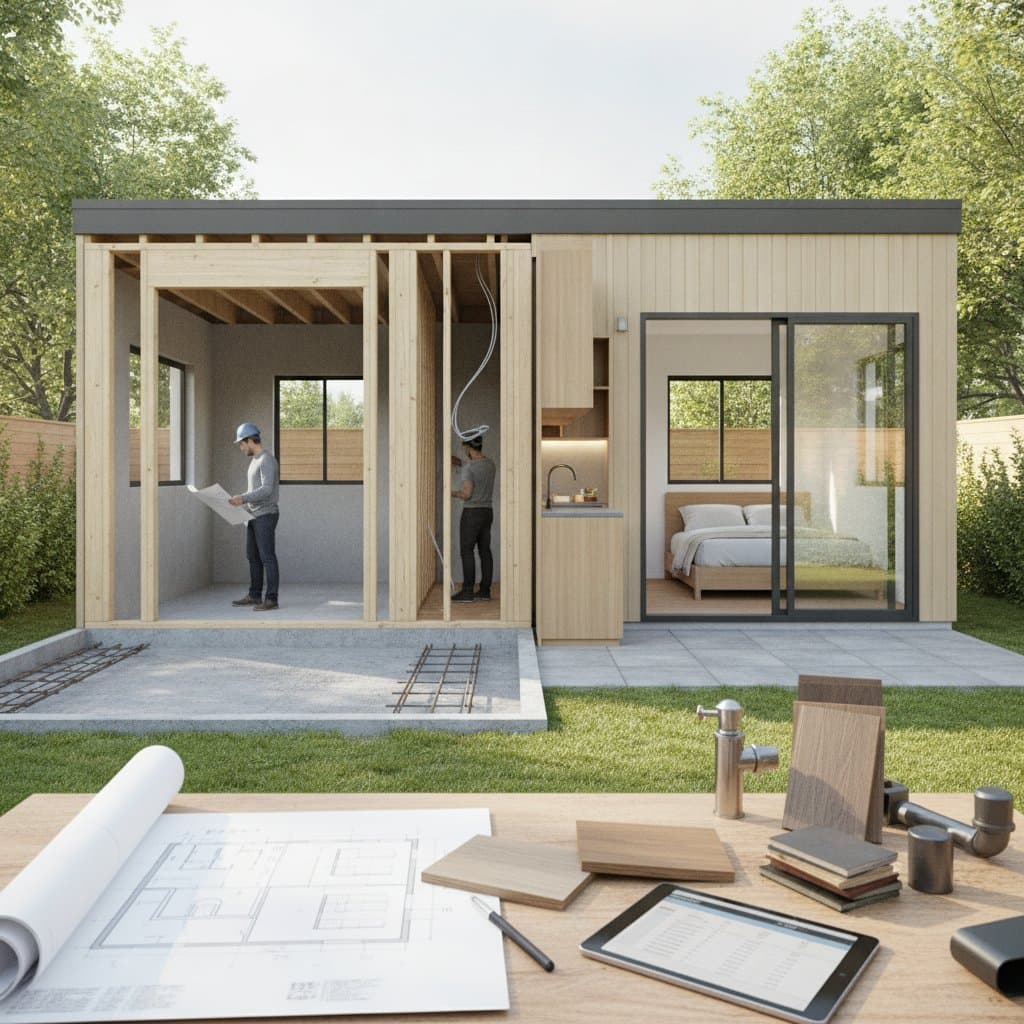
Building permits form the essential groundwork for safe and compliant construction projects. These documents verify that renovations and new builds adhere to local regulations. Homeowners and contractors prepare for a significant adjustment, as permit fees across the nation are expected to rise by up to 35 percent.
Current residential permit costs range from $450 to $2,000, based on project specifics and location. The national average stands at approximately $1,200 for typical home improvement tasks. Key elements influencing these fees include project scope, local government policies, and valuation-based structures that adjust according to overall construction expenses.
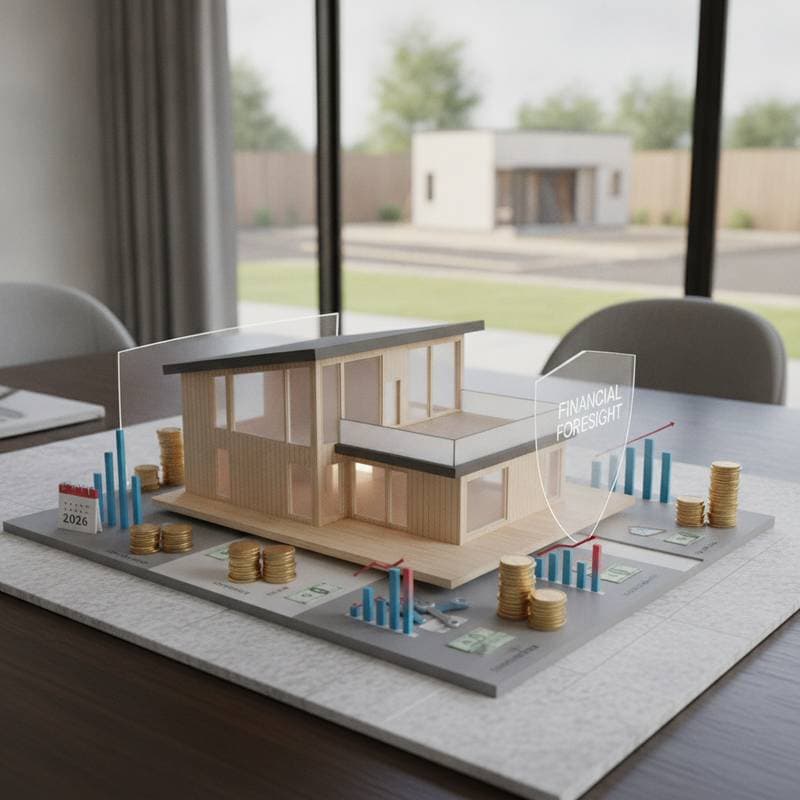
This increase stems from escalating administrative costs, revisions to building codes, and shifts in municipal funding. For individuals scheduling remodels, a thorough grasp of these changes proves vital to prevent unexpected expenses and setbacks. Early planning, obtaining multiple quotes, and partnering with certified contractors serve as effective measures to mitigate financial strain.
In-Depth Analysis of Permit Fee Structures
Authorities generally determine permit fees as a percentage of the project's total value, with rates in most cities falling between 0.5 and 2 percent of the reported construction cost. Smaller towns frequently use fixed fees, whereas larger urban areas implement graduated scales that escalate with project intricacy.
Minimum charges vary from $50 for simple electrical or plumbing modifications to several hundred dollars for substantial structural alterations. Data from contractor resources indicate that the 25th percentile of permit expenses hovers around $400, the median at $1,200, and the 75th percentile near $2,000.
Influence of Project Size and Scope
The scale of a renovation or extension plays a direct role in determining permit fees. A straightforward kitchen update might incur $600 in permits, whereas adding 1,000 square feet to a home could surpass $2,500. Each additional 100 square feet often contributes $100 or more, reflecting valuation-driven calculations.
Many local governments have introduced updated methods that link fees more closely to square footage, especially for enhancements involving energy efficiency or structural reinforcements. Contractors note that these adjustments encourage precise project planning to control costs.
Variations by Materials and Quality
Fees fluctuate according to the materials selected and the level of finishes, as these elements affect the declared project valuation. Basic remodels with economical materials might declare values around $20,000, while high-end endeavors incorporating premium brands such as Kohler or Andersen could exceed $75,000, thereby elevating permit charges.
Certain jurisdictions mandate distinct permits for electrical, plumbing, and mechanical elements, each costing $100 to $500. Advanced systems typically necessitate more rigorous inspection protocols, which amplify administrative expenses.
Impact of Project Complexity and Regulations
Initiatives that alter structures, involve historic buildings, or incorporate accessibility features encounter heightened oversight. Code evaluations, environmental reviews, and extra inspections can inflate total fees by 10 to 20 percent. Properties in areas prone to earthquakes or flooding incur elevated costs due to stringent safety mandates.
Geographic considerations also influence pricing. Cities like San Francisco, Chicago, and Boston impose fees 30 to 50 percent above those in rural districts, attributed to higher labor and overhead expenses.
Categories of Permit Services and Pricing Details
Core Permit Options for Home Projects
Local governments provide standardized permit categories tailored to prevalent home upgrades:
- Minor repairs or remodels: $300 to $800, encompassing small-scale kitchen, bathroom, or deck work
- Comprehensive remodels or extensions: $1,000 to $2,500, scaled to project size and value
- New builds: $2,000 to $4,500, which include plan examinations and repeated inspections
Approval processes usually require two to six weeks. Options for accelerated handling may impose supplementary fees of 10 to 15 percent.
Enhanced Permit Solutions
Advanced services feature rapid reviews, electronic plan submissions, and assigned coordinators. Such packages increase base costs by 20 to 35 percent yet frequently shorten wait times by weeks. For those facing pressing schedules, this investment averts potential disruptions in construction timelines.
Supplementary Options and Cost-Reduction Tactics
Numerous municipalities facilitate combined permits for interconnected tasks, like integrating electrical and plumbing with structural assessments. These packages lower overall fees by 5 to 10 percent. Engaging contractors versed in regional procedures avoids redundant filings, further trimming expenses.
Comparing Self-Managed and Expert Permit Handling
Individuals may submit permit applications independently through municipal online systems, though the anticipated benefits in savings often prove modest.
Evaluating Self-Managed Applications
Core filing charges stay consistent, yet applicants dedicate considerable time to studying codes, assembling paperwork, and overseeing inspections. A standard self-managed process ranges from $300 to $800, supplemented by $100 to $200 for printing, documentation, and fees from revisions. Expect 10 to 20 hours dedicated to preparation and follow-up.
Benefits of Expert Assistance
Specialized expediters or contractors levy $200 to $500 for managing submissions, inspections, and regulatory alignment. Their expertise accelerates approvals by as much as 40 percent and reduces the likelihood of denials. Amid the forthcoming 35 percent fee hike, professional involvement emerges as a strategic choice for preserving budgets and ensuring seamless progress.
Strategies to Safeguard Your Project Budget
Anticipate the 2025 permit fee escalation by conducting preliminary research into local requirements and obtaining estimates from multiple sources. Collaborate with experienced professionals to streamline applications and identify bundling opportunities that conserve resources. Implement these steps to transform potential challenges into opportunities for efficient, compliant construction that aligns with your financial goals.