2026 Flood-Proofing Costs: Secure Your Home's Future
Homeowners face escalating flood risks due to climate patterns and regulatory changes in insurance policies. By 2026, proactive measures to flood-proof properties will prove indispensable for minimizing damage and financial loss. This guide addresses key concerns: the actual expenses involved, optimal prevention options, and guidance on professional versus self-managed projects. Readers gain practical insights into budgeting, timelines, and risk evaluation to implement durable solutions.
Flood-proofing encompasses a range of techniques designed to either keep water out or allow controlled entry while protecting structural integrity. Costs vary based on home size, location, and method complexity, with national averages projected to rise five to ten percent annually through 2026 due to material and labor inflation. For a typical 2,000-square-foot home, expect total investments from $5,000 for basic drainage improvements to over $150,000 for full elevation. These figures include materials, labor, and permitting, emphasizing the value of early planning to avoid emergency repairs that often double expenses.
Prevention Methods: Pros, Cons, and Ideal Applications
Selecting the right flood-proofing approach depends on your home's construction, flood zone classification, and budget constraints. Below is a comparison of primary methods, including projected 2026 costs for a standard single-family residence.
| Method | Works Best For | Main Benefit | Main Drawback | Estimated 2026 Cost Range |
|---|---|---|---|---|
| Dry Flood-Proofing | Homes with masonry or concrete walls | Seals against water intrusion in living spaces | Ineffective for homes with wood framing or deep flooding | $10,000–$30,000 (per 1,000 sq ft) |
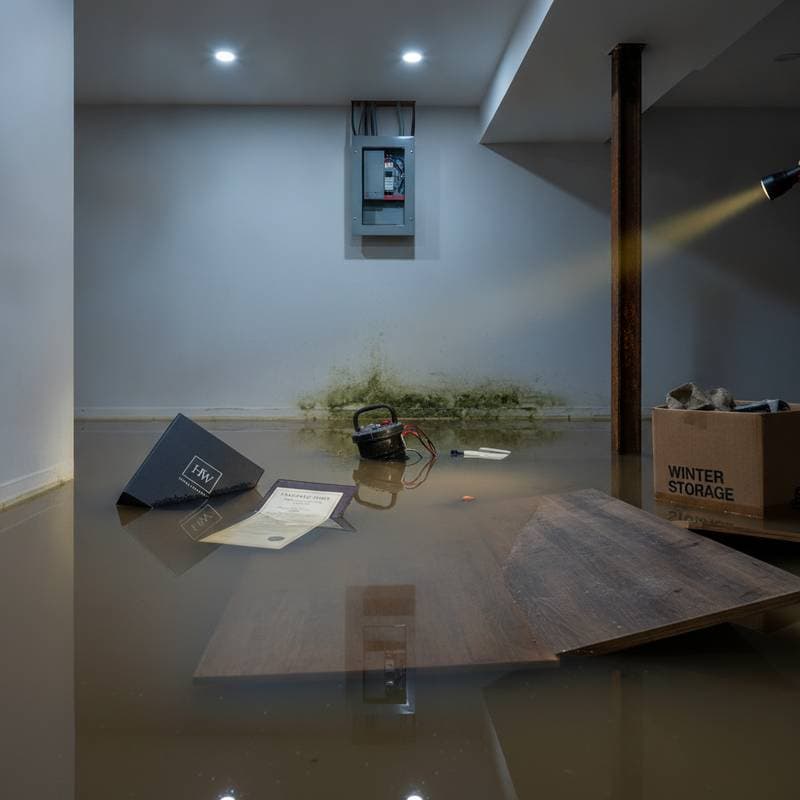
| Wet Flood-Proofing | Basements or attached garages | Cost-effective way to limit damage from water entry | Permits water inside, requiring moisture-resistant materials | $3,000–$15,000 |
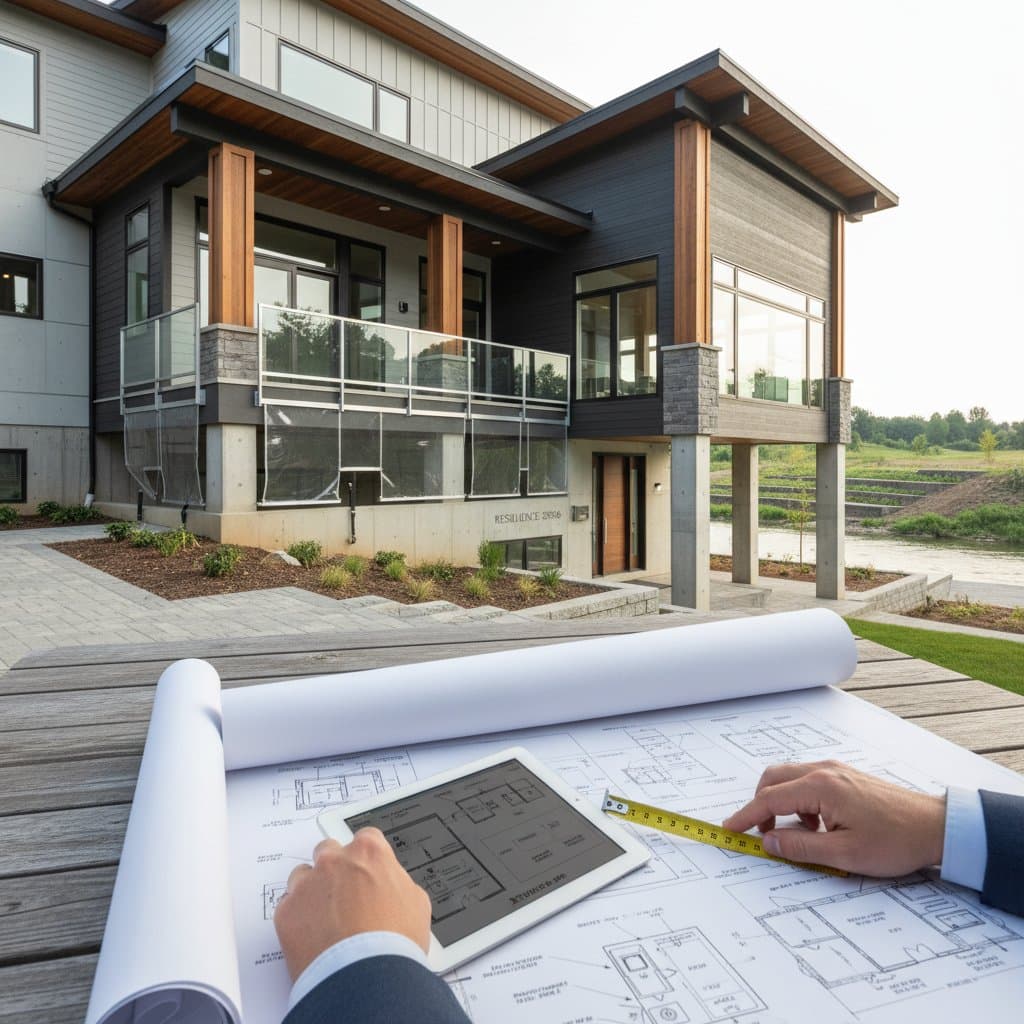
| Elevation | Slab or crawlspace foundations in high-risk areas | Provides comprehensive, long-term elevation above flood levels | Significant disruption and expense during relocation | $80,000–$200,000+ |
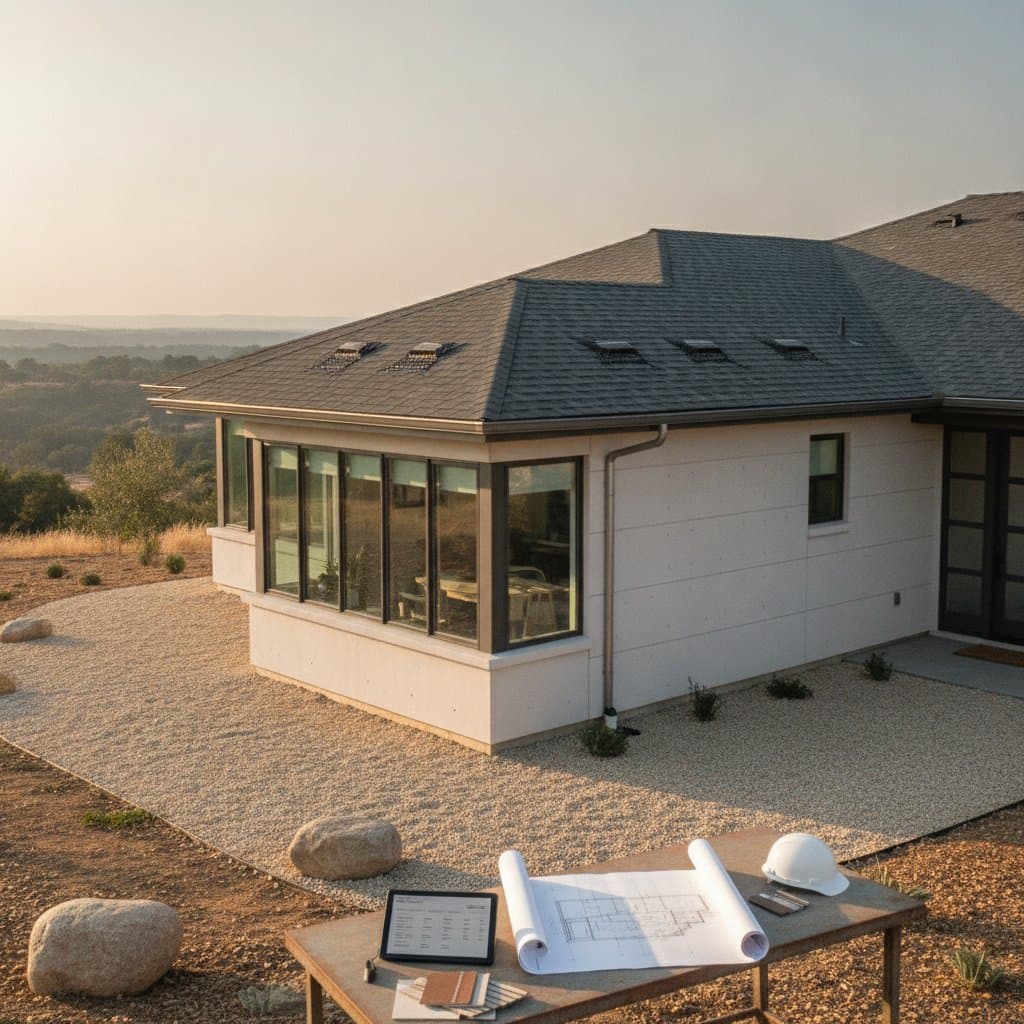
| Drainage and Grading | Properties with yard pooling or poor runoff | Diverts water away from foundations to prevent pressure buildup | Requires periodic upkeep to maintain effectiveness | $5,000–$25,000 |
Dry flood-proofing involves applying waterproof barriers and sealants to exterior walls, ideal for properties in moderate flood zones where water levels stay below two feet. Wet flood-proofing adapts spaces to accommodate water flow, using flood vents and sump pumps, which suits older homes with existing below-grade areas. Elevation raises the entire structure on pilings or fill, recommended for repetitive flood loss sites, while drainage enhancements like French drains or regrading slopes address surface water issues universally applicable to most landscapes.
Step-by-Step Guide: Planning and Executing Flood-Proofing Projects
Effective flood-proofing begins with thorough preparation to align solutions with site-specific risks. Consult FEMA flood maps and local hydrological records to establish baseline vulnerabilities, such as proximity to rivers or stormwater systems.
-
Conduct a Flood Risk Assessment: Gather elevation certificates, review historical flood data from the past decade, and hire a surveyor if needed. This step identifies the base flood elevation (BFE) for your property, typically the 1% annual chance flood level.
-
Define Protection Targets: Aim to elevate critical systems at least one foot above the BFE, as mandated in many regulated zones. Factor in future sea-level rise projections, which could add six inches to coastal risks by 2026.
-
Choose Appropriate Methods: Match techniques to your home's architecture; for example, avoid dry-proofing on framed walls prone to warping. Prioritize combinations, such as drainage paired with barriers, for layered defense.
-
Obtain Contractor Quotes: Solicit bids from at least three certified professionals experienced in flood mitigation. Request itemized breakdowns covering labor (40-60% of total), materials, and contingencies for unforeseen issues like soil instability.
-
Navigate Permitting and Compliance: Submit plans to local building departments, ensuring adherence to International Building Code standards for flood-prone areas. Inspections verify that work meets elevation and drainage requirements.
-
Execute the Installation: Install components like sump pumps with battery backups, flood barriers, or grading adjustments per engineering specifications. For elevation projects, this includes temporary relocation of utilities and structural reinforcement.
-
Verify and Maintain Systems: Perform hydrostatic testing by simulating water pressure, then schedule annual inspections. Document all work for insurance discounts, which can offset 10-20% of costs through premium reductions.
Timelines vary: Simple drainage projects conclude in one to two weeks, while elevation efforts span three to six months, including permitting delays. Budget an additional 15% buffer for rising material costs, such as concrete and membranes expected to increase with supply chain demands.
Common Pitfalls and How to Prevent Them
Many flood-proofing failures stem from overlooked details that amplify vulnerabilities. Addressing these upfront saves time and resources.
-
Prioritize exterior drainage corrections before interior sealing; otherwise, trapped water erodes foundations from behind barriers.
-
Eliminate drywall, carpet, or standard insulation below flood levels; opt for concrete block or marine-grade materials that withstand submersion.
-
Install check valves on all floor drains to block backflow, a frequent oversight in basement setups.
-
Ensure sump pumps operate on dedicated circuits with generators; overloads during storms lead to system failures.
-
Regrade slopes away from the home, particularly around driveways and patios, to redirect runoff; flat or inward-angled surfaces funnel water toward entry points.
Routine testing, such as hosing down barriers annually, reveals weaknesses like cracked sealants before real floods test the setup.
Deciding Between Professional Help and DIY Efforts
Homeowners with relevant expertise can manage certain aspects, but complex projects demand specialists to ensure safety and compliance.
Guidelines for DIY Projects
-
Assess Skill Alignment: Individuals proficient in plumbing, concrete work, and basic electrical tasks may tackle sealants, minor grading, or sump pump installations.
-
Evaluate Safety Factors: Limit self-work to non-structural changes; avoid projects involving heavy machinery, chemical sealants, or utility disruptions that pose hazards.
-
Check Resource Access: Proceed if you possess tools like trenching equipment or pressure testers; otherwise, professional rental or hiring becomes necessary.
Engage contractors for scenarios exceeding one foot of flood depth, utility relocations, or properties in designated floodplains. Such errors risk invalidating warranties, insurance claims, or even compromising home stability, with correction costs often tripling initial savings.
Essential Preparation Checklist
Prepare systematically to streamline your flood-proofing initiative.
| Category | Key Items |
|---|---|
| Tools Required | Caulking gun, power drill, masonry trowel, sump pump tester, laser level |
| Skills Needed | Fundamental plumbing repairs, concrete patching, landscape grading |
| Safety Equipment | Heavy-duty gloves, respiratory mask, steel-toed boots, safety goggles |
| Required Permits | Building permits for foundations, electrical modifications, grading, or floodplain variances |
| Preliminary Tasks | Remove obstructing vegetation, locate underground utilities, map drainage paths |
| Site Considerations | Schedule during dry seasons; avoid work in saturated soil or extreme cold |
Evaluating and Selecting Contractor Bids
Comparing bids ensures value without compromising quality. Request detailed proposals outlining scope, timelines, warranties (at least five years on materials), and references from similar projects.
Focus on contractors certified by organizations like the Association of State Floodplain Managers. Verify licensing, insurance coverage for flood work, and experience with local codes. Red flags include vague estimates or pressure to decide quickly; legitimate bids provide transparent cost breakdowns, such as $8,000 for drainage excavation versus $20,000 for integrated barrier systems.
Negotiate inclusions like post-installation testing or maintenance plans. Aim for bids within 10% of the median to balance affordability and reliability. Finalize with a written contract specifying change order protocols to handle discoveries like unexpected soil erosion.
Achieving Lasting Flood Resilience
Investing in flood-proofing equips your home against unpredictable weather while enhancing resale value and insurance eligibility. By integrating risk assessments with targeted upgrades, homeowners realize savings on future claims that often exceed initial outlays. Maintain vigilance through seasonal checks and community resources to adapt as risks evolve, ensuring your property remains a secure haven amid changing climates.