Coverage Limitations and Exclusions
Service contracts for wildfire-resistant landscaping often contain specific boundaries on what qualifies for protection. Homeowners must review these details carefully to avoid unexpected expenses. Common exclusions typically encompass pre-existing damage from previous fires or soil erosion, vegetation that fails to meet compliance standards and was installed post-project, structural modifications outside the designated landscape zones, and soil treatments unrelated to direct fire prevention efforts.
Policies may differ in their approach to plant replacement following damage. Some contracts cover only the original installation costs, while others extend to full replacements under certain conditions. Providers frequently restrict coverage to core tasks such as planting and initial setup, requiring homeowners to handle ongoing maintenance independently. To navigate these nuances, request a full policy breakdown before signing any agreement.
Understanding these limitations helps in selecting a plan that aligns with individual property needs. For instance, properties in high-risk zones might prioritize contracts with broader vegetation coverage. Always consult the fine print to confirm alignment with local fire codes and environmental guidelines.
Financial Implications and ROI Evaluation
Assessing wildfire-resistant landscaping demands a comprehensive view of total ownership costs over time. Upfront expenditures, which can range from $5,000 to $15,000 depending on property size and complexity, often yield savings through reduced insurance premiums and decreased maintenance demands. Properties investing around $8,000 in compliant designs typically recoup expenses within three to five years via lower risk-based surcharges and avoided emergency response fees.
Break-even points vary by location and risk level. In areas with frequent wildfires, insurance discounts of 10 to 20 percent become common for certified landscapes, accelerating financial recovery. Homeowners should calculate these benefits using simple formulas: subtract annual savings from initial costs to determine payback periods. Tools like online ROI calculators tailored for home improvements can refine these estimates.
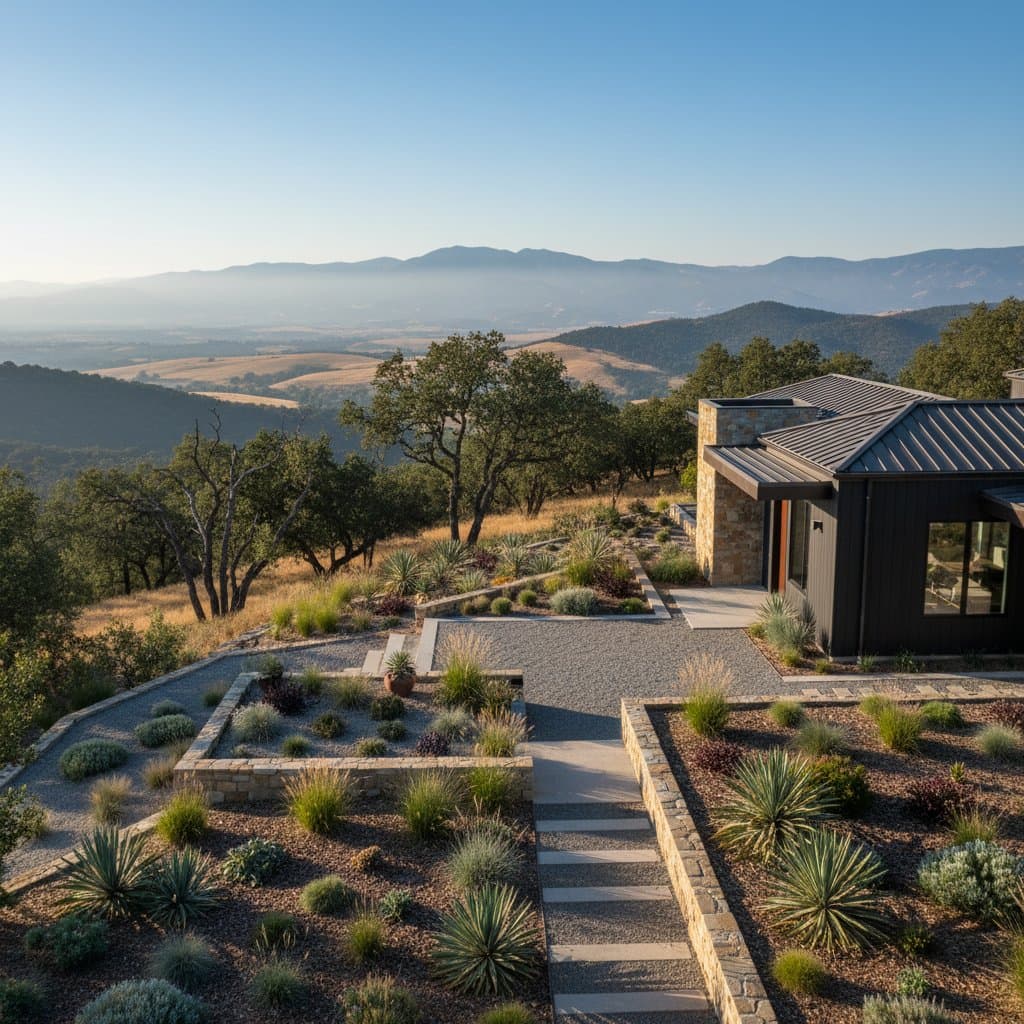
Depreciation plays a key role in long-term planning. Native plants and drought-tolerant species last 10 to 20 years with proper care, minimizing replacement needs. Durable elements such as gravel pathways, metal borders, and concrete features offer even greater longevity, often exceeding 25 years with little intervention. These choices not only cut upkeep costs but also enhance aesthetic durability.
Financing avenues include home equity loans with rates around 6 to 8 percent or targeted grants from wildfire prevention programs. Qualification often hinges on property assessments and compliance certifications. Comparing lender terms ensures the most favorable options, turning a necessary investment into a manageable one.
Decision Framework for Homeowners
Homeowners can streamline their choices by following a structured evaluation process when selecting landscaping providers and contracts. This method promotes informed decisions and minimizes regrets. Begin by gathering multiple proposals to establish benchmarks for quality and pricing.
Key evaluation criteria include:
- Transparency: Verify that contracts outline every project phase, from site assessment to final installation, along with exact material specifications.
- Coverage Scope: Confirm defined boundaries for eligible vegetation, terrain slopes up to 30 percent, and total land area, typically capped at two acres per policy.
- Pricing Structure: Determine if charges follow square footage rates (around $3 to $7 per square foot), hourly labor ( $50 to $100 per hour), or phased milestones tied to completion stages.
- Quality Standards: Ensure technicians hold certifications from organizations like the International Society of Arboriculture or local fire safety boards, guaranteeing adherence to best practices.
Request itemized estimates that delineate labor, materials, and any included maintenance periods, often spanning the first year. This breakdown reveals potential hidden costs, such as permitting fees or supplemental irrigation setups. Comparing at least three bids allows for negotiation on terms and pricing adjustments.
Incorporate site-specific factors into the framework, such as soil type and proximity to structures. A professional consultation, costing $200 to $500, can uncover customized needs that generic plans overlook. This proactive step refines the decision process and aligns investments with property realities.
Sustaining Long-Term Effectiveness
The durability of wildfire-resistant landscapes relies on diligent, ongoing maintenance practices. Homeowners who commit to routine care preserve the system's fire-defensive capabilities and extend its lifespan. Schedule pruning sessions twice yearly to remove dead branches and maintain clearance zones of at least 30 feet around buildings.
Debris clearance prevents fuel buildup, while irrigation assessments ensure plants remain hydrated without excess water waste. These actions, performed monthly during dry seasons, cost under $100 in tools and time for most properties. Tracking a simple maintenance log helps monitor progress and spot issues early.
Annual professional inspections, priced at $300 to $600, verify compliance with evolving safety standards and detect subtle problems like root erosion or pest infestations. Licensed contractors bring expertise in updating designs to match new regulations, such as expanded defensible space requirements. This oversight transforms the landscape into a dynamic barrier against threats.
View wildfire-resistant landscaping as an integrated, adaptive investment rather than a static installation. Through methodical planning, clear financial oversight, and persistent care, homeowners secure not only physical protection but also sustained economic advantages. This approach fortifies properties against 2025's intensifying wildfire challenges while enhancing overall value and peace of mind.