What Solar Warranties Actually Cover in 2025
Solar energy systems represent a significant investment for homeowners, and understanding warranty coverage becomes essential in 2025. Warranties protect against defects and failures, but coverage varies by manufacturer and provider. This article explores the specifics of solar warranties, including protections, limitations, and practical steps to maximize benefits.
Understanding Solar Warranties
Solar warranties fall into two primary categories: equipment warranties and performance warranties. Equipment warranties cover the physical components, such as panels, inverters, and mounting hardware, against manufacturing defects. Performance warranties guarantee a certain level of energy output over time, typically 25 years for panels.
In 2025, advancements in solar technology lead to extended coverage periods. Many manufacturers now offer 25- to 30-year equipment warranties, reflecting improved durability. Homeowners should review warranty documents carefully to identify the exact terms and conditions.
Key Components Covered
Solar panel warranties typically protect against material and workmanship defects. If a panel cracks due to faulty construction, the manufacturer replaces it at no cost. Coverage extends to efficiency degradation; most warranties ensure panels retain at least 80 percent of original output after 25 years.
Inverters, which convert solar energy to usable electricity, receive 10- to 12-year warranties in 2025. These protect against failures from overheating or electrical surges. Mounting systems and racking components often carry 10-year guarantees, safeguarding against weather-related damage like high winds or hail.
Battery storage systems, increasingly common in 2025, feature warranties of 10 years or more. These cover capacity retention, ensuring batteries maintain 70 percent functionality over the warranty period. Comprehensive home warranties may bundle solar coverage, providing broader protection for the entire system.
Common Exclusions in Solar Warranties
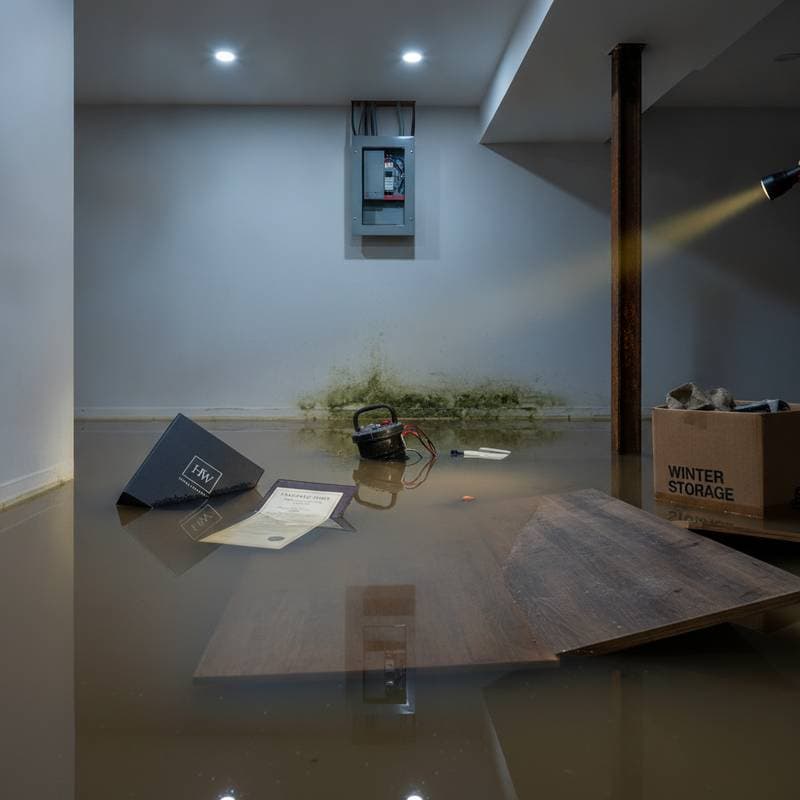
Warranties do not cover damage from improper installation or misuse. If a system fails due to unprofessional setup, the homeowner bears the repair costs. Natural disasters beyond normal wear, such as floods or earthquakes, often require separate insurance policies.
Maintenance neglect voids many warranties. For instance, failure to clean panels regularly can lead to denied claims. Aesthetic issues, like discoloration not affecting performance, receive no coverage under standard terms.
In 2025, exclusions for cyber-related risks emerge as a concern. Warranties typically omit protection against hacking or software failures in smart inverters. Homeowners must address these gaps through additional cyber insurance.
Costs Associated with Solar Warranties
Most solar warranties come included with the system purchase, requiring no extra upfront fees. However, extended warranties for inverters or batteries may cost between $200 and $500 annually. Home warranty plans that include solar coverage range from $400 to $800 per year, depending on the provider and system size.
Claim processing involves deductibles in some cases, often $100 to $300 for repairs. Replacement parts remain free under equipment warranties, but labor costs vary by location and installer. Budgeting for potential out-of-pocket expenses ensures financial preparedness.
Filing a Warranty Claim Step by Step
Start by documenting the issue with photos and detailed notes. Contact the manufacturer or warranty provider within the specified timeframe, usually 30 days of discovery. Provide purchase records, installation certificates, and maintenance logs to support the claim.
The provider assesses the system, often dispatching a technician for inspection. Approval leads to repairs or replacements within 4 to 6 weeks. If denied, appeal with additional evidence or seek third-party mediation through industry associations.
In 2025, digital portals streamline claims, allowing uploads and tracking online. Keep all communications in writing to avoid disputes. Professional assistance from certified solar technicians accelerates the process.
Maintenance Tips to Preserve Warranty Coverage
Regular inspections prevent issues and maintain warranty validity. Clean panels quarterly to remove dust and debris, using soft brushes and water. Monitor system performance via apps to detect early inefficiencies.
Schedule annual professional checkups for inverters and wiring. Secure loose mounting hardware after storms to avoid escalation. Follow manufacturer guidelines for battery charging to extend lifespan.
Document all maintenance activities in a logbook. This record proves compliance during claims. Adopting these habits not only upholds warranties but also optimizes energy production.
When to Involve Licensed Professionals
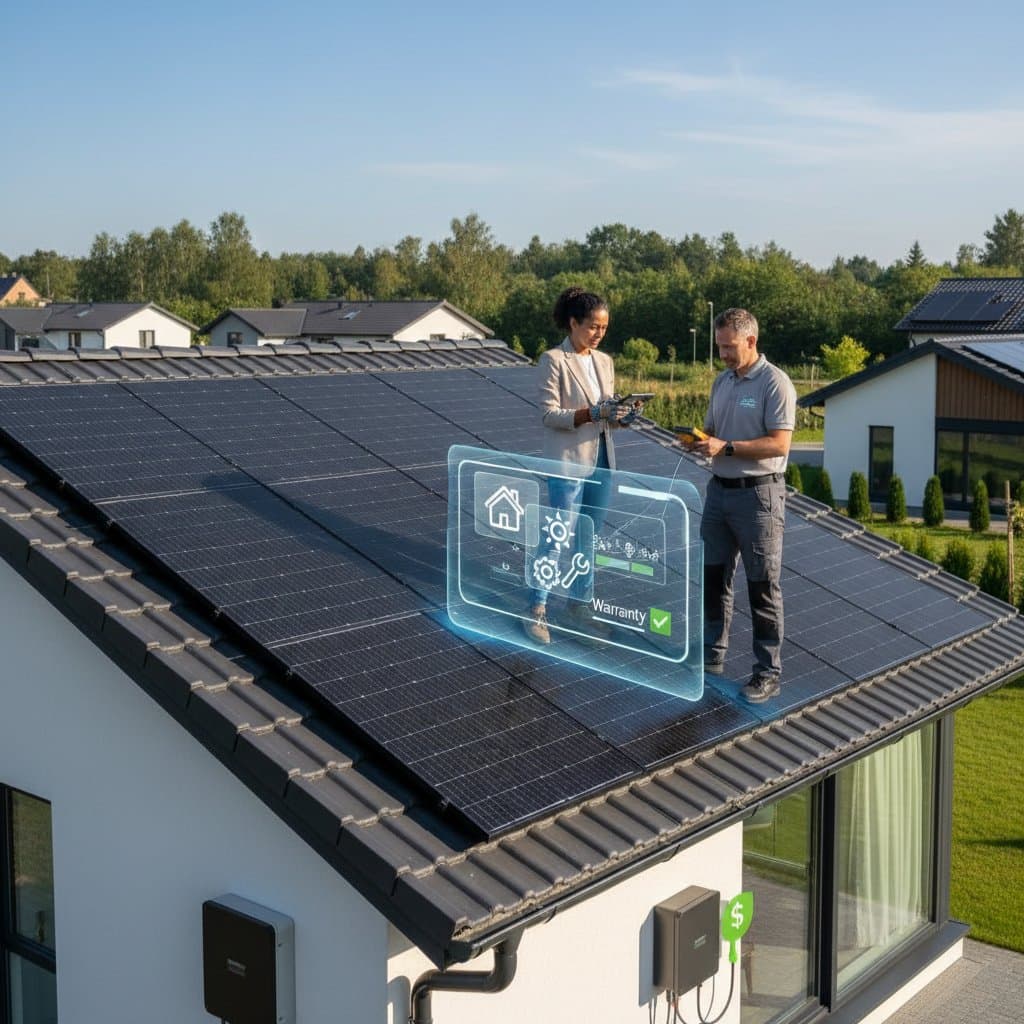
Call a licensed solar professional for any suspected defect or performance drop. They diagnose issues accurately, ensuring warranty-compliant repairs. Attempting DIY fixes risks voiding coverage.
In 2025, regulations emphasize certified installers for warranty work. Verify credentials through state licensing boards before hiring. Professionals also advise on upgrades that align with evolving warranty standards.
Safeguarding Your Solar Investment Long-Term
Selecting reputable manufacturers with strong warranty histories minimizes risks. Review third-party certifications like UL listings for quality assurance. Integrating solar into home warranties provides layered protection.
Stay informed on 2025 updates, as incentives and coverage evolve. Proper care and prompt action on issues preserve system value. Ultimately, informed homeowners enjoy reliable, cost-effective solar energy for decades.