
Articles tagged with 2026 - Page 4

ADU construction costs face a projected 35% increase by 2026 due to rising material prices, labor shortages, and updated building codes. Prospective builders should prioritize zoning checks, accurate budgeting, and timely permitting to mitigate expenses and capitalize on current market conditions.
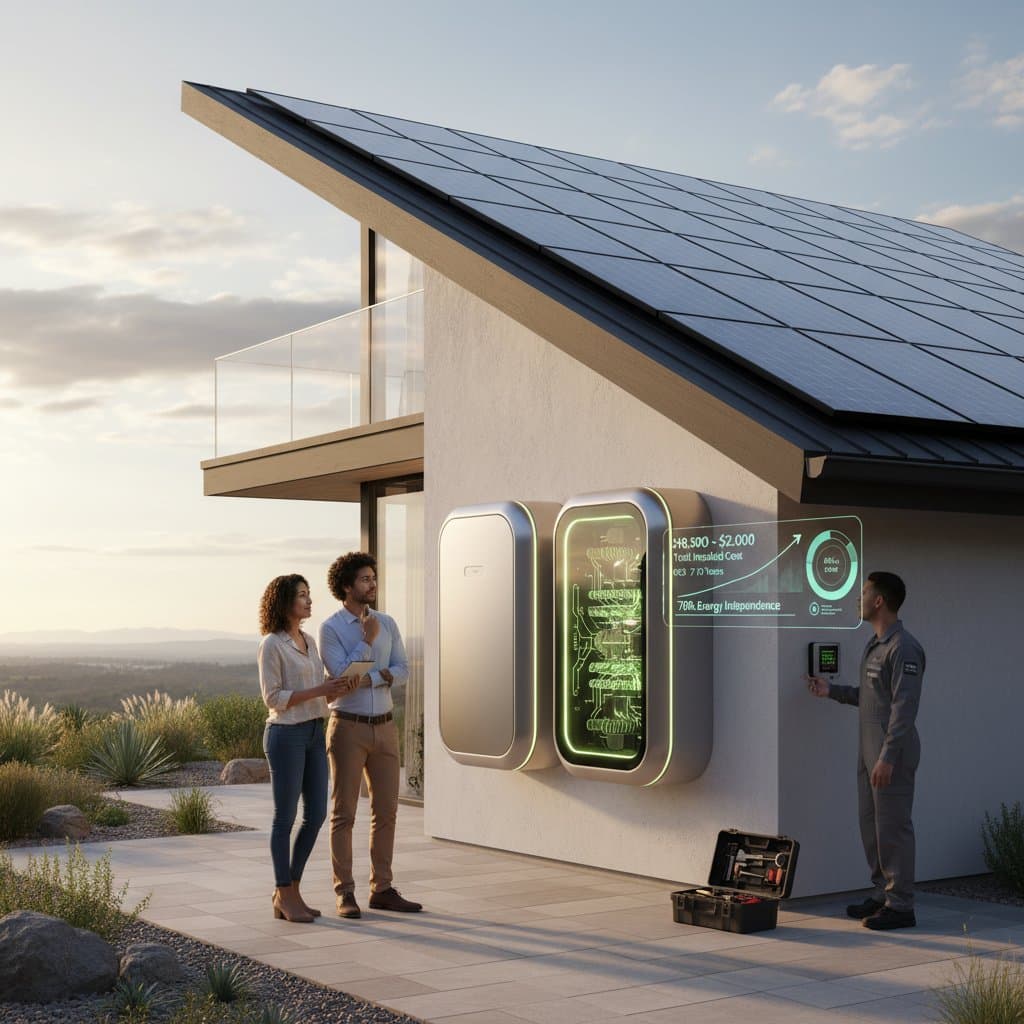
Uncover the projected 2026 expenses for solar and battery systems. This analysis details pricing drivers, installation influences on budgets, and conditions under which the investment proves worthwhile. Homeowners gain insights into averages, DIY challenges, permits, and upkeep to plan effectively, reduce expenses, and secure energy autonomy.
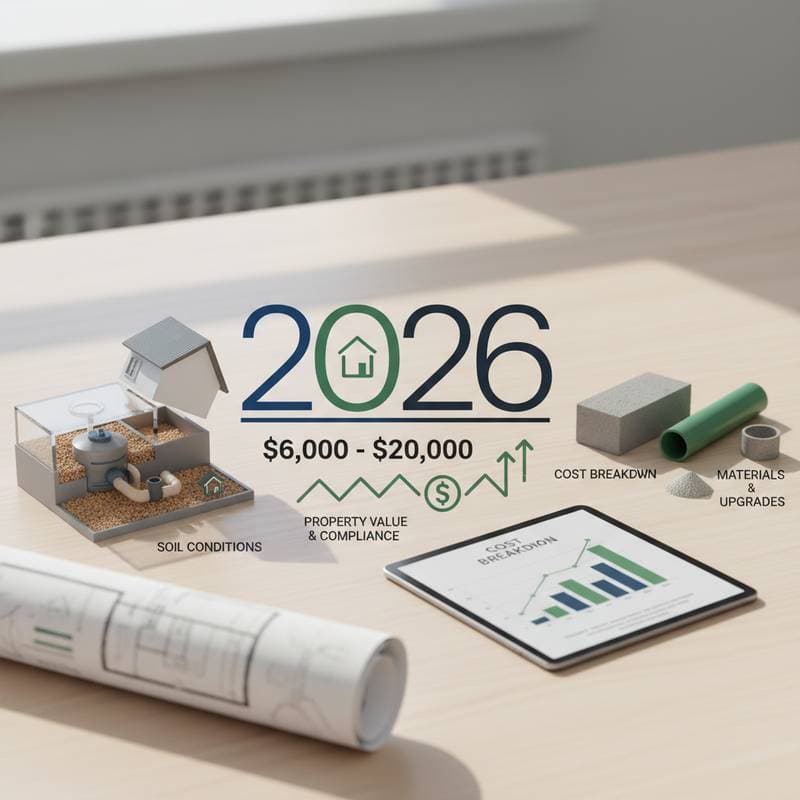
Septic system replacement in 2026 averages $12,500, with costs from $6,000 to $20,000 based on size, soil, and materials. This guide details pricing breakdowns, professional vs. DIY options, savings strategies, and maintenance for reliable performance and increased home value.
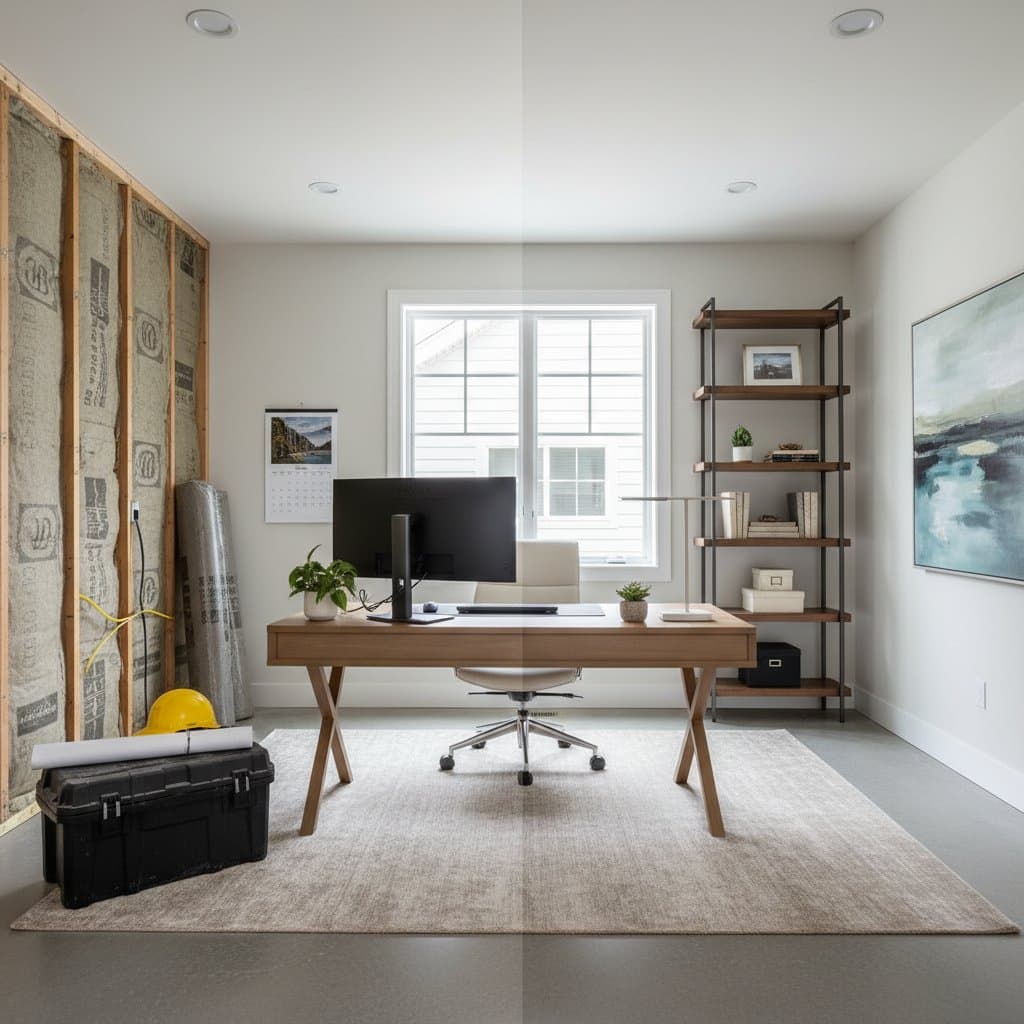
Converting unused spaces into home offices in 2026 typically costs $4,000 to $20,000 and requires 1 to 6 weeks. Address essentials like insulation, lighting, ergonomics, and permits to create a productive environment that enhances comfort and boosts resale potential. This guide covers cost influences, DIY strategies, timelines, and return on investment.
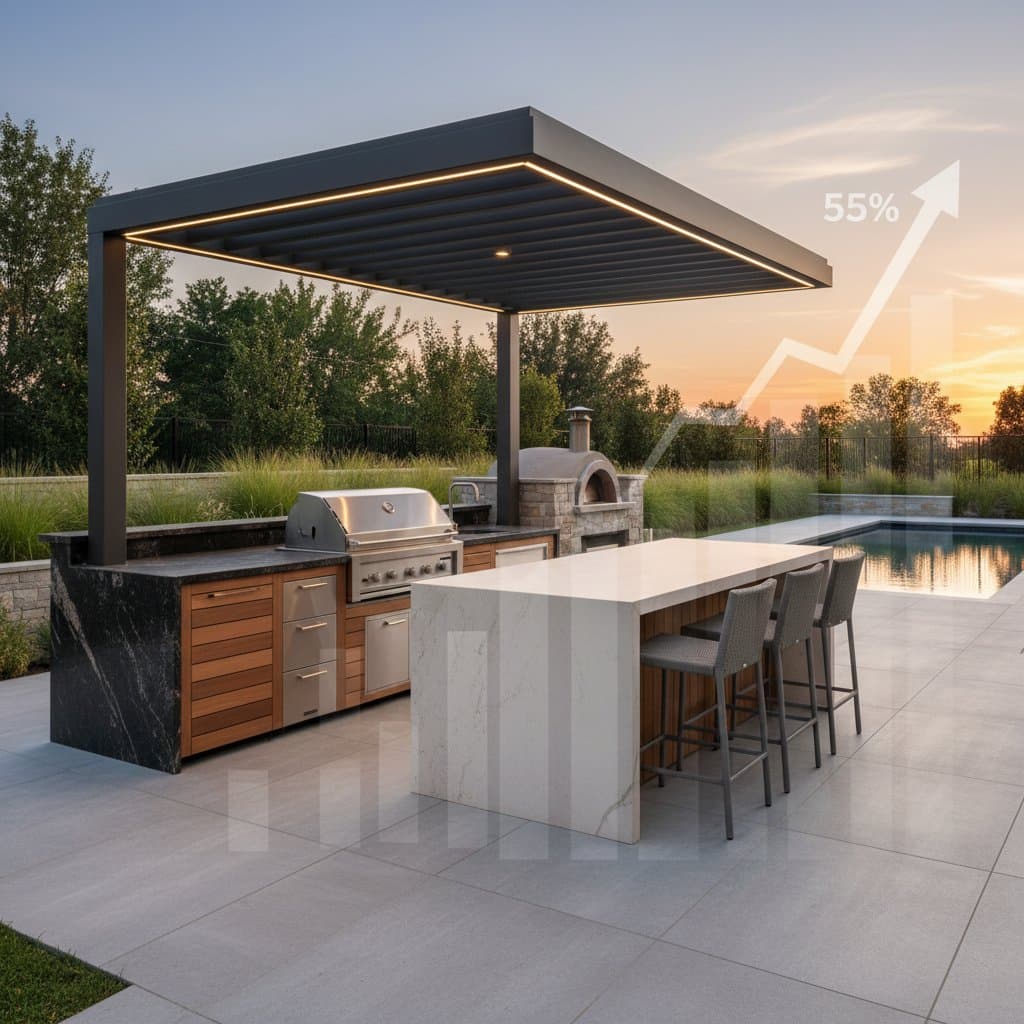
A 55% surge in outdoor kitchen costs looms by 2026, fueled by escalating material prices and labor shortages. This guide details the key influences, current pricing breakdowns, and expert tips for budgeting effectively while ensuring durability and style in your outdoor space.
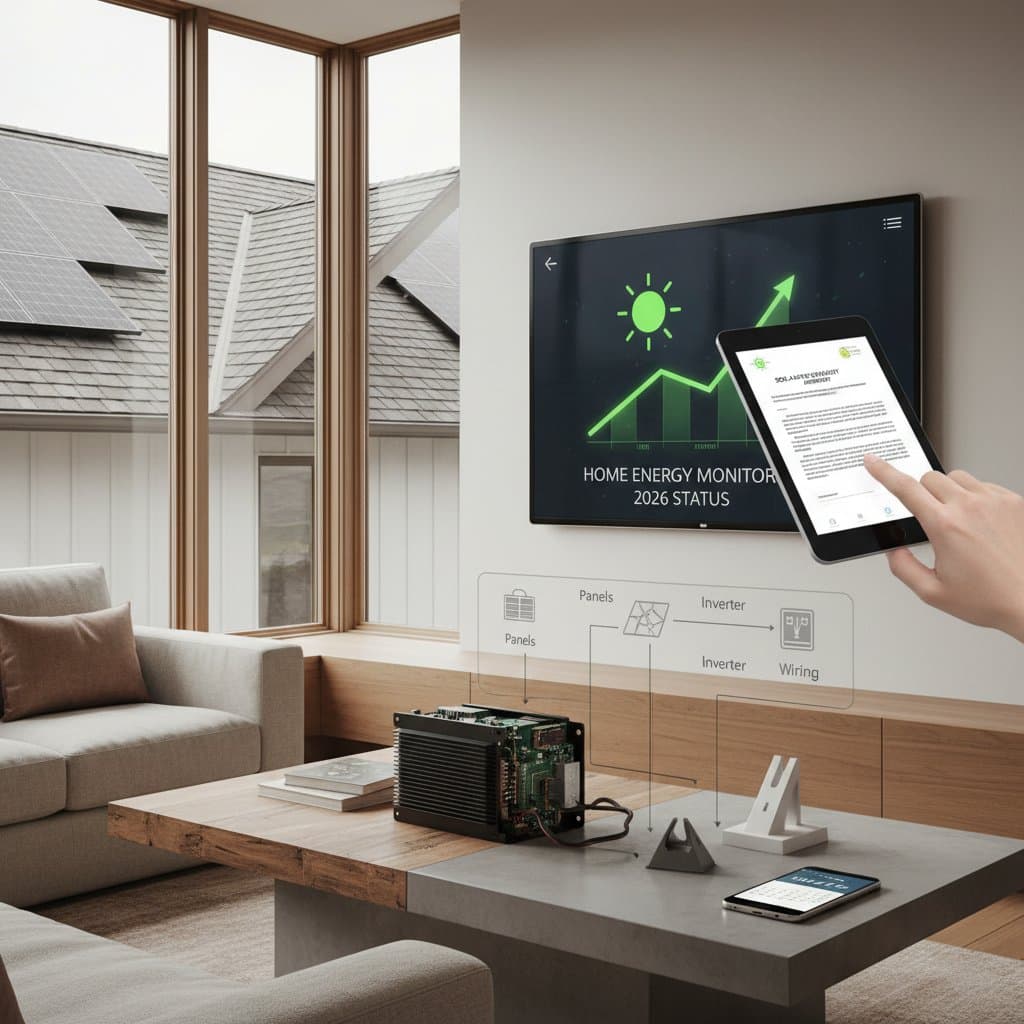
Home warranties for solar systems offer vital protection against repair costs, yet details differ by provider. This guide details covered elements like inverters and mounts, common exclusions such as weather damage or batteries, plus pricing, claims guidance, and upkeep strategies to ensure your solar setup remains efficient and protected into 2026.
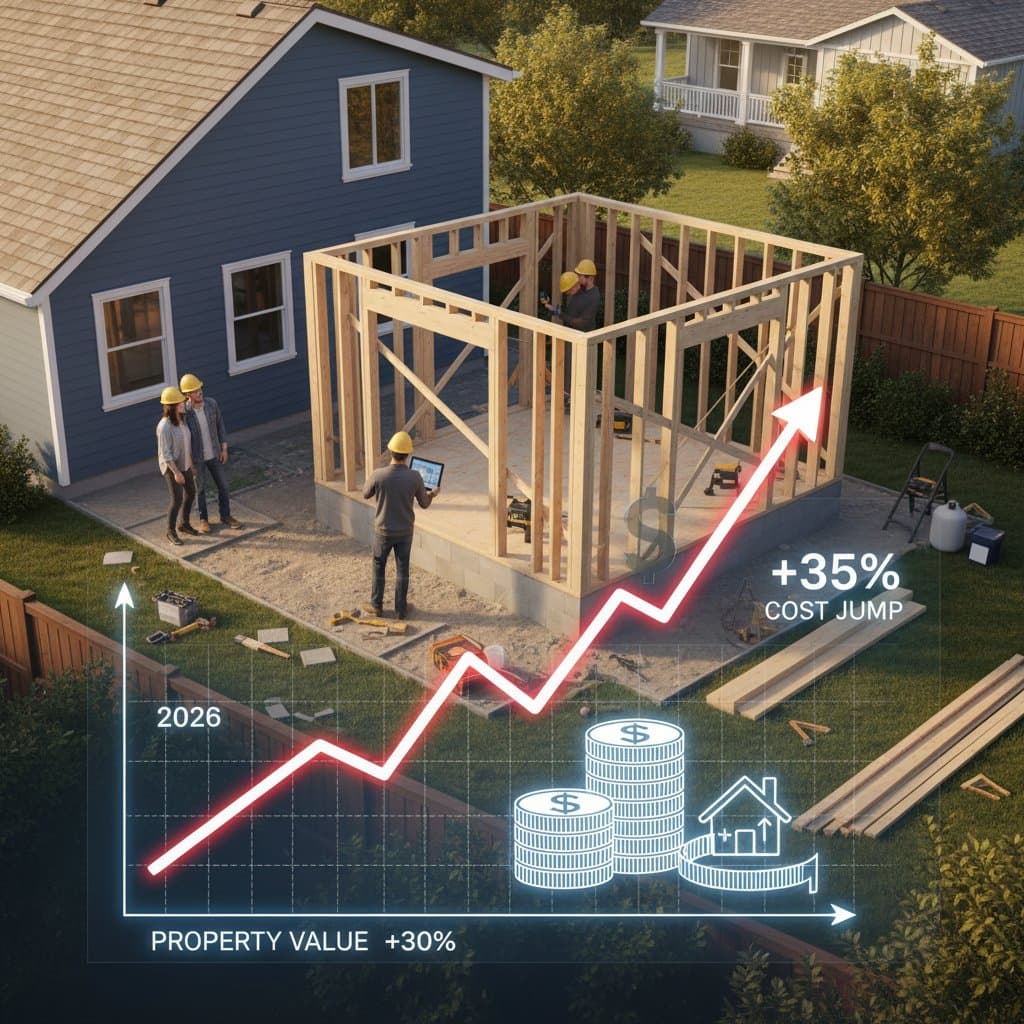
ADU construction costs are set to increase by 35% by 2026 due to rising material prices, labor shortages, and permitting challenges. Current ranges fall between $150,000 and $450,000, with the average at $275,000 for a complete unit. Begin planning immediately to capture savings, elevate property values by 20 to 30%, and capitalize on one of the top returns in residential upgrades.
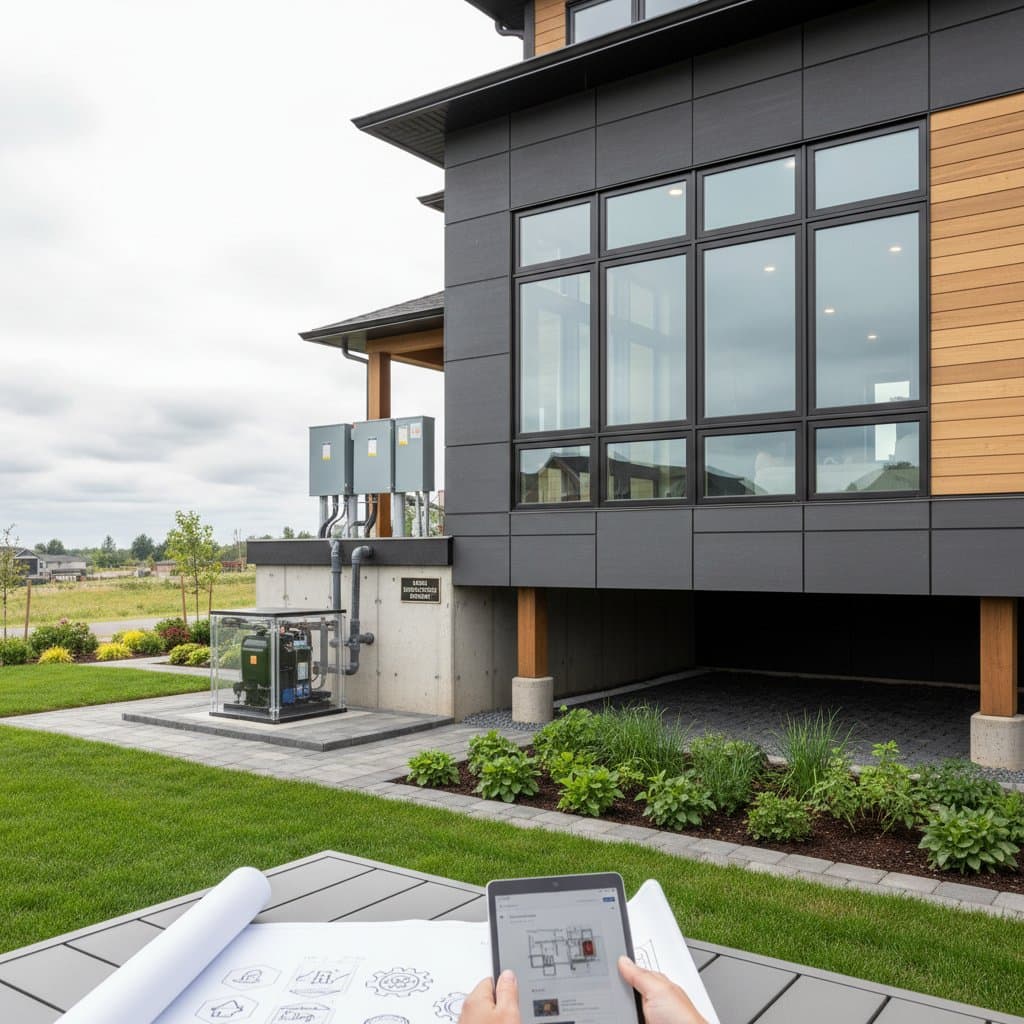
Safeguard your property against floods with proven 2026 strategies. This guide details elevating utilities, optimizing drainage, deploying smart pumps, and selecting durable materials, complete with cost breakdowns, installation steps, and expert advice for resilient living.
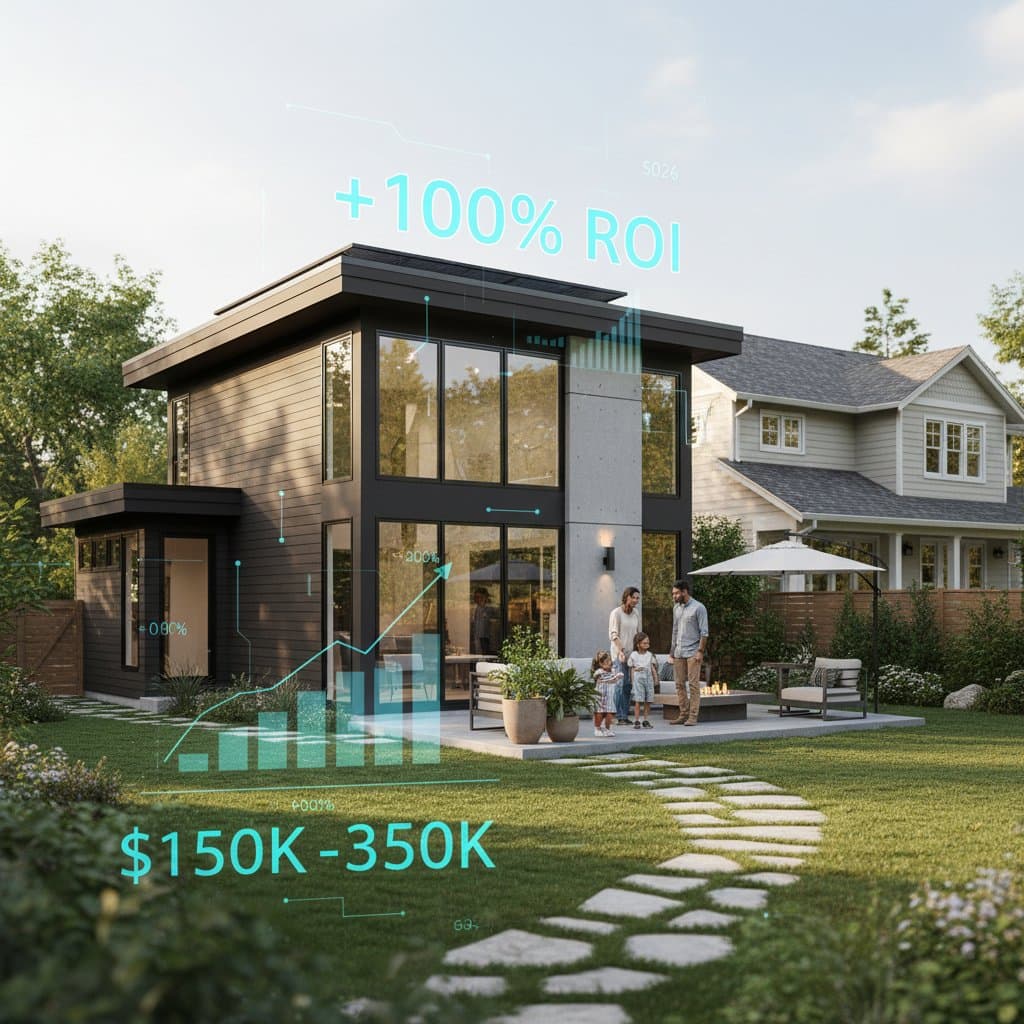
In 2026, constructing an accessory dwelling unit (ADU) typically costs between $150,000 and $350,000, offering a potential return on investment of 50 to 100 percent via increased property value or rental revenue. This guide examines how design decisions, site specifics, and budgeting practices impact expenses, project timelines, and financial outcomes. Explore ADU types to determine the best option for your property, ensuring maximum long-term value and lifestyle benefits.

By 2026, luxury vinyl plank (LVP) stands out as an economical, water-resistant flooring solution, whereas hardwood offers exceptional durability and boosts home equity. LVP ideal for fast setups in damp areas; hardwood benefits owners planning extended stays. Analyze comprehensive costs, from materials to upkeep, to select the flooring that matches your priorities and finances.
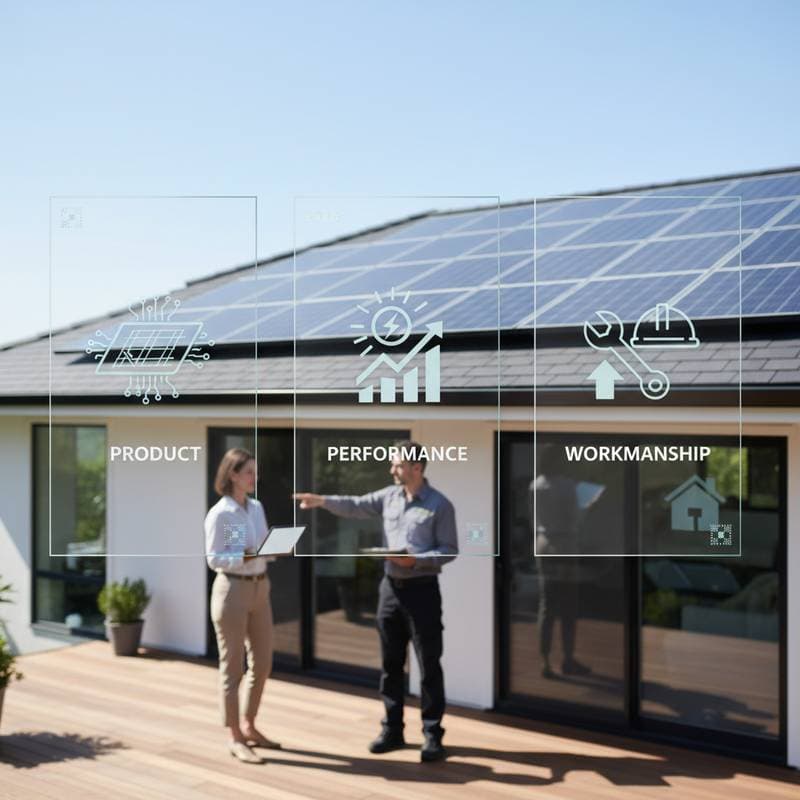
The 2026 solar warranty regulations transform homeowner protections by delineating product, performance, and workmanship guarantees. Explore their effects on reliability, streamlined claims, and cost management, plus tips for documentation, upkeep, and contractor choices to optimize your solar system's durability.
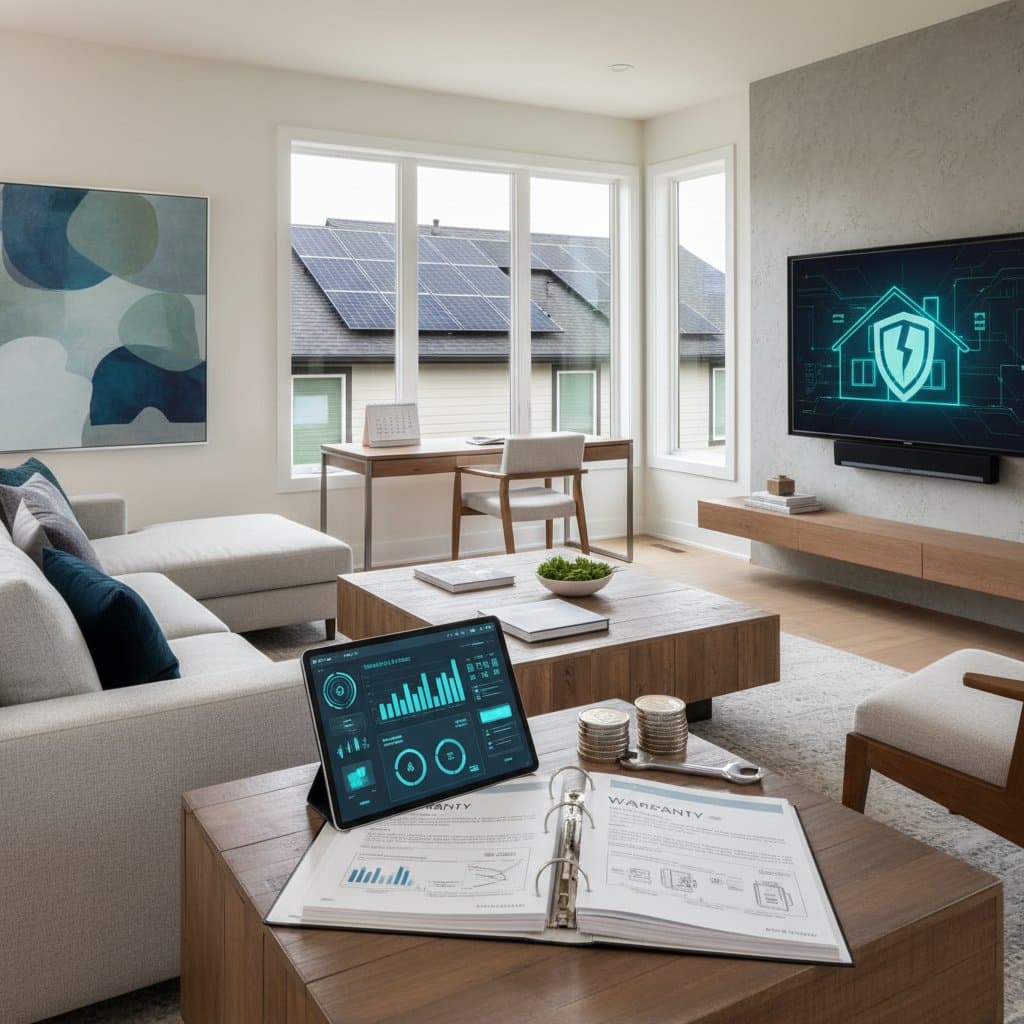
In 2026, standard home warranties provide scant coverage for solar panels, often necessitating add-ons for key parts like inverters. Factors such as system ownership, provider rules, and manufacturer protections shape options. Homeowners gain from clarifying these to manage expenses, upkeep, and risks effectively for lasting solar benefits.
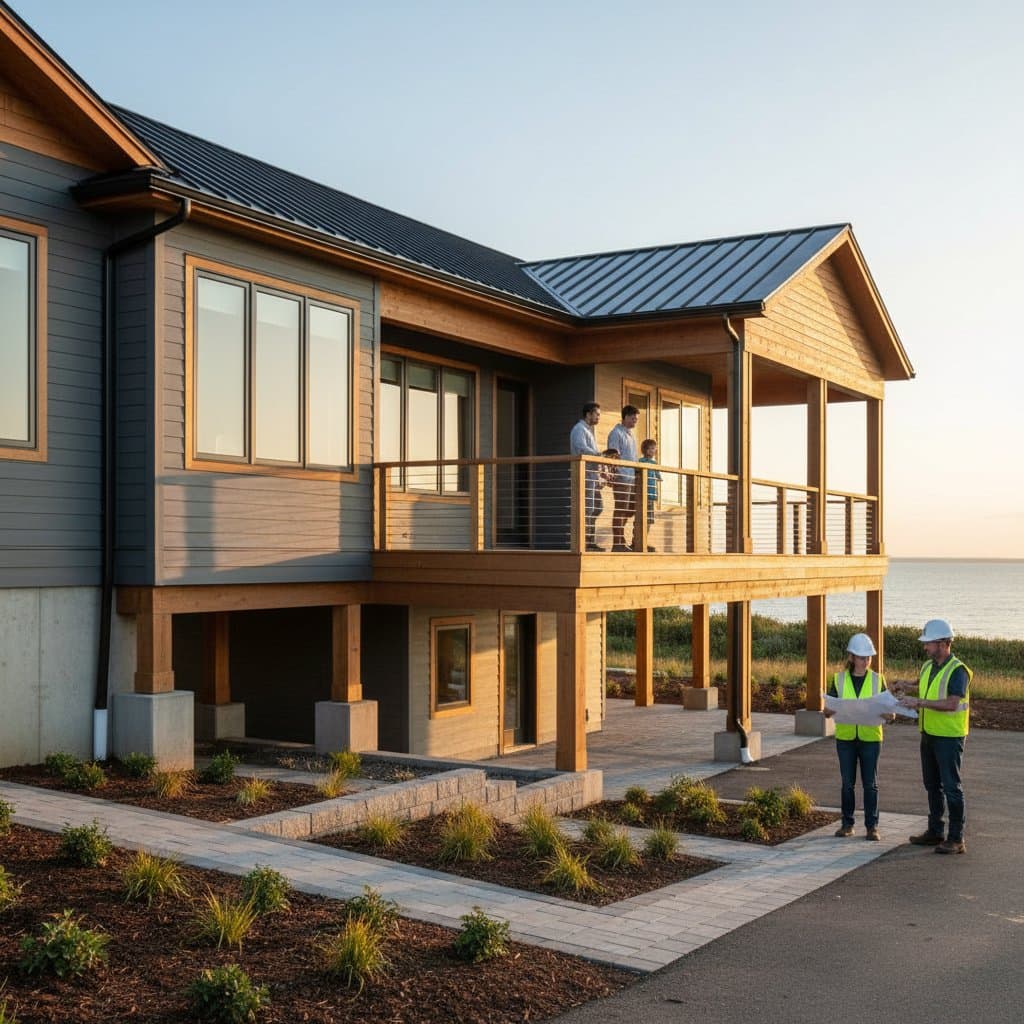
The 2026 building code revisions establish elevated standards for flood resistance by mandating raised foundations, enhanced drainage systems, and resilient building materials. Although initial implementation involves additional expenses, these measures significantly decrease future repair costs and insurance liabilities. Property owners, construction professionals, and regulatory officials should begin preparations immediately to comply with these rigorous requirements and protect communities from escalating flood dangers.
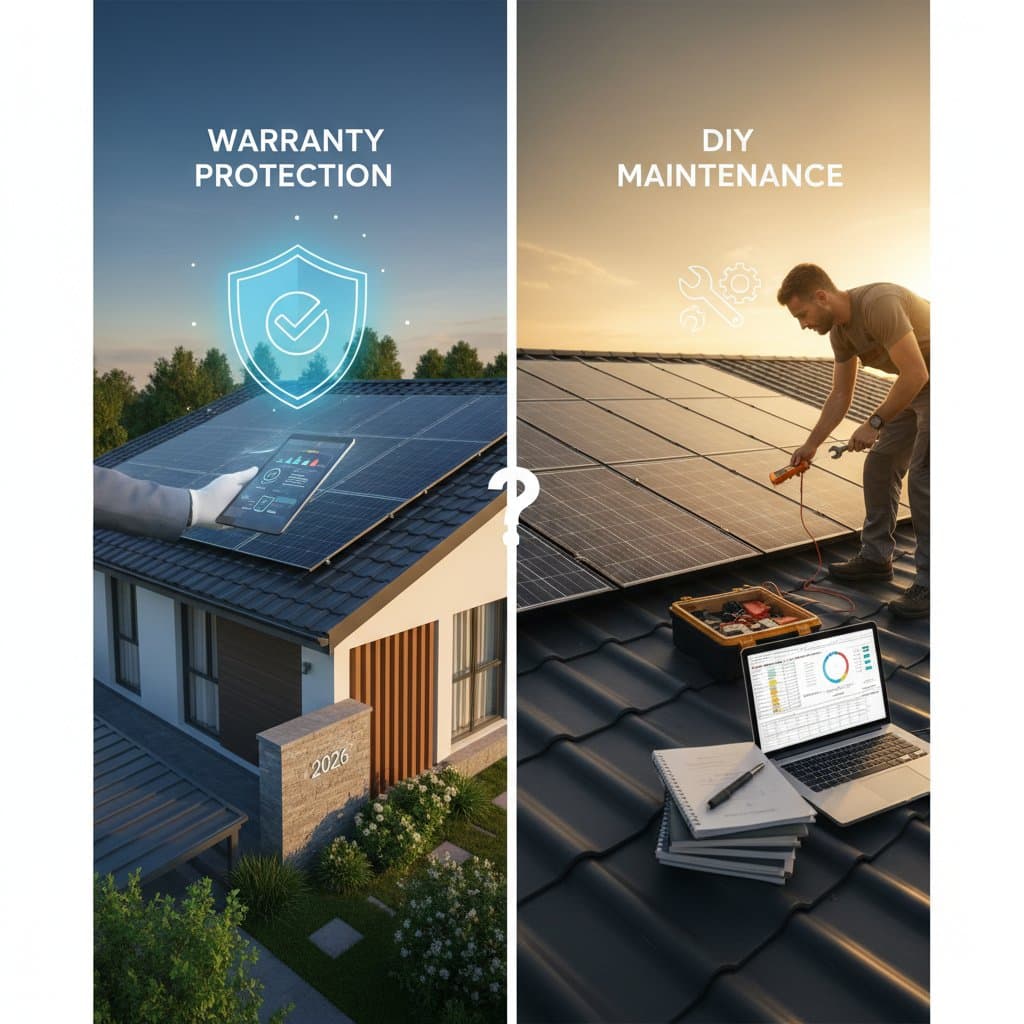
As solar adoption grows in 2026, homeowners must choose between warranty coverage and DIY maintenance to manage costs effectively. This decision influences not only immediate expenses but also the reliability and profitability of the system over decades. Explore the trade-offs in coverage, expenses, and practical steps to select the approach that aligns with your financial goals and comfort level.
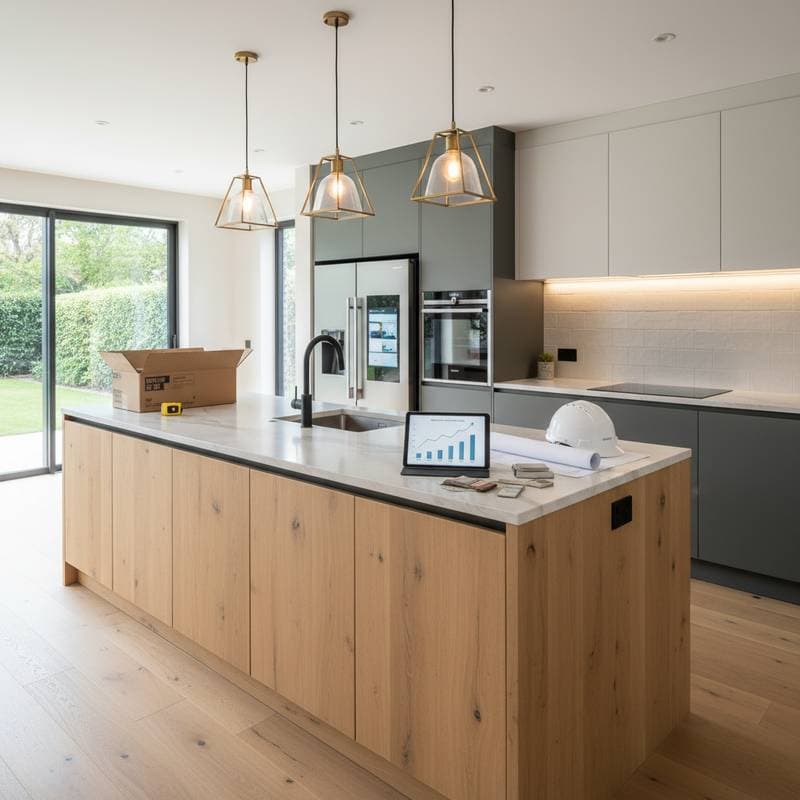
In 2026, a kitchen island enhances aesthetics and utility, yet strategic choices dictate its return. Ranging from $1,200 to $18,000 with 60-75% ROI, focus on materials, labor, and features to balance expense and benefit. This guide covers budgeting, DIY versus professional options, and ways to amplify functionality affordably.
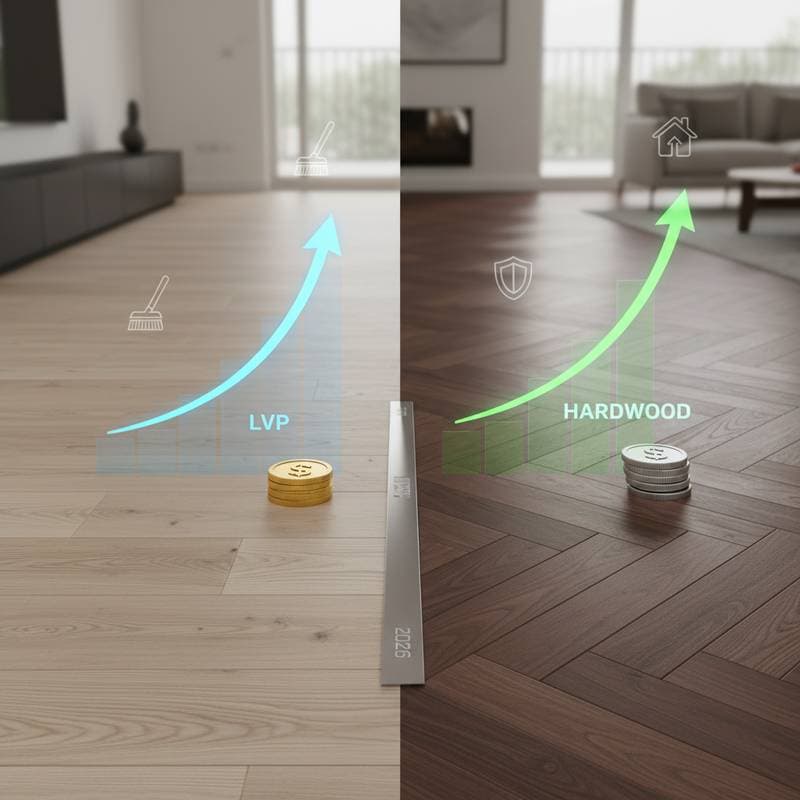
Luxury vinyl plank and hardwood flooring enter a detailed cost comparison through 2026, extending far beyond initial prices. This examination covers installation, maintenance, durability, and resale value, enabling homeowners to determine which option provides superior long-term savings, aesthetics, and functionality. Identify the flooring solution that matches your budget, daily routines, and real estate objectives.

Understand the limitations of sump pump warranties in 2024. This guide covers coverage details, installation expenses, maintenance requirements, and gaps in flood protection to help safeguard your basement and finances effectively.
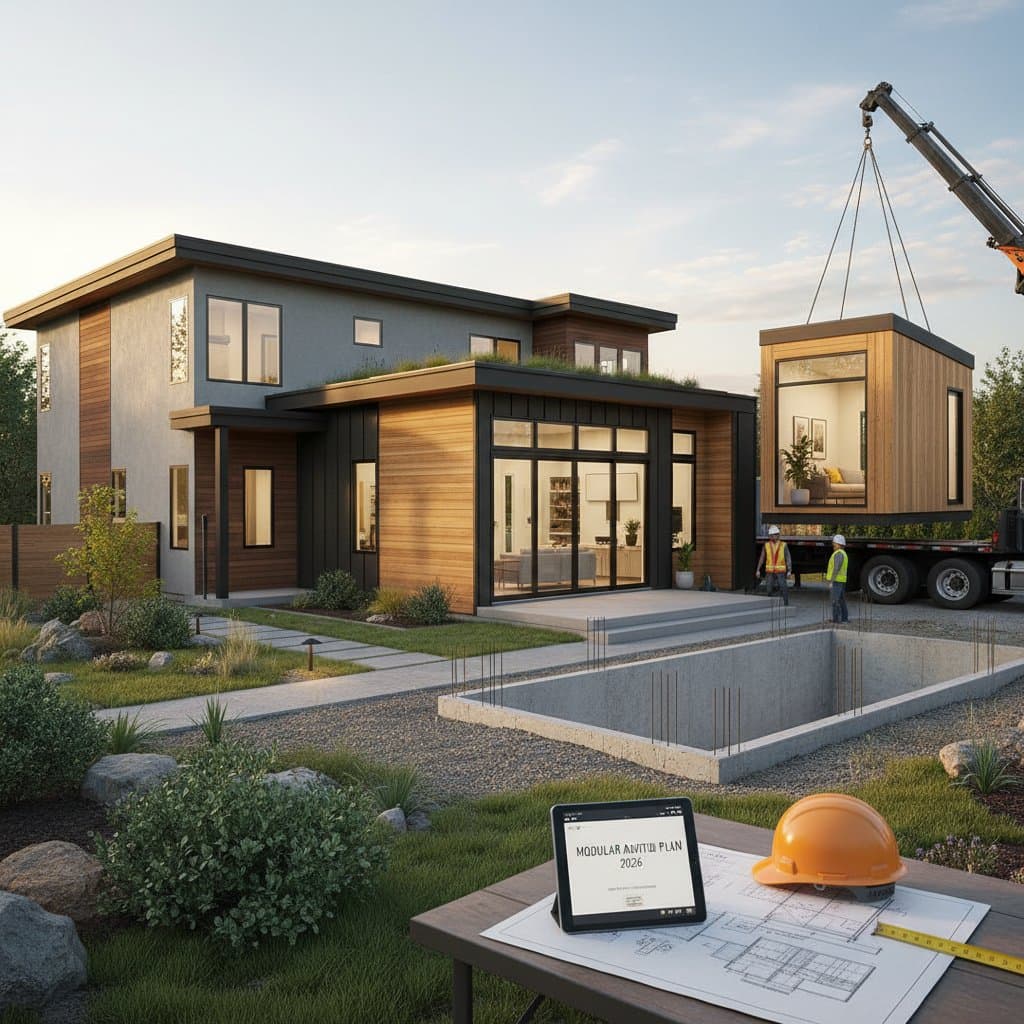
Learn how modular additions provide quicker, more cost-effective home expansions than site-built options. This guide covers pricing details, essential planning steps, advantages and drawbacks, builder selection tips, and strategies for maintenance to ensure smooth integration and long-term benefits.

While 2026 home warranties provide essential safeguards, hidden fees like service charges and add-ons can significantly increase expenses. This overview reveals these pitfalls, offers contract review techniques, and advises on budget-friendly choices to ensure effective protection.
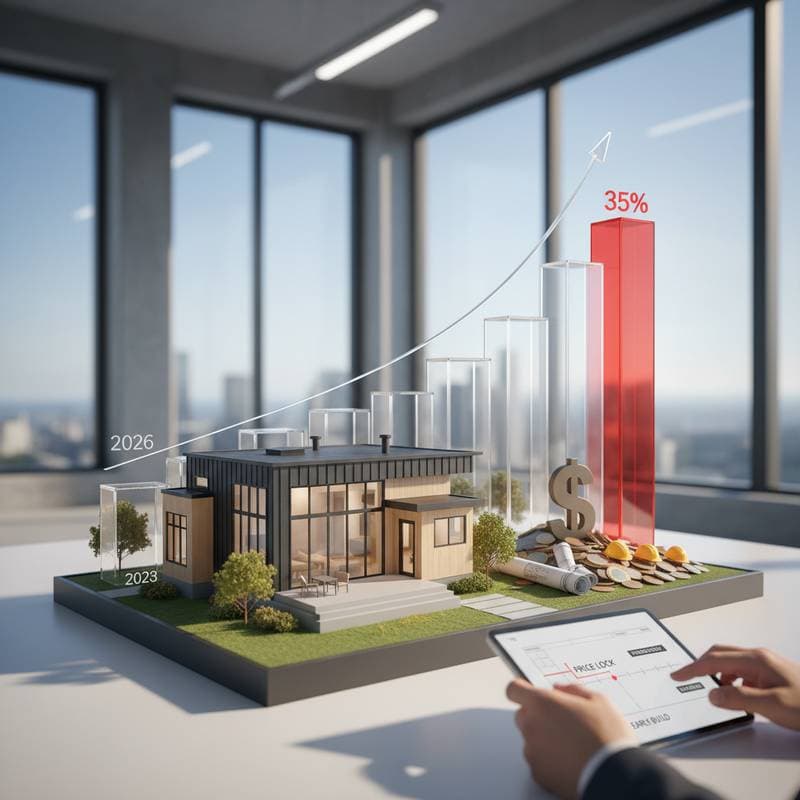
With ADU costs expected to climb 35% by 2026 due to material hikes, labor issues, and code changes, strategic planning is essential. This guide covers key influences, cost-control methods, and decisions like DIY versus pro builds to help you proceed efficiently.