Budgeting for Multigenerational Renovations in 2025
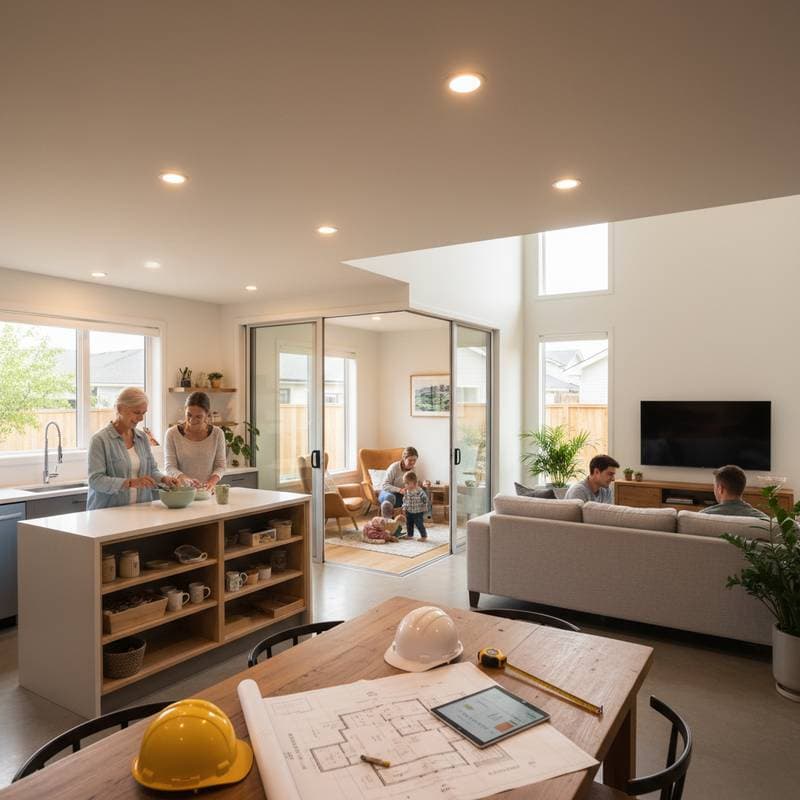
Designing a residence that accommodates multiple generations promotes enhanced comfort, reduces overall housing expenses, and fosters deeper family bonds. Projects such as developing a basement suite, repurposing an attic, or constructing a detached accessory dwelling unit require meticulous financial planning to maintain feasibility and minimize disruptions during the building phase.
Quick reference: Allocate between $90,000 and $280,000 for a comprehensive multigenerational renovation, with variations based on the project's dimensions, structural modifications, and finishing elements. Strategic budgeting ensures the endeavor remains controlled and optimizes future property appreciation.
Evaluating Primary Renovation Approaches
Selecting the appropriate renovation method depends on available space, desired integration level, and long-term objectives. The following table outlines key options to inform your decision.
| Option | Description | Pros | Cons | Typical Cost Range |
|---|---|---|---|---|
| Basement or Attic Conversion | Utilizes existing building envelope | Cost-effective; leverages current infrastructure | Potential constraints on light and headroom | $60,000–$120,000 |
| Addition to Main Structure | Increases overall square footage | Tailored design; seamless accessibility features | Involves complex integrations and approvals | $120,000–$220,000 |
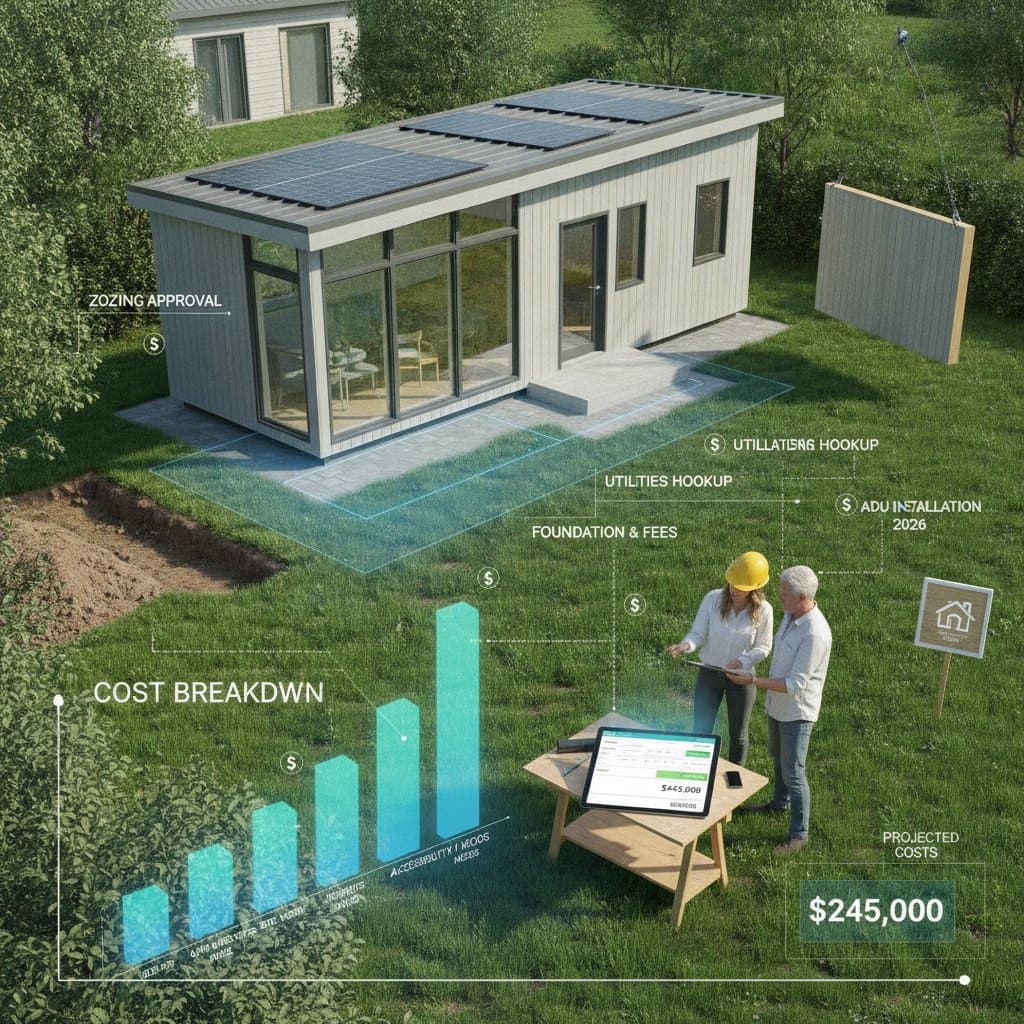
| Detached ADU or Granny Flat | Independent auxiliary structure | Offers seclusion; supports income generation | Demands new utilities and site preparation | $150,000–$280,000 |
Selection guidance:
Opt for a conversion when underutilized areas exist with stable foundations. Select an addition to facilitate interconnected living spaces. Pursue a detached ADU to prioritize independence or potential revenue streams.
To refine your choice, assess site surveys for structural integrity and consult zoning regulations early. This step prevents costly redesigns and aligns the project with family needs, such as proximity for caregiving or separate entrances for autonomy.
Project Timeline and Phased Execution
Multigenerational projects demand extended durations owing to regulatory approvals, subcontractor scheduling, and compliance verifications. Establishing a detailed timeline sets realistic expectations and coordinates family activities during construction.
Standard project phases:
-
Planning and Design Phase: Dedicate 4 to 10 weeks to develop floor plans, secure permits, and obtain contractor quotations. Engage an architect specializing in adaptive designs to incorporate features like universal accessibility.
-
Site Preparation Phase: Allow 1 to 3 weeks for clearing debris, excavating, or leveling the ground. This stage addresses unforeseen soil conditions that could impact foundations.
-
Structural Fabrication Phase: Plan for 4 to 8 weeks to erect framing, install roofing, and complete exterior enclosures. Weatherproofing during this period protects interior work from elements.
-
Utility Installation Phase: Reserve 2 to 4 weeks for routing plumbing lines, wiring electrical systems, and integrating heating, ventilation, and air conditioning units. Prioritize energy-efficient setups to lower operational costs.
-
Enclosure and Finishing Phase: Allocate 2 to 3 weeks for applying insulation and installing drywall. These elements enhance thermal performance and soundproofing between living areas.
-
Interior Completion Phase: Budget 3 to 6 weeks for laying flooring, assembling cabinetry, and applying surface treatments. Select durable, low-maintenance materials suited to high-traffic family environments.
-
Final Review Phase: Schedule 1 to 2 weeks for inspections, corrections, and occupancy certification. Address any code discrepancies promptly to avoid delays.
Overall, anticipate 4 to 8 months for completion, with extensions possible for standalone structures or extensive utility extensions. Buffer time for seasonal factors, such as rainy periods that hinder outdoor tasks.
Essential Materials and Equipment Inventory
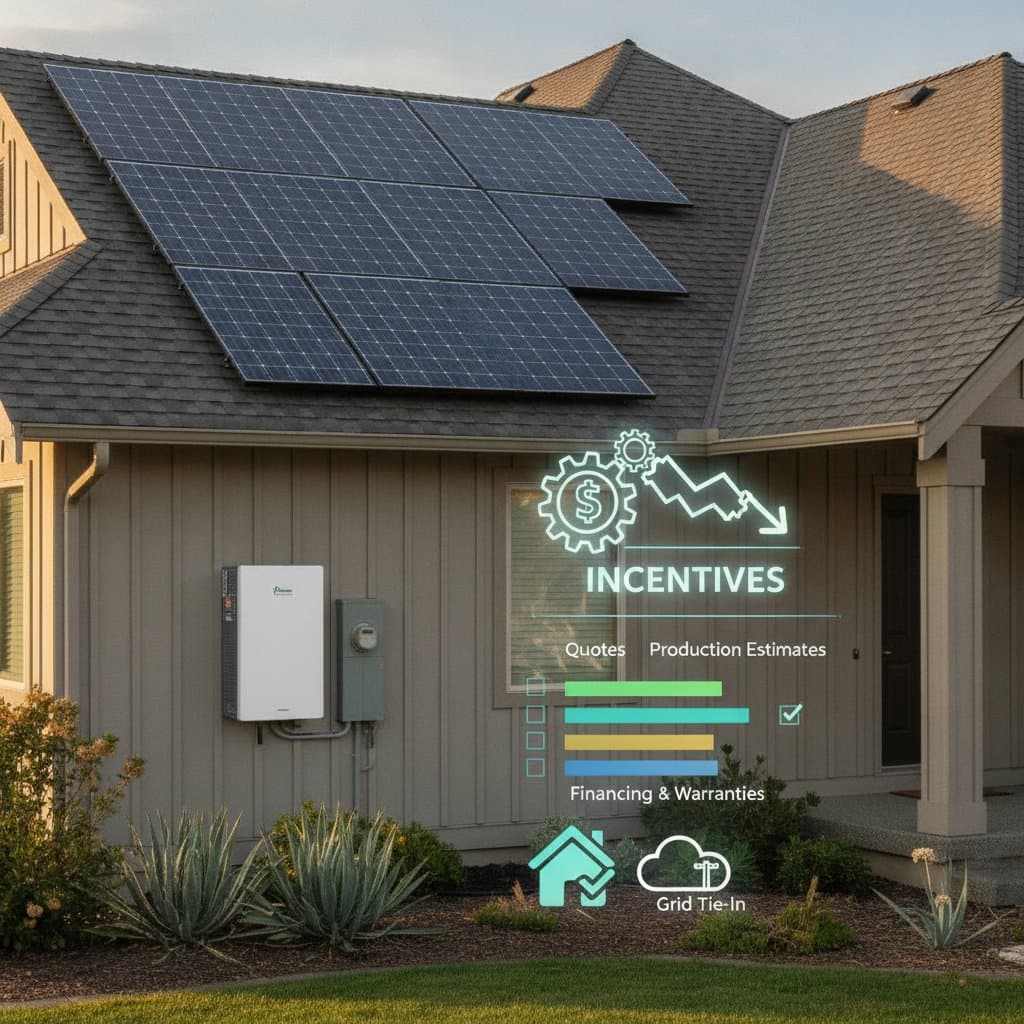
Sourcing quality materials ensures durability and compliance with building standards. Focus on sustainable options to reduce environmental impact and qualify for potential incentives.
Key materials list:
- Framing lumber in 2x4 or 2x6 dimensions for robust support.
- Insulation materials achieving R-13 to R-21 values for energy efficiency.
- Half-inch drywall sheets for interior walls and ceilings.
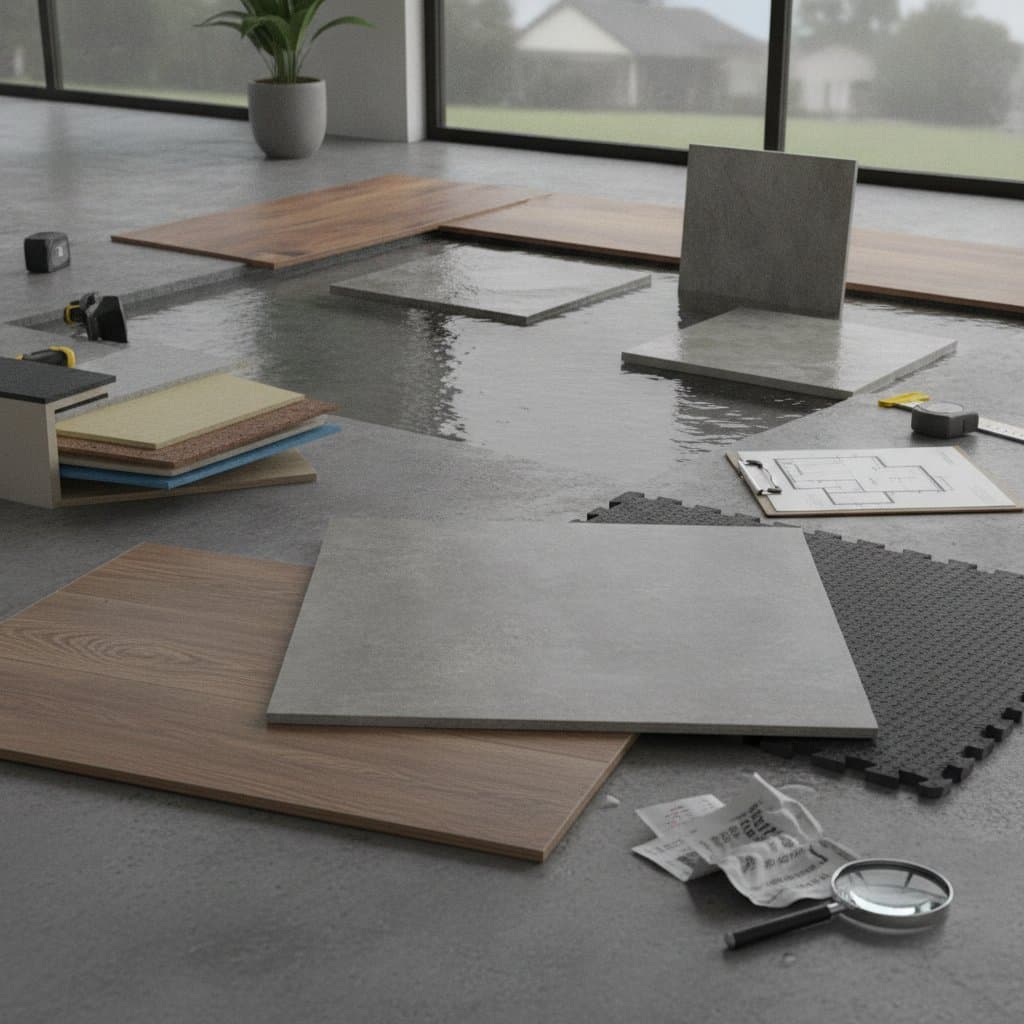
- Vinyl plank or engineered hardwood flooring for resilient, easy-care surfaces.
- Fixtures compliant with Americans with Disabilities Act standards, where applicable.
- Water-conserving faucets and energy-efficient LED illumination systems.
- Matching exterior cladding, such as siding or stucco, to preserve aesthetic continuity.
Fundamental tools inventory:
- Precision tape measure and bubble level for accurate alignments.
- Cordless drill and impact driver for secure fastenings.
- Circular saw for clean cuts in lumber and panels.
- Electronic stud finder to locate hidden supports.
- Rollers and brushes for efficient painting applications.
- Protective equipment, including gloves, safety goggles, and respiratory masks.
For extensive tasks, consider renting specialized items like a miter saw station, ceramic tile cutter, or mechanical drywall hoist. These tools enhance precision and reduce physical demands, particularly for DIY elements.
Incorporate smart home integrations, such as automated lighting or voice-activated controls, during the planning stage. These additions improve usability for all ages without significantly inflating costs.
Adapting to Regional and Environmental Factors
Local conditions shape both the project's design and budget allocation. In colder climates, emphasize advanced insulation and supplemental heating solutions to maintain warmth. Warmer, humid regions benefit from strategic shading, robust ventilation, and vapor barriers to combat moisture buildup.
Communities with rigorous zoning laws or risks like wildfires impose requirements for increased setbacks, flame-resistant materials, or cleared perimeters around auxiliary buildings. Contact your municipal building authority at the outset to navigate these stipulations.
In areas with elevated labor rates, explore prefabricated ADU components or modular construction techniques. These methods streamline assembly, minimize on-site waste, and adhere to safety codes while accelerating timelines.
Evaluate insurance implications as well; enhanced structures may alter coverage needs. Consult providers to adjust policies for construction phases and completed additions.
Frequently Asked Questions
How should one differentiate between an addition and a detached ADU?
An addition suits scenarios requiring communal access and integrated amenities. A detached ADU excels in providing distinct privacy or opportunities for leasing.
Is financing available for multigenerational renovations?
Affirmative. Explore home equity lines of credit, refinance options with cash extraction, or specialized improvement loans. Evaluate interest rates and associated closing costs across providers.
Does this type of renovation affect property taxes?
Typically, it does. Increases in livable area or new constructions prompt property reevaluations. Request preliminary assessments from your county tax office.
Is a dedicated utility meter necessary?
Requirements vary by jurisdiction. Separate metering applies to income-producing units, whereas shared systems suffice for familial arrangements. Verify with local utilities.
Which accessibility modifications merit inclusion?
Incorporate threshold-free entrances, doorways at least 32 inches wide, lever-style hardware, and barrier-free shower enclosures. These enhancements promote safety and inclusivity across generations.
Steps to Launch Your Renovation
Initiate the process by defining precise objectives and establishing a comprehensive budget. Solicit at least three itemized proposals from certified contractors, incorporating a 10 to 15 percent reserve for unanticipated expenses. Determine in advance which phases you will undertake personally and those requiring expert intervention.
This investment in a multigenerational home yields lasting adaptability for evolving family dynamics. Through diligent preparation, adherence to regulations, and emphasis on quality, the renovation transforms into a seamless extension of your living environment, supporting well-being for years ahead.