How Much Does a Whole Home Generator Cost in 2026?
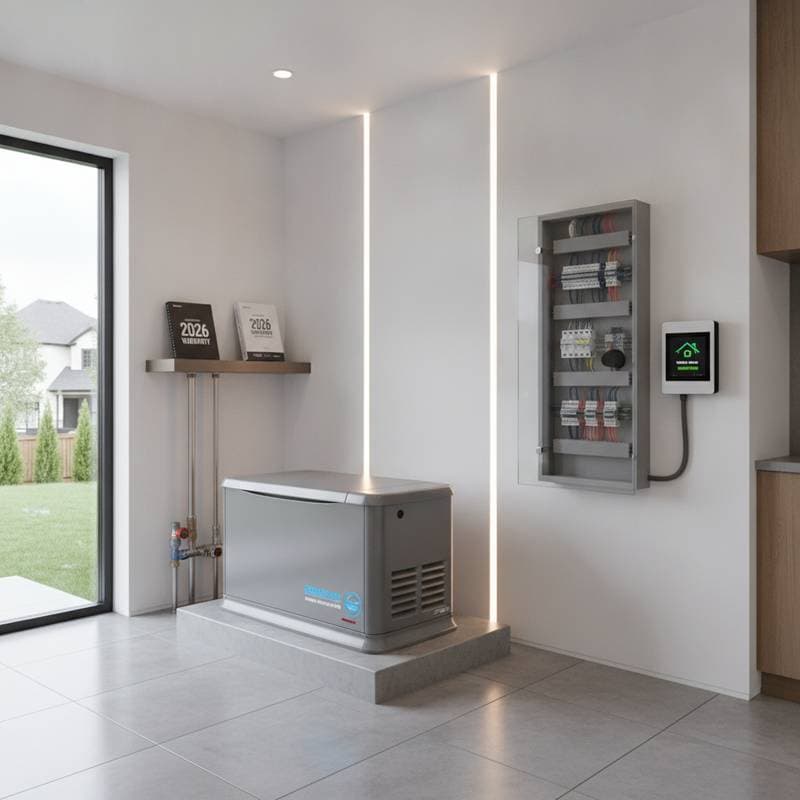
Whole home generators deliver uninterrupted power for essential systems during outages. Professional installation typically ranges from $6,500 to $16,000, with most homeowners paying about $10,800 for equipment, labor, and electrical integration. Capacity, fuel source, and site conditions drive the final price. A correctly sized unit supports full household loads, including heating, cooling, and critical appliances.
Cost Components and Averages
Equipment and installation together determine total expense. Units rated 14 to 26 kilowatts cover most homes. The average cost per kilowatt falls between $400 and $700. A 14-kilowatt system usually totals $6,500 to $8,000, while units above 24 kilowatts reach $16,000 or higher. Labor minimums average $1,800 and cover permitting, pad work, and fuel connections.
Homeowners in the lowest quartile spend under $8,000. The median outlay sits near $10,800. The top quartile exceeds $13,500. Regional labor rates and fuel availability create 20 to 30 percent price swings.
Capacity and Sizing Decisions
Each additional 2 kilowatts adds roughly $900 to $1,400. A 16-kilowatt Generac model in a typical suburban home costs about $9,200. A 26-kilowatt Kohler unit on a larger property approaches $15,800. Industry guidance calls for peak load plus a 20 percent reserve. Oversized units raise expense without extending service life. Undersized units risk overload and premature wear.
Equipment Tiers and Features
Entry-level models from Champion or Briggs & Stratton start at $6,500 to $7,500 installed. These carry five-year warranties and basic weatherproofing. Mid-tier options such as an 18-kilowatt Generac or 20-kilowatt Kohler fall between $9,000 and $11,500. They add quieter operation and seven- to ten-year coverage.
Premium units from Cummins or Caterpillar exceed $13,000. They feature aluminum enclosures, advanced load management, and lifespans beyond 15 years. In outage-prone regions these systems can lift resale value by up to 3 percent.
Installation Variables
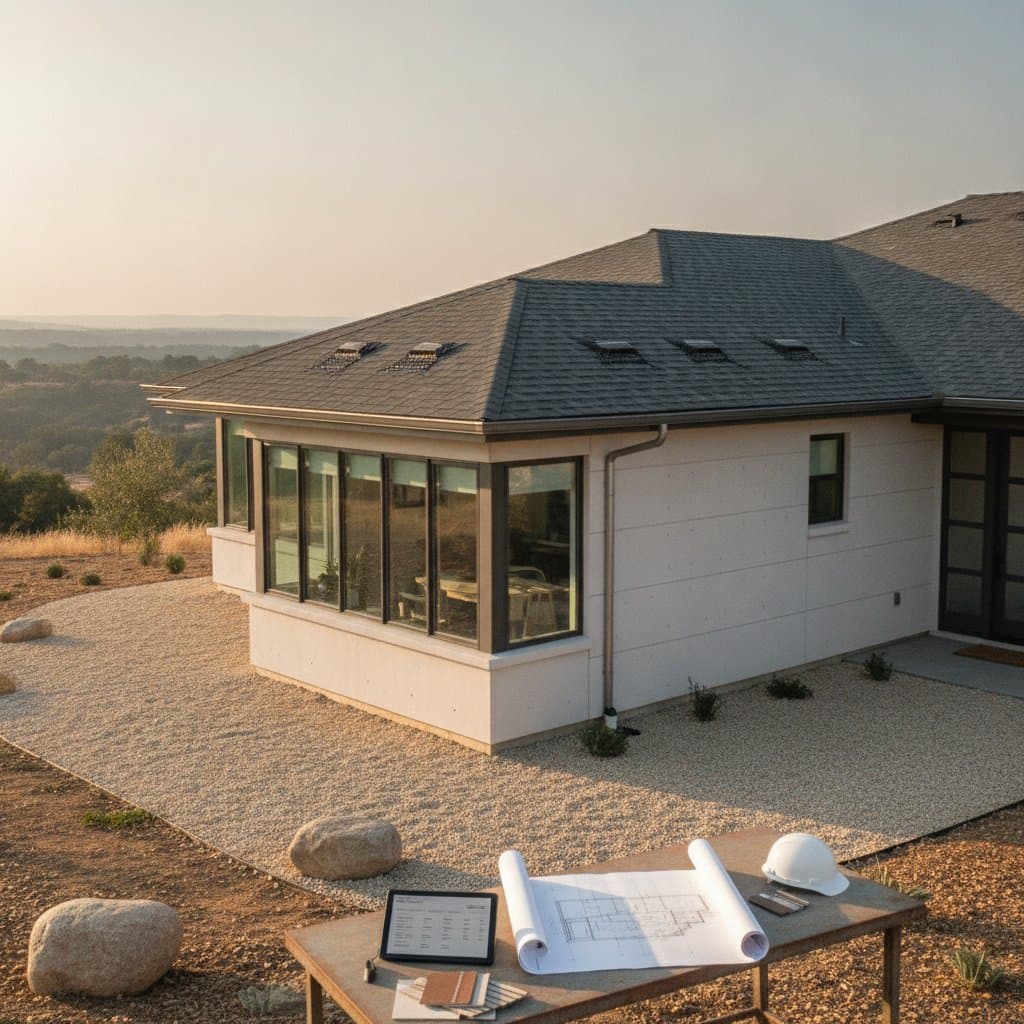
Site complexity affects labor by 25 to 45 percent. Properties without existing gas lines require propane tank placement that adds $1,200 to $2,000. Extended conduit runs add $500 to $1,000. Flood-zone or sloped lots need platforms or grading. Metropolitan projects often cost 30 percent more than rural jobs because of permit fees and crew availability.
Service Packages
Standard installation covers load calculations, pad placement, transfer-switch wiring, fuel hookup, and startup training. The work spans 12 to 16 labor hours. Prices range from $6,500 to $9,500 when gas infrastructure already exists.
Premium packages add remote monitoring, a ten-year warranty, new gas piping, surge protection, and first-year maintenance. These options cost $10,000 to $16,000. The added investment lengthens equipment life and reduces service calls.
Optional Upgrades and Bundling
- Automatic transfer-switch upgrade: $900 to $1,400, 10 percent savings when bundled
- Propane tank placement: $1,200 to $2,000, 8 percent savings when bundled
- Annual maintenance plan: $250 to $450, 15 percent savings when bundled
- Remote monitoring setup: $150 to $300, 5 percent savings when bundled
Bundled purchases lower total cost by 10 to 15 percent while supporting warranty compliance.
Professional Installation versus DIY
A do-it-yourself approach for a 14-kilowatt unit requires the generator, a 200-amp transfer switch, conduit, gas fittings, pad materials, and tool rentals. The cash outlay reaches about $6,800 before permits. The project demands 20 to 30 hours and advanced electrical and plumbing skills. Errors commonly void warranties or create safety hazards.
Certified installers supply code expertise, insurance coverage, and immediate warranty activation. Professional work saves 10 to 15 hours of homeowner time and prevents property damage.
Timing and Purchasing Tactics
Off-peak scheduling yields up to 12 percent lower labor rates. Midweek appointments add another 5 percent reduction. Collecting three competitive bids typically trims 10 to 20 percent from the total. Paying by check or purchasing directly from an authorized dealer removes extra markups. Homeowners who clear the site or secure permits in advance save $300 to $800.
Regional Price Influences
Labor markets, permit fees, and fuel delivery distances create noticeable differences across states. Coastal and urban counties post the highest averages. Inland and rural areas trend lower. Checking local utility incentives for standby generation can offset several hundred dollars in select regions.
Long-Term Value Considerations
A properly maintained whole home generator protects household systems and reduces outage-related losses. Annual service visits keep warranties intact and catch issues early. Owners who size correctly and choose professional installation realize reliable performance for 15 years or more.