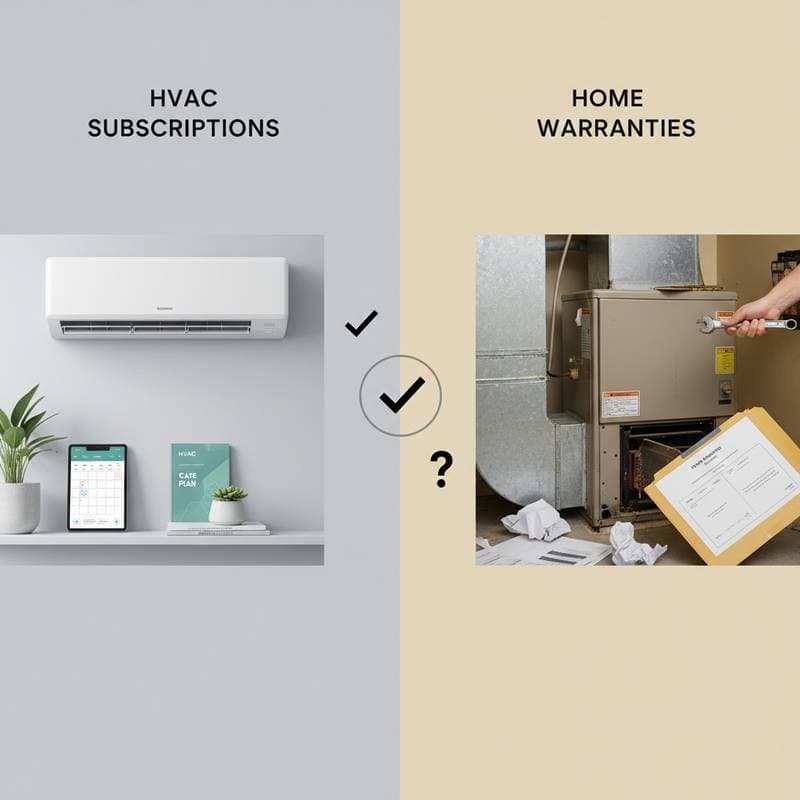
Can HVAC Subscriptions Serve as a Viable Alternative to Home Warranties?
Homeowners often face the challenge of balancing maintenance costs with reliable system performance. HVAC subscription plans offer a structured approach to this, providing regular tune-ups, priority service, and cost predictability. While these plans target heating, ventilation, and air conditioning systems specifically, traditional home warranties cover a wider array of home components. To determine if subscriptions can stand in for warranties, examine their approaches to expenses, protection scope, and overall reliability.
Key Differences in Service Approaches
Home warranties act as comprehensive service agreements that address repairs or replacements for essential home systems and appliances. Participants pay an ongoing premium and a per-claim fee, with coverage extending to items like HVAC equipment, plumbing, electrical setups, and household appliances.
HVAC subscriptions, however, zero in on climate control systems alone. The recurring payment includes scheduled inspections, cleaning, and sometimes reduced rates for fixes. This focused model avoids the broad risk distribution of warranties, instead emphasizing proactive care for one vital area to enhance longevity and efficiency.
Warranties manage diverse potential breakdowns, which can lead to claim restrictions and denials. Subscriptions deliver dedicated attention, fostering better system health through consistent interventions.
Analyzing Cost Components
Pricing structures reveal practical trade-offs between the two options.
For home warranties, expect:
- Monthly or annual premiums that vary by plan tier, typically $40 to $100.
- Service call fees of $75 to $125 each time a claim arises.
- Annual or per-item payout caps, such as $1,500 to $5,000.
- Additional expenses if repairs surpass the limits.
HVAC subscriptions generally feature:
- Steady monthly or quarterly payments of $15 to $50 for basic upkeep.
- No separate fees for routine visits, with diagnostics often included.
- Savings on parts or labor for repairs, up to 20 percent off standard rates.
- Coverage for tune-ups but not full replacements unless upgraded.
Warranties buffer against rare, high-cost events, whereas subscriptions stabilize ongoing expenses and promote energy savings through optimized performance.
Step-by-Step Guide to Using Each Service
Knowing the operational flow clarifies real-world application.
Steps for Filing a Home Warranty Claim:
- Contact the provider via app, website, or phone to report the problem.
- Receive an assigned contractor who arrives within 24 to 48 hours for diagnosis.
- Await approval based on contract terms, which may take one to three days.
- Proceed with the authorized repair or replacement using approved parts.
- Submit any required proof, like prior maintenance records, to validate the claim.
Steps for HVAC Subscription Services:
- Book a routine or as-needed appointment through the provider's portal or direct line.
- Have the technician perform a full system check, including filter replacement and coil cleaning.
- Get an immediate quote for any identified repairs, with options for bundled discounts.
- Complete the work on-site or schedule a quick follow-up.
- Receive a detailed report and automatic scheduling for the next maintenance slot.
Warranty processes involve third-party oversight, which can introduce delays. Subscription services build a direct partnership, offering quicker resolutions and personalized insights.
Navigating Coverage Restrictions and Requirements
Contracts include specific boundaries that affect usability. Home warranties frequently exclude:
- Issues from poor installation or pre-existing wear.
- Failures due to skipped maintenance or code non-compliance.
- Damage from external factors like floods or power surges.
- Routine upkeep tasks, such as filter changes.
HVAC subscriptions typically limit:
- Full system overhauls or new unit installations.
- Damage from accidents, neglect, or environmental hazards.
- Non-functional concerns, like noise without performance impact.
The subscription's specificity reduces ambiguity but leaves gaps for catastrophic failures. Warranties provide partial relief for such events, though navigating approvals demands patience.
Weighing Financial Outcomes
Financial decisions hinge on your home's setup and habits. Newer HVAC units benefit from subscription-based prevention, potentially avoiding breakdowns altogether. Aging systems, however, may require warranty support to handle inevitable large repairs.
Review this comparison table for clarity:
| Plan Type | Monthly Fee | Per-Claim Cost | Payout Caps | Notable Limits |
|---|---|---|---|---|
| Basic Home Warranty | $40-$55 | $75-$100 | $1,000-$2,500 per item | Pre-existing conditions, improper mods |
| Enhanced Home Warranty | $60-$85 | $100-$125 | $2,500-$5,000 per item | Maintenance lapses, secondary damage |
| Basic HVAC Subscription | $15-$30 | None | Maintenance focus | No major replacements |
| Enhanced HVAC Subscription | $35-$60 | None | Discounts on repairs | Excludes misuse-related fixes |
Factor in yearly totals: A warranty with two claims might total $800, including fees. A subscription at $300 annually ensures two tune-ups, cutting energy use by 10 to 15 percent and extending equipment life.
Framework for Choosing the Right Option
Select based on these targeted factors:
- Assess equipment age: Systems over 10 years old warrant broader protection; younger ones thrive on routine care.
- Review budget needs: Fixed low payments suit tight finances, while warranties handle sporadic big hits.
- Consider home scope: Multi-system coverage favors warranties; HVAC-only needs align with subscriptions.
- Prioritize speed: Subscriptions excel in rapid, reliable service for urgent climate issues.
- Value clarity: Direct billing and fewer rules make subscriptions straightforward.
Apply this to your situation: For a family in a hot climate with a 5-year-old unit, a $25 monthly subscription might prevent summer failures better than a $50 warranty premium.
Insights into Provider Motivations
Company goals shape service quality. Home warranty firms profit from steady premiums while controlling payouts through strict reviews, sometimes leading to disputes over eligibility.
HVAC subscription businesses thrive on repeat visits and loyalty, incentivizing thorough maintenance to minimize emergencies. Local providers often prioritize long-term client ties over volume claims.
This alignment means subscription technicians track your system's history, spotting trends like refrigerant leaks early. Warranty networks, reliant on varied contractors, may vary in expertise and follow-through.
Strategies for Minimizing Risks Through Maintenance
Regular upkeep forms the foundation of system reliability. Warranty policies often mandate documented tune-ups twice yearly; without them, claims face rejection.
Subscriptions embed these visits, automatically meeting requirements while boosting efficiency. Clean coils and proper airflow can slash utility bills by 5 to 20 percent and avert $1,000-plus repairs.
Combine approaches if needed: Use a subscription for prevention and a warranty for backups, ensuring full records support any claims.
Avoiding Typical Coverage Pitfalls
Familiarize yourself with denial triggers to stay protected. Home warranties reject claims for:
- Undocumented neglect, such as clogged drains.
- Unauthorized alterations, like DIY filter hacks.
- Lapsed policies or unpaid dues.
- Issues predating enrollment.
Subscriptions avoid these by emphasizing ongoing care, though they do not cover disaster-induced damage. Proactively log all services to build a strong defense against disputes.
Projecting Costs Over Time
Look beyond one year for accurate value. Warranty expenses accumulate through premiums and fees, potentially reaching $600 annually without incidents, funding others' repairs.
Subscriptions redirect funds to actions like annual deep cleans, which correlate with 20 percent longer equipment life. If a $3,000 compressor fails in year three, a warranty recoups much of it; otherwise, subscriptions delay such needs through vigilance.
Track your usage: Low-maintenance homes save more with subscriptions, while high-risk setups justify warranty investments.
Scrutinizing Contract Details
Before signing, dissect these elements:
- Payout maximums and yearly totals.
- Options for selecting trusted local technicians.
- Guaranteed response windows, ideally under 48 hours.
- Exit terms, including prorated refunds.
- Auto-renewal clauses and annual rate hikes.
Subscription agreements tend to be concise, outlining visits and discounts plainly. Warranty fine print warrants extra scrutiny for hidden fees.
Standards for Reliable Service Delivery
Consistent quality defines success. Subscriptions foster technician continuity, enabling them to recall past issues like duct imbalances for targeted fixes.
Warranties might rotate providers, risking uneven results. Verify credentials: Insist on licensed, insured pros with NATE certification for HVAC work.
Maintain records of every visit, including photos and invoices, to monitor progress and bolster hybrid coverage setups.
Safeguarding Your Home Systems Effectively
HVAC subscriptions and home warranties each address protection uniquely. Subscriptions deliver focused, preventive benefits that sustain performance and cut surprises. Warranties offer expansive safeguards for diverse risks, tempered by procedural hurdles.
Tailor your choice to priorities: Opt for subscriptions to nurture HVAC health proactively, or warranties for comprehensive backup. In either case, proactive steps ensure your investment endures, keeping your home comfortable year-round.