Understanding the Impact of Humidity on Mold Remediation Costs
Mold growth poses a significant challenge for homeowners, particularly in regions with high humidity levels. In such environments, the air holds more moisture, which accelerates mold proliferation on walls, ceilings, and other surfaces. This not only compromises indoor air quality but also escalates the financial burden of removal.
Studies indicate that mold remediation costs in humid climates average 35% more than in drier areas. The primary reasons include prolonged drying times required after water extraction, difficulties in maintaining low humidity during treatment, and the need for extensive material replacements due to pervasive growth. Homeowners often underestimate these factors, leading to unexpected expenses and prolonged disruptions.
Key Cost Drivers in Humid Environments
Several elements contribute to the elevated pricing in humid regions. First, drying processes take longer because ambient moisture slows evaporation. Professionals must employ industrial dehumidifiers and fans for extended periods, increasing labor and equipment rental fees.
Second, moisture control proves more complex. In humid areas, preventing re-infestation requires sealing entry points and installing vapor barriers, which add to the overall project scope. Third, mold often penetrates deeper into porous materials like drywall and insulation, necessitating full replacements rather than simple cleaning.
These drivers result in average remediation costs ranging from $2,000 to $6,000 in humid zones, compared to $1,500 to $4,500 elsewhere. Understanding these dynamics helps homeowners budget effectively and select services that address root causes.
Preparing for Mold Remediation
Effective preparation sets the stage for successful mold removal and cost efficiency. Begin by identifying sources of moisture, such as leaks in roofs, plumbing, or windows. Addressing these issues before remediation prevents immediate recurrence.
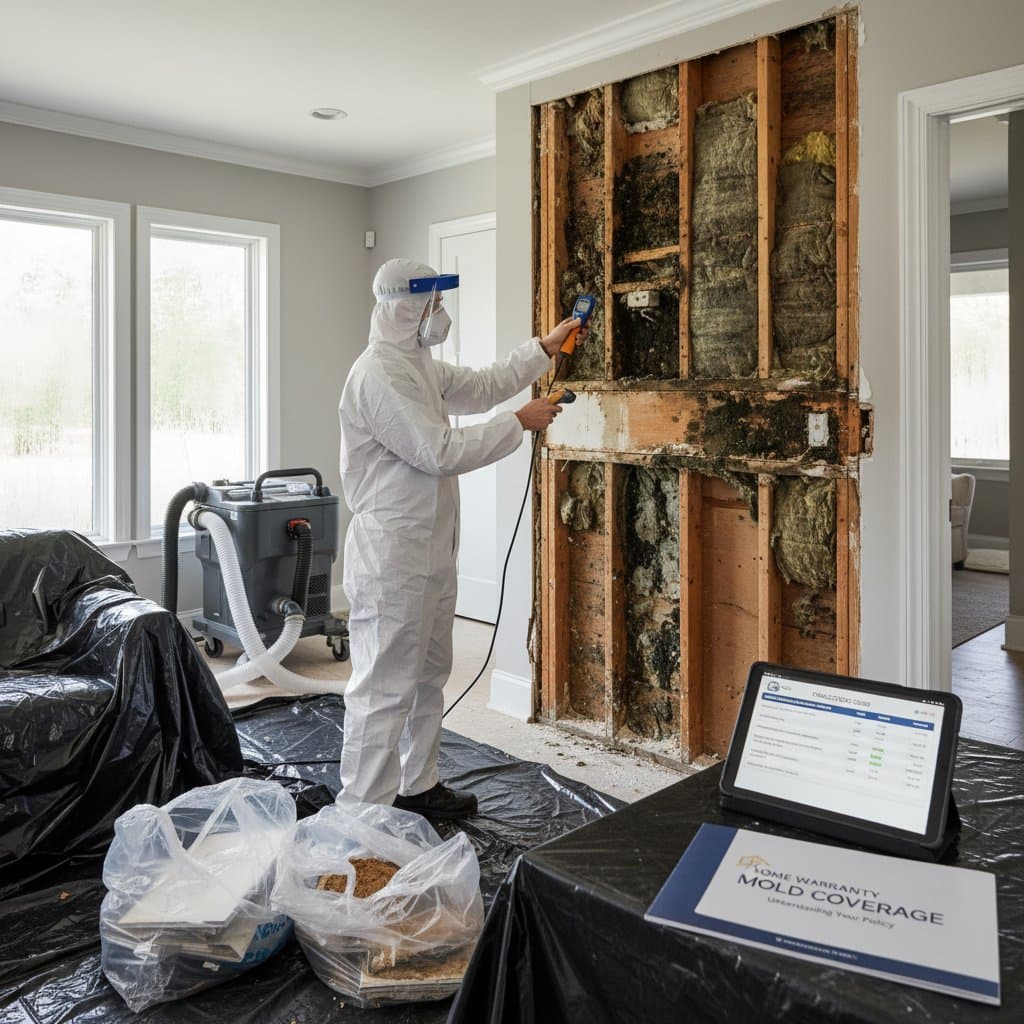
Next, clear the affected area. Move furniture and belongings to uncontaminated spaces to avoid cross-contamination. Cover and seal heating, ventilation, and air conditioning vents with plastic sheeting to contain spores during the process.
Homeowners should also anticipate site-specific constraints. In humid climates, schedule work during drier seasons to avoid extended timelines. High-rain periods can double drying times, further inflating costs through additional equipment use and labor hours.
Essential Safety Gear
Safety remains paramount during any mold-related activity. Professionals and informed homeowners utilize the following protective equipment:
- Respirators with HEPA filters to block airborne spores.
- Nitrile gloves to shield skin from irritants.
- Safety goggles to protect eyes from debris and chemicals.
- Disposable coveralls to prevent spore transfer to clothing and surroundings.
Wearing this gear minimizes health risks, including respiratory issues and allergic reactions common in mold exposure.
Permits and Regulatory Considerations
Most mold remediation projects do not require permits unless they involve structural alterations or rebuilding. However, in cases of extensive damage, local building codes may mandate approvals to ensure compliance with safety standards.
Consult your local authorities early to determine needs. Obtaining necessary permits avoids delays and potential fines, keeping the project on track and within budget.
The Mold Remediation Workflow
The remediation process follows a structured approach to ensure thorough eradication. It begins with containment: professionals isolate the affected area using plastic barriers and negative air pressure machines to prevent spore spread.
Following containment, removal occurs. Technicians scrape visible mold, scrub surfaces with antimicrobial agents, and dispose of heavily contaminated materials. In humid climates, this step demands extra vigilance, as hidden growth behind walls requires careful inspection and excavation.
Drying follows removal. High-capacity dehumidifiers and air movers extract residual moisture until levels drop below 15%. Monitoring with moisture meters ensures completeness, a critical step often extended in humid environments.
Finally, restoration restores the space. This may include repairing drywall, repainting, and reinstalling fixtures. Document all drying targets and verification steps in a detailed report for warranty and insurance purposes.
Prevention Strategies for Humid Climates
Prevention offers the most effective defense against recurring mold issues. Invest in dehumidifiers to maintain indoor humidity below 50%. Place these units in basements, bathrooms, and other prone areas, and empty reservoirs regularly.
Install vapor barriers on exterior walls and crawl spaces to block ground moisture. Ensure proper ventilation by using exhaust fans in kitchens and bathrooms, and consider whole-home systems for consistent air circulation.
Conduct routine inspections quarterly, checking for signs like musty odors or discoloration. Promptly repair any water intrusions to halt mold development at its source. These measures not only protect health but also preserve property value over time.
Securing Quality Remediation Services
Choosing the right professionals makes a substantial difference. Verify certifications from organizations like the Institute of Inspection Cleaning and Restoration Certification. Request a detailed scope of work that outlines methods, timelines, and guarantees.
Insist on transparency regarding costs, including breakdowns for labor, materials, and equipment. A reputable service will provide post-remediation testing to confirm mold levels meet safety standards.
In humid regions, opt for companies experienced with local challenges. Their expertise in extended drying and moisture-proofing reduces the risk of callbacks and additional expenses.
Safeguarding Your Home Long-Term
Mold control in humid climates demands ongoing commitment rather than isolated efforts. By integrating prevention into daily routines, homeowners mitigate risks and maintain a healthier living environment.
These proactive steps yield tangible benefits: cleaner air, reduced allergy triggers, and financial savings from avoiding repeated treatments. With informed planning, you transform a potential crisis into manageable maintenance, ensuring your home remains a safe haven.