The Truth About Warranties and Basement Flood Coverage
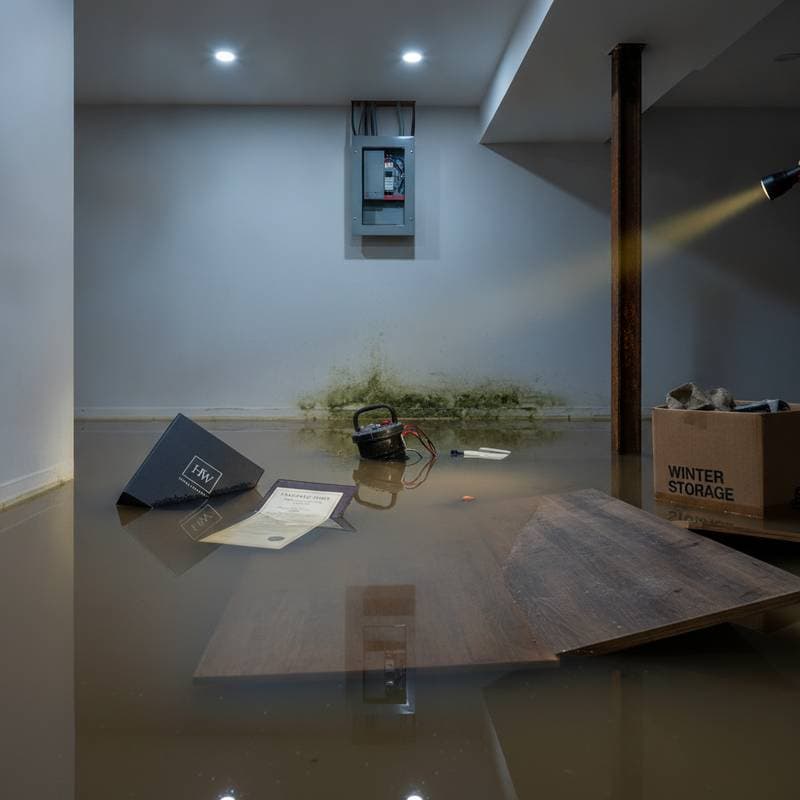
Most homeowners assume their warranty or insurance will handle a basement flood. In reality, most policies exclude this type of damage. Understanding how warranties, home insurance, and flood coverage fit together prevents expensive surprises when water enters the lowest level.
What Warranties Actually Cover
A home warranty covers mechanical systems and appliances. It does not address structure or water intrusion. The coverage might pay for a failed sump pump motor. It will not cover the water damage that the pump failed to prevent.
A builder structural warranty covers load bearing elements such as foundation walls or footings. Coverage applies only when failure results from defective materials or workmanship. It does not cover flooding from surface water, sewer backup, or groundwater.
What Flood Coverage Really Means
Standard homeowner policies exclude flood damage. Flood insurance, sold separately through federal or private programs, covers water that enters from outside the home. It does not cover moisture from inside sources such as a broken pipe or a failed drain tile.
Groundwater seepage through cracks is also usually excluded unless a specific endorsement exists. Ask an insurance agent for a written summary of exclusions and limits to verify protection levels.
Common Exclusions to Watch For
Water related losses are often carved out of policies. Review documents for these common exclusions:
- Surface runoff or rainwater entering through windows or foundation vents
- Sump pump failure unless backed by a separate rider
- Sewer or drain backup unless optional coverage was added
- Hydrostatic pressure pushing water through walls or floors
- Gradual seepage or condensation
Policy terms such as flood, overflow, or back up each carry specific meanings. Request plain explanations before signing or renewing any agreement.
Cost Breakdown of Coverage Options
| Scope item | Material or premium cost range | Labor or service cost range | Total annual or claim range | Notes on drivers |
|---|---|---|---|---|
| Sump pump rider | $40 to $90 per year | None | $40 to $90 | Coverage for mechanical failure only |
| Sewer backup endorsement | $75 to $150 per year | None | $75 to $150 | Depends on coverage limit |
| Flood insurance | $400 to $1,200 per year | None | $400 to $1,200 | Driven by flood zone and elevation |
| Foundation crack repair | $400 to $3,000 | $800 to $4,000 | $1,200 to $7,000 | Cost varies by access and method |
Compare the annual premium against the likely loss amount. A small policy can prevent a large out of pocket repair.
Steps to Protect Your Basement and Coverage
- Check grading and drainage. Make sure soil slopes away from the foundation at least 6 inches over 10 feet.
- Inspect sump and pump discharge. Test the float switch quarterly and confirm the discharge pipe clears at least 6 feet from the foundation.
- Install a battery backup. A backup pump or power supply costs $200 to $600 installed and can save thousands in damage.
- Seal cracks. Use hydraulic cement or epoxy injection on small leaks. Major cracks need professional evaluation.
- Document conditions. Keep dated photos and maintenance logs to support warranty and insurance claims.
Safety, Permits, and Code Notes
Electrical outlets in basements must be GFCI protected. Pumps should be on a dedicated 15 amp or 20 amp circuit. Discharge lines cannot connect to sanitary sewers in most jurisdictions. Check for permit requirements when installing a new sump system, especially if plumbing or electrical work is modified. Skipping a permit can void both warranty and insurance coverage.
Mistakes That Void Coverage
- Ignoring maintenance on pumps or drains
- Modifying discharge lines without code compliance
- Failing to report water intrusion quickly
- Using non rated extension cords on pump circuits
- Not disclosing prior water issues when renewing insurance
Maintenance Plan and Lifespan
Follow this maintenance cadence:
- After install, test sump function and label the breaker.
- Seasonal checks cover drainage paths and gutter extensions.
- Annual inspections examine foundation interior and exterior for cracks.
- Replace pumps every 7 to 10 years or at the first sign of slow cycling.
Pro Versus DIY Decision Rules
Professional service is recommended for foundation repairs that affect structural integrity. Electrical or plumbing modifications also require licensed contractors to maintain code compliance. Simple tasks such as testing a sump pump or extending downspouts can be handled by homeowners with basic tools.
Protecting Your Investment
Gather warranty, homeowner, and flood policy documents. Highlight any water exclusions. Schedule an inspection of the drainage and sump system before the next heavy rain. A short review now can prevent a multi thousand dollar cleanup later.