Flood-Proofing Costs in 2026: Insurance Impacts
Summary Box
National average cost: $7,800
Typical range: $3,500 to $18,000
Low end and high end: $1,200 for minor sealing, $45,000 for full elevation
Time to complete: 2 to 14 days depending on scope
DIY or Pro: Mostly professional work, limited DIY for minor sealing
ROI or resale impact: 60% to 80% recouped through lower flood insurance premiums and risk reduction
Updated: April 2026
Cost Breakdown
| Item | Unit cost | Typical quantity | Line total | Notes |
|---|---|---|---|---|
| Foundation sealing compound | $50 to $90 per gallon | 10 gallons | $500 to $900 | Used for basement walls and slabs |
| Sump pump with backup battery | $500 to $1,200 each | 1 | $500 to $1,200 | Required in most low-lying homes |
| Flood vents | $200 to $600 each | 4 | $800 to $2,400 | Equalizes water pressure on foundations |
| Perimeter drain system | $50 to $80 per linear foot | 60 feet | $3,000 to $4,800 | Installed around footing or basement edge |
| Wall barriers or flood panels | $20 to $40 per square foot | 150 sq. ft. | $3,000 to $6,000 | Detachable or permanent barriers |
| House elevation | $30 to $70 per square foot | 1,000 sq. ft. | $30,000 to $70,000 | Major structural work requiring permits |
Add-ons and allowances
- Backflow valve installation: $700 to $1,500
- Permit and inspection fees: $200 to $1,000
- Debris and soil disposal: $300 to $800
Cost Factors
Several conditions influence the total expense of flood-proofing projects. The scale of the work plays a central role; for instance, sealing a compact basement typically stays below $5,000, whereas lifting an entire house surpasses $40,000. Property size amplifies these figures proportionally.
Material quality also affects pricing. Opting for marine-grade coatings or stainless steel components increases expenses by 15% to 25%, yet these choices enhance durability in harsh environments. Site-specific challenges, such as limited access or unstable soil, demand additional labor and shoring, further elevating costs.
Labor availability and timing add variability. Contractors charge more during peak rainy seasons or in the wake of major floods when demand surges. Custom adaptations for older structures often uncover hidden issues, potentially inflating the budget by 10% to 20% through necessary change orders.
DIY vs Pro
Homeowners with relevant skills can handle certain basic tasks independently. These include applying waterproof sealants to basement walls with rollers or sprayers for even coverage. Installing simple door sweeps or removable barriers also falls within DIY capabilities, as does routine maintenance like testing sump pump backups.
However, many elements demand professional expertise and specialized equipment. Perimeter drain installations that integrate with foundation walls require precise engineering to avoid water intrusion. Elevating mechanical systems or the full structure involves complex permits and heavy machinery, while plumbing modifications for backflow prevention must comply with municipal standards.
Safety concerns underscore the need for licensed professionals. Working near electrical systems in damp areas poses electrocution risks, and altering load-bearing elements can compromise structural integrity. Non-compliant work may invalidate insurance policies, leaving properties vulnerable to denied claims.
Warranties provide another reason to hire experts. Sealants and drainage systems carry manufacturer guarantees only when installed by certified teams following exact protocols. Professional involvement ensures these protections remain intact, safeguarding long-term investments.
How To Save Without Regret
Integrating multiple upgrades into a single project minimizes expenses. For example, addressing grading, installing improved gutters, and applying sealants together cuts down on repeated site visits and setup fees. This approach streamlines the process and leverages economies of scale.
Selecting cost-effective materials balances performance and budget. Mid-tier masonry coatings with a 10-year warranty deliver reliable results when proper surface preparation occurs, often matching premium options without excess cost. Focus on proven brands that prioritize adhesion and flexibility.
Timing influences contractor availability and rates. Booking work ahead of the rainy season secures lower bids and faster scheduling, as professionals face less backlog. Early planning also allows for thorough site assessments to identify efficiencies.
Gathering multiple bids ensures competitive pricing. Insist on detailed written proposals that outline every aspect, from materials to timelines. This transparency prevents surprises and confirms value for the investment.
Quote Comparison Checklist
- Scope is itemized with clear descriptions of each task
- Materials grade and brand are specified for quality assurance
- Surface prep and cleanup are explicitly included
- Permit and disposal fees are accounted for in the total
- Warranty terms and project timeline are detailed
- Payment schedule aligns with key milestones like inspections
Insurance and Resale Effects
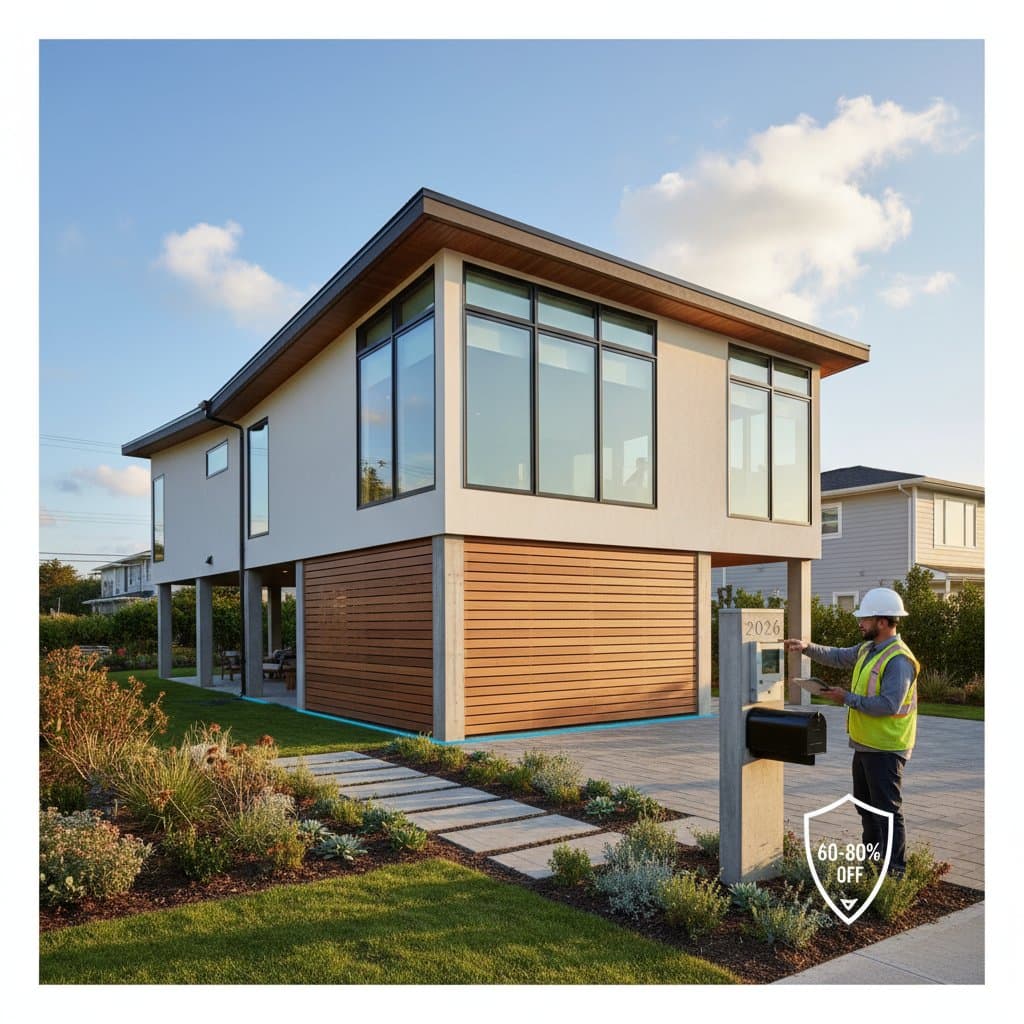
Implementing flood-proofing measures frequently results in premium reductions of 15% to 60%, based on the property's risk zone and the extent of upgrades. Raising a home above the base flood elevation unlocks access to preferred risk rates from insurers. Documentation, including elevation certificates and professional verifications, proves essential for these discounts.
Resale markets reflect growing buyer awareness of flood risks. Prospective purchasers routinely inquire about protective features during home inspections. A well-documented system, complete with transferable warranties, builds trust and minimizes post-storm haggling over repairs.
Regional Notes
Coastal properties face elevated costs from environmental demands. Salt corrosion necessitates stainless steel fasteners and specialized coatings, while rigorous building codes add layers of compliance. These factors can increase overall expenses by 20% or more.
Inland floodplain areas emphasize practical defenses like sump pumps and site grading. Backflow valves prove critical here, with moderate installation costs offset by the need for regular upkeep. Maintenance schedules help sustain effectiveness against seasonal overflows.
Urban settings introduce logistical hurdles. Restricted access limits equipment use, driving up labor charges, and permit processes extend timelines. Planning around city regulations ensures smoother execution despite these constraints.
Hiring Guide
Payment Schedule Basics
Establish a structured payment plan to align incentives. Require a 10% to 20% deposit after signing the contract to initiate materials procurement. Release 40% following key installations like drainage or barriers, confirming progress.
Disburse 30% upon passing final inspections, verifying code compliance. Hold the remaining 10% until performance tests, such as simulated flood scenarios, demonstrate full functionality. This method protects all parties and ties funds to verifiable outcomes.
Maintenance and Lifespan
Annual inspections form the cornerstone of sustained protection. Examine coatings for cracks, clear debris from drains, and verify pump functionality to catch issues early. These checks prevent minor problems from escalating into costly failures.
Routine cleaning maintains system efficiency. Remove accumulated dirt from vents and barriers to preserve water flow and pressure equalization. Neglect in this area diminishes the setup's reliability over time.
Sealants typically endure 8 to 12 years before needing refreshment. Sump pump batteries and check valves require biannual servicing to ensure backup readiness. Adhering to these intervals extends the overall lifespan of the installation.
Common Failures and Early Warnings
Persistent musty smells or damp spots indicate sealant degradation. Gurgling sounds in drains suggest blockages that demand prompt clearing. Post-elevation uneven settling warrants immediate consultation with structural engineers to address potential shifts.
Securing Long-Term Value Through Flood Protection
Flood-proofing investments deliver enduring benefits beyond initial costs. Lower insurance rates provide ongoing savings, while enhanced resilience appeals to future buyers in flood-prone areas. Professional execution and diligent maintenance maximize these advantages, turning proactive steps into lasting asset protection.