Navigating Solar Panel Removal for Roof Replacement
Solar energy installations deliver long-term benefits, yet the need for roof replacement introduces a significant challenge. Homeowners must address the removal, storage, and reinstallation of panels to maintain system integrity. This process involves multiple costs and considerations, from labor expenses to warranty protections. A thorough understanding enables informed planning and minimizes financial surprises.
The Three Key Phases of Solar Removal
Solar panel removal unfolds in three distinct phases: detachment, storage, and reinstallation. Each phase contributes uniquely to the overall cost and requires careful coordination. By examining these stages, homeowners gain clarity on budgeting and execution.
Phase 1: Detachment
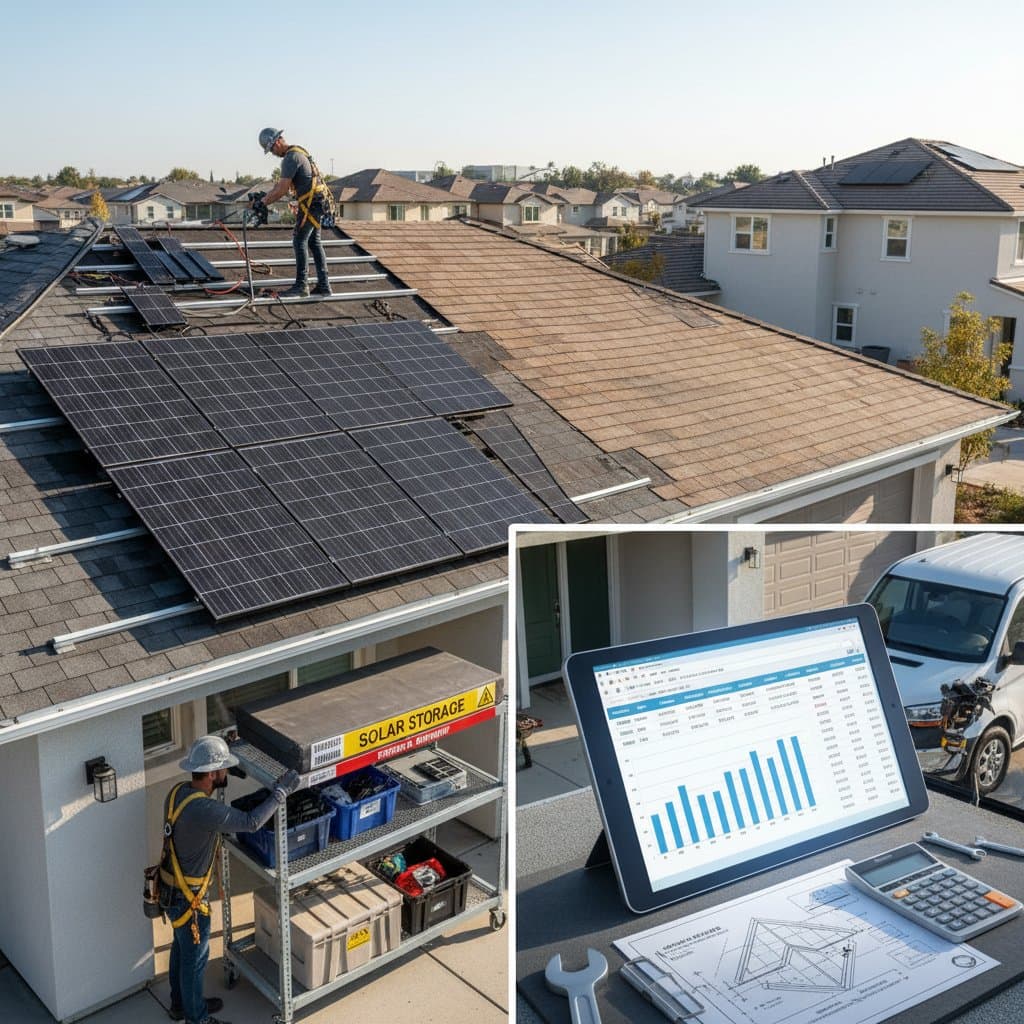
Detachment begins with safely disconnecting the solar array from the roof and electrical system. Technicians label each panel and component to ensure accurate reassembly later. This phase typically spans one to two days, depending on the system's size and roof access. Costs arise from skilled labor, equipment rental for lifting panels, and temporary electrical isolation to prevent hazards.
Homeowners benefit from scheduling this phase during mild weather to avoid complications from wind or rain. Verify that the contractor uses manufacturer-approved methods to preserve panel condition. Document the pre-removal state with photographs to support any insurance claims.
Phase 2: Storage
Once detached, panels require secure storage until the roof work completes. On-site options suit smaller arrays, but off-site facilities offer better protection against weather damage or theft. Storage duration varies from days to weeks, influencing expenses through rental fees and transportation.
Select storage solutions that maintain panel orientation and ventilation to prevent warping or dust accumulation. Insist on insurance coverage for stored components, as unexpected events like storms can lead to additional replacement costs. This phase often represents a smaller portion of the budget, yet oversight here prevents larger issues downstream.
Phase 3: Reinstallation
Reinstallation follows roof completion and involves mounting panels on the new surface, reconnecting wiring, and conducting performance tests. Electricians ensure compliance with local codes, while final inspections confirm system efficiency. This phase demands precision to restore original energy output without voids in warranties.
Account for potential adjustments due to slight roof dimension changes. Test the system under load conditions before full activation. Professional certification at this stage safeguards long-term reliability and qualifies for any incentive programs.
Breaking Down the Cost Components
Solar removal costs aggregate across labor, materials, and administrative fees. Regional factors, such as labor rates in urban versus rural areas, cause variations of up to 30 percent. Always obtain multiple quotes to identify value differences.
Detailed Cost Breakdown
| Cost Category | Typical Range | Key Factors Influencing Price |
|---|---|---|
| Detachment Labor | $1,000 to $2,000 | System size, roof pitch, access challenges |
| Storage Solutions | $100 to $500 | Duration, on-site vs. off-site, insurance add-ons |
| Reinstallation Labor | $1,500 to $3,000 | Wiring complexity, testing requirements, code compliance |
| Contractor Coordination | $300 to $800 | Scheduling overlaps, communication tools |
| Inspections and Permits | $150 to $400 | Utility approvals, safety certifications |
These estimates assume a standard residential array of 20 to 30 panels. Larger commercial systems scale proportionally higher. Request breakdowns that separate fixed from variable costs for accurate forecasting.
Warranty and Contract Considerations
Solar warranties span 25 years or more, but removal activities can trigger exclusions if not handled correctly. Manufacturers stipulate use of authorized personnel to avoid nullifying coverage. Review original contracts for clauses on disassembly and third-party involvement.
Common pitfalls include liability for incidental roof damage during detachment. Structural issues, such as weakened rafters exposed by mounting removal, fall outside standard scopes. Negotiate addendums that clarify responsibilities and cap unexpected fees.
Utilities may require reconnection fees or efficiency verifications post-reinstallation. Municipal permits add layers of approval, especially in seismic zones. Secure written assurances from all parties to align on these requirements before work commences.
Selecting the Right Contractors
Choose contractors based on expertise, not solely price. Original installers maintain warranty continuity but command higher fees. Independent specialists offer flexibility, provided they hold relevant certifications.
Roofing firms with solar partnerships streamline logistics yet risk divided accountability. Evaluate options through these criteria:
- Proof of licensing and bonding for both solar and roofing work.
- References from similar projects, including timelines and outcomes.
- Detailed proposals outlining phase timelines, cost contingencies, and dispute resolution.
Conduct interviews to assess communication styles. A contractor who explains technical aspects clearly fosters trust and reduces errors.
Strategies to Minimize Risks
Proactive measures protect against common disruptions. Establish a single point of contact to oversee interactions between teams. This role prevents miscommunications that delay projects by weeks.
Implement these safeguards:
- Compile a complete inventory of all components, signed by both parties.
- Capture before-and-after documentation, including timestamps and conditions.
- Develop a phased timeline with buffer days for weather or supply issues.
- Confirm comprehensive insurance, extending to environmental liabilities.
- Stage payments tied to milestones, such as post-inspection clearance.
Monitor progress daily if possible. Address deviations immediately to maintain momentum.
Weighing Removal Alternatives
Assess full removal against partial methods to optimize costs. Complete detachment allows thorough roof repairs but elevates upfront expenses. Overlays or sectional replacements preserve panels in place, though they compromise durability.
Perform a cost-benefit calculation:
- Estimate removal expenses versus future repair needs.
- Factor in energy production downtime, valued at average monthly savings.
- Project roof longevity post-modification.
For roofs with five or fewer years remaining, full replacement pairs efficiently with removal. This approach extends the overall property value.
Securing Long-Term System Performance
Approach solar removal as an investment in durability. Gather at least three detailed bids, cross-referencing for consistency. Verify all professionals meet industry standards through state registries or associations.
Time the project for off-peak seasons to secure better rates and availability. Follow up with a professional inspection after six months to detect seal failures early. Archive all records, from invoices to test results, for future claims or home sales.
Through diligent preparation, homeowners convert a complex necessity into an opportunity for enhanced efficiency. This methodical strategy preserves the solar system's benefits while ensuring roof reliability.