2026 Whole Home Generator Costs: A Comprehensive Guide for Homeowners
Whole home generators ensure uninterrupted power for an entire residence when utility service fails. Homeowners planning an installation must account for initial expenses and recurring costs to make sound financial decisions. These systems demand more than equipment acquisition; they require attention to site-specific factors, fuel options, upkeep routines, and protection terms. A thorough evaluation safeguards against unforeseen costs and aligns the generator with the home's energy needs.
Understanding Whole Home Generator Functionality
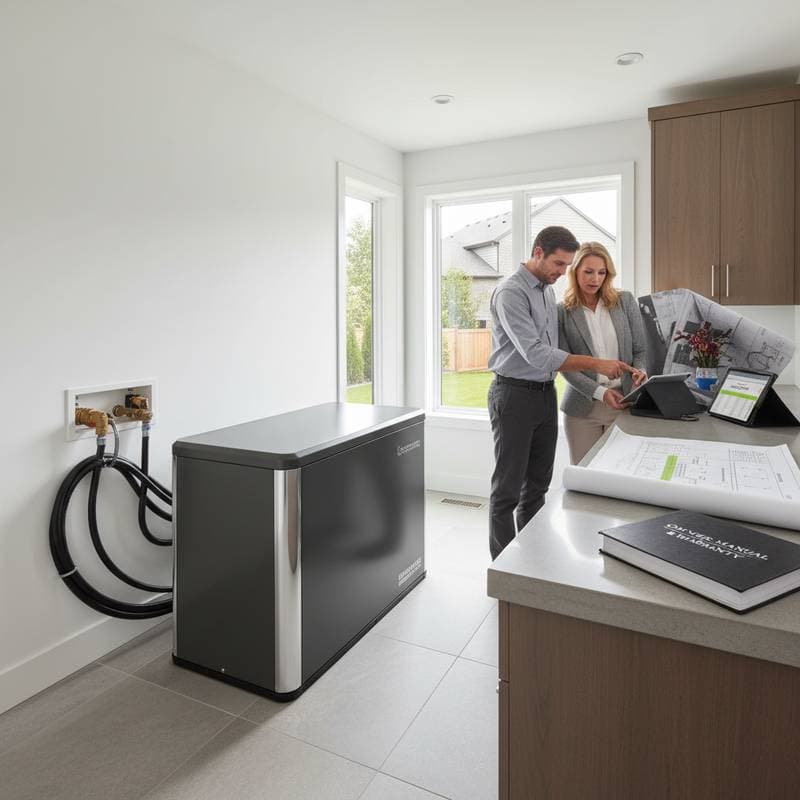
A whole home generator activates automatically to power all household circuits upon detecting a power loss. This setup differs from portable generators, as it integrates directly with the home's electrical panel and a dedicated fuel source. Common fuel choices include natural gas for steady supply or propane for stored reserves, with dual-fuel models offering versatility. Installation by certified professionals remains essential to adhere to national electrical codes, safety protocols, and product guidelines. The process covers delivery of the unit, site groundwork, electrical connections, fuel piping, operational tests, and regulatory approvals.
Breaking Down the Cost Components
Expect a multifaceted pricing model that combines equipment, labor, and ancillary fees rather than a uniform rate. Total outlay depends on the generator's output in kilowatts, the home's square footage, and selected fuel. For instance, a modest residence may suffice with a 14 kW unit, whereas expansive homes often demand 24 kW or larger capacities.
Equipment costs typically range from $6,000 to $12,000, reflecting brand quality and features like remote monitoring. Installation labor adds $2,000 to $5,000, influenced by terrain challenges and code compliance needs. Fuel infrastructure, such as extending gas lines or installing propane tanks, incurs $500 to $1,500, particularly if sources lie distant from the unit. Permits and inspections contribute $200 to $600, varying by municipality.
Ongoing expenses merit equal consideration. Annual maintenance, including fluid checks, filter replacements, and load simulations, averages $300 to $600. Batteries require renewal every three to five years at $100 to $200. Incorporate these elements into a five-year projection to grasp the full ownership burden.
Step-by-Step Installation Overview
Professional installation proceeds in defined phases to guarantee safety and performance.
- Site Evaluation Request: Schedule a professional visit to assess your property.
- Technical Review: The expert calculates power demands, evaluates fuel proximity, and examines panel capacity.
- Regulatory Submission: Secure necessary permits and validate equipment choices against local standards.
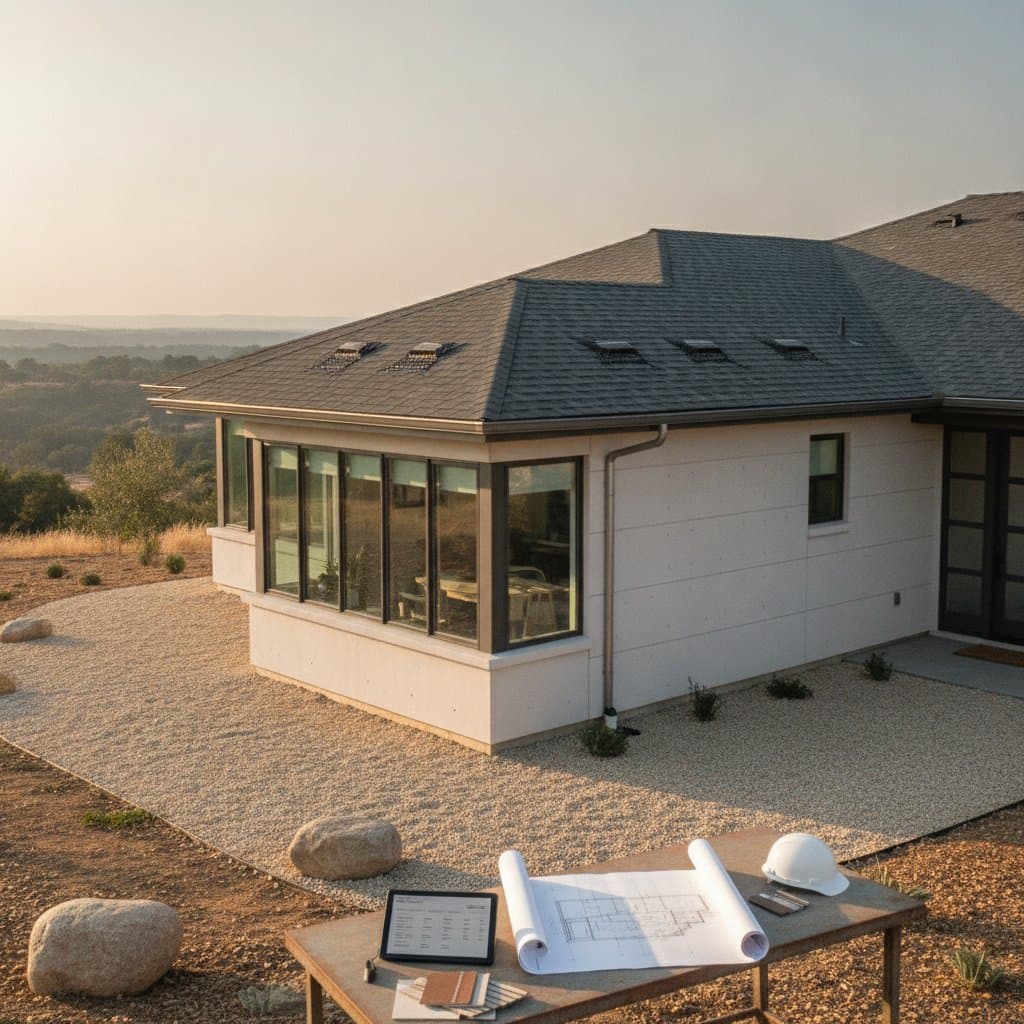
- On-Site Execution: Prepare a stable concrete base, secure the generator, integrate wiring and fuel lines, then conduct startup tests.
- Verification and Activation: Undergo final checks to confirm adherence to codes and initiate warranty coverage.
Each phase influences expenses; for example, rocky soil may elevate foundation costs, and permit delays could extend timelines. Insist on comprehensive load analysis and retain all project paperwork to support future claims or upgrades.
Navigating Warranty Terms and Exclusions
Warranty durations generally span three to five years, though specifics vary by producer. Review conditions closely, as some limit labor payouts or omit coverage for user errors.
Frequent exclusions encompass:
- Harm from impure fuel or flawed setup
- Deterioration due to excessive load or prolonged runtime
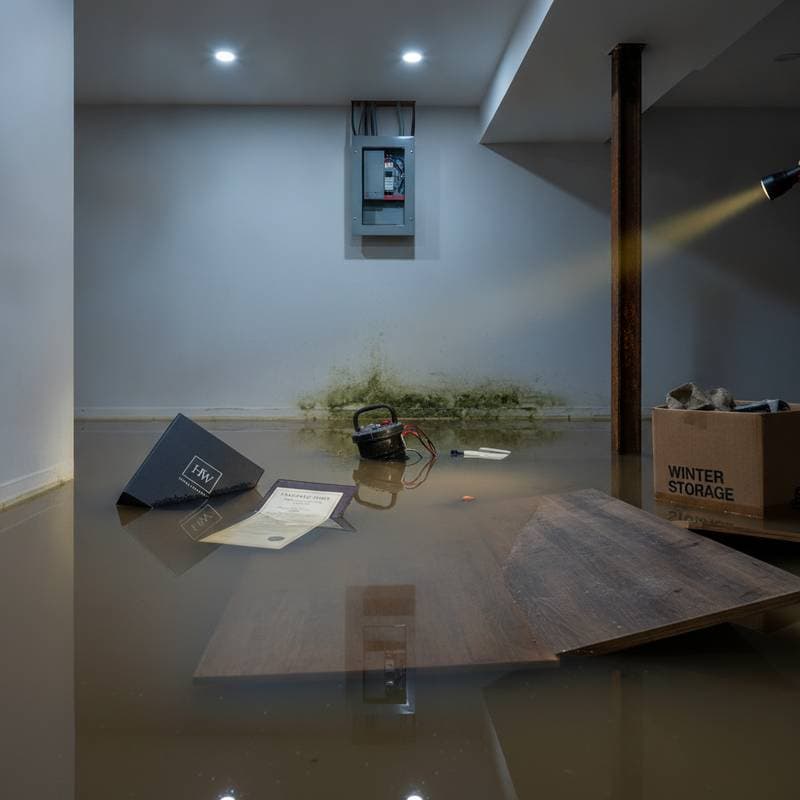
- Exposure to elements like water submersion or rust
- Alterations using unauthorized components
Preserve warranty eligibility by adhering to service intervals and using approved service providers. Document every maintenance action with dated receipts. Neglect in these areas risks complete coverage forfeiture, leaving owners liable for repairs.
Assessing Total Ownership Economics
Beyond upfront figures, calculate the cumulative expense over the generator's lifespan. A $9,000 unit plus $3,000 in setup and $400 yearly upkeep might total over $15,000 in a decade. Such investments yield substantial returns by averting outage-related damages, from spoiled perishables to burst pipes, which often exceed thousands in remediation.
Consider depreciation schedules and upgrade incentives in warranties. Certain plans credit prior purchases toward new models, enhancing value. Weigh extended service plans against potential repair outlays to determine optimal protection levels.
Key Criteria for System Selection
Homeowners refine choices by prioritizing these factors:
- Output Matching: Align kilowatt capacity with peak usage; calculate via appliance ratings to avoid inefficiency.
- Fuel Logistics: Opt for natural gas in urban settings or propane where lines are absent.
- Sound Output: Select models under 70 decibels to meet community noise rules.
- Support Availability: Confirm regional access to certified repair networks.
- Protection Details: Scrutinize duration, exclusions, and resale applicability.
Solicit detailed bids from at least three vetted contractors, dissecting line items for transparency. This practice reveals overcharges and highlights essential features.
Safeguarding Against Hidden Costs
Post-installation pitfalls often stem from overlooked contract clauses on service fees or fuel pacts. Inquire about after-hours rates, urgent dispatch costs, and spare parts stock. Register all warranties promptly and archive maintenance proofs to streamline claims.
Anticipate prerequisites like panel modernizations or pressure enhancements, which some providers mandate. Address these in initial agreements to prevent retroactive fees. Partner with licensed firms boasting strong reviews, insurance, and subcontractor vetting for dependable outcomes.
Securing Lasting Benefits from Your Generator
Investing in a whole home generator fortifies home resilience and streamlines energy management. Maintain meticulous records of permits, tests, and services to maximize returns. Through diligent planning and oversight, homeowners not only ensure operational dependability but also control expenditures effectively, transforming potential vulnerabilities into strengths during power disruptions.