How Much Does Solar Panel and Battery Installation Cost? 2026 Pricing Guide
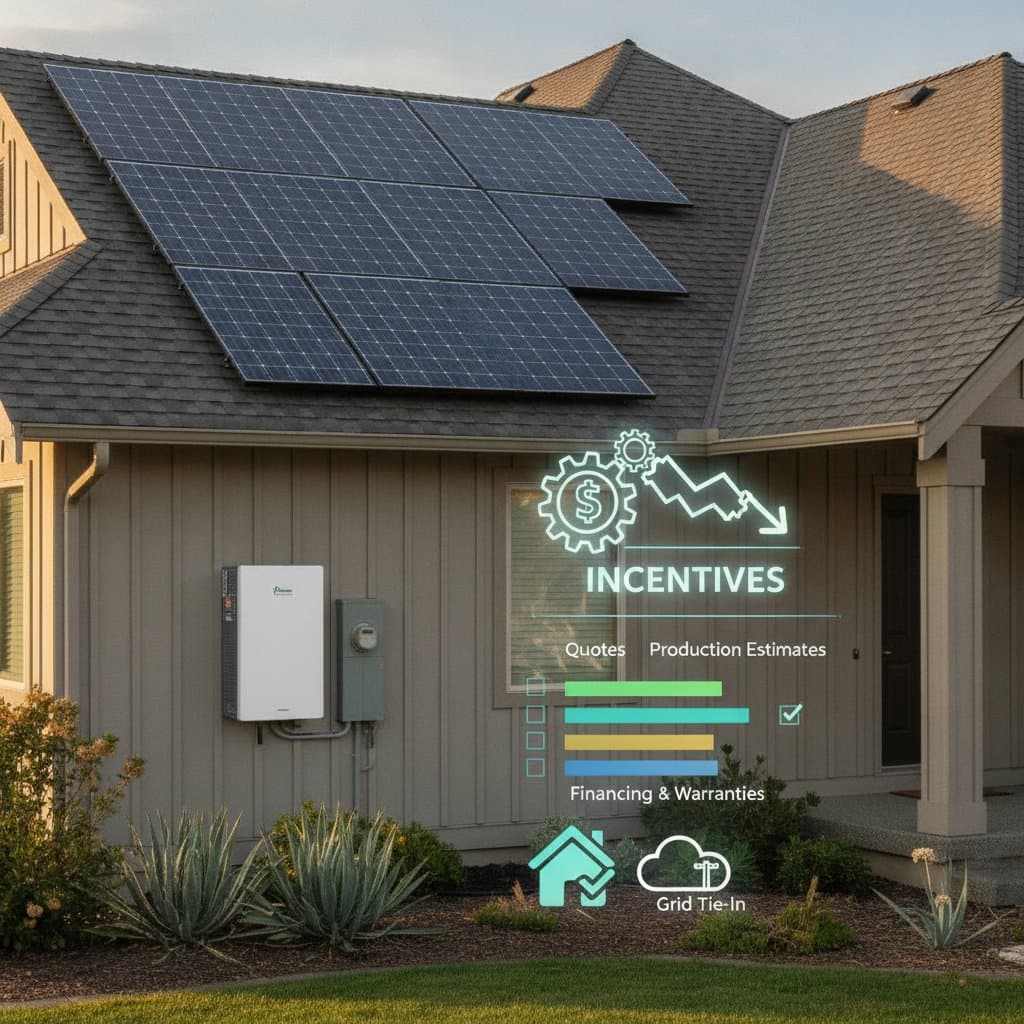
Solar energy systems change how households generate power, cutting electricity bills by up to 70 percent and raising property values. Professional installations of solar panels and batteries range from $12,000 to $25,000, with the average at $17,500. This covers photovoltaic panels, inverters, mounting hardware, labor, and a mid-sized energy storage battery.
Three key factors shape costs: system size, battery capacity, and equipment quality. Larger systems for high-energy homes demand more panels and storage, raising expenses. Premium materials from brands such as Tesla Powerwall, Enphase, or LG Chem cost more upfront but offer superior efficiency and durability. Data from the National Renewable Energy Laboratory indicates that such installations boost home resale values by 4 to 6 percent.
A forecasted 30 percent decline in prices for panels and batteries enhances affordability and accelerates return on investment. Households that adopt solar now gain protection from escalating utility costs and support environmental sustainability.
Detailed Cost Breakdown
National Pricing Overview
Pricing occurs on a per-watt basis, typically $2.50 to $3.00 before incentives. A 6-kilowatt system runs $15,000 to $18,000, while 10-kilowatt setups exceed $25,000. Batteries add $8,000 to $12,000 based on capacity. The combined national average stands at $17,500, with regional differences up to 15 percent.
Entry-level systems begin at $9,000 for the 25th percentile, and high-end configurations surpass $28,000 at the 75th percentile. Site assessments and electrical upgrades contribute $500 to $1,200.
Size and Scope
System size drives expenses, with each extra kilowatt adding about $2,700 for materials and labor. A 5-kilowatt setup for smaller homes costs $13,500, whereas a 10-kilowatt system for electric vehicles or major appliances reaches $27,000.
EnergySage reports show that every 100 square feet of roof space used adds $250 to $300 in mounting costs. Limited roof space calls for high-efficiency panels, which increase prices by up to 20 percent.
Material and Quality Tiers
Entry-level options employ monocrystalline or polycrystalline panels from Canadian Solar or JinkoSolar at $2.00 to $2.40 per watt. These deliver 20-year reliability for modest needs.
Mid-range choices incorporate efficient panels from Q Cells or REC Solar at $2.60 to $2.90 per watt, with stronger warranties and better space utilization.
Premium tiers feature SunPower or Panasonic panels alongside Tesla Powerwall or Enphase IQ Battery systems at $3.00 to $3.50 per watt. These provide 25 percent more output and warranties over 25 years.
Complexity and Installation Factors
Complexity alters costs significantly. Roof pitch, shading, and access impact labor. Electrical or structural upgrades add $1,000 to $3,000.
Location matters: coastal areas raise totals 10 to 20 percent due to labor rates, while rural spots lower them but include travel fees. Permitting and inspections add $300 to $800.
Service Types and Comprehensive Pricing
Standard Solar and Battery Package
Standard packages encompass design consultation, energy audit, roof mounting, wiring, inverter setup, a 10 kWh lithium battery, activation, and testing. Work spans two to three days and costs $15,000 to $19,000.
This fits households using 7,000 to 10,000 kilowatt-hours annually, offering outage backup and reduced grid reliance.
Premium Energy Independence Package
Premium options include high-efficiency panels with microinverters, 20 to 30 kWh dual or triple batteries, smart monitoring, grid controls, extended warranties, and maintenance. Prices range from $22,000 to $30,000, a 25 to 40 percent increase over standard.
Benefits include enhanced reliability, quick recharges, and off-grid potential. Investments recover in 7 to 9 years via savings and incentives.
Add-On Services
| Add-On Service | Typical Cost | Bundle Savings | Best Timing |
|---|---|---|---|
| Electric vehicle charger installation | $800 - $1,200 | 10% when bundled | During system setup |
| Roof reinforcement | $1,000 - $2,500 | 5% with solar install | Before panel mounting |
| Smart home integration | $400 - $800 | 8% with premium package | After commissioning |
| System monitoring and maintenance plan | $200 - $400/year | 15% multi-year discount | Annually |
Bundling yields 10 to 15 percent savings, particularly during promotions on EnergySage or Thumbtack.
Professional vs. DIY Installation
DIY Cost Overview
DIY kits from Renogy or Eco-Worthy cost $1.50 to $2.00 per watt, totaling $9,000 to $12,000 for 6 kilowatts. Batteries from Bluetti or Jackery add $6,000 to $9,000, plus $400 for tools.
Efforts require 40 to 60 hours, including electrical tasks needing inspection. Additional fees for permits, repairs, and lost warranties bring totals to $15,000 to $18,000, minimizing savings.
Professional Advantages
Professionals provide guarantees, warranties, and code-compliant integration. They save 30 labor hours and prevent $2,000 in potential fixes.
Access to wholesale deals and tools ensures quality. Insurance covers installation risks.
Decision Framework
Opt for professionals with complex roofs, strict permits, or grid ties. DIY suits simple off-grid structures like cabins.
Actionable Cost-Saving Strategies
Timing Optimization
Contractors discount 5 to 10 percent in off-peak seasons. Mild weather bookings reduce labor fees, and midweek slots save 3 to 5 percent.
Smart Shopping Tactics
Obtain three quotes via EnergySage or SolarReviews to save 12 percent. Cash payments or flexible schedules cut another 2 to 4 percent.
Preparation Actions
Clear roofs, trim trees, and prepare attics to save $500 to $1,000 in labor. Specify placements early to avoid changes.
Regional Market Insights and Final Steps
Geographic Variations
Urban areas add 15 percent from labor, rural ones save 10 percent despite limited options. The Solar Energy Industries Association notes lowest per-watt rates in sunny southern and southwestern states due to competition.
Steps to Secure Your Solar Investment
Start with an energy audit to size your system accurately. Compare certified installers and review incentives like tax credits. Schedule during low-demand periods for maximum savings. Track performance post-installation to optimize output and ensure long-term returns. This approach delivers reliable power, financial benefits, and environmental impact.