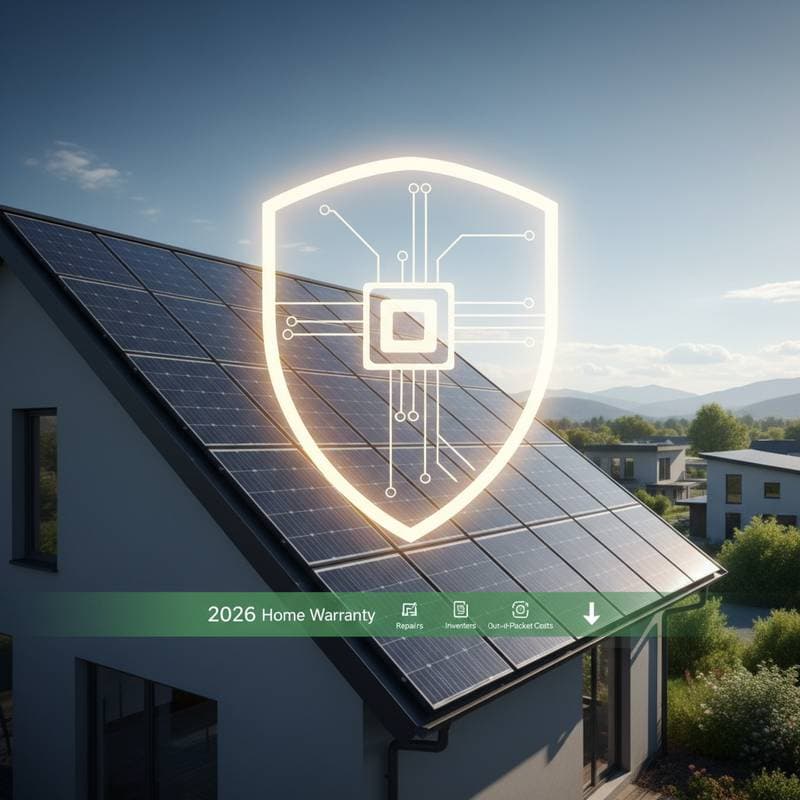
Extending Protection for Your Solar Panels: Home Warranties Beyond Manufacturer Coverage
Homeowners increasingly install solar energy systems to lower electricity bills and decrease dependence on traditional power sources. These systems integrate into a home's essential infrastructure, comparable to heating, ventilation, and air conditioning units or roofing materials. Safeguarding this investment requires more than initial warranties; a comprehensive home warranty plan that includes solar coverage addresses repair expenses, minimizes operational interruptions, and maintains system dependability over time.
A home warranty with solar provisions prevents substantial unexpected costs associated with repairs, inverter replacements, or electrical wiring faults. This coverage provides assurance that surpasses the scope of standard equipment warranties from manufacturers. As a result, your renewable energy setup continues to operate at peak efficiency.
Evaluating Coverage Alternatives
Solar system protection arises from several sources, each offering unique advantages and limitations.
| Coverage Type | What It Includes | Pros | Cons |
|---|---|---|---|
| Manufacturer Warranty | Protection for panels and inverters against defects or efficiency declines | Provided at no additional cost upon purchase; supported directly by the equipment producer | Restricted to designated components; excludes labor expenses or integration with roofing structures |
| Installer Warranty | Assurance for installation quality and craftsmanship issues | Effective for initial operational concerns; frequently includes localized technical assistance | Coverage may expire if the installing company ceases operations or undergoes ownership transitions |
| Home Warranty with Solar Add-on | Provisions for electrical linkages, inverters, and in some cases, panels themselves | Unified policy for diverse home systems; economical for service requests | Potential exclusions for efficiency reductions or issues related to roof penetration |
| Extended Solar Service Plan | Independent agreement emphasizing overall solar performance | Thorough safeguards, potentially incorporating routine upkeep services | Elevated premiums; possible redundancy with pre-existing warranties |
Opt for an integrated home warranty to achieve extensive safeguards within a single contract. Select a specialized solar service plan for expansive or business-oriented installations.
Implementation Timeline and Procedures
Follow these steps to establish effective solar warranty protection.
-
Examine current warranties. Begin by reviewing documentation from the manufacturer and installer. Existing provisions may already address defects or inverter malfunctions.
-
Assess home warranty providers. Identify plans that explicitly designate solar panels or renewable energy equipment as included items.
-
Arrange for an inspection. Certain providers mandate a professional evaluation of the system prior to approval. This step verifies operational integrity and compliance with building standards.
-
Select and activate the policy. Determine the appropriate service deductible, coverage caps, and duration. Scrutinize any listed exclusions thoroughly.
-
Submit claims when required. Upon encountering an issue, notify the warranty administrator to dispatch a qualified technician. Response times typically range from one to several days, influenced by local service availability.
The entire process, from initial review to policy activation, generally spans one to two weeks, accounting for inspections and administrative requirements.
Essential Materials and Documentation for Maintenance
Homeowners responsible for solar upkeep within warranty terms benefit from organized resources.
Recommended tools:
- Extension pole constructed from non-conductive materials, equipped with a soft-bristled brush attachment
- Garden hose featuring an adjustable, low-pressure nozzle
- Sturdy ladder suitable for safe roof access, used only when necessary and with proper precautions
- Mobile device compatible with system monitoring applications
- Digital camera to record potential problems prior to requesting service
Key documents to maintain:
- Certificates verifying manufacturer warranties
- Invoices and permits from the installation process
- Details of the home warranty policy, including claim submission procedures
- Logbook recording cleaning schedules, performance metrics, and service history
Organizing these items expedites claim resolutions and mitigates coverage disputes.
Adapting to Regional and Environmental Factors
Local conditions influence solar system durability and the necessity for tailored warranty features.
-
Arid, high-sunlight areas: Elevated temperatures accelerate panel degradation and inverter fatigue. Prioritize plans that encompass electronic elements and protection against power surges.
-
Regions with cold temperatures or snowfall: Accumulated ice exerts pressure on mounting fixtures and may induce minute fractures in panels. Confirm inclusion of provisions for weather-induced deterioration.
-
Coastal environments: Airborne salt accelerates corrosion in wiring and connections. Increase maintenance intervals, particularly for installations on rooftops.
-
Areas susceptible to severe storms: Standard home warranties omit damage from natural disasters. Pair the warranty with homeowner's insurance to achieve comprehensive safeguards.
In regions prone to extreme weather, inquire with the provider about protocols for coordinating claims between warranty and insurance policies. Certain plans necessitate joint processing for overlapping incidents.
Frequently Asked Questions
Do home warranties address roof leaks originating from solar panel installations?
Most policies exclude roof-related damage or leaks, as these fall under homeowner's insurance. Installers may provide distinct guarantees for penetration-related workmanship.
Is it possible to incorporate solar coverage into an active home warranty?
Yes. Numerous providers permit additions during policy renewal or interim periods for an extra charge. An initial inspection often precedes approval.
Which solar system components receive standard coverage?
Provisions typically extend to inverters, electrical wiring, disconnect mechanisms, and monitoring devices. Panels may qualify for defect-related claims but not efficiency shortfalls.
Does home warranty coverage transfer upon home sale?
Many policies support transferability. This feature enhances property appeal, particularly for buyers interested in protected renewable installations.
In what ways does a home warranty differ from property insurance?
Home warranties address breakdowns due to normal wear or inherent flaws. Insurance protects against abrupt perils such as storms, fires, or unintended impacts. The two mechanisms support rather than substitute each other.
Securing Sustained Solar Efficiency
Integrating a home warranty into your solar strategy preserves the affordability of energy autonomy. This approach insulates against the financial impact of inverter breakdowns or wiring complications, which may incur costs ranging from hundreds to thousands of dollars. Initiate the process by auditing manufacturer and installer records, followed by selecting a provider versed in renewable technologies.
Verify coverage specifics, exclusions, and claim procedures meticulously. Update maintenance documentation regularly and perform periodic cleanings to sustain optimal output. A well-protected solar array represents a premier home enhancement, delivering enduring, cost-effective electricity generation.