Introduction to 2025 Zoning Reforms
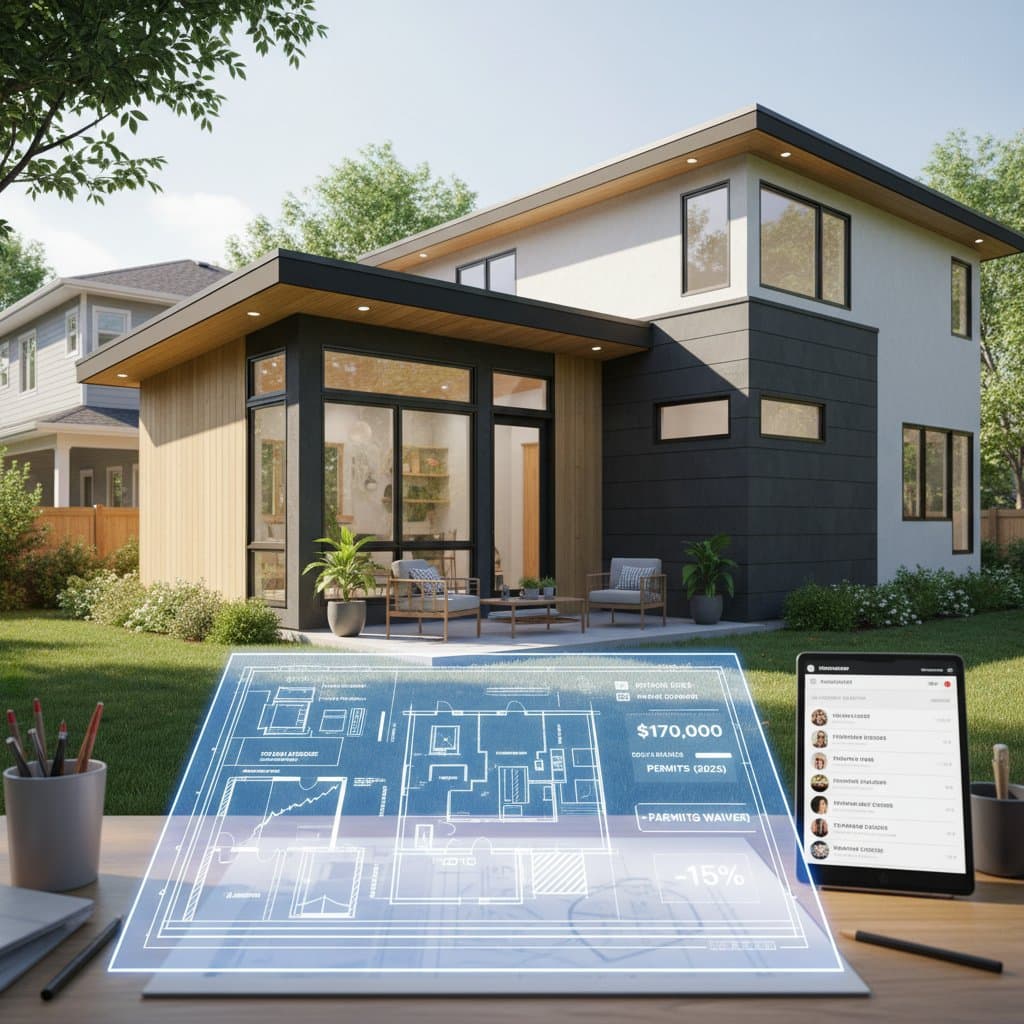
New zoning regulations taking effect in 2025 promise to alter the feasibility and expense of building granny flats, also known as accessory dwelling units (ADUs). These changes aim to address housing shortages by easing restrictions, yet they have resulted in a 15 percent decline in permit approvals nationwide. Factors such as revised setback requirements, eliminated parking mandates, and adjusted height allowances create both opportunities for savings and potential cost increases. Homeowners must navigate these updates carefully to avoid delays or unexpected fees. This guide examines key cost elements, practical strategies, and hiring advice to help you build efficiently.
Key Additional Costs
Beyond core construction, several expenses often arise during granny flat projects. These include:
- Fire sprinklers or seismic upgrades: $3,000 to $8,000
- Detached unit utility trenching: $2,000 to $6,000
- Landscaping and fencing: $3,000 to $10,000
Permits and Disposal Fees
Most municipalities mandate distinct permits for plumbing, electrical, and structural work. In densely populated areas, these combined fees can total $8,000. Additionally, waste disposal and recycling services contribute $500 to $1,500, varying with the volume of materials removed.
Cost Factors Influencing Granny Flat Builds
Understanding the variables that drive expenses enables better budgeting and decision-making. Costs fluctuate based on project scale, location, and execution choices.
Scope and Size
Smaller units, such as a 300-square-foot studio, incur lower overall costs but higher per-square-foot rates than a 600-square-foot one-bedroom layout. Larger designs distribute fixed expenses like permits and engineering across more usable space, potentially improving cost efficiency.
Material Grade and Finish
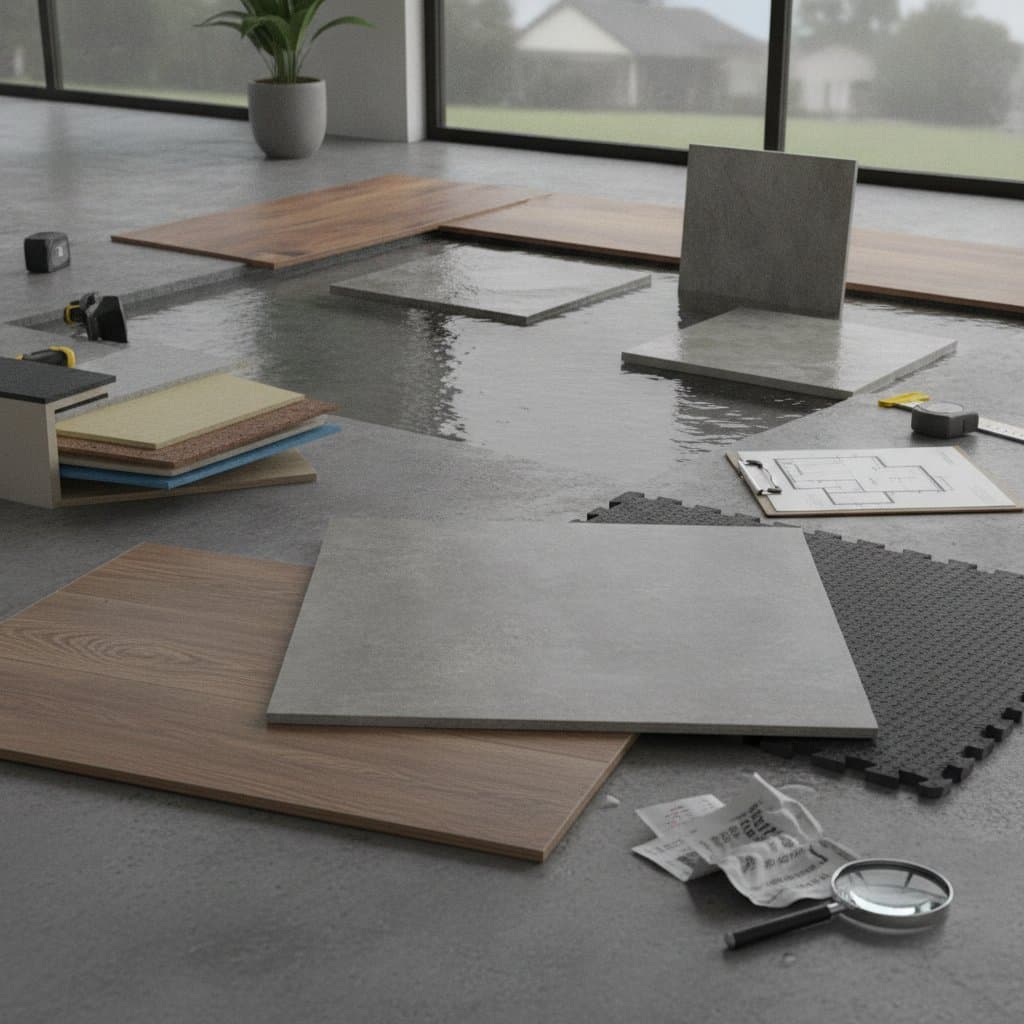
Opting for builder-grade options, including vinyl windows, laminate flooring, and standard cabinets, maintains affordability. Selecting premium alternatives like wood siding, ceramic tile, or quartz countertops can elevate the total budget by 30 percent or greater.
Site Conditions and Accessibility
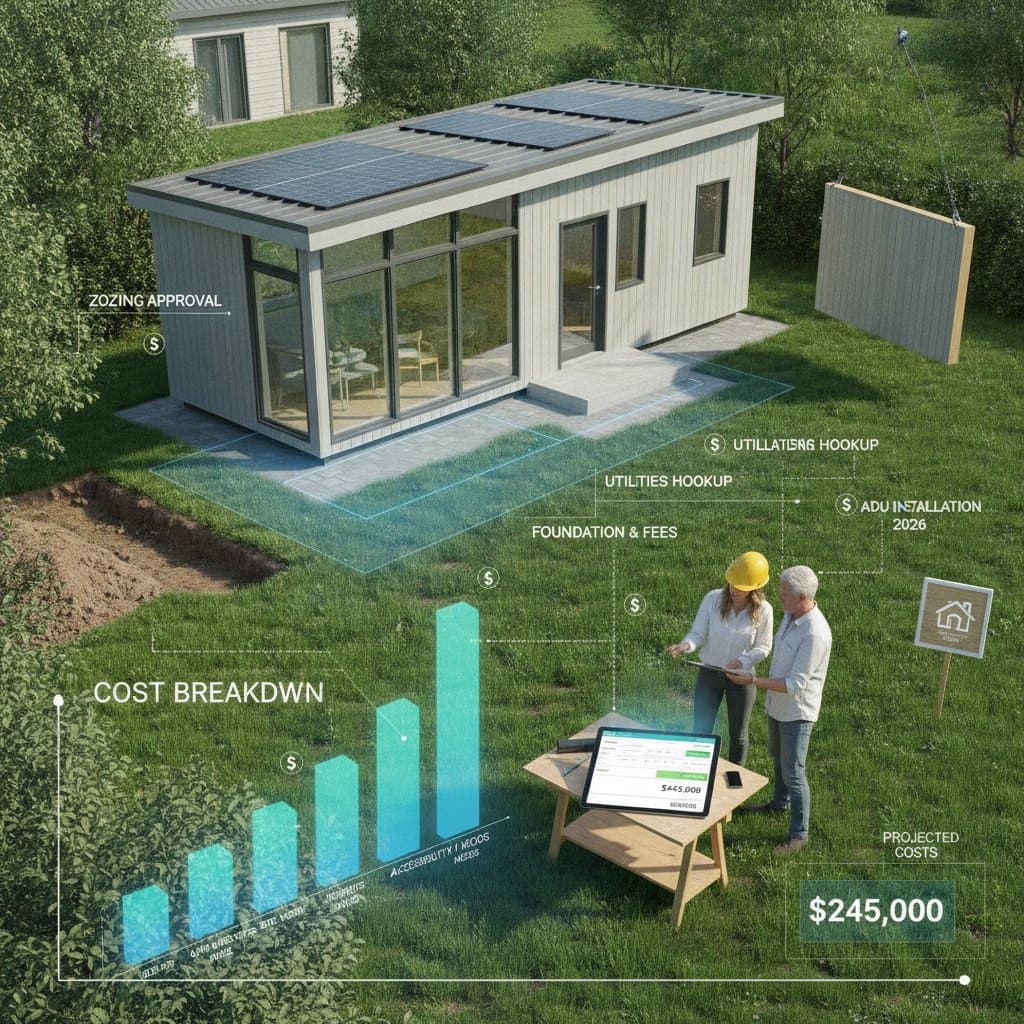
Properties with level terrain and pre-existing utilities present the lowest barriers to entry. Challenging sites, such as those with slopes or limited access, necessitate grading, retaining walls, or specialized equipment like cranes, adding several thousand dollars to labor and machinery charges.
Labor Market and Season
In high-demand urban areas focused on ADU development, skilled labor commands premium rates. Scheduling construction during off-peak seasons, like winter, or amid housing slowdowns can reduce bids by 10 to 20 percent.
Custom Work and Change Orders
Features such as unique roof designs, high ceilings, or additional fixtures accelerate spending. Modifications introduced after initial approvals often require revised permits and corrective labor. Establish complete blueprints prior to commencing site work to prevent such escalations.
DIY Versus Professional Construction
Homeowners weigh the balance between self-directed efforts and expert involvement to control costs without compromising quality or safety.
Opportunities for Capable DIYers
Skilled individuals can handle non-load-bearing tasks, including painting interiors, affixing trim, or assembling cabinetry. Completing these elements saves $3,000 to $8,000, contingent on the desired finish quality.
Essential Professional Tasks
Licensed professionals handle critical systems like electrical upgrades, sewer integrations, and foundational framing. These components undergo rigorous municipal inspections to ensure adherence to safety standards and building codes.
Safety Considerations and Compliance Risks
Engaging with energized circuits, high-pressure plumbing, or elevated surfaces poses significant hazards. Professionals recommend de-energizing utilities, employing stable scaffolding, and utilizing appropriate protective gear. Consult experts for uncertainties regarding code requirements, such as spacing or structural capacities.
Effects on Warranties
Standard warranties from builders typically exclude work performed by owners. If incorporating DIY finishes, review coverage details in advance. Certain contractors permit limited owner contributions, provided inspections occur prior to project completion.
Strategies to Minimize Costs Effectively
Implementing targeted approaches preserves budget integrity while delivering a durable result. Focus on efficiency from the outset.
- Select standard plans: Pre-approved ADU blueprints reduce expenses by 25 to 40 percent relative to bespoke designs.
- Adopt simple geometries: Rectangular layouts with single-pitch roofs limit material waste and shorten labor time.
- Consolidate permits: Bundle ADU construction with primary residence improvements to lower review charges.
- Position near utilities: Locating the unit adjacent to existing lines eliminates extensive excavation expenses.
- Procure balanced materials: Vinyl plank flooring and solid doors offer reliability without excessive outlay.
- Obtain multiple estimates: Ensure each proposal details equivalent specifications, including cleanup and waste management.
Essential Quote Comparison Checklist
- Itemized project scope
- Specified material types and sources
- Inclusion of preparation and site maintenance
- Coverage of permitting and disposal
- Defined warranty duration and conditions
- Milestone-based payment terms
Regional Variations and Zoning Impacts
Statewide zoning evolutions influence ADU affordability through targeted modifications. Primary adjustments encompass setback diminutions, parking dispensations, and dimensional expansions. Minimum lot thresholds for eligibility have decreased in many locales, broadening access while introducing revised administrative charges.
- Setback reductions position structures nearer boundaries, curtailing earthwork and infrastructure extensions. Savings range from $5,000 to $15,000 versus prior mandates.
- Parking waivers remove obligations for dedicated spaces, previously costing $8,000 to $20,000 in paving or enclosure expenses.
- Height and size expansions accommodate multistory or extended layouts, enhancing versatility at the expense of 15 to 25 percent higher framing and base costs.
- Impact fees undergo revision: Proportional scaling favors compact units, though fixed charges for utility additions persist in select areas.
Construction rates differ by geography. Coastal zones exceed $300 per square foot amid workforce constraints and rigorous efficiency standards. Inland markets average $175 to $225, while rural settings fall below $150, offset by potential utility extension challenges.
Guide to Hiring and Project Management
Selecting and overseeing a contractor ensures smooth execution and adherence to budget.
- Solicit at least three detailed proposals, aligning with the comparison checklist.
- Confirm credentials through state registries and secure evidence of insurance protection.
- Validate project parameters, encompassing square footage, surface treatments, and preparatory site tasks.
- Establish phased payments linked to verifiable progress, such as foundation pouring, skeletal erection, and concluding evaluations.
- Mandate routine site sanitation to mitigate hazards and facilitate approvals.
- Maintain regular updates, such as weekly meetings, to preempt disputes and revisions.
Maximizing Value Through Informed Planning
By integrating these zoning insights, cost controls, and professional guidance, homeowners position granny flat projects for success. These reforms not only streamline approvals but also emphasize economical designs that enhance property utility. Approach your build with thorough preparation to realize long-term financial and lifestyle benefits.