Whole-Home Generator Prices Surge 35% Following Widespread Outages
Home standby generators serve as essential backups for homeowners facing frequent power disruptions. Total installation costs have risen by 35% compared to the previous season, driven by material shortages and increased demand after multiple grid failures. This escalation underscores the growing need for reliable power solutions in vulnerable areas.
Summary Box
What it is:
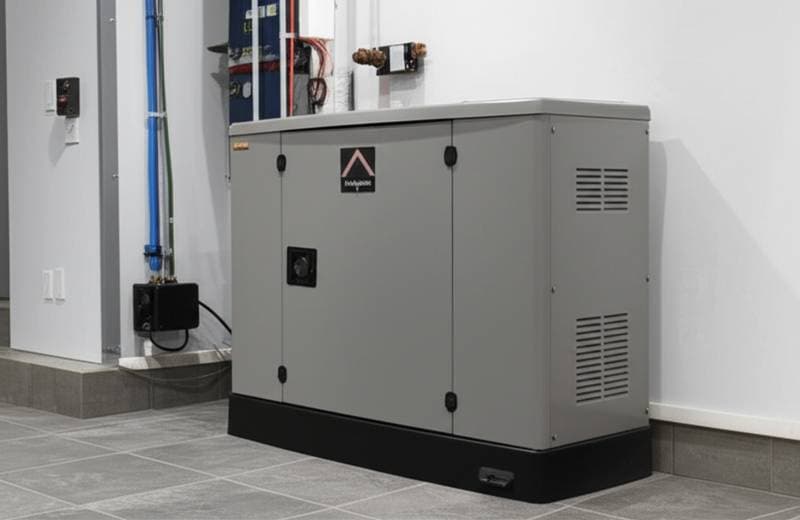
A whole-home generator consists of a permanently installed backup power system that activates automatically during utility power interruptions.
Why it matters:
The system maintains power to critical circuits or the entire residence, safeguarding perishable food, preventing frozen pipes, and protecting sensitive electronics from damage.
Typical cost and what changes it:
The national average for installed systems now falls between $12,000 and $22,000, compared to $9,000 to $15,000 previously. Factors influencing price include generator capacity, length of gas lines, and complexity of the transfer switch.
When to hire a pro:
Professional installation is essential. These systems integrate with gas and electrical infrastructure, demanding expertise from licensed specialists.
How long it takes:
Projects span three to ten days, from permit approval to final testing, influenced by utility approvals and site preparation needs.
Maintenance interval:
Annual servicing covers oil changes, spark plug replacements, and battery inspections.
How It Works
A whole-home generator comprises three primary components:
- Engine: This component uses fuel to drive the alternator, generating electrical current.
- Alternator: It transforms mechanical rotation into usable electrical energy.
- Automatic Transfer Switch (ATS): The ATS monitors grid power, initiates the generator upon failure, and directs electricity to household circuits.
Upon restoration of utility power, the ATS seamlessly returns to the main supply and deactivates the generator. Many models perform a brief weekly self-test to ensure lubrication and operational readiness.
Step-by-Step Installation Process
Installation follows a structured sequence to ensure safety and efficiency.
-
Load Calculation:
An electrician evaluates the home's electrical demands to determine appropriate generator sizing. Undersizing may cause overloads and failures, while oversizing leads to unnecessary expenditures. -
Site Preparation:
Workers pour a concrete or composite pad adjacent to the gas meter or propane tank, ensuring sufficient clearance for ventilation and access. -
Permitting:
Local authorities typically mandate permits for electrical and gas modifications. Utility companies may require pre-approval for grid connections. -
Unit Placement and Piping:
The generator mounts on the prepared pad, followed by routing of gas lines. Electrical conduits link to the main panel via the transfer switch. -
Startup and Testing:
Technicians verify fuel pressure, inspect wiring integrity, and conduct simulated outages to confirm automatic operation.
Complete projects generally require one to two weeks, accounting for weather conditions and inspection timelines.
DIY vs Professional Installation
Whole-home generators demand professional handling due to the involvement of high-voltage wiring, gas lines, and adherence to building codes. Attempting installation without qualifications poses significant risks.
DIY vs Professional Comparison
| Factor | DIY | Professional |
|---|---|---|
| Skill Level | Requires advanced electrical and gas expertise | Involves licensed electricians and plumbers |
| Safety Risk | Elevated due to potential hazards | Managed through certified training and protocols |
| Tools Required | Includes conduit benders, pipe threaders, and multimeters | Utilizes comprehensive trade-specific equipment |
| Permits and Codes | Mandatory, with personal compliance responsibility | Mandatory, handled by experts |
| Time Investment | Exceeds 25 hours | Typically 8 to 12 hours |
| Warranty Effects | Often voids manufacturer guarantees | Preserves full coverage |
Maintenance and Expected Lifespan
With diligent upkeep, whole-home generators endure 15 to 20 years of service. Key maintenance tasks include:
- Oil and filter replacements every 100 to 200 operating hours or annually.
- Annual spark plug updates and battery health assessments with a voltmeter.
- Air intake cleaning and verification of automatic start functions.
- Weekly 20-minute exercise runs to maintain valve lubrication and prevent corrosion.
Professional annual inspections cost between $250 and $400. Failure to perform oil changes or battery maintenance frequently results in breakdowns during critical outages.
Frequently Asked Questions
How large should my generator be?
Generator size hinges on the wattage of desired circuits. Units of 20 to 24 kW suffice for most households, covering essentials like lighting, refrigeration, and heating alongside comfort features such as air conditioning.
Can I use propane instead of natural gas?
Propane serves as a viable alternative, though it incurs higher fuel expenses and necessitates an external storage tank installation.
Do I need a permit?
Permits for gas and electrical work are required in all jurisdictions, accompanied by mandatory inspections prior to system activation.
How loud are standby generators?
Operating noise levels range from 60 to 70 decibels at 20 feet, comparable to the sound of a central air conditioning unit.
Will insurance cover part of the cost?
Coverage applies only to repairs from covered events like storms; routine installation expenses receive no reimbursement.
Can a generator power air conditioning?
Central air systems require a minimum 20 kW unit for reliable operation, ensuring the generator matches the compressor's startup surge.
Essential Steps for Informed Investment
Evaluate your home's power needs and local outage patterns before committing to a whole-home generator. Consult licensed professionals for site-specific assessments to optimize sizing and placement. Regular maintenance ensures long-term reliability, providing peace of mind during unexpected disruptions. This investment not only restores essential functions but also enhances property resilience against future grid challenges.