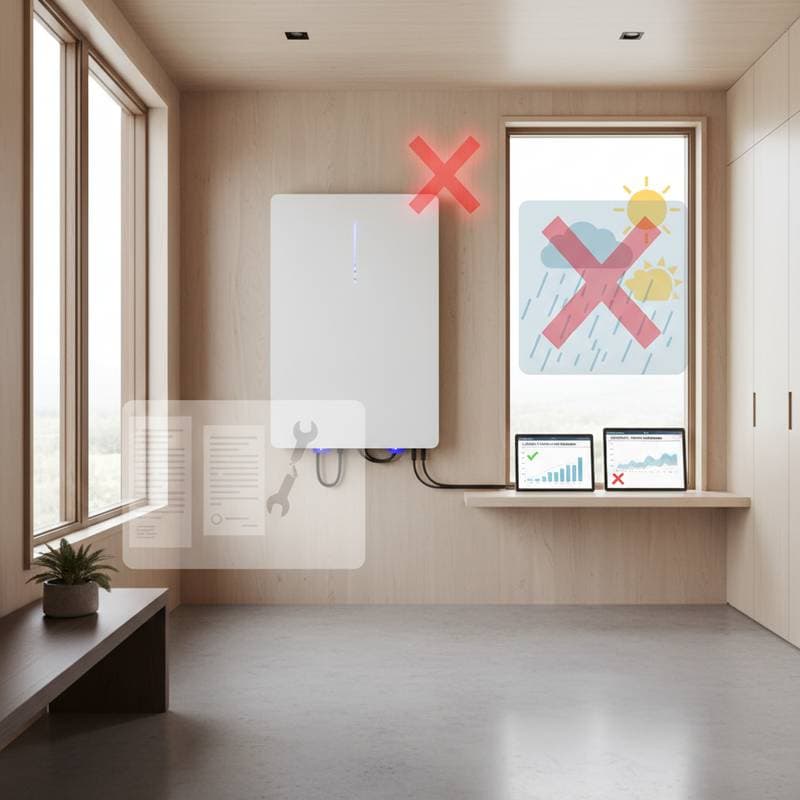
Uncover Gaps in Home Battery Warranty Coverage
Home batteries offer energy independence and reliable backup power during grid failures. However, numerous homeowners find that warranty coverage falls short of expectations. Understanding the scope of coverage, key exclusions, and protective measures helps avoid costly surprises. This guide examines standard warranty terms, essential fine print details, and preparatory steps prior to contract signing.
Cost Breakdown
| Item | Unit Cost | Typical Quantity | Line Total | Notes |
|---|---|---|---|---|
| Battery module | $700 to $1,200 per kWh | 10 kWh | $7,000 to $12,000 | Lithium-ion systems |
| Inverter and controls | $1,500 to $3,000 each | 1 | $1,500 to $3,000 | Converts DC to AC power |
| Mounting and cabling | $500 to $1,000 per system | 1 | $500 to $1,000 | Includes disconnects |
| Labor and installation | $80 to $120 per hour | 20 to 30 hours | $1,600 to $3,600 | Licensed electrician |
| Permit and inspection fees | $200 to $500 | 1 | $200 to $500 | Local jurisdiction |
| Disposal and recycling | $100 to $300 | 1 | $100 to $300 | End-of-life handling |
Typical system total: $10,900 to $17,400, encompassing parts and labor.
Why Warranty Gaps Matter
A home battery warranty does not guarantee free repairs for all malfunctions. Manufacturers vary in their definitions of coverage, with some emphasizing time periods, others focusing on usage cycles or total energy throughput. Even a seemingly comprehensive warranty may require owners to cover labor or transportation expenses during failures.
Common Gaps in Coverage
1. Labor Exclusions
Numerous warranties limit coverage to replacement parts alone. Owners often bear the costs of disassembly, shipping, and reassembly, which range from $80 to $150 per hour.
2. Throughput Limits
Batteries carry lifetime ratings for total energy output. Frequent daily discharges accelerate reaching this threshold, potentially terminating warranty protection despite ongoing functionality.
3. Environmental Conditions
Exposure to extreme temperatures, humidity, or inadequate airflow voids coverage. Installations must adhere to manufacturer-specified environmental parameters.
4. Unauthorized Service
Any intervention by non-approved personnel, including modifications or DIY wiring, risks warranty invalidation. Claims may be denied based on such actions.
5. Grid Outages and Surges
Failures from lightning strikes, voltage spikes, or external grid issues fall outside standard coverage. Owners must implement surge protectors and proper grounding.
6. Software Updates
Failure to apply required firmware updates or integration of incompatible third-party software can jeopardize warranty status. Maintain current software versions at all times.
DIY Installation Versus Professional Service
Tasks Suitable for Skilled Homeowners
Prepare the site by clearing space, installing mounting supports, and routing conduit with professional oversight. Handle permit applications and schedule inspections independently.
Licensed and Specialized Requirements
High-voltage wiring, inverter configuration, and grid-tie connections demand certified electricians. Local regulations typically require pre-activation inspections.
Safety and Compliance Considerations
These systems hold substantial energy reserves, posing risks of fire or electrocution if mishandled. Adhere to National Electrical Code standards for clearances, shutoffs, and airflow.
Effects on Warranty
Self-performed installations frequently nullify manufacturer guarantees. Verify installer certification with the battery producer prior to commencement.
Strategies to Minimize Risks and Costs
Evaluate Multiple Proposals
Solicit at least three detailed bids using a consistent evaluation framework:
- Itemized breakdown of components
- Specified battery model and capacity
- Inclusion of labor, permitting, and disposal charges
- Defined warranty conditions and claim response timelines
- Milestone-based payment terms
Optimize Installation Environment
Position units in climate-controlled spaces like garages or basements to enhance durability. Steer clear of sun-exposed areas or enclosed spaces lacking ventilation.
Maintain Brand Consistency
Select compatible components from a single manufacturer for inverters, batteries, and monitoring systems. This approach minimizes integration problems and safeguards warranty terms.
Explore Extended Coverage Options
Certain providers extend labor-inclusive plans beyond standard warranties. Such additions shield against expenses related to disassembly and reassembly.
Implement Routine Inspections
Conduct yearly professional reviews to identify emerging problems. Retain documentation of all maintenance to support future warranty claims.
Project Timeline Essentials
Material Procurement Delays
Expect delivery intervals of four to eight weeks, particularly amid peak demand periods. Secure reservations and installation slots in advance.
On-Site Installation Duration
Professional teams typically complete wiring, inverter integration, and initial testing over two to four days.
Approval Milestones
Anticipate electrical inspections and utility clearances before energizing the system. Archive all approvals to validate warranty eligibility.
Ongoing Maintenance and Longevity
Recommended Upkeep Practices
Ensure the area remains free of dust and moisture. Inspect vents and seals annually, and monitor system notifications on a monthly basis.
Indicators of Potential Issues
Observe for diagnostic codes, diminished charging efficiency, or unexpected halts in operation. These symptoms often indicate cell degradation or control unit malfunctions.
Repair or Replacement Decisions
When capacity falls below 60 percent post-warranty, full replacement generally proves more economical than piecemeal fixes. Seek recycling incentives to reduce end-of-life expenses.
Secure Your Investment Before Purchase
Review the full warranty text meticulously prior to commitment. Clarify responsibilities for labor, transport, and testing fees with the provider. Request a straightforward explanation of throughput restrictions; for instance, a 10 kWh unit with a 30,000 kWh lifetime limit equates to roughly 3,000 complete discharges. Daily usage could exhaust this within a decade, underscoring the need for informed planning.