The True Cost of LVP Flooring in 2025: A Complete Breakdown
Luxury vinyl plank flooring stands out as a popular choice for homeowners who desire the elegance of hardwood without the high maintenance or expense. This versatile option combines realistic wood-like visuals with superior resistance to moisture and daily wear. To navigate the pricing effectively, homeowners must examine the elements that shape total costs, from materials to labor, ensuring they select options that align with their budget and lifestyle needs.
What Is LVP Flooring and What Does Installation Typically Include?
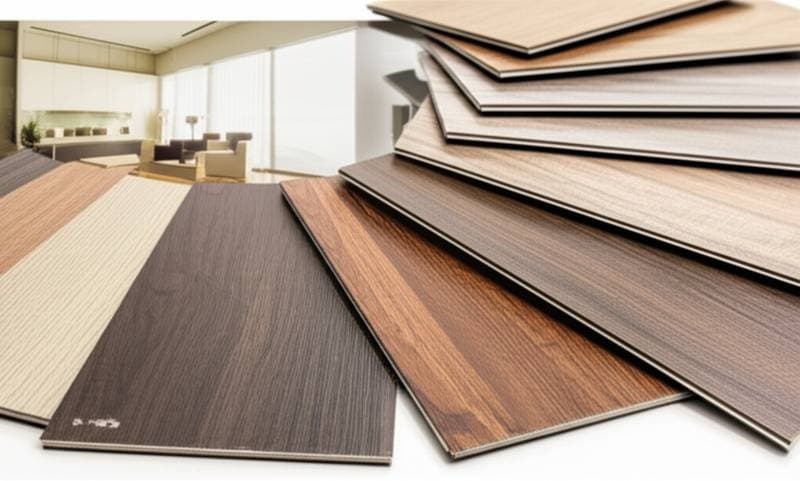
LVP flooring consists of multi-layered synthetic planks engineered to replicate natural wood grains and textures. The construction features a durable backing for stability, a rigid vinyl core for support, a high-definition printed layer for aesthetics, and a protective wear layer to guard against scratches and fading. Certain varieties incorporate built-in underlayment, which enhances comfort underfoot and dampens sound.
Installation services vary by provider, but most encompass supplying the planks and laying them in place. Comprehensive packages may cover subfloor repairs, transition strips between rooms, and basic trim installation, while simpler ones focus solely on plank placement. Clarify the scope upfront to gauge the full financial commitment.
Key Components of LVP Flooring Expenses
Costs for LVP flooring divide primarily into materials and installation, with multiple factors influencing the final amount. Homeowners benefit from obtaining detailed breakdowns to compare options accurately.
Material Costs
- Basic LVP options: $1.50 to $2.50 per square foot, suitable for low-traffic areas with standard designs.
- Mid-tier selections: $2.50 to $4.00 per square foot, offering improved texture and moderate durability.
- High-end varieties: $4.00 to $7.00 per square foot, featuring advanced waterproofing, thicker wear layers, and click-lock systems for easier setup.
Premium materials often justify their price through enhanced features like antimicrobial surfaces or rigid cores that prevent warping in humid environments.
Installation Expenses
Labor typically runs $1.75 to $3.50 per square foot, influenced by the subfloor's condition, the room's configuration, and regional wage rates. Intricate designs, such as herringbone patterns, or tasks like removing old carpet can increase rates by 20 to 50 percent. Always insist on quotes that list labor separately from materials and any disposal charges for transparency.
Step-by-Step Guide to the LVP Installation Process
-
Project Evaluation
Schedule an on-site visit where the contractor measures the area and notes any obstacles, such as uneven subfloors or doorways. This consultation yields a customized estimate and suggestions for plank styles that suit the space. -
Detailed Inspection
The expert checks for issues like excess moisture or structural weaknesses that could compromise the installation. Addressing these early, such as applying a sealant, adds $0.50 to $1.50 per square foot but prevents costly callbacks. -
Contract Review and Approval
Examine the proposal for details on timelines, payment schedules, and potential add-ons like restocking if products change. Negotiate inclusions to avoid surprises. -
On-Site Installation
Teams acclimate planks to the room's temperature, then cut and fit them precisely, leaving small expansion gaps around edges. Most projects wrap up in one to three days for areas up to 1,000 square feet. -
Post-Installation Review
Request a walkthrough to verify seams and finishes. Confirm warranty activation, which often spans 10 to 30 years and covers manufacturing flaws.
Hidden Costs and What Contracts Often Omit
Many agreements exclude elements that can inflate the budget unexpectedly. Common omissions include:
- Leveling uneven subfloors or installing vapor barriers.
- Moving heavy furniture or demolishing existing baseboards.
- Hauling away debris from prior flooring.
- Fixing underlying issues like water damage.
- Adapting to non-standard room shapes or access challenges.
Review contracts line by line and ask about these to budget accordingly. Providers assuming ideal conditions may add 10 to 30 percent for deviations.
Upfront and Ongoing Financial Considerations
Initial outlays for LVP flooring generally total $3.50 to $8.00 per square foot when combining materials and labor. Supplementary items like edge trims, door thresholds, or glues contribute another $0.50 to $1.00 per square foot. Preparatory work, if needed, ranges from $0.75 to $2.00 per square foot.
Over time, factor in upkeep, which remains minimal compared to wood—simple sweeping and occasional mopping suffice. Lifespans reach 15 to 25 years, yielding an annual cost of $0.20 to $0.50 per square foot. Warranties might limit claims for pet scratches or sun exposure, and matching replacement planks could prove challenging due to batch variations. Weigh these against alternatives: LVP often outperforms laminate in longevity while undercutting hardwood's refinishing needs.
Comparing Provider Packages for Value
Providers structure offerings in tiers to match different project scales and needs. Use this table to evaluate options based on per-square-foot pricing.
| Package Tier | Total Cost per Sq. Ft. | Included Services | Coverage Limits | Notable Exclusions |
|---|---|---|---|---|
| Basic | $3.50 to $5.00 | Materials and basic lay-in | Up to 500 sq. ft. | Subfloor prep, debris removal |
| Standard | $5.00 to $7.00 | Materials, labor, basic trim | Up to 1,000 sq. ft. | Advanced patterns, furniture moving |
| Premium | $7.00 to $9.00 | Full prep, custom fits, cleanup | Unlimited | None typical, but verify for high-traffic zones |
Higher tiers minimize add-ons, providing peace of mind for larger or complex jobs.
Safeguarding Your Investment
Protect against pitfalls by verifying the contractor's license, bonding, and insurance coverage before committing funds. Demand written details on warranties, including who resolves installation faults versus product issues. Source manufacturer specs independently to spot pro-rated terms that diminish value after five years or exclusions for DIY alterations.
Disputes often stem from vague subcontractor use or unlisted fees, so prioritize established firms with positive reviews.
Securing the Best LVP Flooring Value
Approach LVP projects with thorough preparation: Gather at least three itemized quotes using identical specifications, such as room dimensions and subfloor type. During installation, monitor progress to catch issues promptly, and retain all documentation for warranty claims.
This strategy not only controls costs but also ensures a flawless result. Homeowners who invest time in due diligence emerge with flooring that enhances their home's appeal and functionality for years, all while staying within financial bounds.