Understanding 25-Year Solar Warranties: Safeguard Your Investment
Solar panel installation represents a strategic investment in reducing electricity costs and enhancing property value. Homeowners often invest significant resources in these systems, yet the accompanying warranty coverage receives less attention than it deserves. A robust warranty serves as a critical safeguard, mitigating the financial risks of repairs and ensuring sustained performance across decades.
By grasping the intricacies of solar warranties, individuals position themselves to make informed decisions. This knowledge not only averts unexpected expenses but also supports long-term energy independence. The following sections outline essential elements, cost considerations, maintenance practices, and strategic steps to maximize warranty benefits.
Essential Components of Solar Warranties
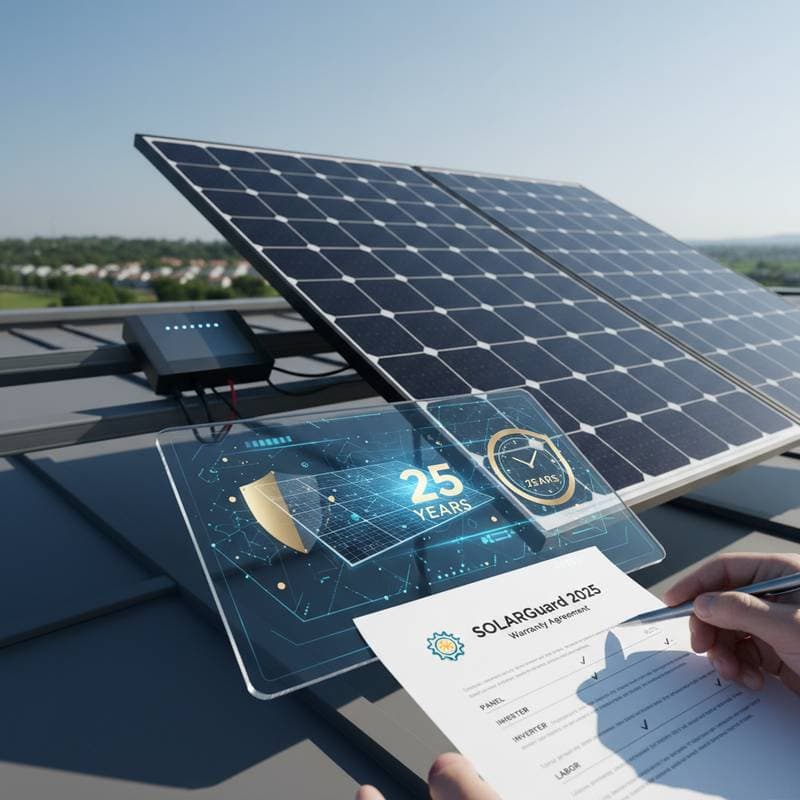
Solar warranties encompass multiple layers of protection, each addressing specific system vulnerabilities. Panels typically receive coverage for 25 years, guaranteeing structural integrity and output levels. Inverters, which convert solar energy into usable power, often carry shorter terms of 10 to 12 years, though extensions prove available.
Workmanship warranties, provided by installers, protect against installation flaws for 5 to 10 years. Performance guarantees specify that panels maintain at least 80 to 90 percent of initial output after 25 years, with linear degradation models detailing annual declines. Transferability allows coverage to pass to new owners, preserving resale value.
Exclusions warrant careful review; many policies omit damage from natural disasters, improper installation, or neglect. Manufacturer warranties focus on product defects, while installer guarantees address labor issues. Regional service availability influences response times, with urban areas benefiting from faster support compared to remote locations.
To evaluate options, compare these factors:
- Duration of coverage for panels, inverters, and labor.
- Projected annual energy output percentages.
- Inclusion of diagnostic and replacement labor costs.
- Provisions for transferring coverage upon home sale.
- Division of responsibilities between manufacturers and installers.
- Extent of service networks and typical response periods.
- Specific exclusions, such as weather-related or misuse damages.
Factors Influencing Warranty Costs
Standard warranties integrate into the overall system price, eliminating upfront surcharges for basic protection. Optional extensions, however, incur additional fees. An extended inverter warranty ranges from $300 to $1,000, depending on capacity and duration. Comprehensive system plans, covering labor and parts, cost between $500 and $1,500.
Several variables elevate these expenses. Larger systems demand more materials and labor, increasing protection premiums. Complex roof configurations, such as steep pitches or multiple angles, complicate servicing and raise rates. Reputable brands command higher fees due to their established reliability and broader support networks.
Other cost drivers include:
- Off-grid configurations requiring specialized components.
- Remote locations necessitating travel for technicians.
- Integration with battery storage or hybrid inverters.
- Custom wiring or mounting solutions.
Homeowners benefit from obtaining quotes from multiple providers to identify cost-effective packages. Bundling warranties with installation services often yields discounts, streamlining procurement.
Balancing DIY Maintenance with Professional Expertise
Homeowners assume responsibility for basic upkeep to uphold warranty validity. Routine tasks include monthly visual inspections for signs of wear, such as microcracks or discoloration on panels. Cleaning involves gentle methods: apply a solution of water and mild detergent using a soft-bristle brush, then rinse thoroughly to avoid residue buildup.
Access panels safely with stable ladders equipped for roof use, and perform these activities during daylight to assess conditions accurately. Monitor system apps or dashboards for output anomalies, addressing shading from overgrown vegetation by pruning branches annually.
Certain interventions demand professional intervention to mitigate risks and comply with warranty stipulations. Electrical troubleshooting, inverter swaps, or roof-mounted repairs involve high voltages and structural hazards. Engage certified technicians for biennial inspections, which verify alignment with performance standards and document compliance.
Professionals utilize specialized tools, such as thermal imaging cameras, to detect hidden issues like hot spots or loose connections. Scheduling these services prevents minor problems from escalating, potentially saving thousands in future repairs.
Optimizing System Longevity Through Care
Proper maintenance extends panel lifespans to 25 to 30 years, while inverters endure 10 to 15 years under optimal conditions. Debris accumulation, including leaves or pollen, reduces efficiency by up to 20 percent; address this with quarterly cleanings in high-pollution areas.
Bird droppings pose corrosive threats, so install deterrents like mesh screens if infestations occur. Temperature fluctuations affect performance, with excessive heat accelerating degradation; ensure adequate ventilation around inverters.
Warranty adherence requires meticulous record-keeping. Retain all receipts, inspection reports, and monitoring logs as evidence of diligence. Failure to provide this documentation may result in denied claims, underscoring the importance of organized files.
Adapting Warranties to Regional Climates
Environmental conditions shape warranty effectiveness and necessitate tailored selections. Coastal zones expose systems to salt-laden air, promoting corrosion; seek policies endorsing panels tested for salt mist resistance under standards like IEC 61701.
Humid climates foster mold growth on frames, so prioritize warranties covering sealant integrity. In arid, dusty regions, abrasion on surfaces demands robust glass protections. Snow-prone areas require guarantees against frame warping from freeze-thaw cycles.
Many warranties exclude acts of nature, such as hail or high winds, shifting responsibility to homeowners insurance. Review policies for supplemental riders addressing microclimatic risks, ensuring comprehensive safeguarding. Local installers offer insights into region-specific vulnerabilities, guiding selections.
Steps to Activate and Maintain Warranty Protection
Initiate coverage by gathering documentation for every component upon installation. Register products with manufacturers promptly, as delays can invalidate terms. Organize files digitally or physically, including serial numbers and activation dates.
Calendar reminders for inspections and renewals prevent oversights. Consult installers annually to confirm ongoing eligibility, particularly after system modifications like expansions.
Robust solar warranties deliver substantial returns, offsetting repair costs and sustaining energy production. Informed choices empower homeowners to enjoy reliable, cost-effective clean energy for generations, transforming initial investments into enduring assets.