Unveiling Hidden Loopholes in Home Warranties That Void Claims
Quick Overview
Home warranties appear to provide comprehensive coverage for repairs, but exclusions and limits in the contract can result in unexpected out-of-pocket expenses.
- Policies frequently exclude preexisting conditions, improper installations, and required code upgrades.
- Payout caps, service fees, and restrictions on brands reduce effective coverage.
- Select a warranty that aligns with your home's systems, age, and potential risks prior to purchase.
Understanding Home Warranties
A home warranty functions as a service contract designed to repair or replace essential home systems and appliances due to normal wear and tear. This differs from homeowners insurance, which addresses perils such as fire, theft, or natural disasters. Warranties target mechanical failures, yet numerous provisions create barriers to successful claims during critical moments.
Advantages and Disadvantages
Advantages
- Offers predictable expenses for approved repairs.
- Simplifies service by coordinating through a single contact.
- Supports maintenance of aging systems that remain operational.
- Enhances property value during sales by assuring potential buyers.
Disadvantages
- Omits coverage for prevalent failure reasons.
- Repair allowances often fall short of actual expenses.
- Limits options for selecting preferred technicians.
- Detailed terms may delay or reject claims.
Scenarios for Success and Failure
Ideal Applications
- Suitable for homes with aging systems prone to imminent breakdowns.
- Provides budgetary stability for routine malfunctions.
- Valuable when preparing a property for sale to build buyer trust.
Common Pitfalls
- Fails if equipment suffers from faulty installation or inadequate upkeep.
- Does not apply to issues present before the policy effective date.
- Excludes scenarios requiring code compliance or structural modifications.
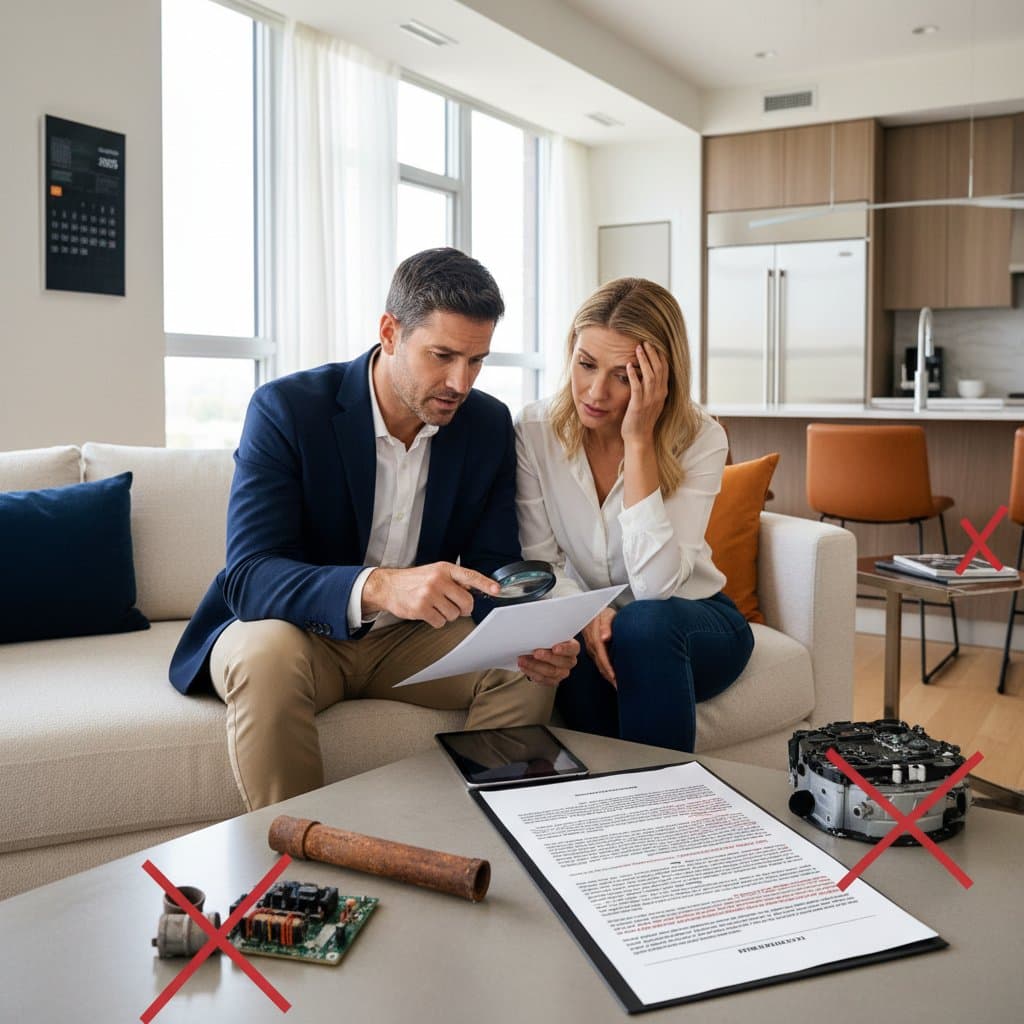
Guide to Reviewing a Home Warranty Contract
Preparation Materials and Duration
Gather the contract document, a highlighter, notepad, and calculator. Allocate approximately 45 minutes for thorough examination of each provision. This task demands careful attention to specifics.
Step 1: Preparation
Locate recent inspection reports or maintenance logs. Reference these to verify the policy's alignment with your home's components.
Step 2: Identify Covered Components
Examine explicit lists of included systems and appliances, such as heating, ventilation, air conditioning units, water heaters, plumbing, electrical setups, and kitchen devices. Note any items absent from your property or protected by existing manufacturer guarantees.
Step 3: Pinpoint Exclusions
Emphasize phrases indicating non-coverage, such as "excluded" or "not applicable." These sections reveal primary vulnerabilities, including denials for corrosion, faulty setups, or regulatory infractions.
Step 4: Examine Financial Limits
Policies impose maximum payouts per item or annually. Document these figures. For instance, a $1,500 limit on heating, ventilation, and air conditioning replacements may leave you responsible for the balance if actual costs reach $7,000.
Step 5: Assess Service Charges
Plans typically require a per-visit fee ranging from $75 to $150. Multiple visits for a single problem could multiply these costs. Clarify whether addressing several appliances in one session counts as a single charge.
Step 6: Evaluate Response Protocols
Agreements specify service within a "reasonable" period, which varies from immediate to several days. Inquire about definitions of urgent situations and their handling priorities.
Step 7: Review Replacement Policies
Providers may furnish equivalent rather than identical units or opt for cash settlements below market value. Understand these options to anticipate potential shortfalls.
Step 8: Confirm Technician Requirements
Most policies mandate use of designated contractors. Verify if engaging your preferred licensed professional invalidates the agreement.
Step 9: Note Renewal and Termination Conditions
Automatic renewals are common, alongside possible exit penalties. Record key dates for renewal and cancellation periods.
Step 10: Maintain Claim Records
Log all interactions, including dates and outcomes. Such documentation strengthens appeals against rejections.
Frequent Coverage Gaps
Preexisting Conditions
Issues detectable before policy inception receive no coverage, even if unnoticed initially. Providers may classify subtle problems as preexisting. Establish baseline system conditions through documentation upon enrollment.
Faulty Installation or Alterations
Coverage lapses if systems lack proper permits or deviate from manufacturer guidelines. Secure installation verification from contractors before acquiring the warranty.
Required Code Upgrades
Repairs necessitating compliance updates fall outside standard coverage. These enhancements can escalate expenses significantly, particularly in electrical or plumbing contexts.
Resulting Secondary Damage
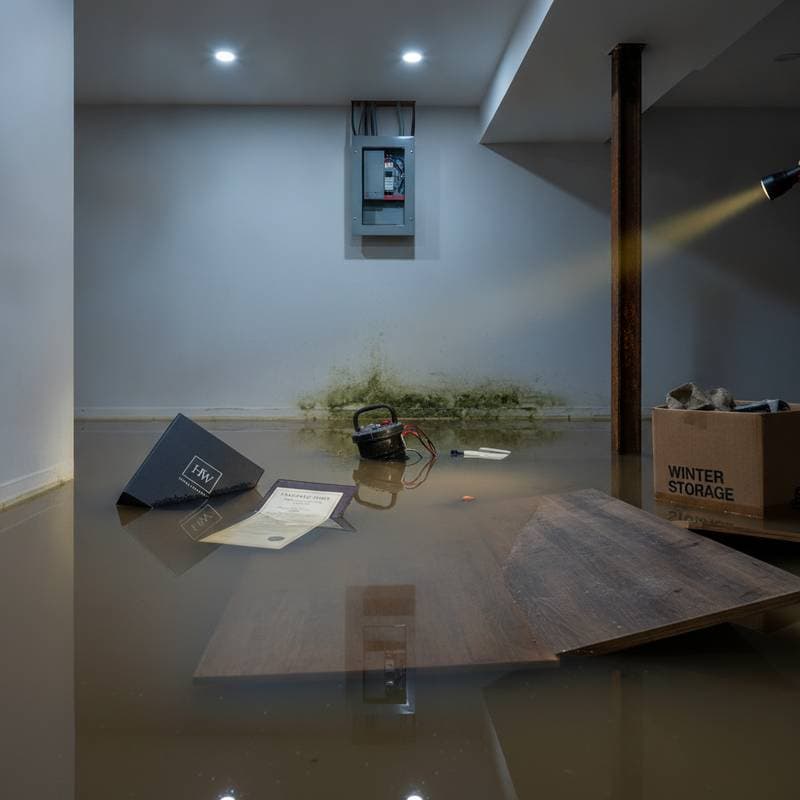
A covered component failure, such as a water heater leak damaging floors, limits reimbursement to the primary item. Related harms require homeowners insurance intervention.
Access Challenges
Procedures involving demolition of walls, floors, or ceilings often exclude associated labor. Policies address the faulty part alone.
Brand and Model Constraints
Replacements may restrict to approved or basic models, potentially sacrificing advanced features or efficiency standards.
Inadequate Maintenance
Failure to perform routine tasks like filter replacements or cleanings nullifies claims. Preserve all service records and invoices as evidence.
Permit and Disposal Expenses
Homeowners bear these additional costs unless specified otherwise. Confirm inclusion in the plan or prepare for separate payments.
Pricing Considerations
Standard annual plans range from $450 to $900.
Elements Increasing Premiums
- Properties with expansive layouts and numerous components.
- Optional extensions for features like pools, well systems, or septic units.
- Elevated coverage thresholds or reduced service charges.
- Equipment age or history of prior incidents.
Elements Decreasing Premiums
- Recently constructed homes or items under original guarantees.
- Integration with property transactions.
- Annual payment selections over monthly installments.
Repair Versus Replacement Decisions
Opt for full replacement when systems approach obsolescence or parts become unavailable, as cumulative fees and partial reimbursements may exceed total costs.
Self-Managed Versus Professional Approaches
Suitable for Independent Handling
- Contract analysis and policy comparisons.
- Review of upkeep histories and component lifespans.
- Documentation of claims and supporting materials.
Recommend Professional Assistance
- Assessment of installation integrity.
- Examination of concealed elements like wiring or ventilation ducts.
- Navigation of regulatory adherence and permitting.
Engage a certified inspector to catalog system statuses. This evidence counters assertions of prior defects during disputes.
Upkeep Strategies for Prevention
Recommended Schedule
Conduct inspections every six to twelve months, ideally before policy renewals.
Essential Activities
- Replace heating, ventilation, and air conditioning filters and cleanse coils.
- Drain water heaters to eliminate buildup.
- Validate ground fault circuit interrupter outlets and circuit breakers.
- Execute built-in cleaning functions on appliances.
- Archive all service timelines and documentation.
Expected Benefits
Maintenance validation bolsters claim validity and prolongs system durability. Annual logs facilitate performance trend analysis.
Viable Alternatives
Self-Funded Reserve
Allocate funds monthly equivalent to warranty premiums for repair needs. This approach suits properties with modern systems and robust savings.
Manufacturer Extensions
Original equipment producers provide prolonged protections for individual items. Ideal for maintaining brand authenticity and specialized servicing.
Local Service Agreements
Regional specialists in heating, ventilation, air conditioning, or plumbing offer membership programs with expedited access and reduced rates. Preferable for reliance on established local experts.
Frequently Asked Questions
How does a home warranty differ from homeowners insurance?
Homeowners insurance safeguards against abrupt events causing damage. Warranties address gradual deterioration in designated systems and appliances.
May I select my preferred repair professional?
This depends on policy terms. Numerous plans insist on network-affiliated providers.
Does coverage extend to roof leaks?
Typically no, absent a dedicated add-on. Even with one, limitations apply to minor fixes rather than comprehensive restorations.
What leads to claim denials?
Frequent causes encompass prior conditions, insufficient upkeep, or non-included elements like ducts or gaskets.
Do warranties include code upgrade expenses?
Seldom. Separate endorsements or personal funding may be necessary.
Is a warranty essential for newly built homes?
Consider it only for extensions beyond builder or factory protections, avoiding redundant expenditures.
Can policies be terminated at will?
Cancellation is generally permitted, though penalties and notice requirements vary by contract.
Pre-Purchase Verification Checklist
-Clarify provisions for code upgrades.
- Document renewal and exit procedures.
- Prepare maintenance evidence.
- Assemble installation proofs for primary systems.
Identifying Promotional Warnings
Advertisements frequently tout "total protection," yet such assurances prove illusory. Recognize these indicators of potential shortcomings:
- Ambiguous language, including terms like "essential fixes" or "broad safeguards" without quantified boundaries.
- Introductory discounts that surge upon continuation.
- Intermediary vendors who collect fees while delegating services.
- Absence of accessible sample agreements.
Demand the complete contract document upfront. Reluctance from representatives signals unreliability.
Timing for Policy Adjustments
Reevaluate coverage following major system replacements. Additions like solar installations, purification units, or automated features require verification of eligibility. Review amendment clauses; some permit interim changes, while others restrict modifications to renewal cycles.
During property sales, assess transfer costs. Transferable policies enhance marketability without excessive fees.
Strategies for Contesting Rejections
Do not yield to initial denials. Proceed as follows:
- Solicit written justification, citing the specific policy section.
- Cross-reference the explanation against contract language.
- Supply corroborating evidence, such as upkeep logs or expert evaluations.
- Request supervisory intervention or official reassessment.
- Lodge a formal grievance with state consumer affairs if resolution fails.
Thorough follow-up frequently reverses decisions.
Securing Lasting Protection
Align home warranties with genuine requirements to minimize disruptions from failures. Avoid presuming universal coverage leads to financial waste. Approach selection with diligence: scrutinize provisions, pose precise inquiries, and weigh expenses against independent repair scenarios.
Sustain meticulous records, uphold consistent maintenance, and reassess policies annually. These practices shield against unforeseen liabilities.