Reasons Solar Plans Conceal Additional Expenses
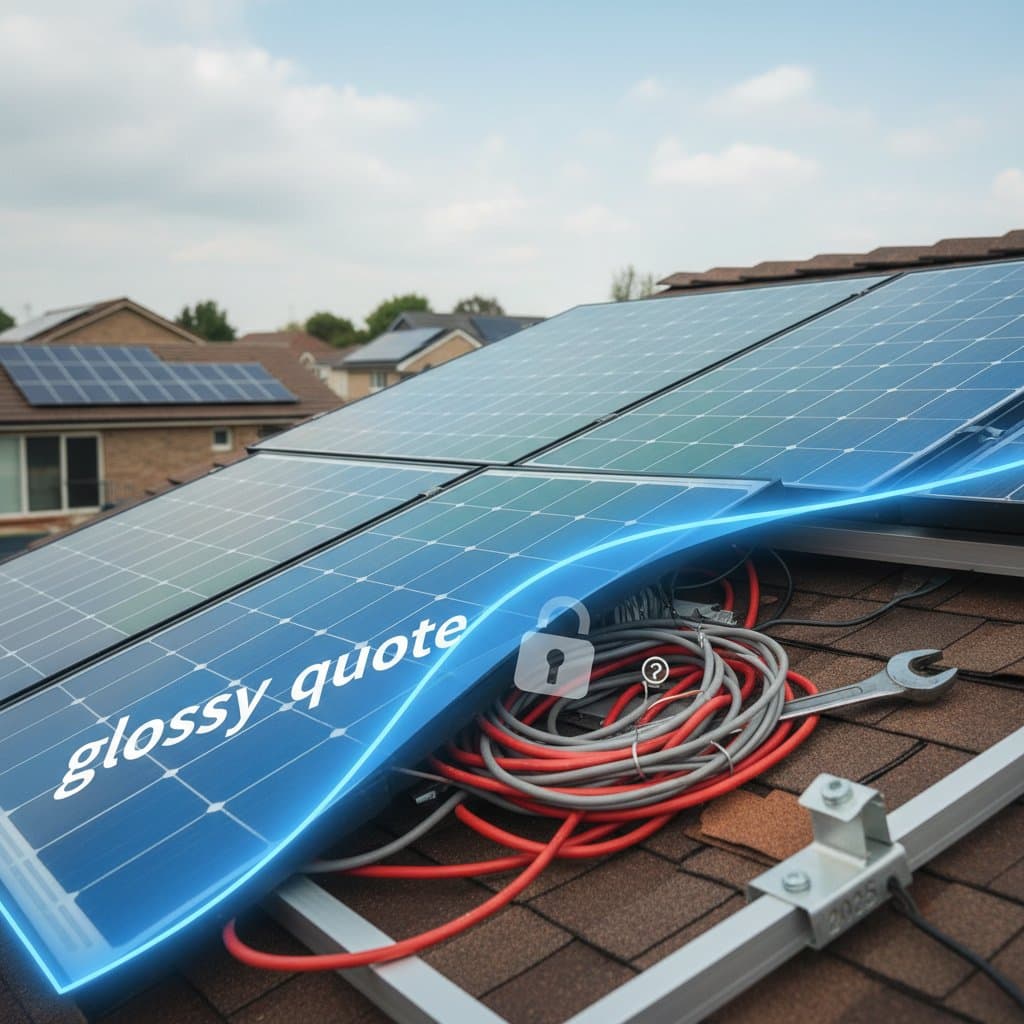
Solar installations attract homeowners with promises of reduced energy bills and sustainable power generation. However, providers frequently omit certain costs from upfront estimates to present more competitive pricing. These omissions include labor under warranties, routine system upkeep, and preparatory modifications to existing infrastructure.
Understanding these practices requires examining industry incentives. Installers often prioritize securing contracts over full disclosure, relying on standardized agreements that bury details in lengthy documents. Homeowners who overlook these elements face escalating expenses post-installation, which can extend the payback period beyond initial projections.
Quick Overview
Solar systems reduce reliance on utility grids, but comprehensive quotes remain rare.
- Warranties typically exclude labor expenses, replacement parts, or structural repairs.
- Responsibility for maintenance and performance monitoring frequently falls to the owner.
- Available tax incentives and rebates seldom offset unforeseen fees or required enhancements.
Advantages and Drawbacks
Advantages
- Installed systems generate electricity that lowers monthly utility statements over time.
- Adoption of solar power contributes to decreased greenhouse gas emissions.
- Enhanced property appeal can increase market value during resale.
Drawbacks
- Post-installation service charges and monitoring requirements emerge unexpectedly.
- Warranty provisions prove incomplete or ambiguously worded.
- Leasing arrangements or power purchase agreements incorporate annual rate increases.
- Preparatory work on roofs or electrical systems receives no inclusion in base pricing.
Guide to Evaluating a Solar Contract
Approach contract review systematically to identify potential cost traps. Allocate dedicated time in a quiet environment, gathering all necessary materials beforehand. This process empowers homeowners to negotiate better terms or select superior providers.
Required Tools
- Energy cost calculator for projections.
- Flashlight for on-site roof assessments.
- Recent utility statements for usage comparison.
- Fine-tip pen to annotate key sections.
Estimated Duration
One hour.
Skill Level
Moderate; basic familiarity with home energy needs assists.
-
Examine Panel Specifications and Capacity. Note the wattage per panel and total quantity installed. Cross-reference the aggregate output against your household's monthly consumption patterns to ensure adequacy.
-
Locate Warranty Durations. Identify coverage for three distinct categories: equipment defects, output efficiency, and installation labor. Providers sometimes consolidate these into a single, less comprehensive term.
-
Identify Exclusion Clauses. Scrutinize language indicating restrictions, such as "coverage limited to materials," "warranty applies to installer workmanship exclusively," or "owner assumes transport costs."
-
Verify Inverter Protections. Inverters represent a common failure point within five to ten years. Confirm whether the plan encompasses full replacement or restricts support to initial periods.
-
Assess Roof Preparation Obligations. Installers may mandate pre-existing roof reinforcements or full replacements, with all associated expenses borne by the homeowner. Request written estimates for these prerequisites.
-
Clarify Monitoring and Upkeep Duties. Determine responsibility for fault detection, efficiency tracking, and cleaning schedules. Owner-managed tasks demand budgeting for specialized equipment and periodic professional consultations.
-
Analyze Rate Adjustment Mechanisms. In leasing or power purchase models, annual escalations compound over the contract term. Calculate the long-term impact using the specified percentage rate.
-
Secure Written Documentation for All Proposals. Document verbal discussions in email correspondence and retain multiple iterations of quotes. This record prevents disputes during execution.
-
Conduct Pre-Payment Verification. Measure system performance metrics and confirm panel orientations align with optimal sunlight exposure. Address discrepancies immediately to avoid future claims denials.
-
Organize Essential Records. Compile contracts, warranty certificates, and equipment serial numbers into a secure, accessible repository for reference during ownership.
Choosing Between Self-Maintenance and Professional Services
Homeowners with technical aptitude may handle basic upkeep, but complex issues necessitate expert intervention. Weigh personal skills against safety risks and warranty implications before proceeding independently.
Suitable for Self-Maintenance When
- Existing panels require only surface cleaning or visual inspections.
- Safe roof access occurs via secured harnesses and stable footwear.
- Cleaning employs gentle brushes, neutral detergents, and purified water to prevent residue buildup.
Recommend Professional Assistance For
- Detected electrical irregularities, material degradation, or cabling impairments.
- Sudden declines in energy production without apparent physical damage.
- Interventions involving inverters or connection points.
Distinct Professional Approaches
Experts employ multimeters to test individual circuits, confirm proper grounding, and measure voltage fluctuations. They adhere to local building regulations, ensuring compliance that preserves manufacturer guarantees. Such thorough diagnostics identify subtle issues overlooked in amateur efforts, extending system longevity.
Viable Alternatives to Traditional Installations
For those deterred by rooftop complexities, alternative solar configurations offer accessible entry points. Each option balances convenience, cost, and performance based on property constraints and energy demands.
Community Solar Participation
Ideal for apartment dwellers or properties with insufficient sunlight exposure. Participants purchase portions of off-site arrays, receiving proportional bill credits without personal infrastructure investments. This model eliminates upfront capital and ongoing responsibilities.
Integrated Solar Roofing Materials
Suited for ongoing renovations or new builds seeking aesthetic integration. These shingles blend functionality with design, though initial premiums exceed conventional panels. Warranty scopes narrow, emphasizing durability over expansive performance assurances.
Mobile Solar Solutions
Appropriate for supplemental power needs or emergency preparedness. Compact kits deploy quickly for lighting or device charging, yet deliver modest outputs unsuitable for whole-home reliance. Grid connectivity remains absent, limiting scalability.
Frequently Asked Questions
Do Solar Warranties Include Labor Expenses?
In many cases, no. Coverage extends primarily to components, leaving owners to cover disassembly, repairs, and reassembly fees, which can exceed several thousand dollars.
Is Relocation of Panels to a New Residence Feasible?
Relocation proves possible, yet incurs expenses surpassing fresh setups. Processes involve disassembly, site remediation, and regulatory approvals, often totaling 50 percent more than original costs.
Why Evaluate Performance Warranties Closely?
These guarantees specify output thresholds, typically 80 to 90 percent over 25 years. Underperformance triggers equipment swaps rather than monetary compensation, underscoring the need for realistic degradation projections.
What Occurs If the Installation Company Ceases Operations?
Equipment warranties from manufacturers persist independently. Service access may incur premiums, however; proactive registration with producers ensures direct support channels remain open.
Securing a Cost-Transparent Solar Investment
Prioritize scrutiny of contract sections addressing warranties, service protocols, and upkeep provisions before commitment. Demand detailed pricing schedules for labor-intensive tasks, inverter replacements, and structural adaptations. Transparent agreements delineate every expense, fostering trust and financial predictability.
Hesitation from providers on clarifications signals potential risks; seek alternatives offering unambiguous terms. Post-installation, maintain cleanliness, monitor yields diligently, and arrange annual evaluations. Informed oversight transforms solar adoption into a reliable, cost-effective asset yielding sustained returns.