Understanding Flood Damage: Bridging Insurance Gaps with Warranty Protection
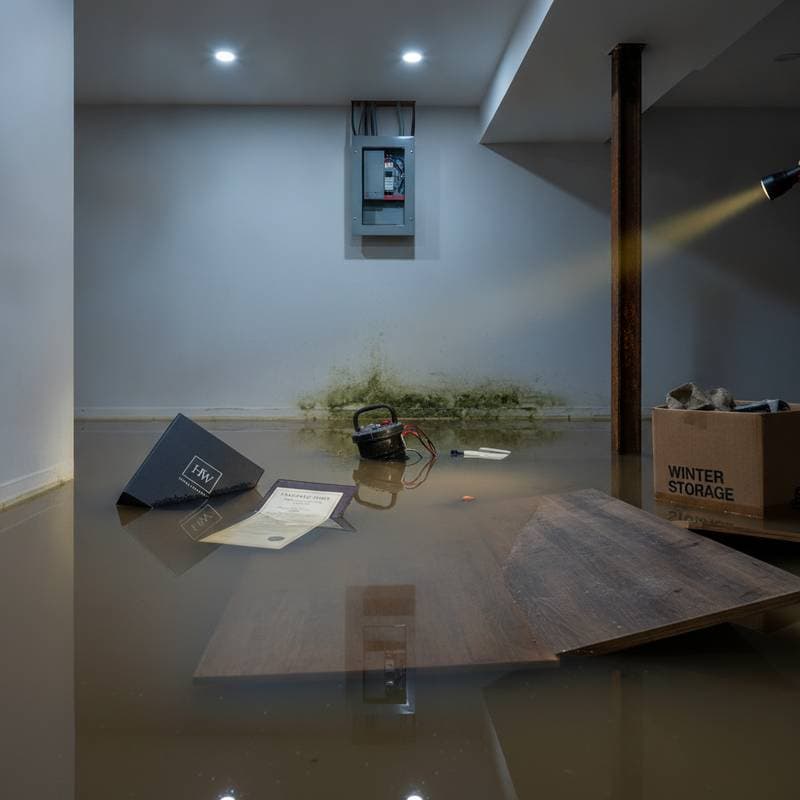
Homeowners frequently believe that standard insurance policies address every form of water damage. Such policies seldom provide comprehensive protection. Flood damage requires distinct consideration, often involving exclusions and limits that expose properties to significant risks during critical moments. Effective safeguarding emerges from a clear grasp of insurance boundaries and the complementary role of manufacturer or contractor warranties.
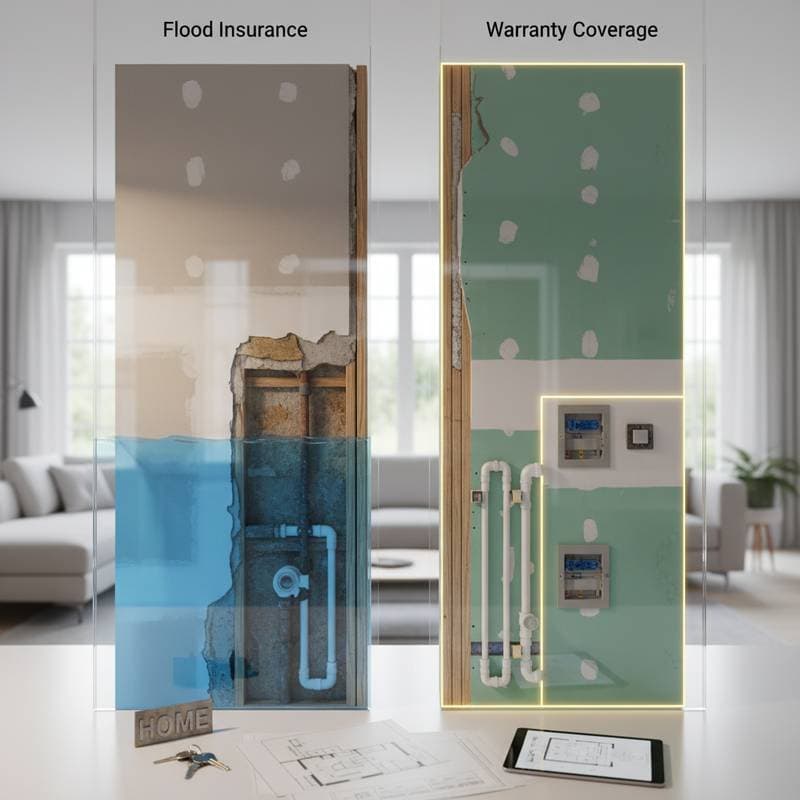
This resource examines the mechanics of flood coverage, identifies common exclusions in policies, and illustrates how warranties bolster protection for elements such as flooring, heating, ventilation, and air conditioning systems, foundations, and electrical components. It further outlines strategies for choosing between self-directed restoration and expert intervention following water intrusion.
Evaluating Coverage Options: Advantages, Limitations, and Ideal Applications
Advantages of Insurance Coverage
- Facilitates structural repairs when a dedicated flood policy exists prior to the incident.
- Encompasses debris clearance, temporary relocation accommodations, and substitution of personal belongings.
- Enables mitigation specialists to submit invoices directly to the insurance provider.
Limitations of Insurance Coverage
- Conventional homeowners insurance omits flood-related damages entirely.
- Dedicated flood policies typically impose substantial deductibles and extended processing periods for claims.
- Protection amounts may restrict reimbursements on a per-item basis or according to square footage.
Advantages of Warranty Coverage
- Product warranties address replacement of affected components, including flooring or appliances, when damage stems from a qualifying manufacturing flaw.
- Certain extended service contracts incorporate restricted safeguards against water-related issues.
- Installation warranties extend to labor-induced water penetration problems.
Limitations of Warranty Coverage
- Warranties exclude damages from external floodwater entry.
- Protection lapses if routine maintenance protocols remain unfulfilled or if non-approved modifications occur.
- Validation of correct installation practices proves essential for claims.
Optimal Use Cases
Insurance serves as the primary shield against abrupt, widespread flooding events. Warranties safeguard against early material degradation following repairs or replacements. Combining these elements establishes a robust, multi-tiered strategy to mitigate both environmental and material-induced water threats, ensuring long-term resilience for residential properties.
Detailed Recovery Protocol
Personal protective equipment forms the foundation of safe response efforts. Essential items include gloves, sturdy boots, N95-rated masks, and protective eyewear, as floodwater frequently harbors contaminants like sewage, hazardous substances, and jagged debris.
- Contain the intrusion source. If water continues to enter the structure, construct provisional barriers or deploy sandbags, positioning them distant from electrical installations.
- Deactivate electrical supply. Engage the primary circuit breaker solely if it remains dry and accessible without hazard; otherwise, summon a qualified electrician.
- Record the damage comprehensively. Capture photographs and video footage prior to disturbing affected areas, providing insurers with essential evidence of losses.
- Extract accumulated water. Employ wet vacuums, submersible pumps, or engage specialized extraction services for thorough removal.
- Facilitate thorough drying. Ventilate interiors, activate air circulation devices, and deploy dehumidification units, aiming to reduce relative humidity below 50 percent within 48 hours.
- Demolish saturated elements. Excise baseboards, drywall sections extending one foot beyond the water mark, and underlying insulation to prevent further deterioration.
- Apply antimicrobial treatments. Utilize diluted bleach mixtures or residential-grade biocides endorsed by environmental authorities for surface decontamination.
- Assess vital systems. Engage certified professionals to evaluate electrical panels, outlets, and heating, ventilation, and air conditioning components prior to reactivation.
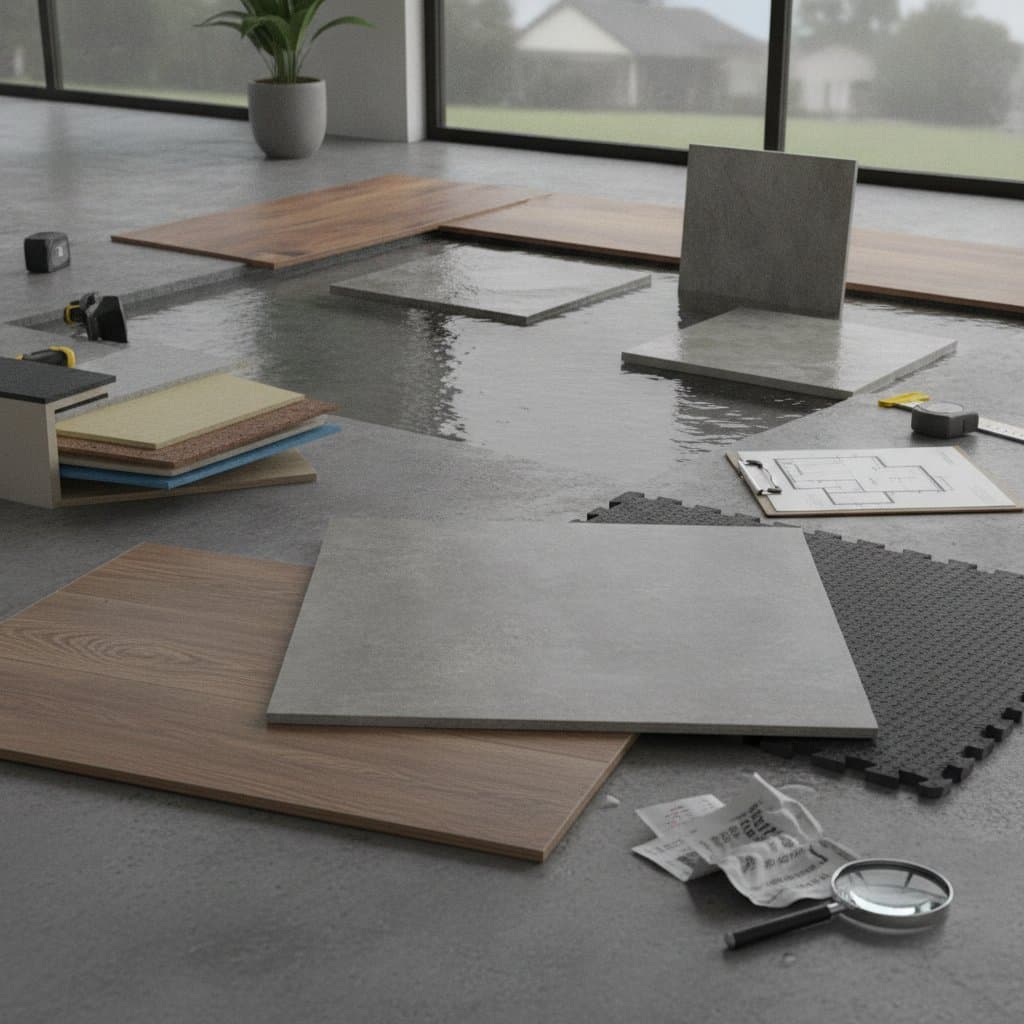
- Execute reconstruction. Install resilient alternatives where feasible, including closed-cell foam insulation, ceramic tile surfaces, and cement board substrates, to enhance future flood resistance.
Common Pitfalls and Prevention Strategies
- Postponing initial drying efforts. Such delays accelerate mold proliferation and material distortion, compounding repair expenses.
- Discarding documentation. Both insurers and warranty administrators demand receipts and service records to substantiate claims.
- Overlapping claim submissions. Avoid pursuing identical damages through multiple coverage avenues, as this practice invites outright rejections.
- Overlooking concealed moisture traps. Persistent dampness within wall voids or subfloor spaces fosters enduring odors and progressive decay.
- Relying solely on natural evaporation. Ambient air circulation proves insufficient; integrate powered dehumidifiers to achieve moisture levels under 15 percent.
Deciding Between Professional Assistance and Self-Managed Efforts
Decision Framework for DIY Approaches
| Factor | Proceed with DIY If | Engage Professionals If |
|---|---|---|
| Experience Level | Prior involvement in basic water remediation | Absence of familiarity with structural drying |
| Hazard Assessment | Water accumulation below 2 inches, no electrical contact | Presence of pooled water adjacent to wiring or outlets |
| Equipment Access | Availability of rental dehumidifiers and moisture detectors | Deficiency in essential drying or removal tools |
| Regulatory Demands | No involvement of structural or electrical modifications | Requirement for permits, evaluations, or full rebuilds |
Self-managed cleanup suits minor leaks or superficial wetting incidents. Professional intervention becomes imperative once water contacts drywall, insulation, or electrical conduits, prioritizing safety and efficiency. Expert teams typically restore a 1,500-square-foot basement within three to five days, whereas amateur efforts frequently extend to double that duration while harboring risks of undetected residual moisture.
Analyzing Contractor Proposals
To evaluate bids from water mitigation firms or reconstruction specialists, construct a comparative matrix highlighting discrepancies in project scopes.
| Category | Detailed Specification | Contractor A Estimate | Contractor B Estimate | Contractor C Estimate | Discrepancy Observations |
|---|---|---|---|---|---|
| Water Removal Extent | Coverage up to 6 inches depth | Included | Included | Not Included | Request pricing per additional inch |
| Drying Apparatus Provision | Dehumidifiers and axial fans | 4-day allocation | 7-day allocation | 5-day allocation | Verify daily rental charges |
| Antimicrobial Application | Use of EPA-approved biocides | Included | Optional add-on | Included | Obtain safety data sheets for products |
| Structural Remediation | Drywall and molding replacement | Per square foot | Fixed total | Hourly labor plus materials | Standardize quantification approach |
| Workmanship Guarantee | Minimum 1-year coverage | 2-year term | 1-year term | 1-year term | Review exact protection details |
Require each bidder to furnish moisture measurement records, drying progress documentation, and evidence of comprehensive liability coverage. Incorporate contractual provisions mandating adherence to municipal building codes and original manufacturer guidelines, thereby preserving eligibility for product warranties.
Pre-Flood Preparedness Checklist
- Elevate critical appliances and electrical systems above anticipated flood levels using sturdy platforms or brackets.
- Install sump pumps with battery backups in basements or low-lying areas to automate water diversion.
- Seal foundation cracks and vulnerable entry points with waterproof caulking or membranes to minimize intrusion risks.
- Compile an inventory of valuables, including photographs and appraisals, stored digitally for swift claim filing.
- Review and update flood insurance policies annually, confirming adequate coverage limits for dwelling and contents.
- Designate an off-site emergency kit with essentials like documents, cash, and non-perishable supplies for rapid evacuation.
Building a Resilient Home Strategy
Integrating flood insurance with targeted warranties forms the cornerstone of comprehensive property defense. Homeowners who proactively layer these protections not only mitigate immediate recovery costs but also enhance overall structural longevity. By following outlined protocols and avoiding common errors, individuals position themselves to respond effectively, restoring homes with minimal disruption and maximal durability. This approach transforms potential disasters into manageable events, securing peace of mind amid unpredictable weather patterns.