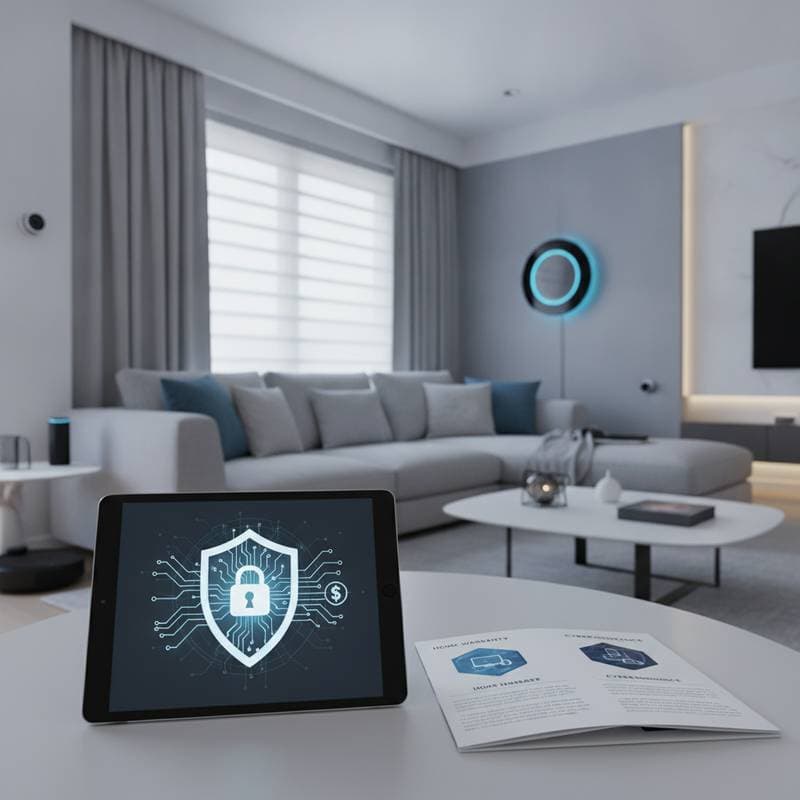
Home Warranty vs Insurance for Smart Home Cyber Risks
Smart homes deliver convenience through connected devices, yet they introduce cyber risks that traditional policies may not address. Homeowners frequently face uncertainty about whether a home warranty or homeowner insurance covers losses from hacks on locks, cameras, or thermostats. Coverage depends on the cause of failure, the specific damage, and policy language.
This guide clarifies distinctions between the two policy types, explains cyber add-on options, and provides steps to evaluate protection before an incident occurs.
Cost Overview
National averages show home warranties range from 50 to 100 dollars per month. Homeowner insurance with a cyber add-on typically costs 100 to 250 dollars per month. Annual totals fall between 600 and 3000 dollars based on limits and home size. Basic warranties start near 400 dollars yearly, while comprehensive insurance packages reach 5000 dollars. Policy review requires one to two hours, and an agent consultation improves accuracy. Proper coverage safeguards both finances and device investments.
Cost Breakdown
- Home warranty plan: 600 to 1200 dollars yearly for appliance and system repairs only.
- Homeowner insurance base: 1200 to 3000 dollars yearly, with optional cyber extensions.
- Cyber protection add-on: 300 to 900 dollars yearly for identity theft support and data recovery.
- Deductible: 250 to 1000 dollars per insurance claim, though warranties often waive this fee.
Add-ons commonly include identity restoration, forensic analysis, device replacement, and system reprogramming. Rural locations or complex networks may increase technical support expenses.
Key Coverage Differences
A home warranty addresses mechanical breakdowns from normal wear. It excludes losses from hacking, malware, or data theft. Homeowner insurance covers sudden perils such as fire or theft, and a cyber add-on extends this to digital incidents like ransomware or unauthorized access. Review policy wording for terms such as electronic theft or data breach to confirm applicability.
Factors That Influence Expenses
Larger homes with extensive device networks require higher coverage limits. Premium integrated systems raise replacement costs after a breach. Low-bandwidth areas often need extra IT support. Technician demand affects labor rates, and custom automation increases reprogramming fees. Always verify that firmware changes do not void existing protections.
Actions You Can Complete Independently
Compare policy documents line by line. Inventory every connected device on your network. Activate two-factor authentication and schedule automatic updates on all equipment. Retain purchase receipts and serial numbers to accelerate future claims.
Tasks Best Handled by Professionals
A licensed agent can confirm exact limits and exclusions. Complex smart systems benefit from a cybersecurity assessment. Breach response involving data recovery or law enforcement requires coordinated professional support. Physical safety devices such as smart locks demand careful handling to avoid leaving entry points exposed.
Steps to Evaluate Your Policies
- Collect current home warranty and insurance documents.
- Mark sections mentioning cyber events, data loss, or electronic theft.
- Note any exclusions that limit coverage to physical damage only.
- Contact providers to inquire about available cyber add-ons.
- Store revised policy summaries in both printed and digital formats.
Ways to Reduce Costs Effectively
Bundle cyber protection with existing homeowner coverage for potential discounts. Obtain at least three quotes and confirm ransomware and smart device breach inclusions. Clarify whether plans reimburse device repairs or only financial losses. Select deductibles that balance premium savings against realistic out-of-pocket exposure. Maintain organized records of all equipment purchases.
Quote Comparison Points
- Devices included under coverage
- Treatment of third-party software exclusions
- Response time after an incident
- Deductible amounts and maximum payouts
- Data restoration and credit monitoring provisions
- Premium payment flexibility
Timeline Expectations
Cyber add-ons activate within one to three business days after payment. Claims demand prompt notification, followed by a five to ten day review period. Equipment replacement and reprogramming after a breach typically require two to four weeks.
Protecting Your Connected Home
A home warranty manages physical system failures, while insurance with cyber coverage addresses digital threats. These protections serve separate purposes yet both support modern households. Homeowners who depend on smart locks, cameras, or voice systems gain meaningful security by securing both policy types before problems arise.