Understanding Warranty Denials for Used Appliances
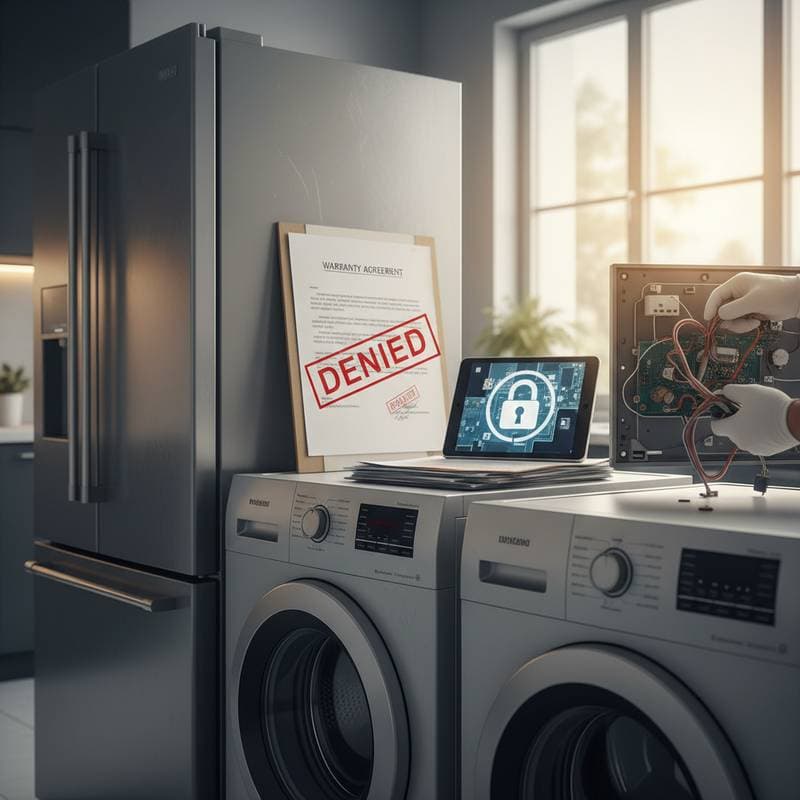
Purchasing a used appliance appears as a smart financial choice, especially when budgets constrain new purchases. However, many buyers encounter surprises when home warranties refuse coverage for these items. Such denials stem from specific policy exclusions designed to manage risk for providers.
Home warranties function as service contracts that cover repairs or replacements for major appliances and systems in a residence. They differ from manufacturer warranties, which apply to new products and often expire after a set period. For used appliances, the absence of original warranty protections leaves owners reliant on home plans, but these plans impose strict conditions on pre-owned items.
The core issue lies in the uncertainty surrounding a used appliance's condition. Without knowledge of its full history, providers cannot accurately assess potential future failures. This uncertainty leads to widespread exclusions, transforming what seems like a bargain into a potential liability.
Key Reasons Providers Deny Coverage
Home warranty companies outline clear criteria in their policies to determine eligibility. Used appliances frequently fail to meet these standards for several interconnected reasons.
Unknown Prior Wear and Tear
Appliances endure varying levels of use before resale. A machine that has operated in a high-demand environment, such as a rental property, may harbor hidden damage not visible during a casual inspection. Providers view this wear as a pre-existing condition, similar to how auto insurers exclude vehicles with unreported accidents.
Without documentation proving the appliance's maintenance history, companies assume the worst. They require evidence that the item has received regular professional servicing to qualify for coverage. In practice, most second-hand purchases lack such records, resulting in automatic denials.
Missing Original Manufacturer Documentation
New appliances come with warranties tied to serial numbers and purchase receipts. These documents allow manufacturers to track production dates and service events. Used items often arrive without these papers, severing the chain of accountability.
Providers rely on this information to verify authenticity and age. An appliance over a certain age, typically five to ten years depending on the policy, becomes ineligible regardless of condition. The lack of records amplifies concerns about tampering or misrepresentation in the resale market.
Potential Safety and Liability Risks
Safety represents a paramount concern for warranty issuers. Used appliances might contain outdated components that fail to meet current electrical or mechanical standards. For instance, an older refrigerator could have insulation materials that degrade over time, posing fire hazards.
Companies mitigate liability by excluding items with unknown safety profiles. Refurbished appliances, even those certified by sellers, receive scrutiny because refurbishment processes vary widely. Not all resellers adhere to rigorous testing, leaving providers exposed to claims involving hazardous failures.
The Consequences for Homeowners
When a warranty denies coverage, repair costs fall squarely on the owner. A simple breakdown, such as a malfunctioning dishwasher pump, might cost several hundred dollars. More severe issues, like a failed HVAC compressor in an air conditioner, can exceed thousands.
These expenses accumulate quickly in a household with multiple appliances. Buyers who overlook warranty details face repeated out-of-pocket payments, eroding the initial savings from purchasing used. Over time, this pattern discourages reliance on second-hand markets and prompts questions about long-term home maintenance strategies.
Beyond finances, denied claims create stress and inconvenience. Scheduling independent repairs disrupts daily routines, and sourcing parts for older models proves challenging. Homeowners learn that the true value of a warranty lies in its reliability during unexpected breakdowns.
Steps to Secure Coverage and Minimize Risks
Buyers can take proactive measures to navigate these challenges. By addressing common denial triggers upfront, individuals increase the chances of obtaining viable protection.
Conduct Thorough Pre-Purchase Inspections
Engage a qualified technician to evaluate the appliance before finalizing the purchase. This professional assessment identifies hidden issues, such as corroded wiring or inefficient components, that could lead to future denials. Request a detailed report outlining the item's condition and estimated remaining lifespan.
Inspections cost a fraction of potential repair bills and provide leverage in negotiations with sellers. For refurbished units, verify the refurbisher's credentials and insist on certification from recognized industry bodies. This step builds a foundation for warranty applications.
Maintain Comprehensive Records
From the moment of purchase, document all maintenance activities. Keep receipts for any repairs, installations, or cleanings performed. Schedule annual professional servicing to demonstrate ongoing care, which appeals to warranty providers reviewing claims.
Organize these records in a dedicated file or digital folder. When applying for home warranty coverage, submit this portfolio to prove the appliance's history. Consistent upkeep not only supports eligibility but also extends the item's operational life.
Explore Alternative Protection Options
If standard home warranties prove restrictive, consider appliance-specific extended service plans from retailers or third-party insurers. These plans sometimes accommodate used items with adjusted premiums based on age and condition.
Additionally, review policies for exceptions or add-on riders that cover pre-existing conditions after an initial waiting period. Compare multiple providers to find terms that align with your needs. Budget for a small emergency repair fund as a backup to any coverage plan.
- Research warranty terms specific to used appliances before buying.
- Prioritize sellers who offer limited guarantees or return policies.
- Integrate appliance care into your home maintenance routine from day one.
Building a Resilient Home Appliance Strategy
Navigating warranty issues with used appliances requires foresight and diligence. By understanding denial reasons and implementing protective steps, buyers transform potential pitfalls into manageable aspects of homeownership.
This approach preserves financial stability while enjoying the benefits of cost-effective purchases. Ultimately, informed decisions ensure that second-hand appliances contribute positively to household efficiency rather than becoming sources of regret.