What Solar Systems Qualify for Coverage in 2026 Home Warranties
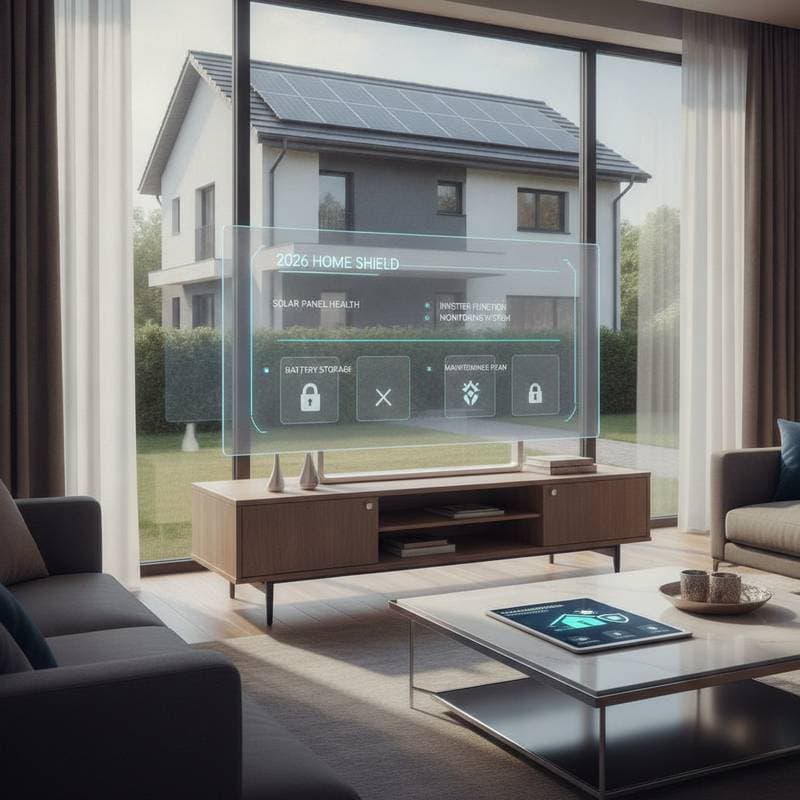
Home warranties in 2026 cover solar equipment connected to household electrical systems in many cases. Protection often stops short of standalone panels or batteries unless an add on is purchased. Readers benefit from knowing exact limits, upkeep rules, and gaps before a breakdown occurs.
Quick Take
- Coverage applies mainly to systems wired into the primary electrical panel.
- Inverter and battery protection usually requires a separate rider.
- Limits on roof work, wiring length, and proof of maintenance determine claim success.
Pros and Cons
Pros
- Lowers direct repair expenses for listed components.
- Connects homeowners with trained solar technicians through the provider.
- Strengthens buyer confidence during property sales.
Cons
- Panels and batteries receive narrow or no protection without upgrades.
- Damage to roofs, long wiring runs, or misuse stays outside the plan.
- Claims require documented routine service to remain valid.
How to Verify Coverage on Your Plan
Tools: Flashlight, camera, multimeter, contract documents.
Time: Roughly one hour.
Difficulty: Easy.
- Record model numbers from panels, inverters, and batteries with clear photos.
- Scan the plan document for sections labeled solar energy system, photovoltaic equipment, or renewable energy add on.
- Compare listed parts against your equipment. Providers commonly cover control boards inside inverters but leave panels uncovered.
- Examine panels for cracks, burn marks, or loose connections at junction boxes.
- Measure inverter output voltage with a multimeter and note any deviation from the rated value.
- Submit photos, readings, and model data to the warranty provider and request a coverage determination plus service fee amount.
- Confirm a service visit date once approval arrives.
Successful verification produces a written service order, listed covered items, and a scheduled appointment.
Tasks You Can Handle Yourself
- Rinse panels using water and a soft brush on a cool day.
- Look for corrosion on visible wiring runs.
- Read error codes on the inverter display.
Situations That Require a Professional
- Any work that involves roof access or new wiring paths.
- Inverter swaps that require disconnecting from the utility grid.
- Jobs needing updated permits or inspections to stay code compliant.
Certified technicians perform loaded tests, confirm proper grounding, and supply documentation that protects both the equipment and the warranty.
Other Protection Options
Manufacturer warranties address defects over longer periods yet omit service visits. Insurance riders cover storm or theft losses but not normal wear. Dedicated inverter extended plans focus on electronics at a lower cost than full home warranty upgrades.
Common Questions
Does coverage extend to leased solar panels?
No. The leasing company retains ownership and manages all repairs.
Are batteries included?
Only when the plan document lists them. Most carriers offer battery protection as an optional upgrade.
Will roof leaks around panel mounts receive payment?
No. Such damage falls under roofing coverage or a separate homeowners policy.
Recommended Actions
Review your existing home warranty documents for solar language before installing additional panels. Request written confirmation of inverter, battery, and labor terms. Maintain dated records of cleanings and professional inspections to support future claims.