Which Home Warranties Cover Solar Maintenance in 2026
Homeowners who install solar energy systems anticipate consistent output with routine care. Solar equipment nevertheless requires periodic service and repairs like other mechanical systems. Coverage under home warranties differs substantially by provider and contract terms. Careful examination of inclusions, fees, and limits prevents unexpected expenses.
Defining the Scope of Solar Warranty Coverage
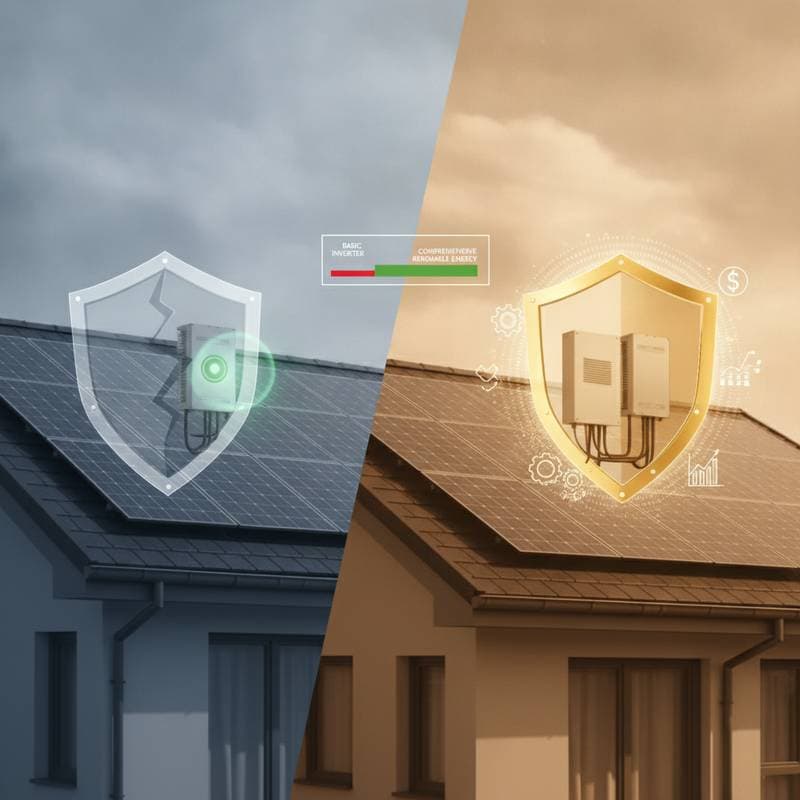
Solar protection in home warranty agreements appears in two main forms. Limited plans address only select parts such as inverters or wiring. Comprehensive plans extend to panels, mounts, and monitoring equipment, often through separate renewable energy riders. Standard warranties exclude solar systems because they fall outside conventional mechanical categories unless an upgrade is purchased.
Coverage applies strictly to original components in most cases. Later additions or modifications usually remain outside the agreement.
Cost Structure and Financial Considerations
Monthly premiums for base home warranties range from 50 to 100 dollars. Service call fees add 75 to 150 dollars per visit. Solar add-ons increase the premium by another 20 to 40 dollars monthly. Higher fees sometimes apply when specialized technicians are required.
Payout caps further shape value. Many contracts limit inverter repairs to 500 dollars or panel work to 1,000 dollars. Homeowners cover any excess. The table below summarizes typical options.
| Coverage Level | Monthly Cost | Service Fee | Coverage Limits | Key Exclusions |
|---|---|---|---|---|
| Basic Home Warranty | 50 to 75 dollars | 75 dollars | 500 dollars per claim | Solar panels excluded |
| Standard Plan with Add-on | 80 to 110 dollars | 100 dollars | 1,000 dollars per claim | Roof mounts, labor, pre-existing issues |
| Premium Renewable Plan | 120 to 160 dollars | 125 dollars | 2,500 dollars per claim | Damage from weather or improper installation |
How the Service Process Works
Claims follow a defined sequence. Homeowners first submit details through an online portal or by phone. A technician then inspects the system within three to five business days. The provider reviews the report and approves or denies coverage. Approved repairs use parts supplied at preset rates.
Documentation of prior maintenance supports approval. Disputes over neglect or external causes can delay resolution.
Understanding Coverage Limitations
Exclusions represent the most frequent source of claim denials. Weather damage, improper installation, and pre-existing conditions fall outside most plans. Performance loss from dirt or shading also receives no coverage. Roof penetrations required for panel service remain the homeowner responsibility.
Contracts require regular cleaning and inspections. Failure to maintain records can void solar coverage.
Financial Implications and Long-Term Value
Total ownership cost includes premiums, service fees, and uncovered repairs. An inverter service every five years at 800 dollars exceeds a 500 dollar cap and leaves the owner responsible for the difference. Break-even calculations compare annual warranty expenses against average repair frequency. Warranties provide budgeting predictability when large failures occur.
Comparing Coverage Options
Three main structures exist. Basic warranties with add-ons deliver narrow inverter and wiring protection at lower cost. Renewable energy specialty plans supply broader coverage and higher caps at increased premiums. Bundled packages from solar installers combine equipment and home system protection but restrict service networks.
Decision Framework for Homeowners
Homeowners evaluate plans against five criteria. Contracts must state included components clearly. Limits and fees require transparent disclosure. Claim approval rates and response times indicate provider reliability. Certified solar technicians should perform repairs. Maintenance logs must satisfy stated obligations.
Avoiding Common Pitfalls
Review every contract section before purchase. Request written confirmation of solar component coverage. Identify aggregate payout limits across the contract term. Retain all inspection records. Understand appeal procedures for denied claims.
Protecting Long-Term Solar Performance
A warranty forms one element of ongoing system care. Annual professional inspections, output verification, and roof maintenance support both performance and coverage compliance. Renewal pricing should be examined early to avoid later increases.