Solar Roof Warranty Updates for 2026
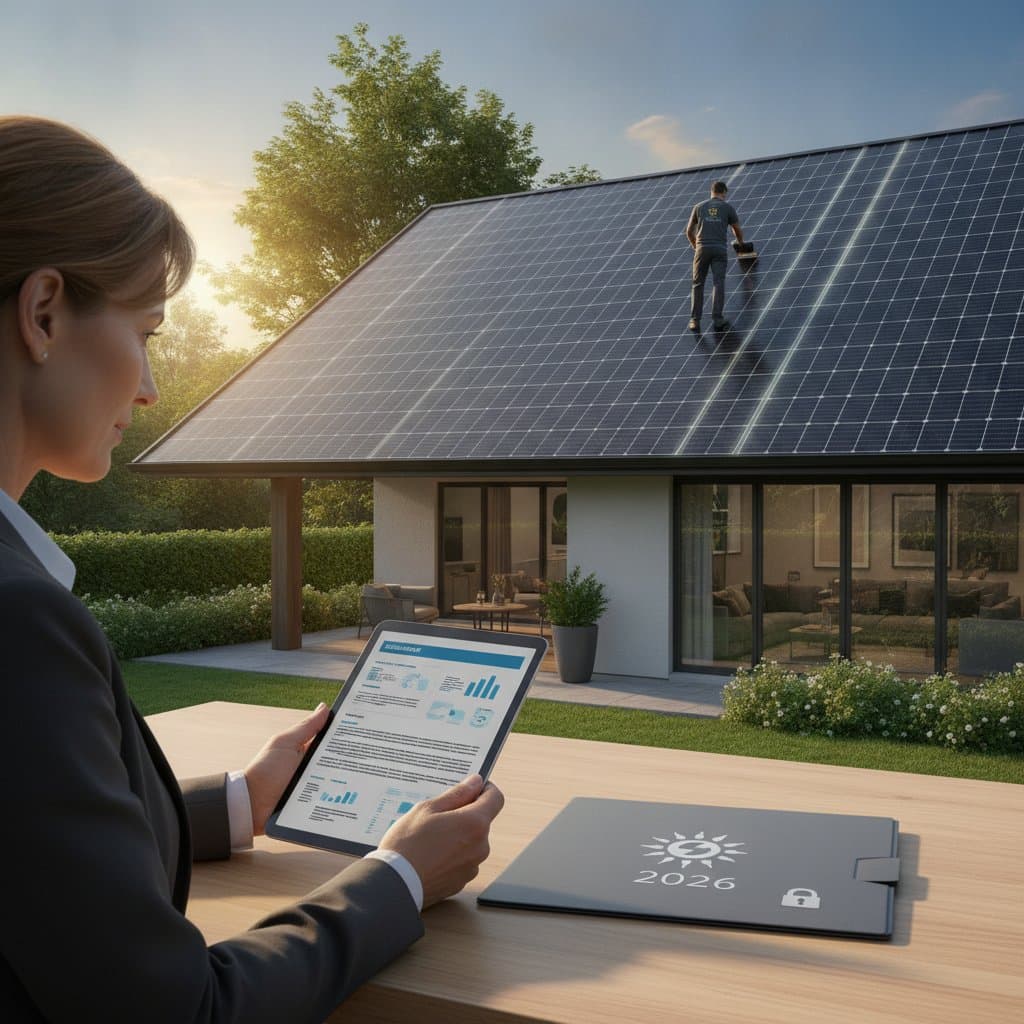
Homeowners who installed solar roofing systems benefit from long term energy savings and added property value. Warranty programs continue to evolve, which means policy adjustments may affect repair access, ownership transfers, and performance expectations. Most existing warranties already span multiple decades, yet updated terms can introduce clearer language alongside stricter requirements.
Areas That Warrant Attention
- Manufacturer revisions to coverage for shingles and panels
- Installer certification standards that preserve warranty validity
- Ownership transfer provisions during a home sale
- Maintenance records needed to maintain active protection
- Output performance commitments linked to efficiency metrics
- Integration provisions that address leaks or structural issues
Warranty Categories at a Glance
| Warranty Type | Coverage Scope | Typical Term | Key Benefit | Common Limitation |
|---|---|---|---|---|
| Material warranty | Defects in shingles or panels | 20 to 30 years | Long structural protection | Does not include labor |
| Workmanship warranty | Installation quality | 5 to 10 years | Covers leaks or poor sealing | Limited to original installer |
| Performance warranty | Energy output levels | Up to 25 years | Guarantees production efficiency | May require monitoring reports |
| Comprehensive system warranty | Panels, inverter, mounting, roof interface | 10 to 25 years | One stop coverage | Often higher cost or limited availability |
Pricing and Value Factors
A solar roof warranty forms part of the overall system investment, which ranges from 20000 dollars to 45000 dollars for a typical residential installation. Optional extensions or upgraded bundles add between 1000 dollars and 3000 dollars depending on the provider. Steep slopes, intricate layouts, or older roof structures increase expenses, while installation during a full roof replacement or use of integrated shingles tends to lower overall costs.
Recommended Preparation Steps
- Review the original installer agreement to confirm current terms.
- Watch for any advance notices about policy adjustments in the next cycle.
- Arrange a professional inspection when maintenance verification is required.
- Retain records of repairs, cleanings, and component checks.
- Update registration details after any change in ownership or installer status.
These actions support continuous coverage and protect system performance.
Safe Homeowner Tasks Versus Professional Service
Experienced homeowners can handle gentle panel cleaning and basic visual checks using mild soap, a soft brush, and low pressure water. Steep roof access or any electrical work should remain with licensed technicians to preserve safety and code compliance.
Essential Equipment
- Soft bristle brush
- Garden hose
- Properly rated ladder
- Safety harness
- Digital camera for records
- Printed warranty documents and service logs
Routine Care and Expected Lifespan
Inspect panels twice each year to remove debris and identify damage. Clear gutters regularly and prune nearby vegetation. With consistent attention most systems operate effectively for 25 to 30 years. Clean surfaces support higher energy production and reduce stress on supporting components.
Climate Specific Guidance
Coastal or high sun regions face accelerated wear from salt and moisture. Cooler inland areas often enjoy extended output yet require verification of snow load capacity.
Sustaining Long Term Warranty Protection
Organize all installation documents and service records in one accessible location. Consult warranty language before any roof or electrical modifications. Request written confirmation of continued coverage whenever policy updates occur.