AMS Home Guides Logo
Home
Remodeling Cost ComparisonsAbout
AMS Home Guides Logo

Your comprehensive resource for home guides, cost guides, and home warranty information.

HomeAboutAll ArticlesSearchPrivacyTerms

© 2026 AMS Home Guides. All rights reserved.

  1. Home
  2. /
  3. Cost Guides
  4. /
  5. Whole-House Water Filters: $500 to $4,000 Installed
Cost Guides

Whole-House Water Filters: $500 to $4,000 Installed

byMelissa Flowers
2026-11-29 03:02:30November 29, 2026
7 min read
Featured image for Whole-House Water Filters: $500 to $4,000 Installed
2026-11-29 03:08:38
AMS - Home Guides, Cost Guides, Home Warranty

Whole-House Water Filter Costs: Equipment and Installation Breakdown

A whole-house water filter typically costs between $500 and $4,000 installed. Most homeowners spend around $1,500. The final price depends on the filter type, specific water quality issues, plumbing modifications required, and local labor rates.

System Overview

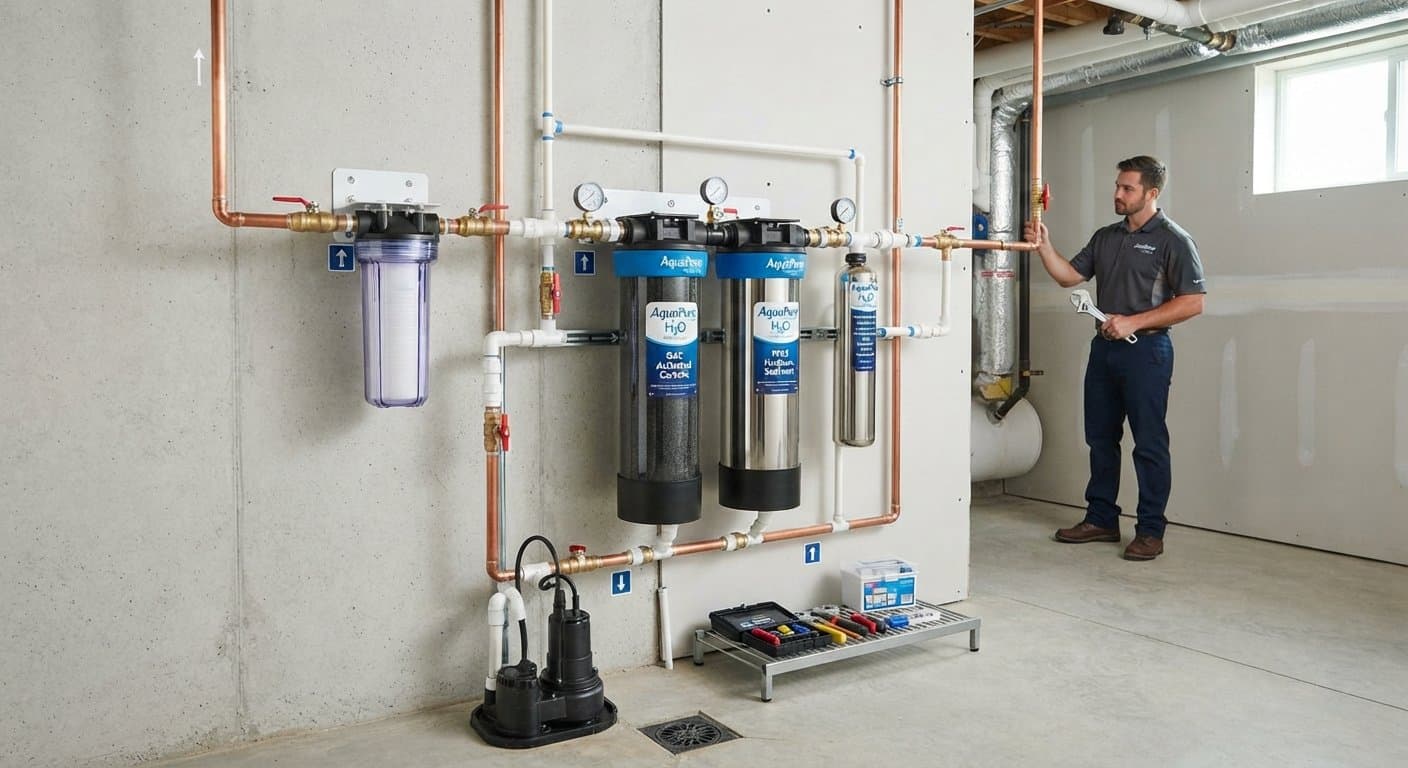
A whole-house water filter installs at the point where the main water supply enters your home. This location allows the system to treat water before it reaches any fixtures or appliances. The system may use sediment filters, carbon media, or specialized treatment materials. Standard filters do not remove every contaminant, so equipment selection must follow actual water test results.

System Components

The filter assembly typically mounts near the main shutoff valve. Each component serves a specific function in the treatment process.

  • Pre-filter stage captures sand, rust, and larger particles that could damage downstream components
  • Filter housing contains replaceable cartridges or treatment media
  • Carbon filter reduces chlorine, improves taste and odor, and removes certain organic compounds
  • Specialty media targets specific contaminants such as iron or particular PFAS compounds when the system carries appropriate certification
  • Bypass valve allows isolation of the system during maintenance without shutting off household water
  • Drain connection or power supply supports backwashing filters and ultraviolet treatment systems

PFAS refers to a group of persistent chemicals found in some water sources. Filter effectiveness depends on system design, third-party certification, and proper maintenance. Products labeled as whole-house systems do not automatically remove PFAS. Review independent test data to confirm which contaminants each model addresses.

Cost Breakdown by System Type

National installed costs range from $500 to $4,000, with most projects falling near $1,500. Basic cartridge systems cost less than multi-stage units designed for multiple contaminants. Large homes, complex plumbing, or treatment for several water problems increase the total investment.

Component Typical Cost Range Key Variables
Basic sediment or carbon system $500 to $1,500 Equipment quality and installation complexity
Multi-stage or specialty system $1,500 to $4,000 Media type, flow capacity, and contaminant targets
Whole-house reverse osmosis $4,000 to $10,000+ Requires drain line, storage tank, and dedicated space
Laboratory water testing $50 to $300 Test scope and laboratory certification level
Replacement cartridges $30 to $300 per set Specialty media costs more than standard filters
Plumbing modifications or permits $100 to $1,000+ Access difficulty, local code requirements, and repair needs

Lower-cost projects usually involve accessible main lines and simple cartridge filters. Higher quotes often include water testing, bypass valves, new shutoff valves, electrical connections, drain lines, or treatment for multiple contaminants. Request written quotes that specify tax, disposal fees, permit costs, and any service-call minimums.

Determining Installation Need

Begin with water testing rather than product selection. Municipal water reports identify issues in the public supply but do not account for plumbing conditions within your home. Private well owners should test through a certified laboratory, particularly after noticing changes in taste, odor, color, or household health concerns.

A filter makes sense when testing identifies contaminants that the system can reduce according to its certification. Sediment that repeatedly clogs fixtures also indicates a need for filtration. Hard water requires a softener rather than a filter. Filters do not remove hardness minerals, and incorrect equipment selection wastes money.

Installation Process

A licensed plumber shuts off the main water supply, cuts into the line, installs the filter and bypass valve, then verifies leak-free operation and adequate flow. Simple installations typically require three to six hours. More complex systems may take a full day or longer when drain connections, electrical outlets, or new piping become necessary.

Equipment availability, testing requirements, and permit approval can extend the project timeline by several days or weeks. Ask the installer to explain pressure effects and cartridge replacement procedures before work begins.

Professional Installation vs DIY

Factor DIY Approach Professional Installation
Skill requirements Appropriate for experienced DIYers with simple cartridge systems Recommended for main-line work and unfamiliar equipment
Safety considerations Risk of property damage from leaks and service interruption Professional management of shutoff procedures and pressure testing
Tool requirements Basic pipe tools, fittings, thread tape, and leak detection supplies Specialized plumbing equipment and compatible fittings
Permit compliance Verify local requirements before starting work Installer identifies code requirements and handles permit applications
Time investment Several hours plus troubleshooting time Three to six hours for basic installations
Warranty protection Improper installation may void coverage Documentation supports warranty claims

Avoid DIY work involving structural modifications, gas lines, main electrical panels, or systems requiring electrical or drain connections without proper qualifications. Hire a licensed plumber when the main shutoff valve fails to operate, pipes show corrosion, or the installation could affect well pump performance.

Safety Requirements and Code Compliance

Shut off the water supply before opening any pipe. Wear eye protection and gloves during installation. Keep electrical connections away from water sources and prepare for potential spills. Never install equipment that reduces pressure below manufacturer specifications for appliances or plumbing fixtures.

Local codes may require backflow prevention devices, specific materials, or permits for main line modifications. Requirements vary by municipality and water provider. Store installation manuals and test results with household maintenance records.

Regional Installation Considerations

Climate and water source influence equipment selection and installation approach. Cold climates require freeze protection for filters and exposed pipes. Freeze-thaw cycles can stress outdoor plumbing connections. Hot, humid areas need utility room ventilation and leak monitoring systems. Arid regions often have mineral-heavy groundwater, while coastal areas face corrosion concerns. Rural properties may require testing for well-specific contaminants, iron, or sediment.

Wind and wildfire zones affect water treatment reliability during power outages or infrastructure damage. Soil conditions matter when systems require outdoor drains or buried lines. Local pests may damage exposed pipes, requiring protective enclosures. Check plumbing codes and seasonal installer availability before scheduling work.

Maintenance Schedule and System Longevity

Follow manufacturer replacement schedules and change filters earlier if flow decreases or water quality changes. Backwashing systems require periodic inspection and functional drain connections. Maintain records of cartridge replacement dates and water test results.

Filter housings can last for years when kept dry and undamaged, though internal media requires more frequent replacement. Filters cannot correct failing wells, damaged plumbing, or untreated contaminants. Retest water when the source changes or health departments recommend updated analysis.

Common Questions

PFAS removal capability

Some certified systems reduce specific PFAS compounds, but many whole-house filters do not address these chemicals. Review independent performance data for each model under consideration.

Difference between softeners and filters

Softeners reduce hardness minerals through ion exchange. Filters target particles and other listed contaminants through physical or chemical processes.

Installation labor costs

Simple plumbing work often costs several hundred dollars. Difficult access, additional drain lines, permit requirements, and repair work increase labor charges.

Replacement frequency

Intervals range from several months to over a year depending on water quality and usage. Follow product instructions and monitor flow rates.

Pressure effects

Undersized or clogged filters can reduce household water pressure. Match system capacity to peak household flow requirements.

Permit requirements

Some jurisdictions require permits for main water line modifications. Contact the local building department or consult a licensed plumber.

Key Terms

  • Backflow device: Valve that prevents treated water from flowing back into the municipal supply
  • Cartridge: Replaceable filter element contained within the housing
  • Flow rate: Volume of water a system can deliver during a specific time period
  • Media: Treatment material that captures or processes specific substances
  • Point of entry: Location where water enters household plumbing
  • PFAS: Group of persistent chemicals detected in certain water sources
  • Sediment filter: Device that captures particles including sand, rust, and silt

Test your water, identify target contaminants, and compare detailed quotes before purchasing equipment. Written estimates should list equipment specifications, labor costs, permit fees, and replacement part pricing.
You may also like

Image for Metal Roofs Cost Nearly Double Asphalt Shingles in 2026

Metal Roofs Cost Nearly Double Asphalt Shingles in 2026

November 27, 2026
Image for What a New Roof Really Costs: $7,000 to $18,000

What a New Roof Really Costs: $7,000 to $18,000

November 27, 2026
Image for Whole-Home Battery Backup Costs $15K to $40K Installed

Whole-Home Battery Backup Costs $15K to $40K Installed

November 25, 2026

Tagged:

installation,cost,water,filter,whole,filtration,house,pfas,whole-house-water-filter-cost,water-filtration-installation

Recent Articles by Melissa Flowers

Image for Metal Roofs Cost Nearly Double Asphalt Shingles in 2026

Metal Roofs Cost Nearly Double Asphalt Shingles in 2026

November 27, 2026
Image for Whole-Home Battery Backup Costs $15K to $40K Installed

Whole-Home Battery Backup Costs $15K to $40K Installed

November 25, 2026
Image for Landlord Home Warranties Cut Surprise Repair Bills

Landlord Home Warranties Cut Surprise Repair Bills

September 23, 2026
Image for Real ADU Pricing: $100K to $350K Breakdown

Real ADU Pricing: $100K to $350K Breakdown

July 17, 2026

Related: installation

Image for Whole-Home Battery Backup Costs $15K to $40K Installed

Whole-Home Battery Backup Costs $15K to $40K Installed

November 25, 2026
Image for Whole-Home Battery Backup Costs $15,000 to $40,000

Whole-Home Battery Backup Costs $15,000 to $40,000

November 25, 2026
Image for Solar Panels Cost $15K-$30K Before Federal Tax Credits

Solar Panels Cost $15K-$30K Before Federal Tax Credits

September 23, 2026
Image for Granny Pods Cost $100K–$300K: Site Prep Drives Price

Granny Pods Cost $100K–$300K: Site Prep Drives Price

September 19, 2026
Image for Granny Pod Costs: $85K to $250K Plus Permits

Granny Pod Costs: $85K to $250K Plus Permits

July 15, 2026

Cost Guides

Metal Roofs Cost Nearly Double Asphalt Shingles in 2026

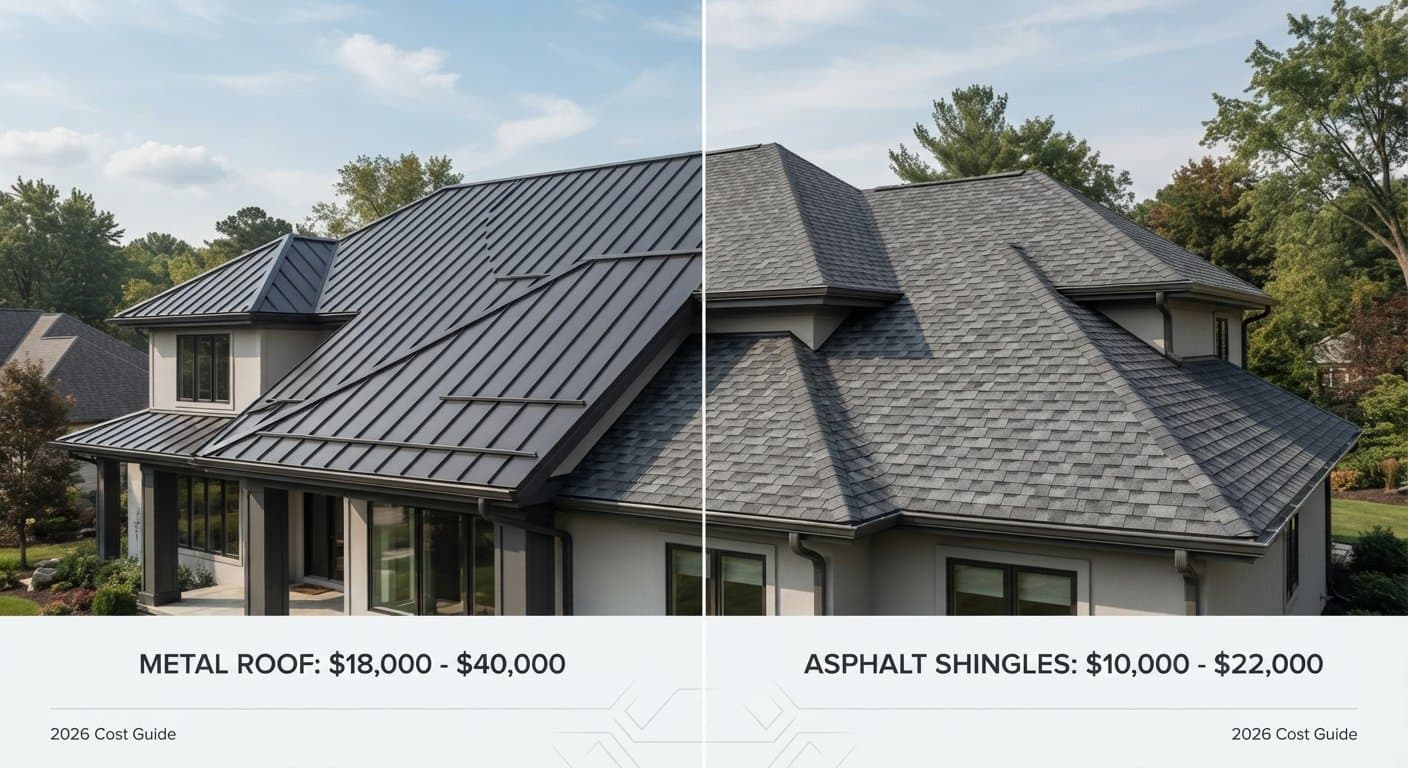
Planning a roof replacement in 2026? Asphalt shingles typically cost $10,000–$22,000 for a 2,000-square-foot roof, while metal runs $18,000–$40,000. Shingles offer a lower upfront price; metal can last longer and reduce future replacements. Learn what drives estimates, how climate and roof complexity affect costs, and what to ask contractors before choosing.

November 27, 2026

What a New Roof Really Costs: $7,000 to $18,000

Planning a 2026 roof replacement? A typical asphalt shingle roof costs about $11,500, with most projects ranging from $7,000 to $18,000. Size, materials, roof complexity, labor, and repairs drive the final bill. Learn what estimates include, where costs can climb, how to compare contractor bids, and which savings are worth pursuing.

November 27, 2026

Whole-Home Battery Backup Costs $15K to $40K Installed

A whole-home battery backup typically costs 15,000 to 40,000 dollars installed before incentives, with larger systems reaching 60,000 dollars or more. Price depends on battery capacity, power output, installation complexity, and how many appliances you want to run. Learn how to estimate your needs, compare itemized quotes, and plan for permits and installation.

November 25, 2026

What Your Roof Replacement Estimate Should Include

Roof replacement costs depend on more than material choice. Roof complexity, labor, tear-off, permits, and hidden decking repairs all shape the final bill. Compare detailed installed-system bids, warranties, and long-term upkeep to budget accurately and select a contractor with confidence.

November 25, 2026

Whole-Home Battery Backup Costs $15,000 to $40,000

Whole-home battery backup typically costs fifteen thousand to forty thousand dollars installed before incentives, with larger systems and electrical upgrades potentially exceeding fifty thousand dollars. The right setup depends on essential loads, outage duration, battery capacity, and power output. Learn how to size storage, compare contractor quotes, navigate installation and safety requirements, and plan for long-term maintenance.

November 25, 2026

Flood Resistant Flooring: What Labels Don't Tell You

Flood-resistant flooring costs $2 to $15 per square foot before installation, but price alone does not guarantee protection. Vinyl and porcelain often offer the best balance, while seams, subfloors, moisture sources, warranties, insurance exclusions, and contractor quality determine real performance. Compare total ownership costs, document everything, and prepare beyond flooring.

September 23, 2026

Solar Panels Cost $15K-$30K Before Federal Tax Credits

Solar installation costs typically range from $15,000 to $30,000 before incentives, with batteries and roof upgrades adding more. Federal tax credits and local programs may reduce expenses, but eligibility varies. Compare three detailed quotes, verify production estimates, financing, warranties, and utility rules to determine whether solar suits your home and budget.

September 23, 2026

Granny Pods Cost $100K–$300K: Site Prep Drives Price

A granny pod typically costs $100,000–$300,000, with size, finishes, site conditions, utilities, and local approvals driving the final price. Before buying, confirm zoning, setbacks, permits, and fees. Compare itemized professional bids, budget 10–15% for surprises, and plan accessibility features early to create affordable, compliant, long-term housing.

September 19, 2026

Home Office Deduction Requires Exclusive Business Use

Converting a room into a home office may offer tax savings, but eligibility depends on self-employment, regular exclusive use, documented expenses, and income limits. Compare simplified and actual methods, separate repairs from improvements, allocate shared costs, and preserve detailed records. Before spending, weigh deductions, depreciation, financing, and future sale consequences carefully.

September 19, 2026

Real ADU Pricing: $100K to $350K Breakdown

Learn the true expenses involved in building a granny flat in 2026. This guide details costs from design through final finishes, explains timeline factors, and outlines key decisions that influence total investment and property value.

July 17, 2026

ADU Projects Cost More Than the Construction Quote

Building an ADU in 2026 involves more than construction. It requires careful attention to design, permits, site preparation, and inspections. Costs range widely based on size, location, and materials. Understanding each expense category, planning contingencies, and managing approvals carefully helps homeowners avoid surprises and achieve realistic, financially sound results.

July 16, 2026

Modular Home Costs Drop 25% in 2026: What Changed

Modular home prices may drop 25 percent by 2026 due to automation and supply improvements. Buyers must examine contracts, site conditions, and warranties to capture lasting value.

July 16, 2026

Granny Pod Costs: $85K to $250K Plus Permits

Thinking about adding a granny pod? Expect costs from $85,000 to $250,000 with permits from $2,000 to $12,000. Learn how zoning, design choices, and construction type affect your budget, timeline, and comfort. This guide covers every step from planning and permits to maintenance for a lasting, flexible backyard living solution.

July 15, 2026

Granny Pod Costs Run $85K–$180K in 2026

Granny pods deliver private living space near family while controlling care expenses. Costs in 2026 average between 85000 and 180000 dollars depending on size and location. This guide covers zoning checks, permit steps, and maintenance practices that support a successful build.

July 14, 2026

Standby Generators Cost $7K–$20K Installed in 2026

Learn what it takes to power a home through outages with a whole home generator. Review installation steps, cost drivers from $7,000 to $20,000, the need for professional setup, and maintenance practices that ensure years of automatic backup power.

July 13, 2026

Home Battery Backup Costs Between $9K and $18K Installed

Home battery backups keep power flowing during outages and cut utility costs by storing energy for later use. Expect installation costs between 9,000 and 18,000 dollars, with professional setup ensuring safety, code compliance, and warranty protection. Proper maintenance and annual inspections extend lifespan to 10 to 15 years of reliable energy resilience.

July 11, 2026

Flood Proofing Costs: $10K to $65K for Climate Defense

Flood proofing a home in 2026 averages 29000 dollars and ranges from 10000 to 65000 dollars. This guide covers cost drivers, interior sealing steps, contractor oversight, regional differences, and upkeep practices that protect value and safety.

July 10, 2026

Impact Glass Costs $60 Less Per Square Foot Than Smart

Impact glass offers dependable hurricane protection at a lower cost, while smart glass adds energy efficiency and privacy with a premium price tag. This guide breaks down 2026 costs, pros and cons, installation steps, and maintenance tips to help homeowners choose the right hurricane rated window for safety and performance.

July 10, 2026

Flood-Proofing Your Home Costs $48K in 2026

Preparing your home for future floods can cost anywhere from $22,000 to $83,000, depending on scope, materials, and site conditions. This 2026 guide explains cost factors, professional versus DIY options, and smart savings strategies to make floodproofing investments pay off through lower insurance premiums and increased property resilience.

July 10, 2026

Septic Replacement Now Costs $15K on Average

Homeowners across the country now face average septic replacement costs of 15000 due to higher material, labor, and permit expenses. The work requires licensed installers, proper design, and inspections to avoid contamination. Find out what influences pricing, when replacement becomes necessary, and how to extend system life.

July 10, 2026

Categories

Appliance & System Coverage
Cost Guides
Home Guides
Home Warranty Basics
Outdoor & Exterior Guides
Remodeling Cost Comparisons
Room-by-Room Guides