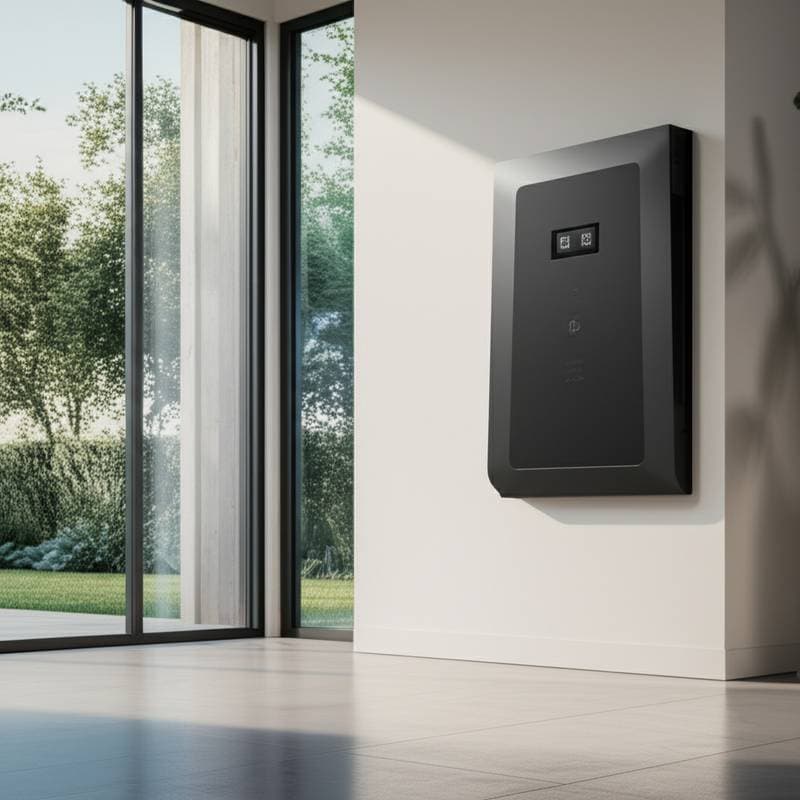
Understanding Home Battery Warranties: Coverage and Exclusions
Home battery systems represent a significant investment in energy independence, and warranties serve as a critical safeguard. These agreements outline protections for performance issues and defects, but they also specify limitations based on time, usage, and maintenance. Grasping the full scope ensures homeowners make informed decisions and sustain system longevity.
Quick Overview of Coverage
Most warranties address capacity loss below guaranteed thresholds and defects in materials or workmanship. Protection typically extends for 10 to 15 years or a defined energy throughput, such as 30 to 50 megawatt-hours, whichever occurs first. Manufacturers emphasize the importance of professional installation to activate full coverage. Homeowners should verify claim responsibilities, as some require coordination through installers while others direct contact to the company.
Benefits and Limitations
Benefits
- Shields against premature failure, offering replacement or repair for verified issues.
- Establishes a performance standard, guaranteeing at least 60 to 80 percent capacity retention over the warranty period.
- Often encompasses labor costs, shipping, and even on-site diagnostics for eligible claims.
- Preserves system value, which proves advantageous during property sales or upgrades.
Limitations
- Terminates upon reaching either the time limit or energy cycle threshold, regardless of remaining usability.
- Excludes damages from improper installation, power surges, or unauthorized repairs.
- Demands adherence to maintenance protocols, including regular software updates and environmental controls.
- Frequently limits scope to parts replacement, leaving labor or system disassembly expenses to the owner.
Step-by-Step Guide to Verifying Warranty Details
Verifying warranty terms requires gathering specific documents and reviewing clauses methodically. This process helps identify potential gaps and confirms eligibility for claims. Allocate approximately 30 minutes and treat it as straightforward, provided all records remain accessible.
Required Materials
- Battery system serial number.
- Official warranty documentation from the manufacturer.
- Installation receipt and certification.
- System monitoring application or portal access.
-
Locate the Warranty Documentation
Obtain the manufacturer's warranty statement, often available as a PDF through their website or your installer portal. If the system was registered post-installation, log into the account to download the latest version. -
Examine Duration and Throughput Limits
Warranties commonly span 10 to 15 years, paired with a throughput cap in megawatt-hours. For instance, a 13.5 kilowatt-hour battery might guarantee 37 megawatt-hours of cycling; exceeding this ends coverage prematurely. -
Review Capacity Retention Guarantees
This section specifies the minimum usable capacity at warranty expiration, typically 70 percent for premium models. Compare this against your system's specifications to set realistic expectations for performance decline. -
Validate Installation Compliance
Confirm that a certified professional performed the setup, as required by most agreements. Retain copies of permits, inspection results, and technician qualifications to substantiate proper execution. -
Identify Common Exclusions
Scan for restrictions related to operating conditions, such as temperatures outside 32 to 104 degrees Fahrenheit or exposure to excessive humidity. Violations, including grid instability or flooding, can invalidate the entire warranty. -
Outline the Claims Procedure
Note contact information, submission requirements, and timelines for claims. Certain manufacturers mandate initial outreach to the installer for assessment, while others provide direct support lines. -
Organize and Secure Records
Compile all paperwork, including receipts and performance logs, in a dedicated digital folder. These documents prove adherence to terms during disputes or inspections.
Handling Maintenance: DIY Options Versus Professional Services
Regular upkeep preserves warranty validity and system efficiency. Homeowners can manage basic tasks safely, but complex interventions demand expert involvement to mitigate risks.
Suitable for DIY Efforts
- Reviewing warranty terms and tracking capacity via the monitoring app.
- Inspecting connections for signs of corrosion or looseness, always with the system powered down.
- Ensuring the installation area remains clean, dry, and free of dust accumulation.
Best Left to Professionals
- Conducting electrical diagnostics or modifying wiring configurations.
- Performing firmware updates that integrate with system controls.
- Replacing individual cells, modules, or entire packs.
Rationale for Professional Assistance
High-voltage components in battery systems pose risks of fire, shock, or explosion if mishandled. Certified technicians follow safety protocols, isolate power sources correctly, and ensure alignment with local electrical codes. Engaging experts also prevents accidental warranty breaches from improper procedures.
Key Warranty Terminology Demystified
Understanding specialized terms clarifies expectations and aids in troubleshooting. These definitions apply across major brands, though specifics vary by model.
-
Energy Throughput: Represents the cumulative energy discharged and recharged over the battery's lifespan. A warranty might cap this at 45 megawatt-hours, triggering expiration once surpassed, independent of calendar years.
-
Capacity Retention: Indicates the assured percentage of initial storage capability preserved at warranty's end. A 70 percent rating on a 10 kilowatt-hour unit ensures at least 7 kilowatt-hours remain functional.
-
Defect in Materials or Workmanship: Covers flaws in construction or assembly that lead to failure under normal conditions. This excludes wear from standard cycling or external factors.
-
Prorated Coverage: Adjusts compensation based on elapsed time or usage. Full replacement applies in initial years, transitioning to partial refunds or credits in later periods.
Frequently Asked Questions
Do warranties protect against power outages or surge-related damage?
No, such events fall outside standard coverage, as they stem from external grid issues. Installing dedicated surge protection devices at the battery input helps mitigate these risks.
What happens if the manufacturer ceases operations?
Coverage may terminate without a third-party insurer backing the warranty. Inquire about financial stability and insurance details prior to purchase.
Is relocating the battery to a new home permissible under warranty?
Generally, no; terms tie protection to the original site. Relocation often voids the agreement due to reinstallation variables.
Does frequent daily cycling accelerate warranty expiration?
Yes, as it accumulates throughput more rapidly. Monitor cycle limits in your documentation and optimize usage patterns, such as reserving capacity for peak needs.
How can one detect excessive capacity degradation?
Consult the system's app for real-time data on available kilowatt-hours. If current output deviates significantly from the warranted degradation curve, document trends and initiate a claim promptly.
Essential Strategies for Warranty Optimization
Selecting compatible components streamlines future claims; pair batteries with matching inverters from the same manufacturer. Capture photographs of serial numbers and installation details for quick reference during service requests. Clarify claim handling responsibilities with installers upfront to avoid delays.
Consider local climate impacts; verify that the battery operates within its specified temperature range to prevent voiding. Stay vigilant on manufacturer alerts for software enhancements, as neglecting them could be interpreted as neglectful maintenance.
Ensuring Long-Term System Reliability
Warranties deliver robust protection when terms receive diligent attention. Maintain comprehensive records, conduct routine monitoring, and address performance dips swiftly within coverage windows. Opt for reputable brands, professional setup, and consistent care to transform the warranty from mere insurance into a foundation for dependable home energy.