Navigating Home Warranty Coverage for AI Monitoring Systems
Homeowners increasingly install AI home monitoring systems to enhance security, optimize energy use, and enable predictive maintenance. These systems rely on interconnected devices that analyze data in real time. However, when components fail, questions arise about warranty protection. Standard home warranties typically exclude AI monitoring hardware and software, creating potential financial burdens for repairs.
Coverage hinges on several factors, including the purchase method, system integration, and installation details. Systems bought separately from the home often fall outside warranty scopes, while professionally installed units might qualify under specific conditions. Homeowners must review policy fine print to identify inclusions for appliances or systems that encompass smart technology.
What Constitutes AI Home Monitoring?
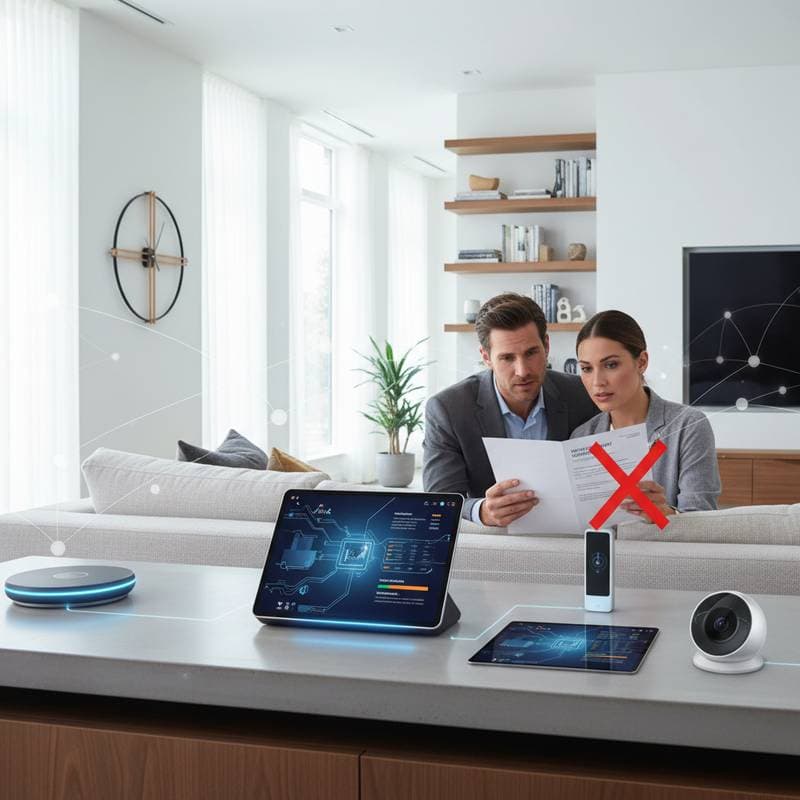
AI home monitoring involves a network of sensors and devices that gather environmental data, process it through algorithms, and issue alerts for potential issues. Common components include motion detectors, water leak sensors, smart thermostats, security cameras, and HVAC performance monitors. These elements connect via a central hub or cloud-based platform, allowing remote access through mobile applications.
The technology excels in proactive detection, such as identifying unusual patterns in energy consumption that signal equipment wear. For instance, a smart thermostat might adjust settings based on occupancy data to prevent overheating. Integration with broader smart home ecosystems amplifies functionality, but it also complicates warranty claims due to compatibility dependencies.
Indicators That Your System Requires Attention
Recognizing early warning signs prevents minor glitches from escalating into major failures. Frequent false alarms suggest sensor misalignment or software conflicts. If the mobile app fails to connect, network interference or outdated firmware could be at fault.
Hardware issues manifest as rapid battery depletion, overheating components, or persistent offline status on the hub. Alerts that diverge from actual conditions, such as phantom water leak notifications in dry areas, indicate calibration problems. Begin troubleshooting with a full system reboot and firmware update, accessible through the manufacturer's app or website.
Should these steps prove ineffective, document the issue with screenshots and error logs before contacting support. Avoid immediate part replacements, as they might void manufacturer warranties if not authorized.
Repair and Replacement Expenses
Investing in AI home monitoring involves upfront and ongoing costs, which warranties rarely offset. Basic starter kits, including a hub and essential sensors, range from 300 to 600 dollars. Comprehensive whole-home setups, incorporating cameras and environmental monitors, climb to 1,000 to 2,500 dollars.
Professional installation adds 150 to 600 dollars, depending on wiring complexity and home size. Monthly cloud services for data storage and remote alerts cost 10 to 40 dollars. Individual sensor replacements vary from 30 to 150 dollars, influenced by brand and functionality.
The following table outlines key cost elements:
| Line Item | Typical Range | Notes and Variables |
|---|---|---|
| Starter kit with hub | 300 to 600 dollars | Covers basic motion and door sensors; entry-level brands offer affordability. |
| Whole-home kit | 1,000 to 2,500 dollars | Includes cameras, leak detectors, and smart plugs; scales with coverage area. |
| Professional installation | 150 to 600 dollars | Increases with custom wiring or integration into existing electrical systems. |
| Cloud monitoring service | 10 to 40 dollars per month | Essential for remote access; premium tiers provide advanced analytics. |
| Replacement sensor | 30 to 150 dollars | Varies by type (e.g., wireless vs. wired) and compatibility with specific hubs. |
Additional expenses arise from home size, custom integrations like HVAC linkages, or high-end features such as facial recognition. Budget for these when planning installations to avoid surprises.
Essential Safety Practices During Installation and Maintenance
Prioritizing safety ensures reliable performance and compliance with standards. Shut off power at the breaker before handling wired connections to prevent electrical hazards. Use stable ladders with proper extension ratios when mounting sensors at height.
Route wiring away from insulation, heat vents, and moisture-prone areas to mitigate fire risks. Secure data by updating default passwords immediately and activating two-factor authentication on all accounts. For systems tied to fire alarms or emergency responders, verify local building codes, which often mandate certified components with backup power.
Professional electricians should handle integrations involving structural changes. Post-installation, test all connections and conduct monthly checks to maintain functionality.
Regional Influences on System Performance and Coverage
Local conditions shape system selection and maintenance needs. In humid coastal areas, opt for sensors with corrosion-resistant coatings and waterproof enclosures to withstand salt exposure. Cold climates accelerate battery drain, so select lithium-based power sources rated for sub-zero temperatures.
Arid, high-UV regions demand shaded mounts for outdoor cameras to prevent lens degradation. Plastic components fare poorly in intense sunlight; choose metal or UV-protected alternatives for longevity.
Building regulations vary: some jurisdictions require permits for security-linked installations or registration if systems connect to public emergency services. Schedule installations during temperate seasons to minimize condensation risks inside housings. Consult local authorities for code-specific requirements before proceeding.
Key Terminology Explained
Familiarity with core terms aids in evaluating options and troubleshooting. AI monitoring refers to algorithm-driven analysis of sensor data to anticipate home problems. The hub serves as the central coordinator, relaying information between devices, the internet, and user apps.
Firmware denotes the embedded software that governs device operations, updated periodically for security and performance. Integration describes linking smart components to home infrastructure like lighting or appliances. Predictive maintenance leverages historical data to foresee failures, such as a failing water heater.
Cloud services host data off-site for scalable storage and processing. Sensors detect variables like temperature, motion, or humidity. A home warranty is an insurance-like contract for major system repairs, distinct from the manufacturer's warranty, which addresses defects in design or materials.
Smart thermostats learn user habits to automate climate control. Permits authorize work that alters electrical or structural elements.
Securing Protection for Your AI System
To mitigate coverage gaps, pair your home warranty with the manufacturer's extended plan, which often includes labor and parts for up to five years. Document all installations with receipts and photos to support claims. Consider third-party insurance riders for smart tech if available through your provider.
Regular maintenance, such as quarterly firmware checks and sensor cleanings, extends lifespan and simplifies warranty processes. Evaluate systems for modular designs, allowing easy part swaps without full replacements. By understanding exclusions and preparing documentation, homeowners protect their investments while enjoying the benefits of intelligent monitoring.