Understanding Impact Windows and Their Dual Benefits
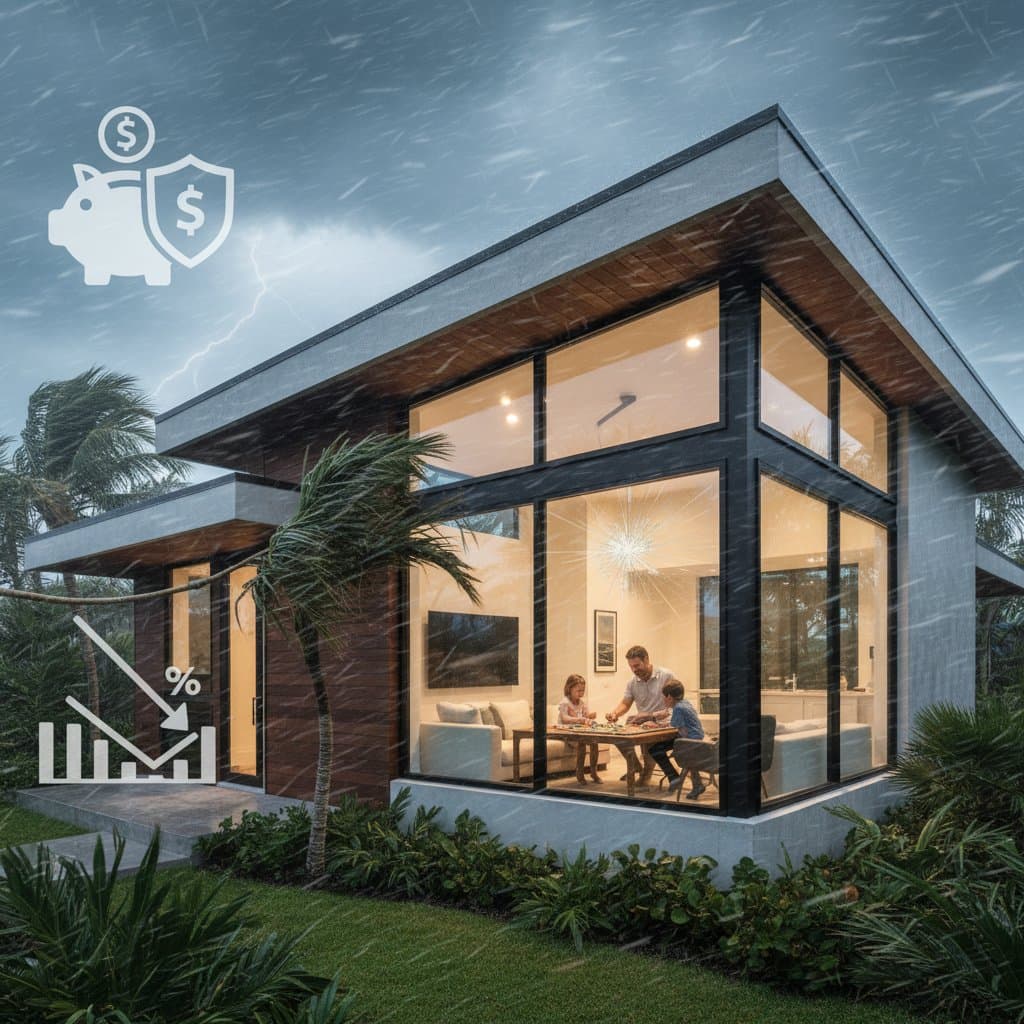
Homeowners in regions susceptible to hurricanes and severe weather confront ongoing challenges in safeguarding their properties while controlling insurance expenses. Impact windows resolve these issues effectively. Designed to endure extreme conditions, these windows prevent structural damage from wind-driven projectiles and pressure surges. At the same time, they enable eligibility for reduced insurance rates, providing both immediate safety and financial relief. This guide details the mechanics of impact windows, associated expenses, selection criteria, and their role in lowering premiums.
Advantages, Drawbacks, and Ideal Applications
Advantages
- Superior storm resistance: These windows block glass shattering and maintain building integrity by resisting debris impacts and wind forces.
- Premium reductions: Insurers often apply discounts for homes equipped with certified impact-resistant features.
- Enhanced soundproofing: The laminated construction diminishes external noise penetration by as much as 40 percent.
- Improved burglary deterrence: The toughened layers make unauthorized entry far more difficult.
- Better thermal performance: Multiple glass layers combined with low-emissivity treatments enhance insulation and reduce heating or cooling demands.
Drawbacks
- Elevated initial expense: Prices typically range from two to three times higher than conventional windows.
- Increased structural demands: The added weight of laminated glass necessitates stronger frames and support hardware.
- Intricate fitting process: Installation demands specialized techniques to ensure airtight seals and load-bearing stability.
Ideal Applications
These windows prove most valuable for individuals intending long-term residency in high-wind zones or those seeking to eliminate the hassle of seasonal shutter preparations. They suit properties where comprehensive weatherproofing aligns with budget priorities and future resale considerations.
Detailed Installation Guide
Engaging certified professionals ensures optimal performance and compliance with local codes. A standard residential retrofit spans three to five days, influenced by the number of units and site conditions. The procedure for each window follows a methodical approach to guarantee durability.
Essential Safety Equipment
- Protective eyewear and slash-resistant gloves
- Ear defenders for power tool operations
- Respiratory mask during substrate preparation
- Secure fall-arrest system for elevated installations
Installation Sequence
- Evaluate and dimension openings: Confirm the exact dimensions of rough openings, including width, height, and levelness.
- Extract existing window: Sever surrounding sealants, remove the frame carefully, and eliminate residual materials.
- Condition the mounting surface: Thoroughly clean the area, repair any gaps, and install moisture barriers like sill pans or adhesive flashing.
- Position the new unit temporarily: Verify proper fit, alignment, and vertical orientation.
- Secure the frame: Fasten with rust-proof anchors engineered to handle specified design pressures.
- Apply edge sealing: Use code-approved sealants to create a continuous barrier, inspecting for even application.
- Finalize and verify: Attach exterior and interior finishes, test operational mechanisms, and conduct a water resistance evaluation.
Common Pitfalls in Installation
- Inconsistent product ratings: Partial use of non-impact components disqualifies the entire system from insurance incentives.
- Inadequate anchoring: Standard fasteners fail under extreme loads, risking detachment during events.
- Neglected surface preparation: Residual contaminants or irregularities compromise waterproofing.
- Excessive fastener tension: Over-securing distorts frames and weakens joint integrity.
- Overlooked water management: Obstructed drainage paths invite moisture accumulation and material degradation.
Mechanisms for Insurance Premium Savings
Insurers incentivize proactive measures that lessen potential losses. Impact windows achieve this by preserving the home's exterior barrier intact amid turbulent weather. A formal wind mitigation assessment often validates these installations for rebate purposes.
Expected Savings Levels
- Five to ten percent reduction for homes with partial coverage on vulnerable openings.
- Fifteen to thirty percent decrease when all exterior glazed elements receive protection.
- Up to thirty-five percent savings for fully compliant systems backed by official certification.
Eligibility Criteria
- Every transparent opening requires impact designation or equivalent shielding.
- Placement adheres to manufacturer specifications and obtains necessary approvals.
- Qualified professionals conduct and record evaluations of performance labels.
- Documentation accompanies policy updates to trigger adjustments.
Underlying Effectiveness
Standard windows fracture easily, allowing internal pressurization that exacerbates roof and wall failures. Impact variants seal the envelope, averting such escalation. Reduced incident frequency translates to more favorable pricing from providers.
Bid Comparison Overview
| Aspect | Requirement | Option A | Option B | Option C | Key Differences |
|---|---|---|---|---|---|
| Performance rating | Design Pressure +50 / Large Missile Impact | Compliant | Compliant | Compliant | All satisfy regulatory thresholds |
| Frame composition | Thermally broken aluminum | Included | Included | Vinyl alternative | Vinyl offers cost savings but lower heat tolerance |
| Labor guarantee | Minimum two years | Three years | One year | Limited duration impacts reliability | |
| Administrative fees | Permit processing | Covered | Covered | Additional charge | Factor in extras for accurate totals |
| Overall estimate | Comprehensive quote | $16,800 | $17,200 | $15,900 | Verify inclusions like debris removal and inspections |
Review proposals meticulously, ensuring coverage for demolition, waste handling, finishing work, and compliance verification.
Pre-Installation Preparation Guide
| Area | Specifics |
|---|---|
| Equipment needs | Power drill, removal tools, measuring devices, application tools, protective items |
| Competency requirements | Knowledge of structural reinforcement, barrier techniques, adhesive methods |
| Protection essentials | Hand safeguards, vision shields, auditory gear |
| Regulatory steps | Secure construction authorization and hazard assessment |
| Site readiness | Ensure unobstructed pathways, dismantle coverings, shield surfaces |
| Environmental factors | Schedule around dry conditions to prevent adhesion issues |
Securing Protection and Savings
To integrate impact windows successfully, start by consulting local building authorities for code specifics. Select suppliers with proven track records in storm-rated products. Following installation, schedule the required inspection promptly to unlock insurance benefits. This comprehensive approach not only fortifies your residence but also stabilizes long-term financial outlays, offering peace of mind in unpredictable climates.