2025 Costs: Install Hurricane-Proof Windows Smartly
Hurricane-proof windows provide essential protection for homes in coastal or storm-prone regions. These windows represent a significant financial commitment in residential construction. Homeowners benefit from a clear understanding of the service structure and total costs to make informed decisions and avoid unexpected expenses.
Defining the Service and Its Scope
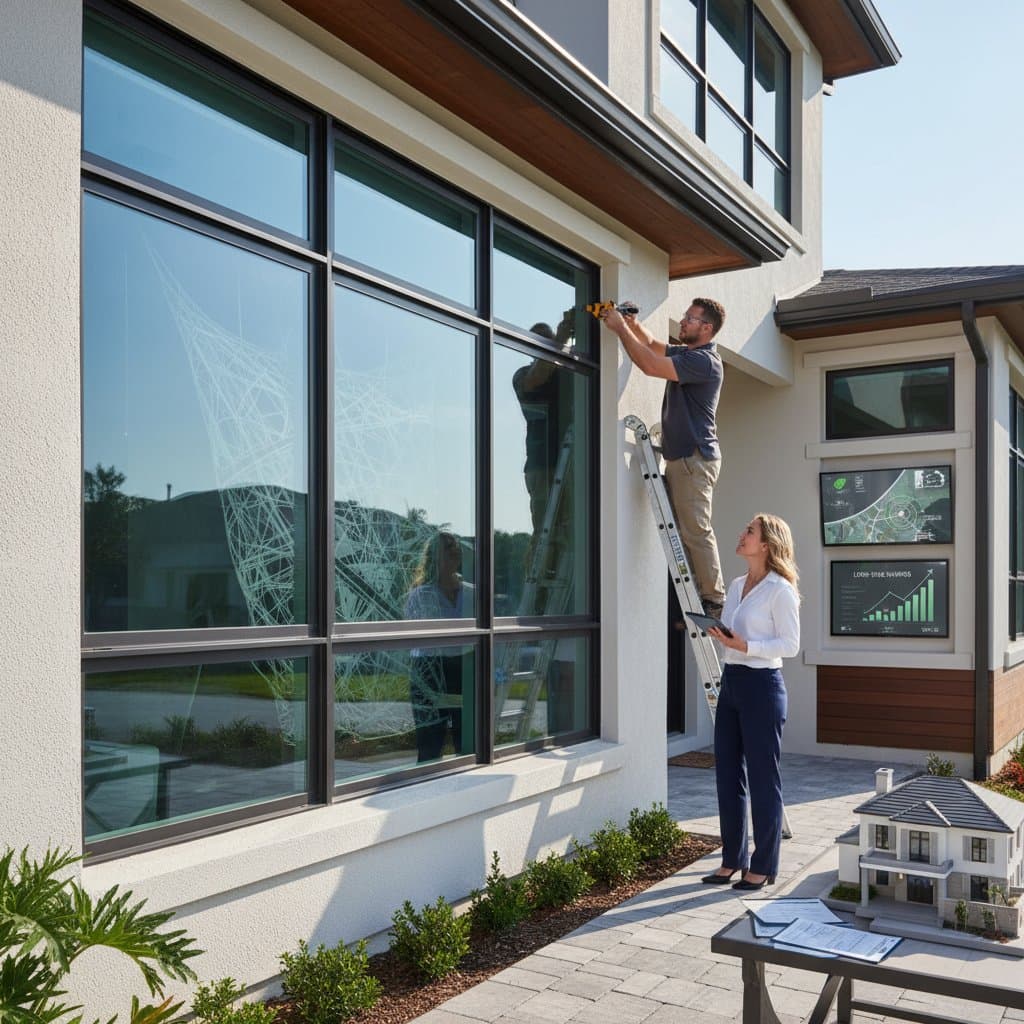
Hurricane-proof windows, also known as impact-resistant windows, endure high wind pressures and flying debris during severe storms. The service encompasses manufacturing, delivery, and expert installation of glass units that comply with rigorous pressure and impact standards. Projects may also involve frame reinforcements, sealant applications, and inspections to meet local building codes.
Scope varies based on window dimensions, frame materials, and site access. Verify if the quote covers removal of existing frames, disposal fees, and post-installation caulking. These elements frequently incur separate charges.
Cost Structure and Financial Breakdown
Installation pricing integrates materials, labor, and inspection expenses.
- Base pricing: Impact-rated glass windows begin at $65 to $90 per square foot for installation.
- Service fees: Project management or permit handling adds $150 to $500, depending on local regulations.
- Additional charges: Custom shapes or laminated finishes increase costs by 20 to 40 percent.
A standard home project totals $12,000 to $25,000, influenced by the quantity of windows and installation challenges. Obtain an itemized quote detailing per-window pricing, labor estimates, and warranty details for full transparency.
Understanding the Process Step by Step
- Initial contact: Request a quote and arrange an on-site measurement.
- Assessment phase: The contractor examines window openings, structural materials, and necessary code compliance ratings.
- Approval process: Review a comprehensive proposal that outlines costs, timelines, and warranty provisions.
- Service delivery: Workers remove old windows, prepare the openings, and secure new frames and glass with certified fasteners.
- Follow-up requirements: Complete final inspections for code adherence and register warranty documentation.
Limitations and Hidden Costs
Contracts often include exclusions that surprise homeowners. Installers might not cover damage from poor maintenance, settling foundations, or irregular openings. Glass breakage warranties may apply only to manufacturing flaws, requiring owners to pay for post-installation impacts.
Conditions such as rusted frames or wood decay lead to extra repair fees beyond the initial estimate. Schedule a pre-installation inspection to record current conditions and protect against added charges.
Evaluating Long-Term Financial Implications
The initial expense proves worthwhile through reduced insurance rates and energy bills. Insurers typically discount premiums by 5 to 15 percent for certified impact windows. Laminated glass minimizes heat transfer, yielding ongoing savings.
Over ten years, the overall ownership cost often undercuts alternatives like frequent repairs or seasonal shutters. Factor in financing interest, upkeep expenses, and warranty extensions when evaluating. Compare these against insurance reductions and enhanced home equity for a complete financial view.
Avoiding Common Pitfalls
Selecting the cheapest option without checking credentials leads to issues. Substandard work invalidates warranties and fails inspections. Confirm the contractor holds impact installation certification, maintains liability insurance, and employs tested products.
Protecting Your Investment
Thorough preparation, precise records, and regular care safeguard the installation. Store invoices, reports, and warranties for insurance purposes. Wipe seals periodically and check caulking after storms to preserve effectiveness.
Homeowners who approach hurricane-proof windows as a dual safety and investment strategy secure their property. Each expenditure supports enduring strength and increased value.