Home Warranty vs. Home Insurance: Coverage Secrets Revealed
Quick Overview
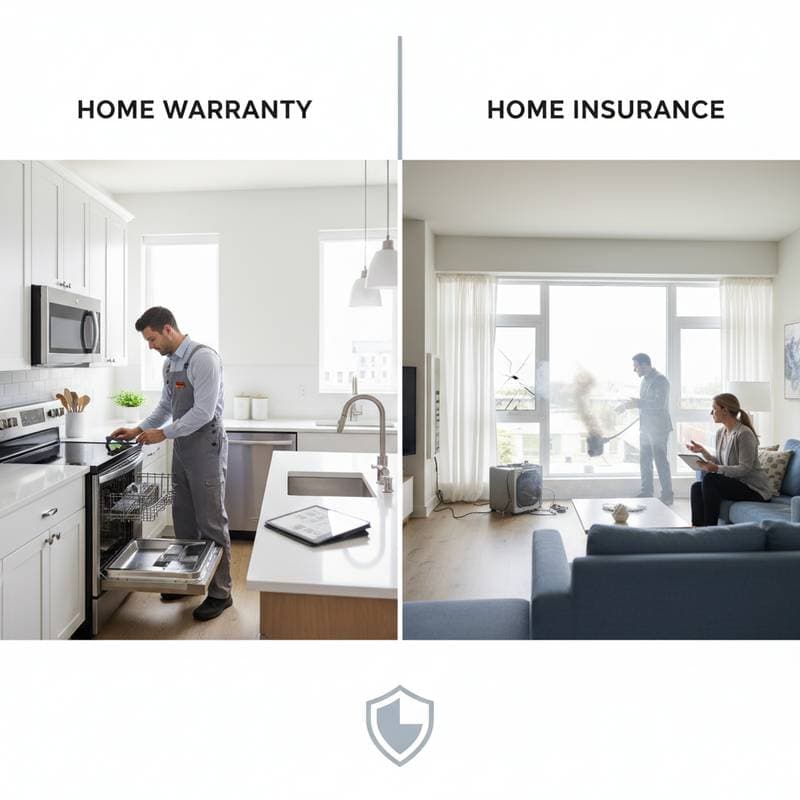
A home warranty plan covers the repair or replacement of major home systems and appliances that fail due to normal wear and tear. Home insurance, in contrast, protects against sudden and accidental losses, such as those caused by fire, storms, or theft. Property owners benefit from maintaining both types of coverage to achieve comprehensive protection.
- Home warranties focus on gradual deterioration from everyday use.
- Home insurance addresses unforeseen perils that damage the structure or contents.
- Warranties typically handle labor and parts for covered breakdowns.
- Insurance reimburses for restoration after a qualifying event.
Advantages and Disadvantages
Home Warranty Plans
Advantages
- Protection extends to essential systems, including heating, ventilation, and air conditioning units; water heaters; and kitchen appliances like dishwashers.
- Providers coordinate with a network of vetted contractors, streamlining the repair process.
- Annual premiums and per-service fees allow for predictable budgeting of maintenance expenses.
Disadvantages
- Coverage applies only to specifically enumerated items in the contract.
- Claims for pre-existing conditions or improper maintenance often receive denial.
- Response times vary based on the provider's technician availability in your area.
Home Insurance Policies
Advantages
- Comprehensive protection against significant perils, including fire damage, burglary, and windstorms.
- Mortgage lenders frequently require this coverage to safeguard their financial interest.
- Additional liability protection covers legal costs if someone sustains injury on the property.
Disadvantages
- Policies exclude routine breakdowns of appliances or components subject to normal wear.
- Deductibles, which represent the policyholder's out-of-pocket expense, can reach several thousand dollars.
- Successful claims sometimes lead to increased premiums at renewal.
Guide to Filing Claims: Step-by-Step Process
Essential Preparation Materials
- Your policy document or warranty agreement.
- Serial numbers and model details for affected appliances.
- Photographs documenting the failure or damage.
- Provider contact information, including phone numbers and online portals.
Estimated Time and Effort
- The claim submission process requires 30 minutes to several hours.
- Level of difficulty remains low for those familiar with coverage specifics.
Filing a Home Warranty Claim
-
Examine the Contract Terms
Review the list of covered items, exclusions, and service fee structure to confirm eligibility. -
Contact the Warranty Provider
Report the breakdown promptly and request a technician dispatch. Providers generally select from their approved network. -
Submit the Service Fee
Pay the designated fee for each service visit, typically ranging from $75 to $125. -
Undergo Technician Evaluation
The assigned professional assesses the issue. Covered repairs or replacements proceed at no additional cost beyond the fee. -
Monitor Resolution
Retain all invoices and documentation. Recontact the provider if the repair proves ineffective within the warranty period.
Filing a Home Insurance Claim
-
Mitigate Additional Harm
Secure the property to prevent worsening damage, such as turning off water or electricity sources. -
Record the Incident Thoroughly
Capture images of the affected areas, note the sequence of events, and gather relevant receipts or serial numbers. -
Notify Your Insurance Provider
Inform your agent or company of the loss immediately to receive specific claim guidelines. -
Cooperate with the Adjuster
Allow the inspector to evaluate the damage and prepare an estimate of repair costs. -
Authorize Repairs
Upon approval, engage qualified contractors for the work. Submit invoices to verify completion. -
Account for the Deductible
The insurance company deducts this amount from the total reimbursement.
Verification of Outcomes
- For warranties, confirm that the system or appliance operates at full capacity post-repair.
- For insurance, ensure the property restores to its condition before the loss.
Post-Claim Organization
- File all documents securely in a dedicated digital or physical folder.
- Mark calendar reminders for policy and warranty renewal dates.
Handling Repairs: DIY Options Versus Professional Services
Suitable for DIY Approaches
- Policy reviews and coverage verifications.
- Routine upkeep tasks, such as replacing air filters or inspecting for minor leaks.
- Comprehensive documentation of issues through photos and detailed notes.
Instances Requiring Professional Intervention
- Failures in electrical wiring, gas lines, or plumbing infrastructure.
- Damage affecting the home's structural integrity.
- Formal assessments needed to support insurance claims.
Value Added by Professionals
- Experts identify underlying causes efficiently, preventing recurring problems.
- They furnish detailed reports essential for claim validation.
- Work adheres to local building codes and safety regulations, ensuring coverage compliance.
Alternative Protection Strategies
Building a Self-Insurance Reserve
This option suits those seeking autonomy. Allocate a fixed monthly amount into a dedicated savings account for potential repairs. While it lacks a contractor network, it offers complete control over expenditures.
Manufacturer-Extended Warranties
Ideal for recently purchased appliances. These extend beyond the initial coverage period for specific items at a lower cost than comprehensive home warranties, though they limit protection to designated products.
Equipment Breakdown Endorsements
Available as an insurance policy rider. This add-on addresses sudden mechanical or electrical failures, bridging the divide between standard warranty and disaster coverage without requiring a separate plan.
Immediate Action Checklist
- Capture photographs of all major appliances and systems for reference.
- Establish an emergency fund covering 3 to 6 months of potential repair expenses.
- Display claim contact numbers in an accessible location, such as near the kitchen phone or in a home management app.
- Schedule annual reviews of both policies to identify coverage updates.
Overlooked Coverage Details
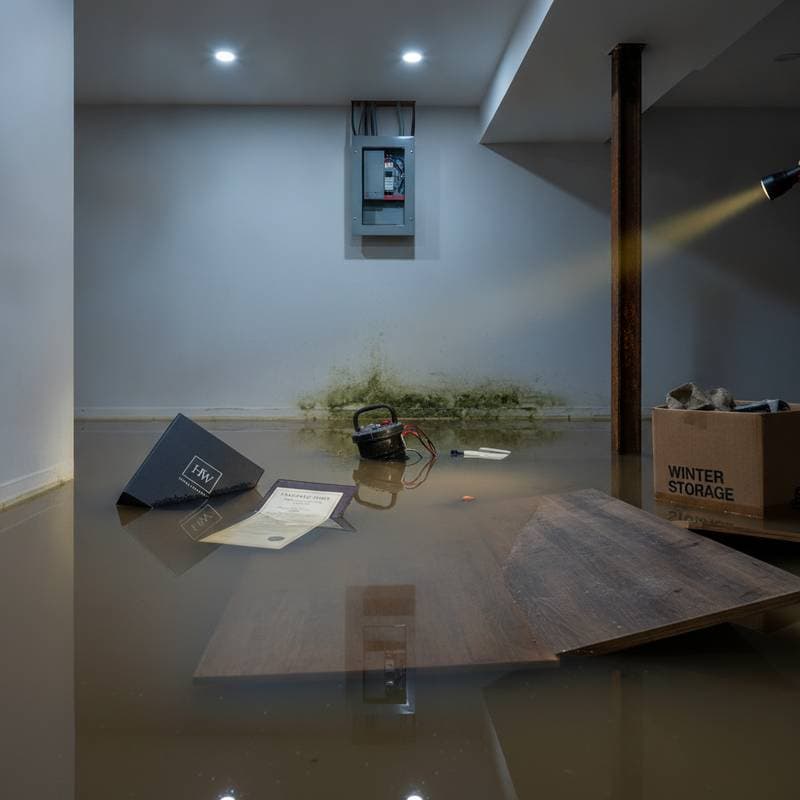
Home warranties and insurance policies rarely overlap. For instance, a bursting water heater triggers warranty coverage for the unit's repair, while insurance handles resulting flood damage to floors and walls.
Providers often impose age restrictions on systems. Coverage for heating and cooling units may diminish or terminate after 10 to 15 years of service.
Annual or per-item payout limits exist in most warranties. Examine contract terms to understand maximum reimbursements, particularly for high-value replacements.
Proof of regular maintenance proves crucial. Insurers and warranty administrators may reject claims without evidence of tune-ups, filter replacements, or professional inspections.
Obtain prior authorization for any repairs. Unauthorized work risks claim denial and potential coverage suspension.
Explore bundled options for cost efficiency. Certain insurance carriers collaborate with warranty firms to offer reduced rates, but independent quotes ensure the best value.
Implementing Effective Coverage
Begin with a thorough review of your home insurance declaration page. Identify covered perils, the deductible amount, and any exclusions that might leave vulnerabilities.
Next, consult your home warranty agreement. Note the included systems and appliances, along with any limitations or optional add-ons.
Assess intersections and gaps between the two. Elements like underground plumbing or exterior wiring often require supplemental plans to address.
Home buyers should request insurance summaries and warranty transfer details from sellers. Verify the warranty provider's reputation through customer feedback and payout reliability before assuming coverage.
Organize records in a centralized system, incorporating policy identifiers, contact details, and historical claims. This preparation equips you to respond swiftly to breakdowns or losses.
Home warranties and insurance complement one another seamlessly. Mastery of their distinct roles empowers homeowners to manage expenses, eliminate uncertainties, and sustain a reliable living environment over time.