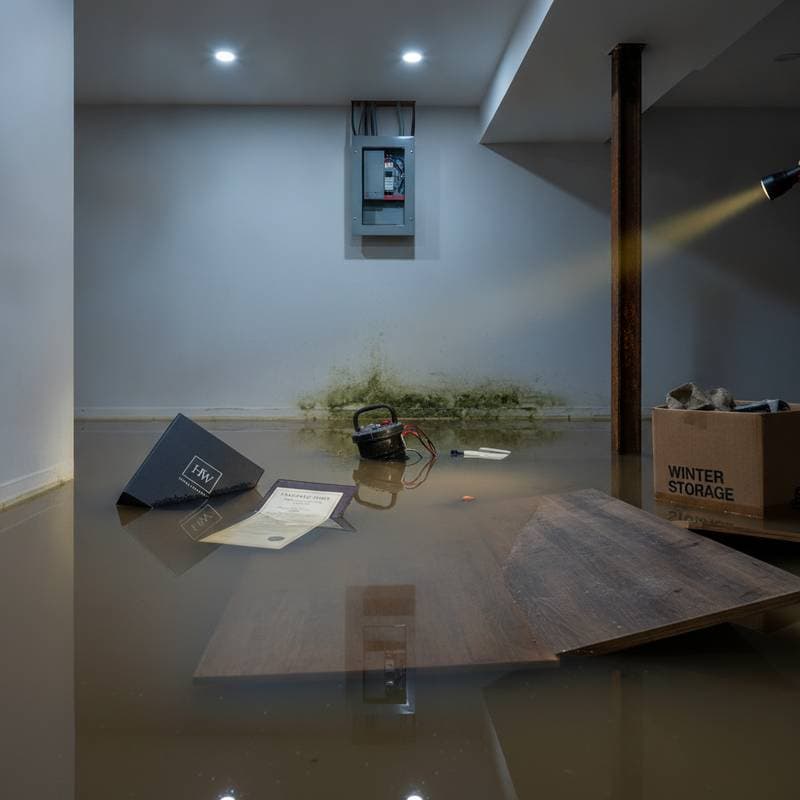
Uncovering Hidden Fees in Home Warranty Plans
Home warranties provide a layer of financial protection against the costs of repairing or replacing major home systems and appliances. However, these plans frequently include concealed charges that diminish their overall value. Homeowners benefit from a thorough understanding of these fees to evaluate contracts effectively and avoid unexpected expenses.
What Constitutes the Full Cost of a Home Warranty
A home warranty functions as a service agreement that addresses repairs or replacements for essential household items resulting from typical wear and tear. The basic structure involves a recurring premium, paid monthly or annually, and a service call fee triggered by each claim. The premium grants access to the service network, while the service call fee compensates for the initial technician visit. Although this framework appears simple, additional layers of costs emerge during the contract's duration, complicating the financial picture.
Dissecting the Structure of Concealed Charges
Warranty providers often promote affordable premiums, but service call fees typically range from $75 to $150 per incident. These fees apply to each separate claim, so concurrent failures in different appliances generate multiple charges. Certain plans incorporate dynamic fees that adjust according to the repair's complexity or the selected contractor.
Homeowners encounter further expenses embedded within the contract terms, such as:
- Access and diagnostic charges, incurred when appliances or systems prove challenging to reach or demand extended evaluation.
- Expenses for non-covered components, where the plan reimburses only specific parts, requiring payment for others.
- Surcharges for expedited services, added for urgent repair requests.
- Fees for permits and waste disposal, necessary to comply with local regulations during installations or removals.
These elements can elevate a single repair's total cost far above the quoted amount.
Navigating the Service Process and Fee Activation Points
A detailed examination of the claim process reveals precise moments when fees arise.
- Claim initiation: Submit the request via the provider's online system or phone line. Certain companies assess a fee for processing the claim itself.
- Diagnostic evaluation: The assigned technician inspects the problem. Even if the issue falls outside coverage, the full service call fee remains due.
- Review and authorization: The provider assesses the findings. This step may involve delays if further verification proves necessary.
- Repair execution: The work proceeds, yet additional costs surface here. Technicians might note that particular parts lack inclusion in the plan.
- Post-service verification: Select plans mandate a follow-up check or routine maintenance, each potentially carrying its own fee.
Vigilance at every stage ensures homeowners confirm coverage details in advance.
Restrictions on Coverage and Common Rejection Grounds
Contracts outline extensive protection, but exclusion clauses frequently limit its scope. Typical exclusions encompass pre-existing defects, faulty installations, or neglected upkeep. For example, an air conditioning unit failure linked to an unclean filter often leads to outright denial.
Additional rejection triggers include:
- Systems demanding structural alterations for access, such as breaking through walls.
- Use of aftermarket parts or unauthorized alterations that invalidate the agreement.
- Restrictions based on the age of appliances or systems.
- Absence of complete upkeep logs or overlooked routine checks.
Such constraints not only narrow the protected scope but also result in service fees for unsuccessful claims.
Assessing Financial Impact Over Time
Over multiple years, the net value of a home warranty hinges on claim frequency and repair types. Consider a scenario with a $60 monthly premium and $100 average service fee for three annual claims, totaling approximately $1,000 yearly. Approved major repairs within limits can justify this outlay. Denied claims or excluded elements, however, alter the equation unfavorably.
Providers may enforce yearly caps, like $500 per appliance or $2,000 overall. Exceeding these thresholds shifts remaining costs to the homeowner. Depreciation provisions also apply, offering reduced compensation for aging equipment. These features convert apparent comprehensive coverage into limited assistance.
| Coverage Level | Monthly Cost | Service Fee | Coverage Limits | Key Exclusions |
|---|---|---|---|---|
| Basic Plan | $40 to $60 | $75 to $125 | Up to $1,500 per system | Pre-existing issues, improper maintenance |
| Premium Plan | $70 to $100 | $100 to $150 | Up to $3,500 total | Structural modifications, code upgrades |
This overview demonstrates that elevated premiums do not always equate to superior safeguards when accounting for restrictions.
Scrutinizing Contract Details Thoroughly
Homeowners safeguard against surprises by examining every provision prior to commitment. Obtain complete sample agreements rather than relying on promotional overviews. Highlight sections on fees, exclusions, and limits to assess alignment with personal needs.
Safeguarding Your Home and Budget
Home warranties hold potential value when approached with clear expectations and diligent documentation. Maintain records of all maintenance activities, verify technician qualifications, and insist on detailed cost estimates before approving services. This methodical strategy enables homeowners to discern genuine benefits from promotional claims, ensuring contracts deliver as promised without undue financial strain.