How Much Does a Granny Pod Cost? 2025 Pricing Guide
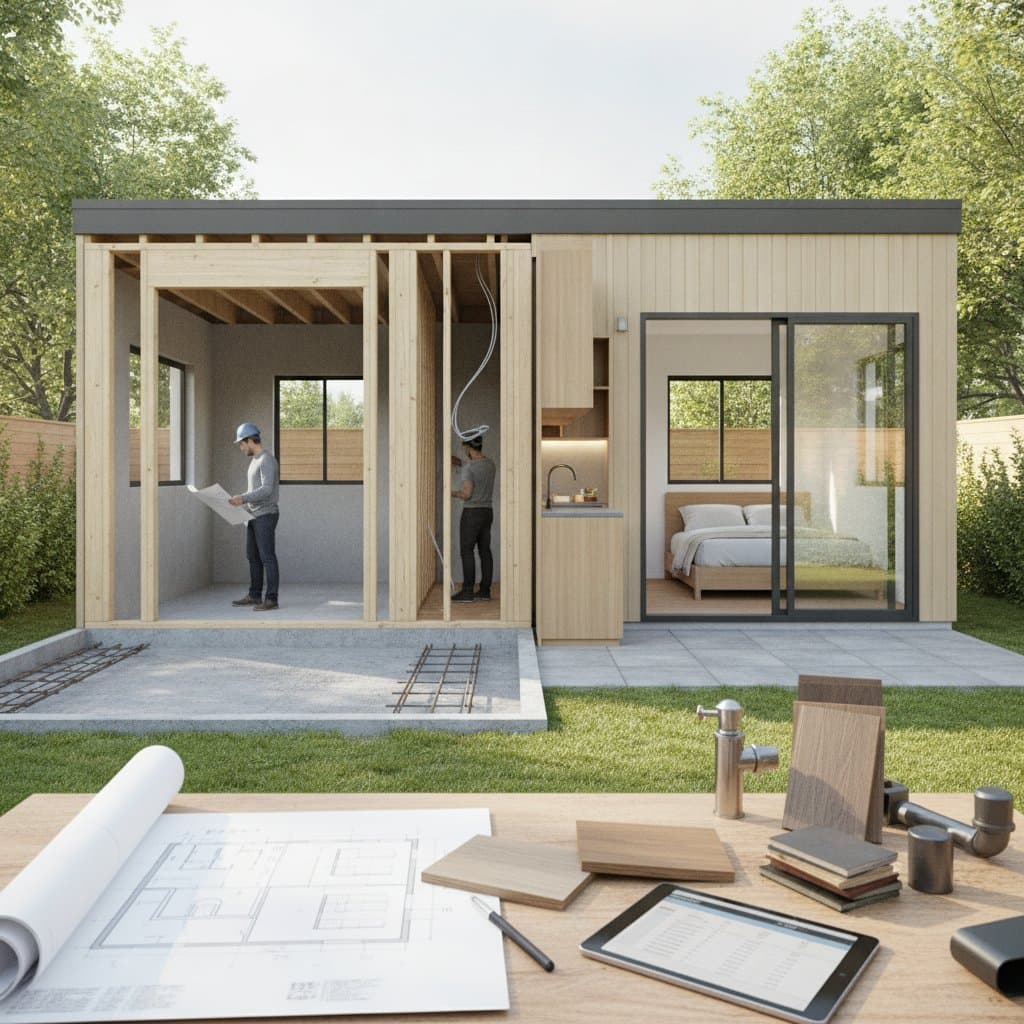
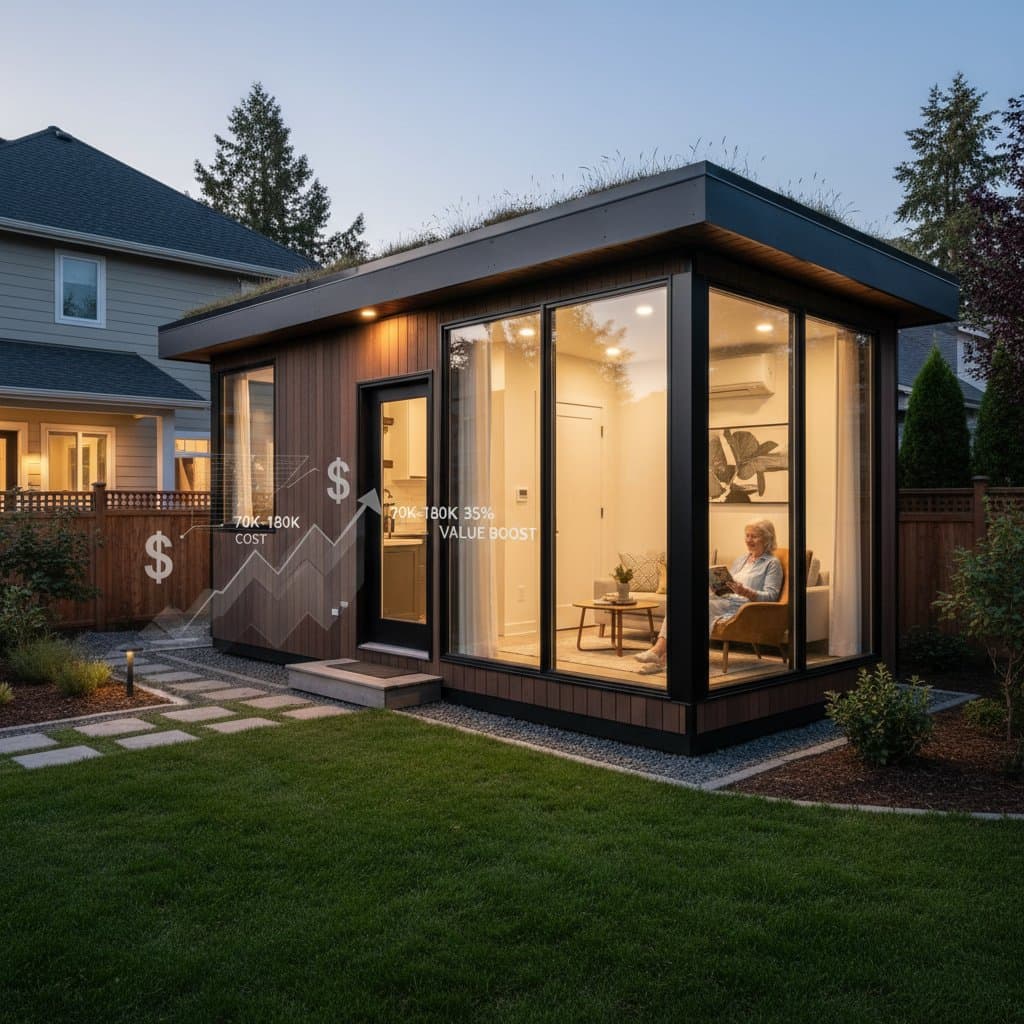
Granny pods convert standard backyards into secure, self-contained residences for family members. These accessory dwelling units combine privacy, ease of access, and closeness in a single structure. Installation by professionals ranges from $70,000 to $180,000, with the average at $125,000 for a complete setup featuring plumbing, wiring, and accessibility elements.
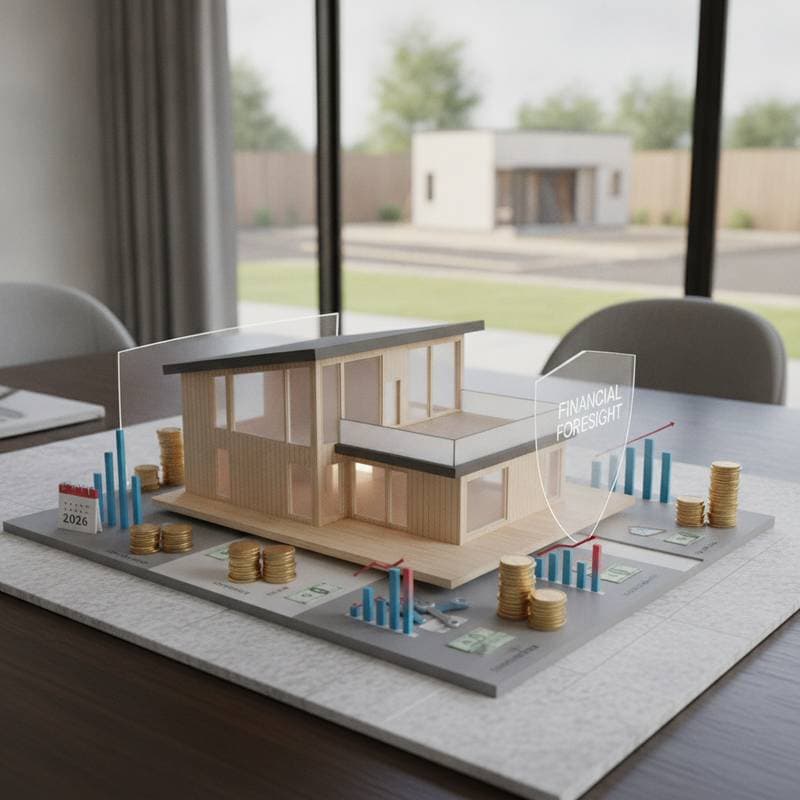
Three primary elements dictate the total expense: size and configuration, materials and finishes, plus site readiness and zoning needs. Local labor costs and permit charges further influence the price. Research from Home Innovation Research Labs indicates that well-executed backyard cottages raise property values by 20 to 35 percent, particularly in regions facing housing shortages. Such an investment supports current utility and future adaptability for caregiving, leasing, or shared family arrangements.
Detailed Cost Breakdown
A clear grasp of granny pod expenses aids in precise financial planning. Costs differ by location, builder, and project intricacy, yet consistent trends appear across the country.
Primary Pricing Structure
Granny pods generally charge $150 to $300 per square foot. A compact 250-square-foot option may total $45,000, whereas a 600-square-foot version approaches $150,000. Builders frequently apply a $50,000 base fee that encompasses initial site preparation and core assembly.
Nationwide, the 25th percentile falls at $90,000, the median at $125,000, and the 75th percentile at $160,000. Prefabricated units from companies like MEDCottage or MODS International prove more affordable than bespoke constructions, arriving pre-assembled. These shells begin at $40,000, though completion tasks such as utilities push the sum to $100,000.
Size and Scope Factor
Unit dimensions profoundly affect pricing. Adding 100 square feet typically incurs $12,000 to $15,000, varying by quality level. Studio variants with a kitchenette and bathroom span 250 to 350 square feet, one-bedroom designs cover 400 to 500 square feet, and expansive models over 600 square feet demand extra approvals and enhanced utilities.
One Portland resident invested $118,000 in a 420-square-foot pod equipped with a complete kitchen and ADA-accessible bath. In contrast, an Atlanta project for a 300-square-foot compact unit cost $78,000. These examples highlight how regional wages and choices in layout alter outcomes.
Material and Quality Tiers
Basic models employ wood framing, vinyl exteriors, and laminate surfaces, priced at $70,000 to $95,000. They incorporate standard insulation and fixtures expected to last 20 years.
Intermediate options use fiber-cement siding, efficient windows, and enhanced sanitary ware, such as Pella frames or Kohler products, totaling $110,000 to $140,000. This level balances longevity and market appeal.
High-end versions incorporate custom architecture, eco-friendly elements, and automation features from providers like Studio Shed or Connect Homes, costing $160,000 to $200,000. Features often include solar compatibility, underfloor heating, and prolonged guarantees, potentially returning 25 percent or higher in competitive markets.
Complexity and Site Variables
Intricate setups elevate expenses via terrain issues, base needs, or regulatory adjustments. Uneven ground, restricted entry, or unstable soil adds $10,000 to $25,000. Separate utility lines, if mandated, contribute $5,000 to $15,000 based on connection length.
Regional adjustments apply as well. West Coast cities like San Francisco or Los Angeles exceed national averages by 20 to 30 percent. Southern rural zones dip 15 percent below, though zoning hurdles may add $1,000 to $3,000 in fees and delays.
Service Types and Comprehensive Pricing
Installation approaches vary with objectives and funds available.
Basic or Standard Service Package
Standard services cover:
- Site leveling and foundation work
- Connections for water, sewage, and power
- Structural framing, roofing, and thermal barriers
- Internal walls, coatings, and surfaces
- Compact kitchen and basic bath
Projects span six to eight weeks, with labor comprising 40 percent of costs. Totals range from $95,000 to $130,000 for a ready-to-occupy space. This suits urgent needs without elaborate modifications.
Premium or Comprehensive Service
Advanced packages build upon essentials with:
- Design reviews and technical plans
- Complete kitchen using durable counters
- Automated illumination and climate controls
- Noise reduction and mobility aids
- Exterior enhancements like patios
These increase spending by 25 to 40 percent, reaching $150,000 to $180,000. Benefits encompass superior efficiency, visual harmony, and sustained usability. Long-term users or leasers justify the outlay via elevated asset worth and minimal upkeep.
Add-On Services and Optimization
Optional enhancements provide customization:
| Add-On | Average Cost | Benefit |
|---|---|---|
| Solar panel installation | $8,000 - $12,000 | Reduced utility payments |
| Accessibility ramp | $2,500 - $4,000 | Enhanced mobility |
| Custom cabinetry | $3,000 - $6,000 | Improved organization |
| Landscaping package | $4,000 - $7,000 | Elevated aesthetics |
Combining elements yields 10 to 15 percent savings through unified providers. Tools like HomeAdvisor or Angi facilitate bid evaluations, and some manufacturers offer payment plans and setup management.
Professional vs. DIY Analysis
Self-construction seems cost-effective initially, yet concealed costs and skill demands favor expert involvement for enduring benefits.
DIY Cost Breakdown
An experienced individual might construct a 300-square-foot pod for $55,000 to $70,000, including:
- Kit shell ($35,000)
- Barriers, walls, and floors ($7,000)
- Piping and wiring parts ($8,000)
- Furnishings and devices ($5,000)
- Equipment leasing ($2,000)
Effort surpasses 400 hours, excluding approvals. Errors in bases or circuits necessitate expensive fixes, and warranties remain limited.
Professional Advantages
Experts supply guarantees, coverage, and code adherence. Their tools and sources accelerate processes, finishing 40 percent quicker with 20 percent fewer corrections, per National Association of Home Builders findings. This approach secures reliability for ongoing use.
Decision Framework
Opt for professionals when the structure functions as a steady home or income source. Reserve DIY for simple, non-utility setups. Potential pitfalls in accuracy or timelines outweigh short-term economies. Confirm builder credentials and secure detailed proposals covering all connections prior to starting.
Actionable Cost-Saving Strategies
Timing Optimization
Builders provide 5 to 10 percent reductions in low-demand periods. Spring starts minimize weather disruptions that inflate labor. Midweek deliveries cut equipment fees by up to $1,000.
Smart Shopping Tactics
Obtain three bids from certified ADU experts to secure 8 to 12 percent reductions. Milestone-based payments promote reliability and may earn prompt-pay incentives. Direct material procurement saves 5 percent on components.
Preparation Actions
Perform initial tasks such as debris removal, line marking, or base gravel supply to trim labor by $500 to $2,000. Precise builder dialogues on visions avert mid-project alterations and excess charges.
Market Dynamics and Considerations
Geographic Variations
Prices fluctuate regionally. Urban coastal spots like Seattle or Boston add 25 to 35 percent premiums from high wages and rules. Midwestern or Southern areas average $100,000 to $120,000. Rural sites offer savings but scarcer specialists, prolonging schedules.
Market Timing
Supply issues for wood, metal, and barriers can hike budgets 5 to 10 percent. Modular choices mitigate volatility through bulk acquisitions. Workforce gaps in busy zones affect timelines and expenses.
Value Indicators
Pods generate 20 to 25 percent asset growth, with rentals recovering costs in five to seven years. Efficient builds lower utilities 15 to 30 percent via renewables or controls. They deliver space at 60 percent of addition expenses.
Related Services Ecosystem
Pods pair with complementary upgrades for optimal performance.
- Landscaping and drainage: $3,000 to $7,000, averting moisture and boosting looks.
- Pathways or drives: $2,500 to $6,000, ensuring secure passage.
- Yearly maintenance: $500 to $1,500, prolonging systems.
Integrated execution via one firm streamlines efforts and aligns styles.
Securing Lasting Returns
Strategic granny pods foster family autonomy and property appreciation. Success demands upfront research, budget realism, and regulatory checks with authorities on distances, services, and capacities. Through vetted teams, competitive bids, and timed execution, owners realize robust, economical outcomes. These structures evolve with household shifts, elevating daily life and fiscal stability.