Understanding Solar Warranties
Solar warranties provide essential protection for your investment in renewable energy. These agreements specify the duration of coverage for various system components and outline remedies for defects or underperformance. Manufacturers and installers offer distinct policies, so a thorough review of documentation proves crucial before finalizing any purchase or lease.
In 2026, warranties continue to evolve with advancements in solar technology. Expect enhanced terms for durability against environmental factors, though exclusions for natural disasters remain standard. This guide examines core coverage areas, helping you evaluate options to ensure decades of efficient power generation.
Key Coverage Areas
Solar warranties address multiple system elements, each with specific protections. Understanding these distinctions allows for informed decisions during system selection.
Panel Protection
Panel coverage safeguards against manufacturing defects such as cracked glass, frame corrosion, or junction box failures. High-quality panels from reputable manufacturers typically receive 25-year warranties, guaranteeing structural integrity. For instance, if environmental exposure leads to delamination, the warranty facilitates replacement without additional cost to the owner.
Inverter Safeguards
Inverters convert direct current from panels to alternating current for home use. These components experience faster wear due to thermal cycling and electrical demands, often warrantied for 10 to 12 years. Coverage includes failures from internal faults, ensuring prompt replacement to minimize energy production interruptions.
Racking and Mounting Systems
Racking and mounting hardware secure panels to roofs or ground mounts. Warranties protect against corrosion or structural failures that compromise attachment stability. Durable, galvanized steel or aluminum systems may carry 20-year terms, vital for withstanding wind loads and seismic activity in vulnerable regions.
Performance Guarantees
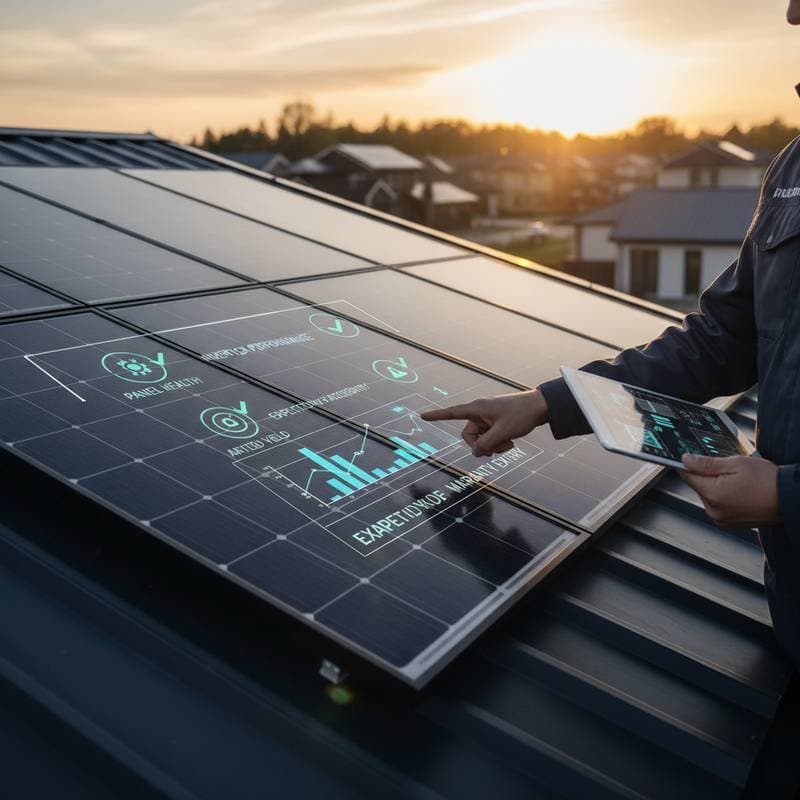
Beyond physical defects, performance warranties ensure panels retain efficiency over time. Most policies guarantee 80 to 90 percent of original output after 25 years, measured through standardized testing. If production falls below this threshold, compensation or free replacements apply, preserving the financial benefits of solar energy.
Labor and Shipping Provisions
Labor coverage reimburses technician efforts for removing, repairing, or reinstalling components. This provision varies; some manufacturers include it fully for the first decade, while others limit it to product defects only. Shipping coverage handles transportation costs for replacement parts, streamlining the claims process and reducing owner expenses.
Each manufacturer's policy differs in scope and exclusions. Always consult both product specifications and installer agreements to identify responsibilities and potential gaps in protection.
Navigating Warranty Claims
Effective use of warranties requires systematic steps to document and resolve issues. Prompt action prevents minor problems from escalating into costly repairs.
-
Examine Documentation: Verify applicable warranties and responsible parties, whether the manufacturer or installer.
-
Initiate Contact with Installer: Begin claims through the installation company, which assesses the issue and submits the formal request.
-
Submit Supporting Evidence: Provide serial numbers, installation dates, and clear photographs or videos of the defect.
-
Seek Manufacturer Review: Await approval, which may involve an on-site inspection or direct shipment of parts.
-
Arrange Professional Service: Schedule certified technicians for repairs or replacements to comply with policy terms.
-
Maintain Comprehensive Records: Retain all emails, reports, and receipts for potential future disputes or transfers.
Following these steps ensures efficient resolution, often within weeks, depending on part availability and location.
DIY Inspections Versus Professional Service
Homeowners often consider self-maintenance to save costs, but warranties impose strict requirements. The table below compares approaches, highlighting risks and benefits.
| Factor | DIY Approach | Professional Service |
|---|---|---|
| Skill Level | Limited to basic visual inspections | Expertise from certified solar technicians |
| Safety Concerns | Exposure to roof and electrical risks | Controlled with personal protective equipment and protocols |
| Required Tools | Basic items like multimeters and ladders | Advanced diagnostics and access equipment |
| Regulatory Compliance | Prohibited for electrical modifications | Adheres to local permits and codes |
| Time Investment | Approximately 30 minutes per check | Ranges from one to six hours per visit |
| Warranty Effects | Potential to invalidate coverage | Preserves full warranty terms |
Visual inspections, such as checking for debris or visible damage, suit DIY efforts. However, any electrical or structural interventions demand professional involvement to avoid voiding protections.
Essential Maintenance for Longevity
Solar systems demand little routine care, yet regular upkeep upholds warranty validity and optimizes performance. In areas with high dust or pollen, clean panels biannually using deionized water and soft brushes to prevent efficiency losses from buildup.
Schedule professional inspections every two years to detect issues like loose connections, corrosion, or inverter degradation. These evaluations, costing 200 to 500 dollars depending on system size, identify problems early and extend operational life.
Panels generally endure beyond 25 years with minimal degradation. Inverters require replacement once during this period, typically after 10 to 15 years. Selecting corrosion-resistant racking aligned with roof lifespan ensures the entire system remains viable without frequent overhauls.
Common Questions on Solar Warranties
What distinguishes product warranties from performance guarantees?
Product warranties address manufacturing defects and material failures. Performance guarantees focus on sustained energy output levels over the system's life.
Is warranty transfer possible upon home sale?
Yes, most manufacturer warranties transfer once with formal written notification to the company.
Do warranties include protection from storms or hail?
No, such weather-related damage requires homeowner's insurance; manufacturer policies exclude acts of nature.
Do panels and inverters share identical warranty terms?
Typically not; inverters receive shorter coverage periods due to their operational demands.
Securing Your Solar Future
Selecting robust warranties forms the foundation of a resilient solar setup. By prioritizing comprehensive coverage and adhering to maintenance protocols, owners maximize returns on their investment. Professional guidance during purchase and service ensures compliance and performance, delivering clean energy for generations while minimizing unforeseen expenses.