Granny Pod Costs: Zoning Laws That Can Double Your Budget
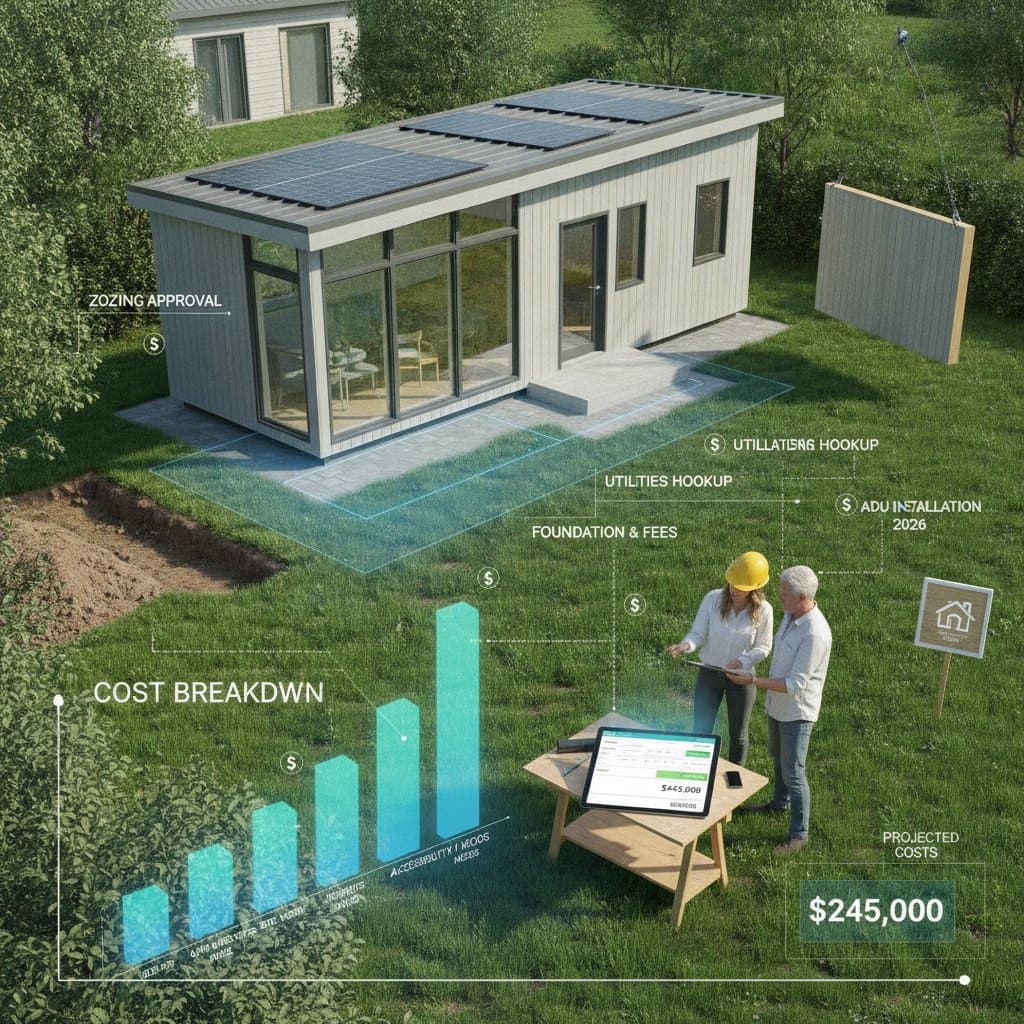
Granny pods provide a practical housing option for aging family members, offering independence while maintaining close proximity to support. These structures, often categorized as accessory dwelling units, range in cost from $90,000 to $250,000. Factors such as zoning regulations, permits, and site preparation significantly influence the final expense, potentially doubling the budget without proper planning.
Understanding Granny Pods
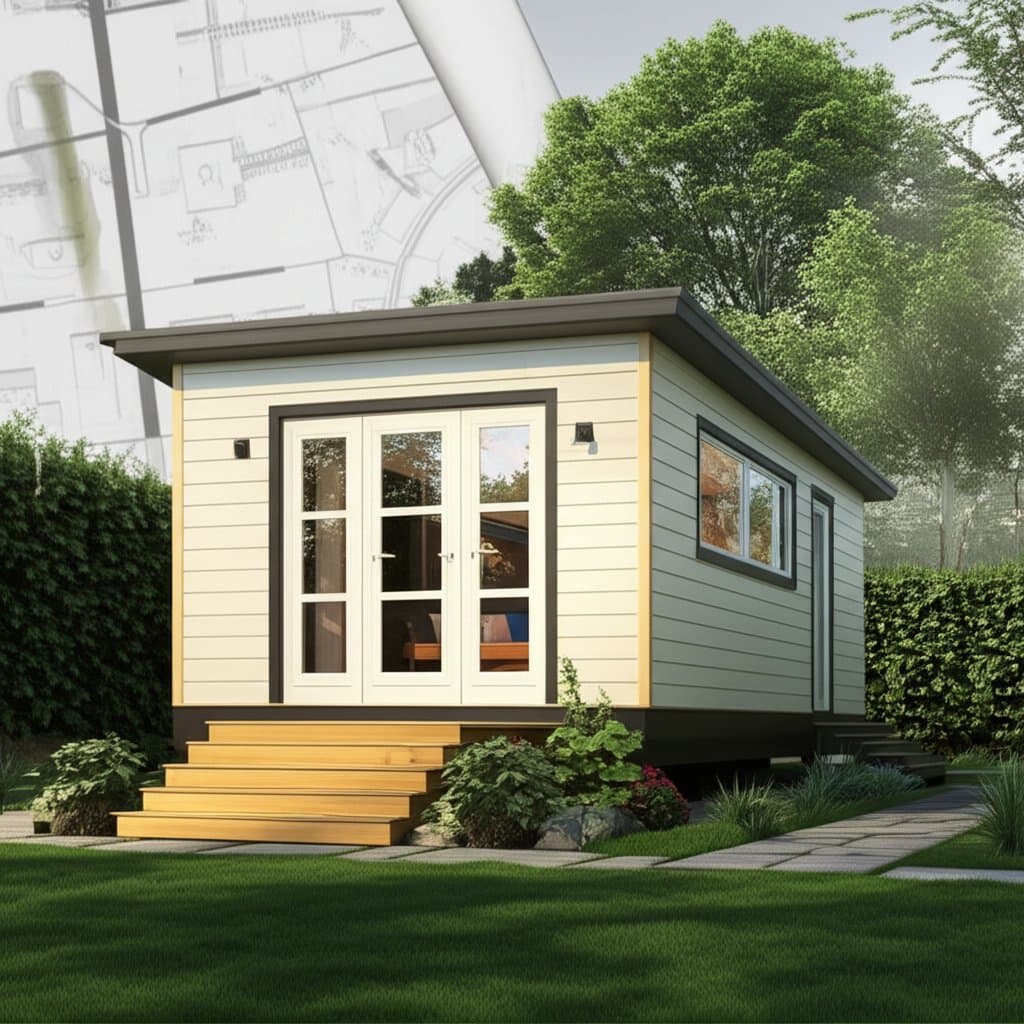
A granny pod consists of a compact, self-contained residence situated on the same property as the primary home. It typically features a bedroom, bathroom, kitchenette, and modest living space. Connections to utilities from the main house streamline installation, although independent systems offer greater flexibility where zoning permits.
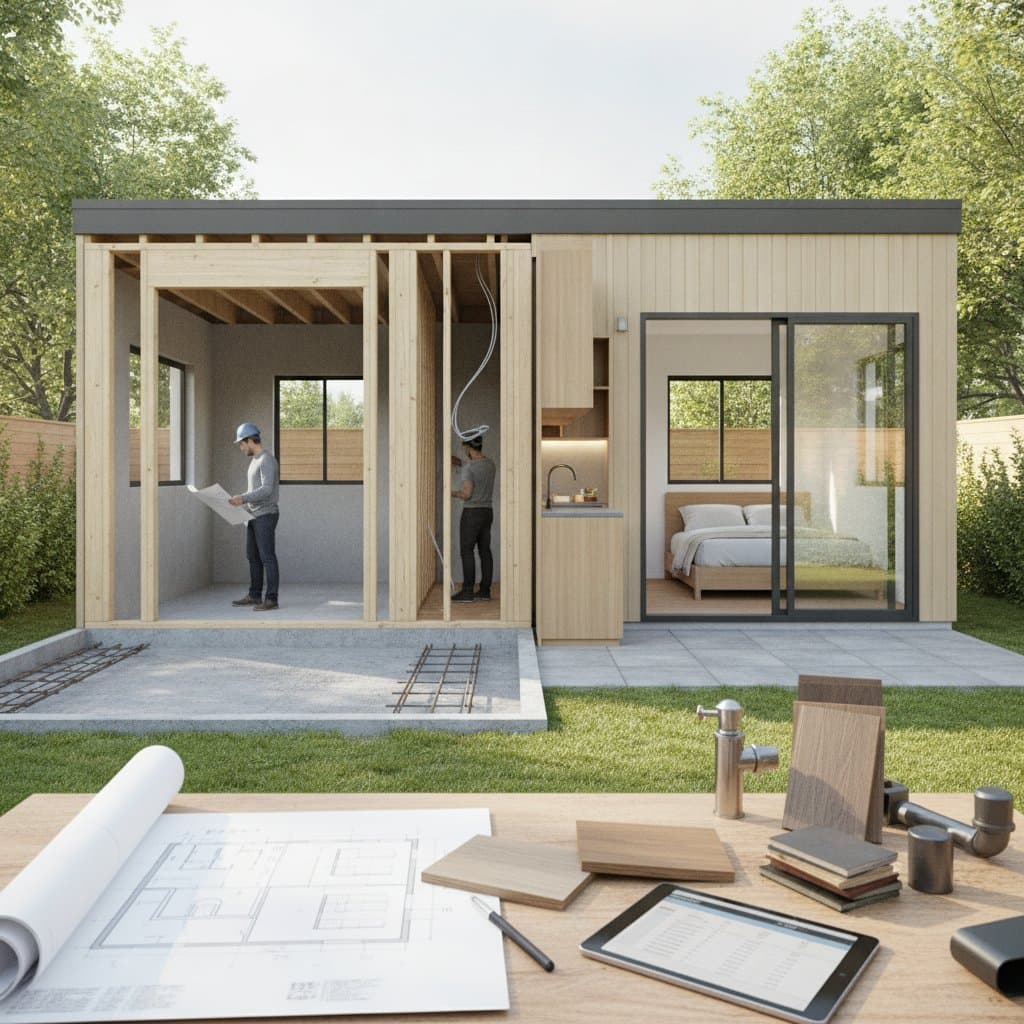
Prefabricated models arrive ready for hookup, minimizing on-site disruption. Site-built options allow customization to match specific needs, resembling a scaled-down traditional house. As accessory dwelling units, granny pods must comply with local zoning rules governing dimensions, placement, and usage.
Indicators for Building a Granny Pod
Consider constructing a granny pod under these circumstances:
- A family member desires autonomy yet requires occasional assistance.
- The primary residence lacks space for integrated caregiving or expanded living arrangements.
- Municipal regulations permit accessory dwelling units or provisional medical structures.
- The lot provides sufficient area and entry points for construction equipment.
- Long-term utility appeals, such as conversion to rental income or guest accommodations.
Before investing in plans or consultations, examine applicable local codes to confirm feasibility.
Breakdown of Costs and Influencing Elements
The national average for a fully installed granny pod falls between $90,000 and $250,000, with a median of approximately $150,000. Basic prefabricated units begin at $90,000, encompassing delivery and essential utility links. Tailored constructions incorporating advanced appliances, high-end materials, or specialized health features surpass $250,000.
| Line Item | Typical Range | Notes and Variables |
|---|---|---|
| Prefab Unit Shell | $65,000 to $120,000 | Depends on dimensions, configuration, and material quality |
| Site Work and Foundation | $10,000 to $40,000 | Influenced by terrain, grading, and accessibility |
| Utility Connections | $5,000 to $25,000 | Varies with hookup distance, excavation requirements, and approvals |
| Interior Finishes | $10,000 to $35,000 | Includes surfaces, storage solutions, and hardware |
| Permits and Design | $2,000 to $10,000 | Covers application fees and professional schematics |
| Delivery and Setup | $2,000 to $8,000 | Accounts for transport and installation logistics |
| Total Installed | $90,000 to $250,000 | Median approximately $150,000 |
Key elements driving expenses include regional wage scales and approval charges, prefabrication versus bespoke design, modifications for mobility, separation from existing services, and adherence to standards for efficiency or protection.
Essential Safety and Compliance Considerations
Electrical and plumbing installations require adherence to established residential standards; engage certified professionals for these components. Maintain adequate fire barriers when the pod nears boundaries or the main structure. Incorporate accessibility elements like entry ramps and support rails to enhance security, regardless of mandates.
Secure the foundation against regional weather forces, such as high winds or heavy snow. Ensure heating, ventilation, and air conditioning systems align with efficiency and purity guidelines. Install smoke and carbon monoxide alarms as required by code. For integrated health alerts linking to the primary home, adhere to vendor specifications to prevent system conflicts.
Regional and Environmental Influences
Adapting to Climate Variations
In cooler areas, reinforce floor insulation and employ foundations resistant to freezing. Humid, warm environments demand robust airflow and vapor controls. Dry locales benefit from reflective roofs and durable exteriors like stucco. Coastal settings necessitate corrosion-resistant hardware and weatherproof seals.
Navigating Codes and Approvals
Certain jurisdictions designate granny pods as interim medical accommodations, requiring removal upon changed needs. Others classify them as enduring accessory dwelling units, enforcing spacing and service protocols. Verify classifications early to guide decisions.
Selecting Appropriate Materials
Opt for composite exteriors and durable window frames in variable humidity. Fire-prone areas often mandate metal coverings and non-combustible panels. Regions with pest risks require treated lumber for structural integrity.
Optimizing Construction Timing
In frosty zones, initiate groundwork post-thaw to avoid delays. Arid, high-temperature sites suit early-day placements to protect workers. Rainy climates account for prolonged curing of foundations and coatings. Consult area experts on seasonal impacts to permits and logistics.
Key Terminology
Accessory Dwelling Unit (ADU): Secondary living space on a residential parcel.
Prefab: Factory-assembled component transported for final integration.
Foundation: Structural base distributing weight to the earth.
Setback: Minimum clearance from lot edges to buildings.
Permit: Authorization for development activities.
Tie-in: Junction linking new systems to established infrastructure.
Crawlspace: Low-level underfloor area for utility maintenance.
Subpanel: Auxiliary electrical distribution from primary supply.
Temporary Medical Dwelling: Caregiving structure with potential expiration.
Frost Line: Soil depth susceptible to freeze, informing base depth.
Load Path: Structural pathway channeling forces downward.
Occupancy Certificate: Official confirmation of code conformity for occupancy.
Steps to Launch Your Project
Prioritize zoning verification over aesthetic choices when planning a granny pod. Obtain itemized quotes distinguishing unit fabrication from preparatory tasks. Allocate a 10 percent reserve for unforeseen regulatory or geological challenges.
Professional guidance transforms the concept of an auxiliary residence into a compliant, supportive space. This investment fosters family well-being now and adaptable housing potential in the future.