
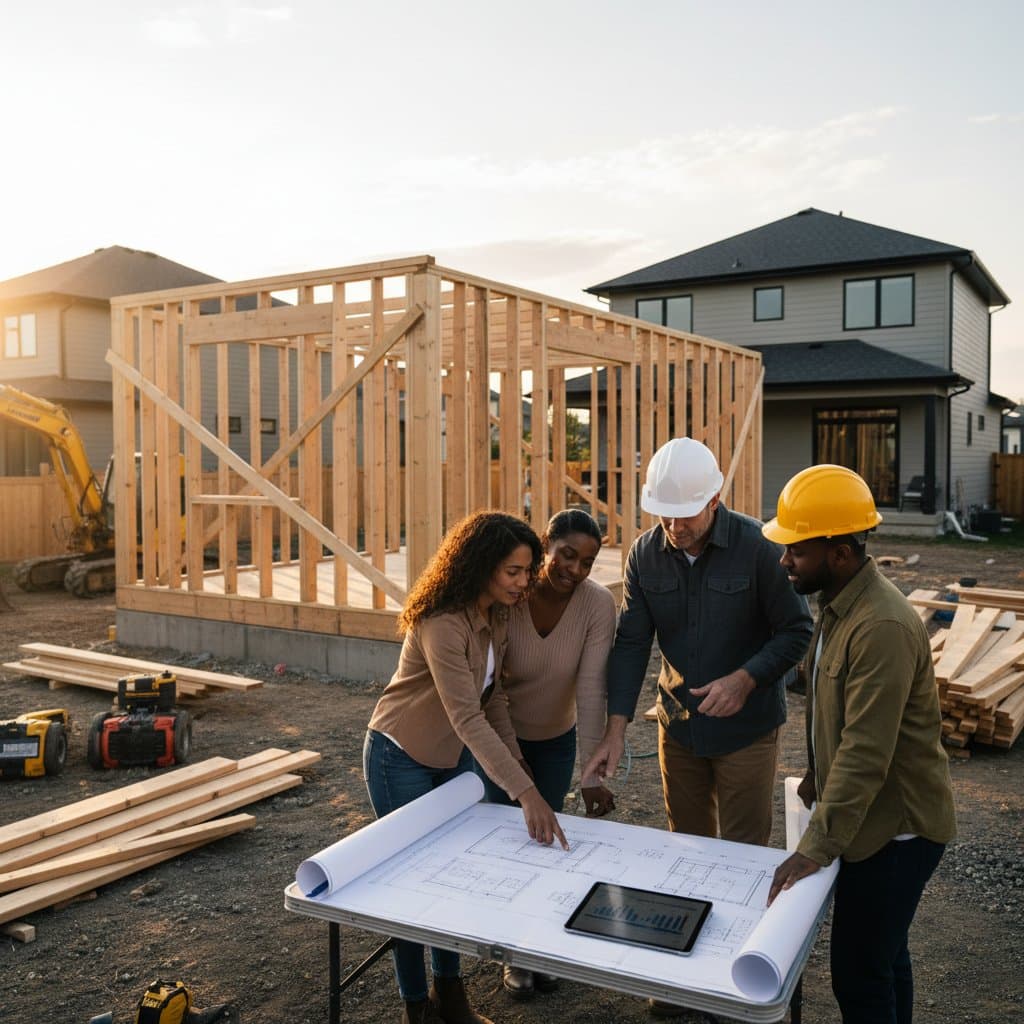
ADU popularity surges, yet escalating costs require strategic budgeting. This overview details expense breakdowns, funding paths, and mitigation tactics to help you construct efficiently and maximize returns on backyard expansions.
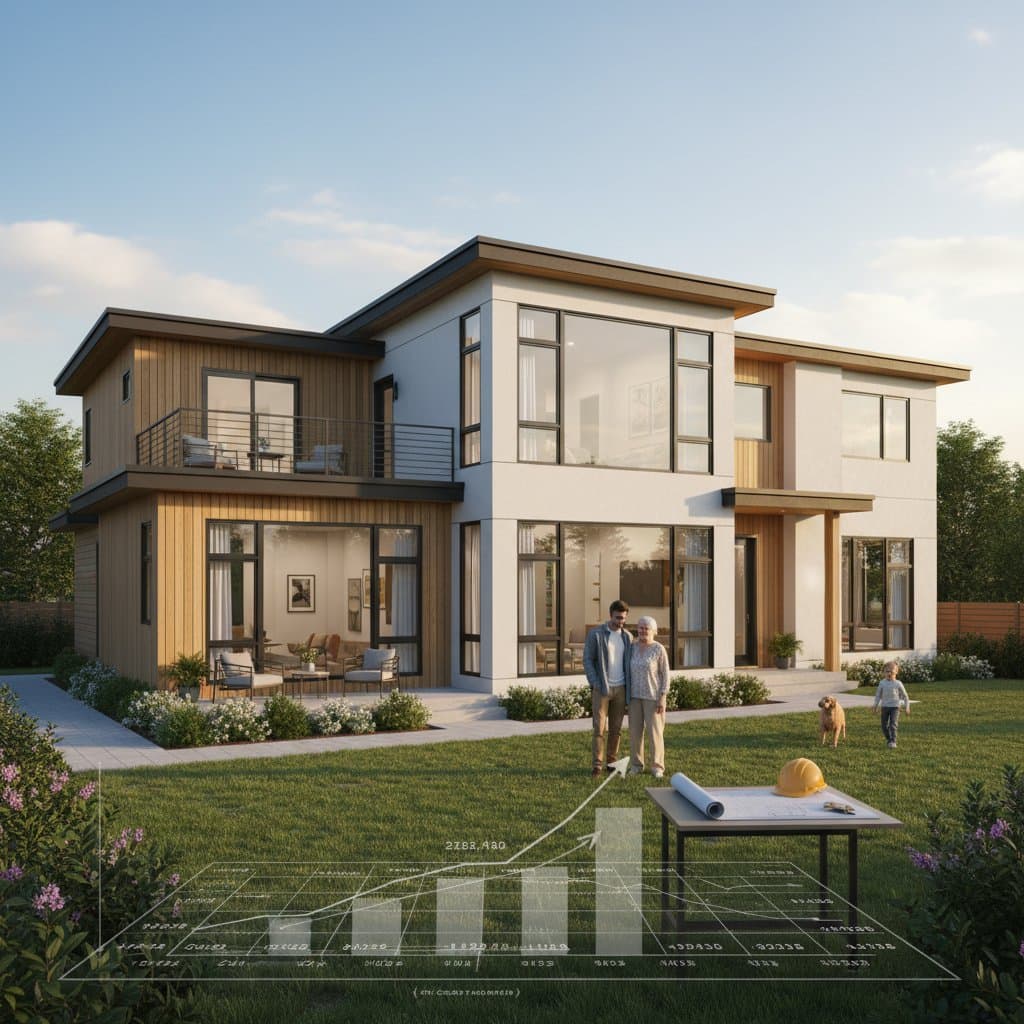
Building a multigenerational addition in 2026 costs $120,000–$320,000, depending on size, materials, and site complexity. Professional builds boost property value up to 30 percent, while smart timing and planning can cut expenses. Explore detailed cost tiers, DIY comparisons, and strategies to maximize comfort, equity, and long-term family flexibility.
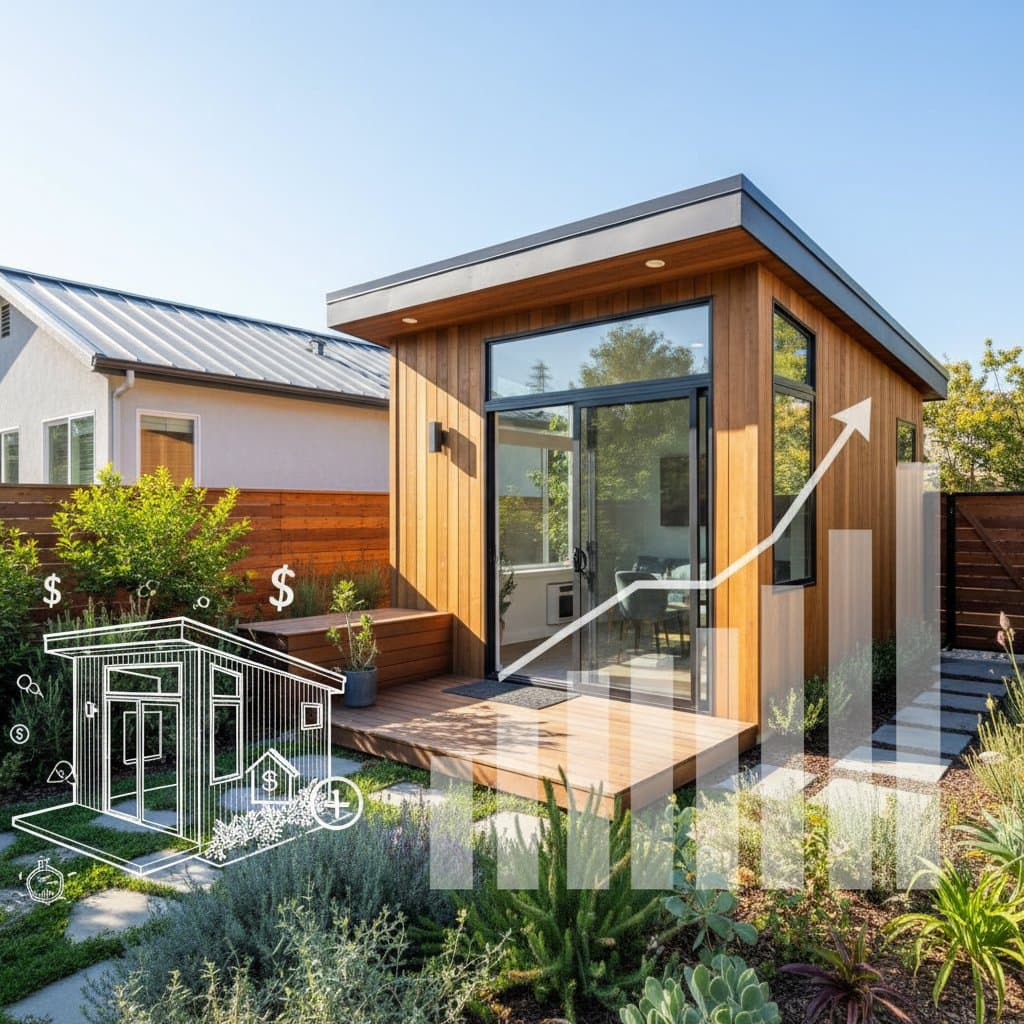
In 2026, constructing a granny flat ranges from $90,000 to $250,000 based on size, materials, and location specifics. Average builds hit $160,000 for a 600-square-foot detached unit. Learn cost breakdowns, savings tips, and how to achieve up to 30% property value gains through expert planning.
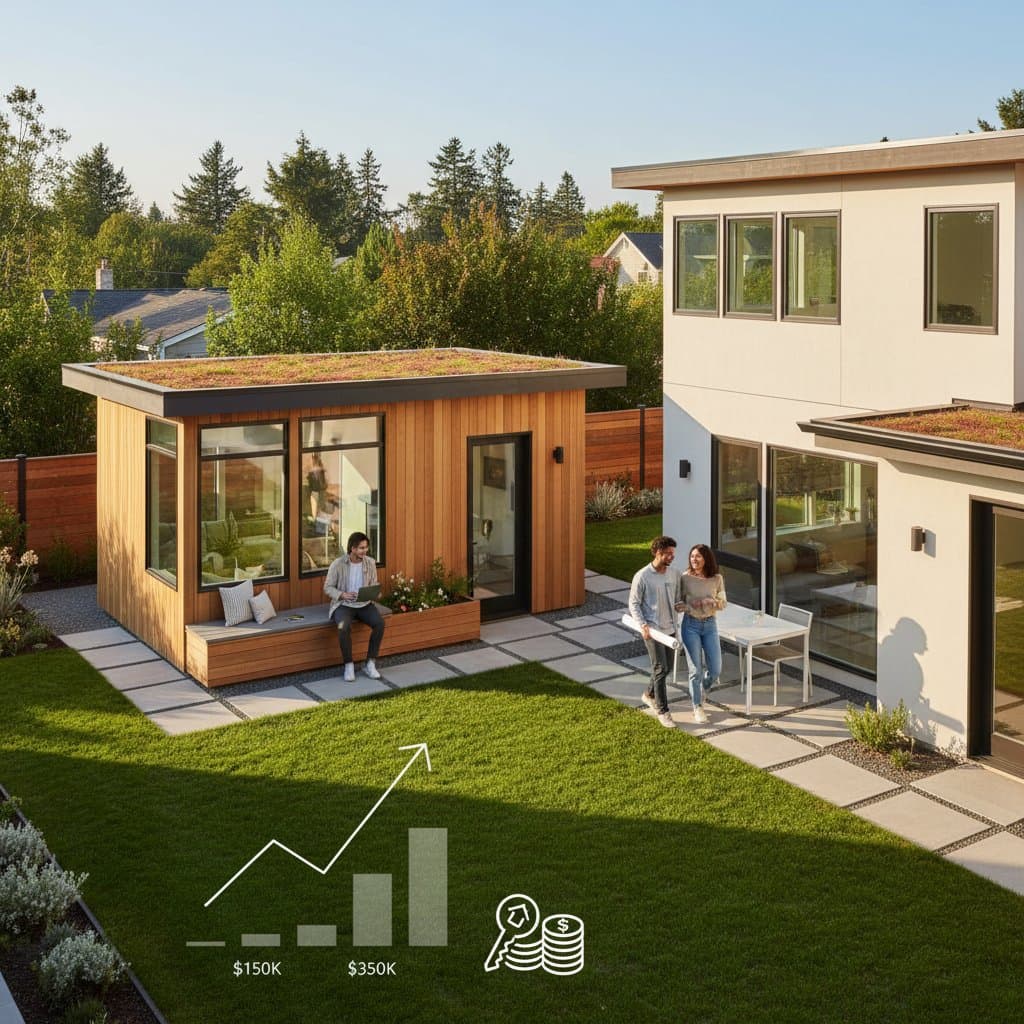
Building an accessory dwelling unit, or ADU, enhances property value, provides rental income, and adds flexible living space. This guide covers 2026 cost estimates, essential planning steps, and professional hiring advice. From permits to ongoing maintenance, discover how thoughtful design and budgeting transform backyard areas into valuable investments.
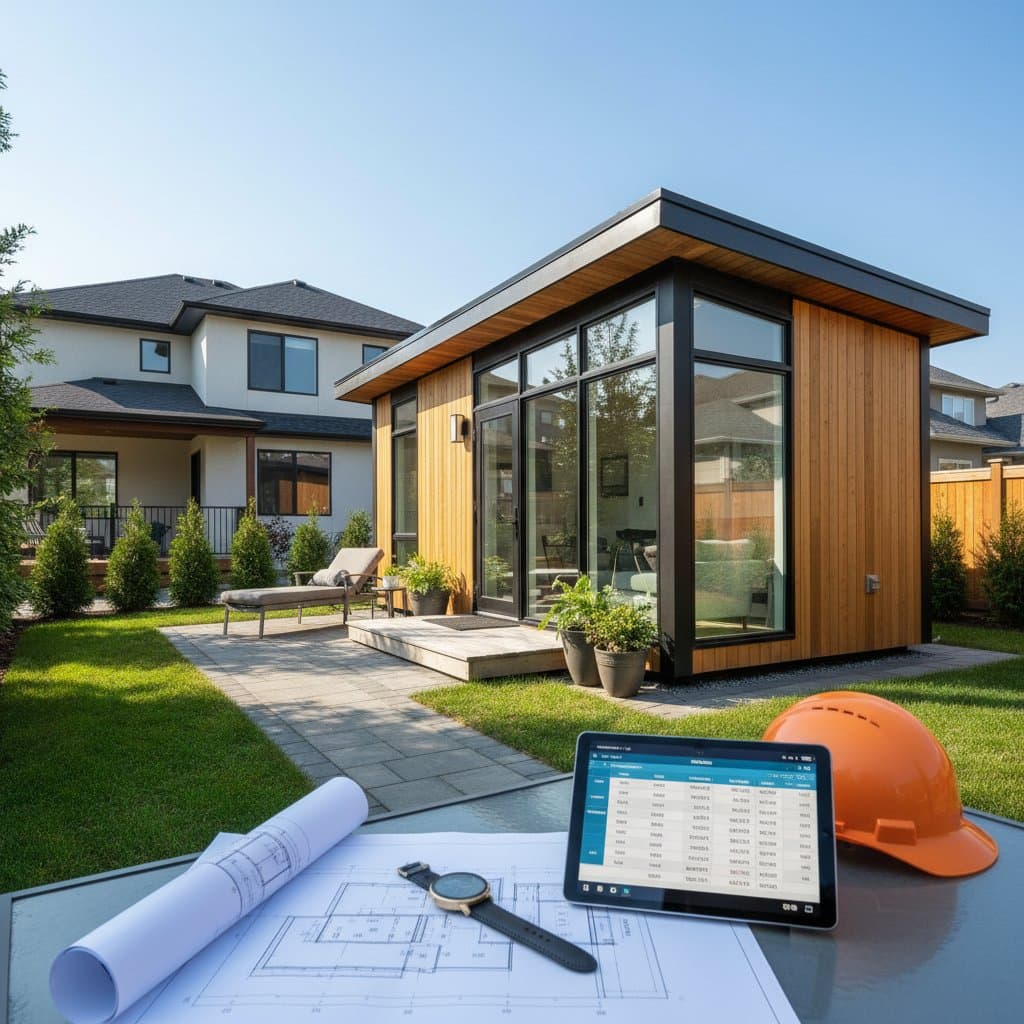
In 2026, installing a granny pod averages $145,000, with ranges from $90,000 to $210,000 based on size, materials, and location. Projects complete in 10 to 20 weeks using licensed professionals. Strategic planning ensures compliance, comfort, and optimal value for homeowners.
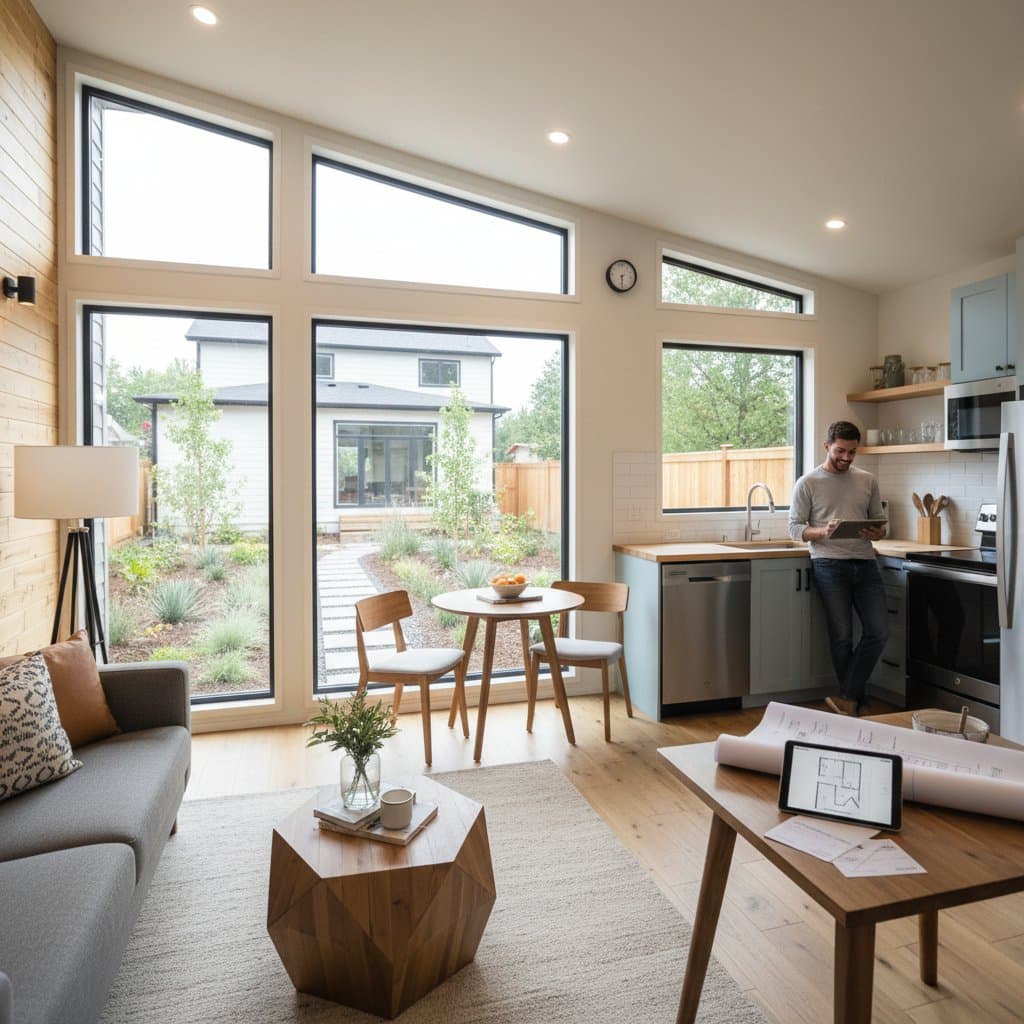
In 2026, granny pod expenses dip below those of main home additions, offering an affordable path to multigenerational living. This guide details full cost breakdowns, essential zoning checks, permit processes, and practical choices between self-build and expert installation to keep your project compliant and cost-effective.
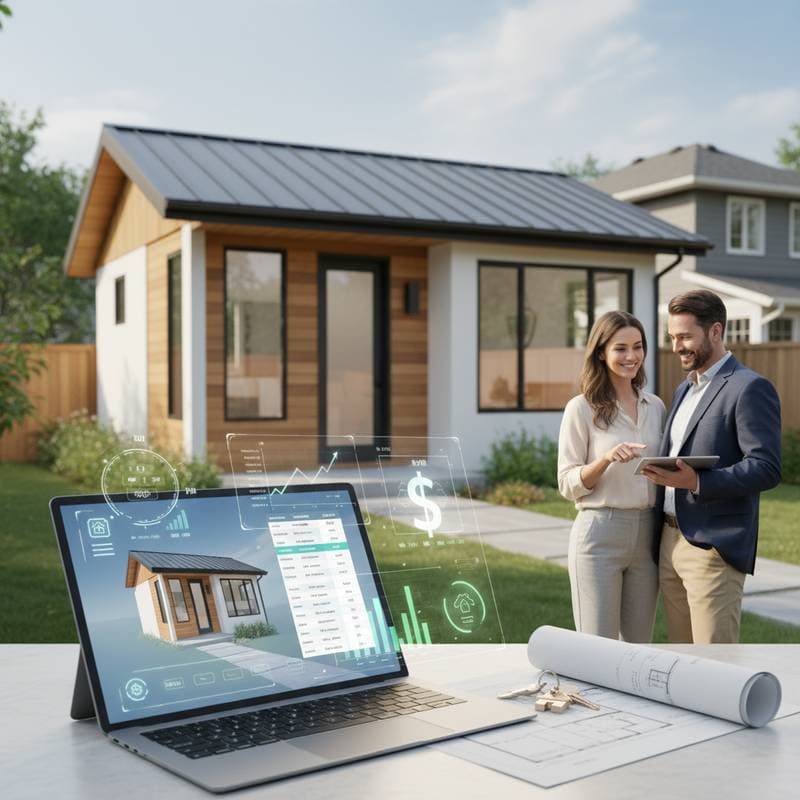
Uncover the real costs of building an ADU in 2026 and master the planning process for your granny flat project. This comprehensive guide covers expense breakdowns, construction steps, pitfalls to sidestep, and pro versus DIY options to secure lasting property benefits.
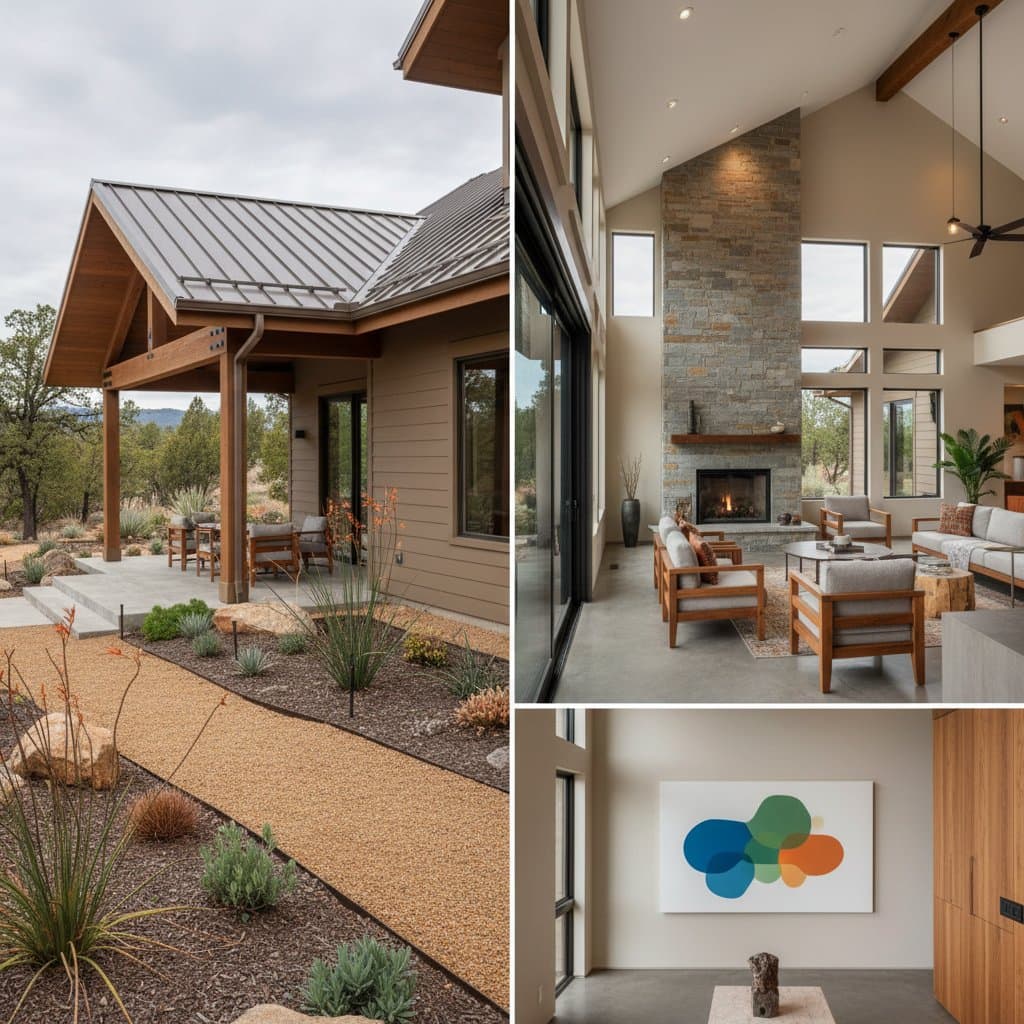
Making a home resistant to wildfires typically costs between $10,000 and $60,000, depending on the property. Key enhancements such as Class A roofing, ember-resistant vents, and creating defensible space significantly lower risks. This guide details expenses, do-it-yourself possibilities, and professional recommendations to improve safety, build resilience, and safeguard property value amid rising fire threats.
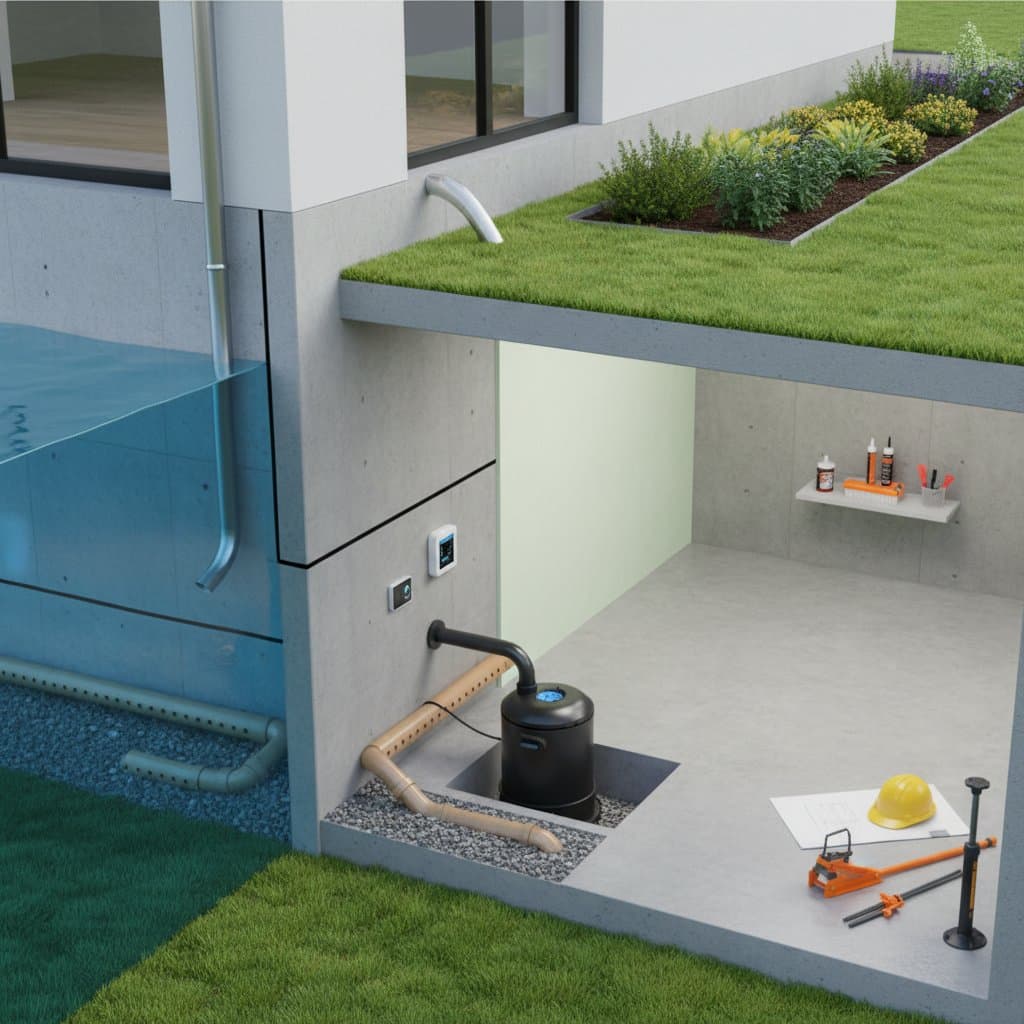
Flood-proofing the foundation of a home prevents expensive water damage and maintains structural stability. Costs typically range from $3,000 to $15,000, depending on methods such as sealants, drainage systems, or sump pumps. This guide covers DIY options, professional interventions, and maintenance tips to keep basements dry and secure.
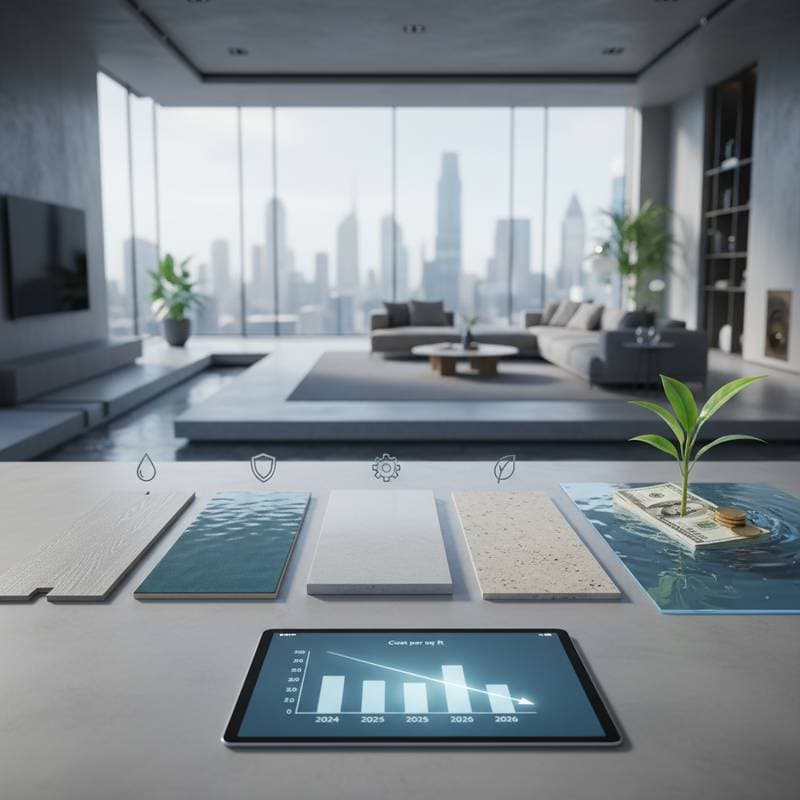
With increasing flood risks, investing in flood-resistant flooring offers essential protection and financial benefits.
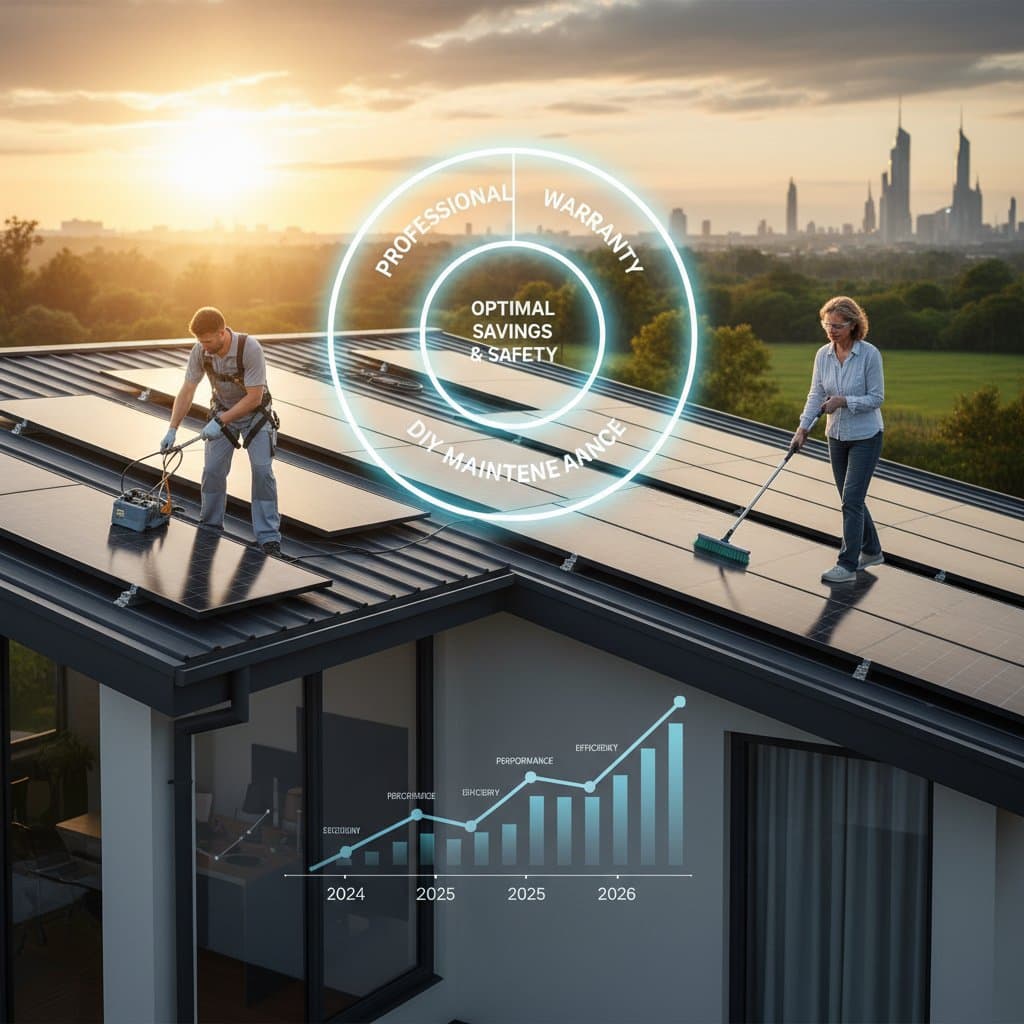
In 2026, balancing solar warranties with DIY maintenance offers homeowners substantial savings and enhanced safety. Reserve professional services for complex repairs while managing routine cleaning and checks independently when feasible. Grasping warranty details, system age, and upkeep expenses empowers you to safeguard efficiency, uphold coverage, and secure enduring reliability in your solar investment.
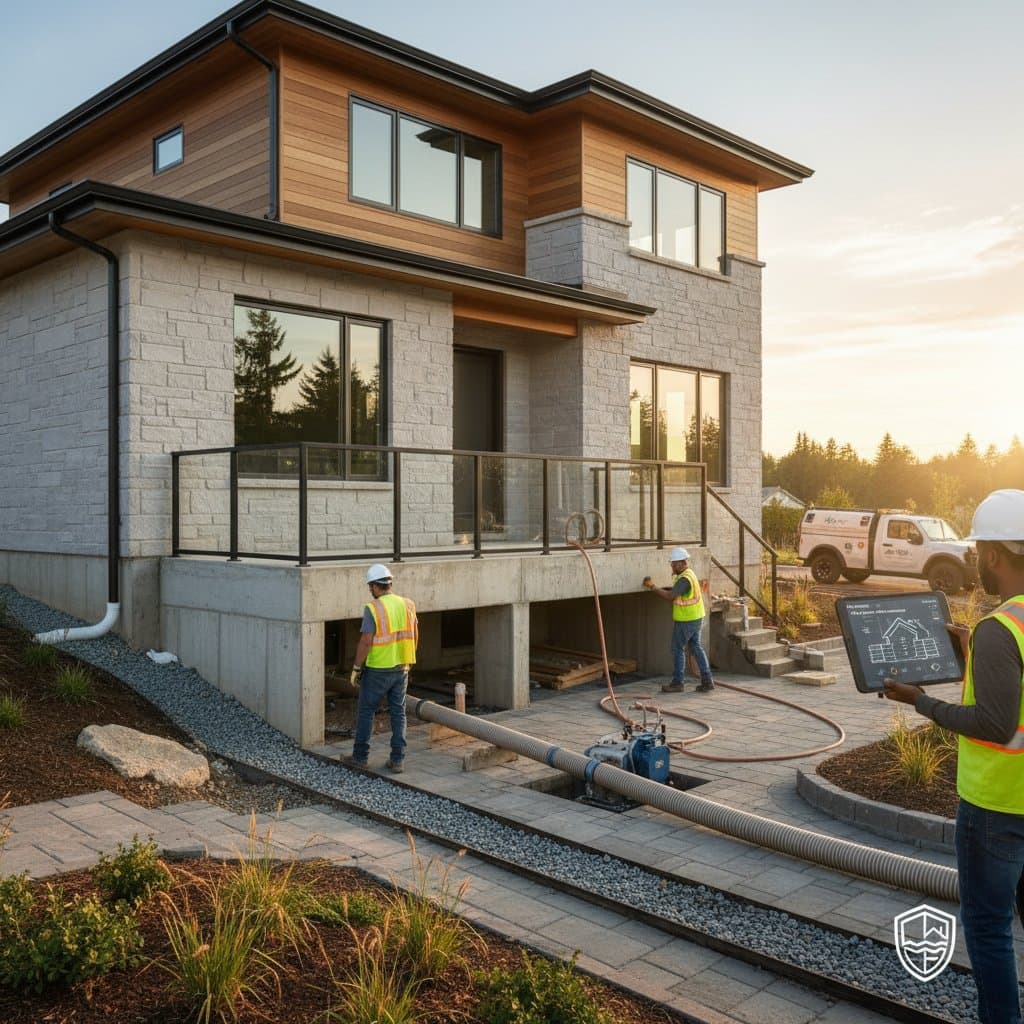
Flood-proofing employs sealing techniques, improved drainage, and elevation adjustments to defend homes against water damage. Expenses span from simple DIY options to extensive professional overhauls, yet prove far more economical than disaster recovery. This guide details risk evaluation, method selection, and upkeep practices that diminish premiums and uphold property worth.
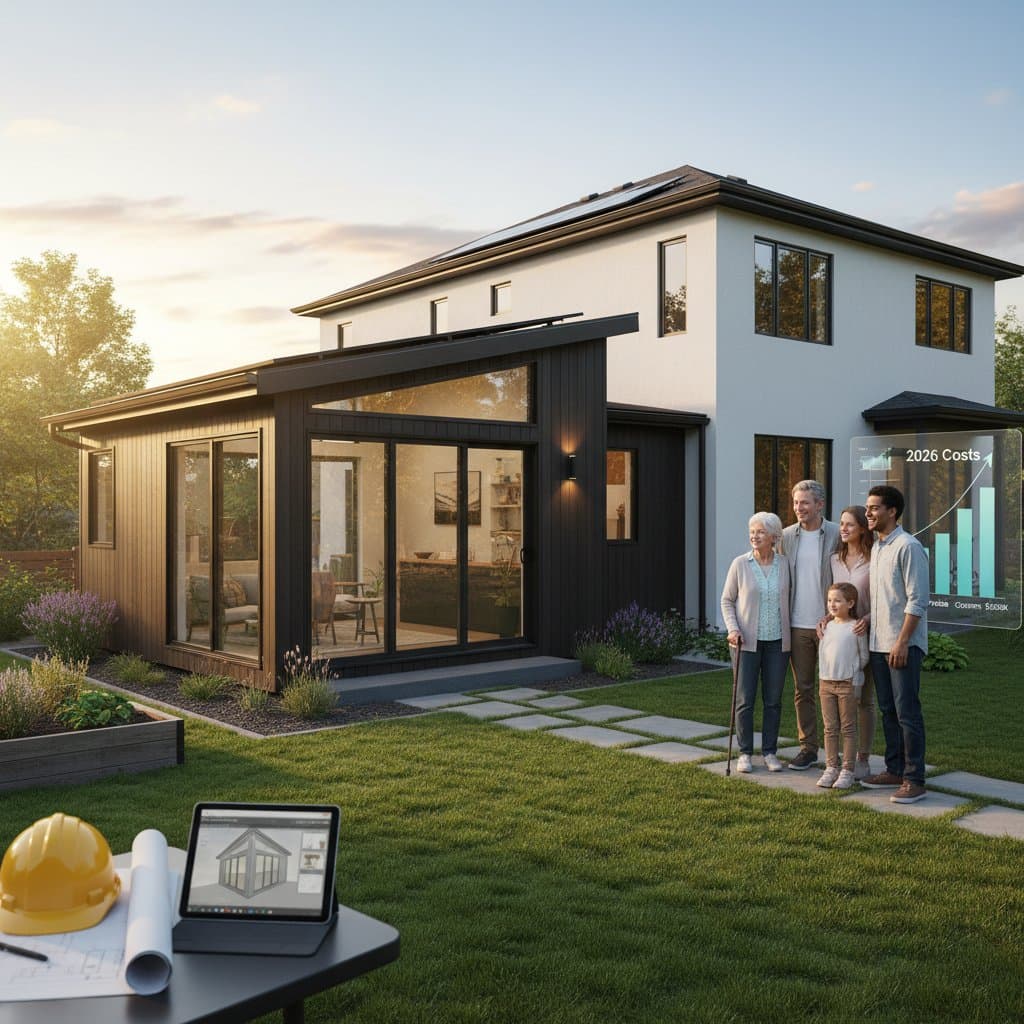
Uncover the true costs of 2026 granny pods, ranging from $80,000 prefab setups to $250,000 custom designs. Gain insights on zoning compliance, utility integration, installation timelines, and accessibility features to build a secure, family-oriented backyard dwelling.
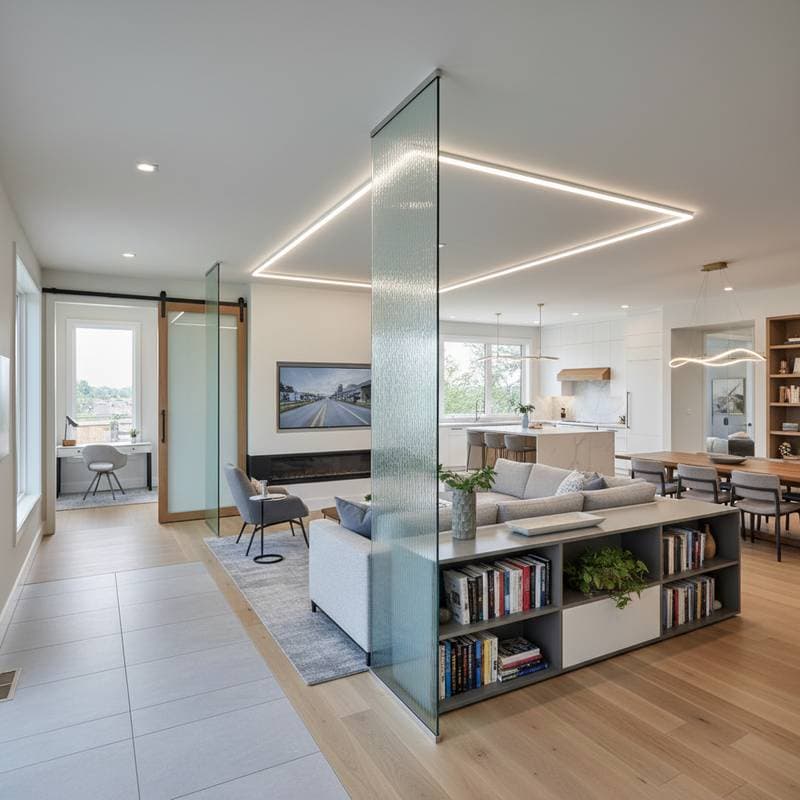
Multigenerational homes integrate communal areas with individual retreats through thoughtful zoning and adaptable designs. Construction expenses vary from $180 to $500 per square foot based on location and features. This guide covers zoning strategies, code compliance, and ways to harmonize comfort, finances, and accessibility for homes that adapt to evolving family dynamics.
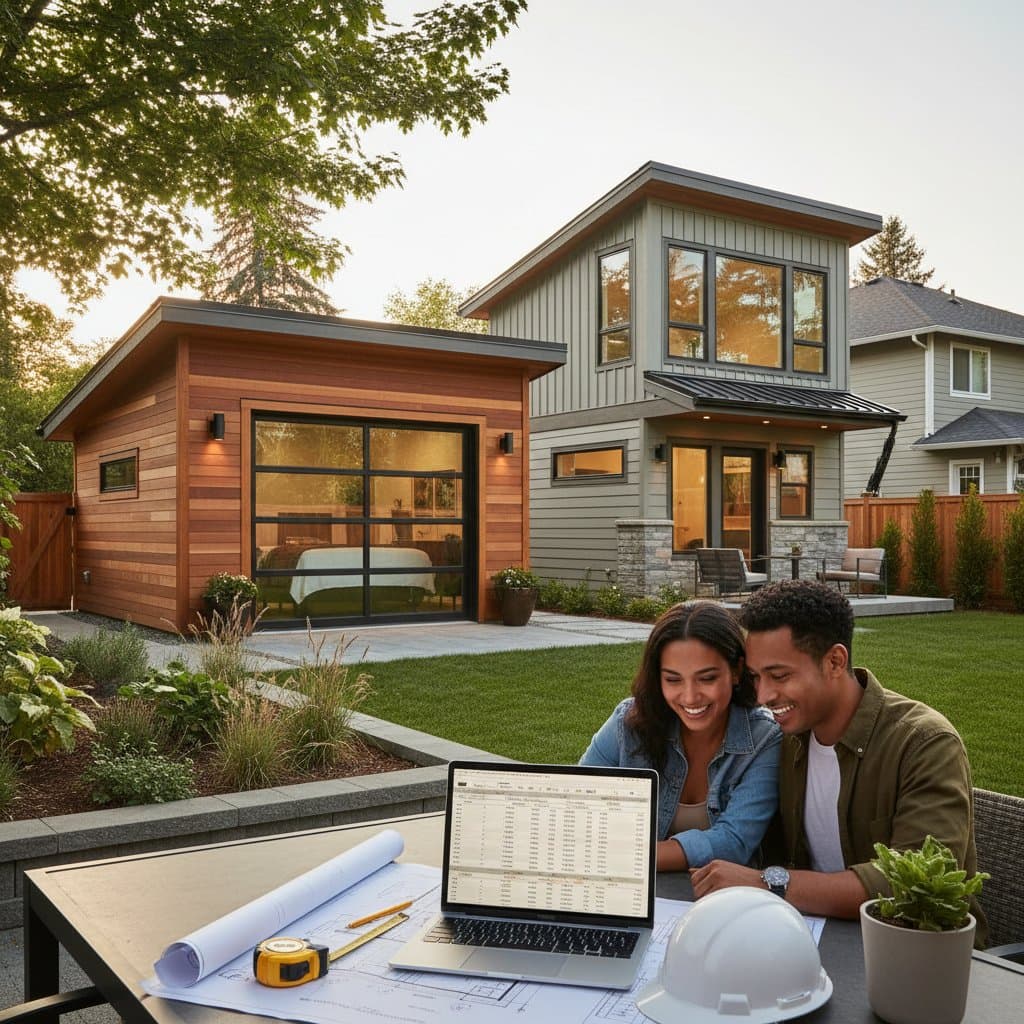
Uncover the true costs of building an ADU in 2026, ranging from $90K for garage conversions to $350K for detached cottages. Understand how design decisions, location, and personal involvement affect budgets, timelines, and investment returns. Gain practical advice on financing, permitting, and enhancing value for a versatile backyard living space.
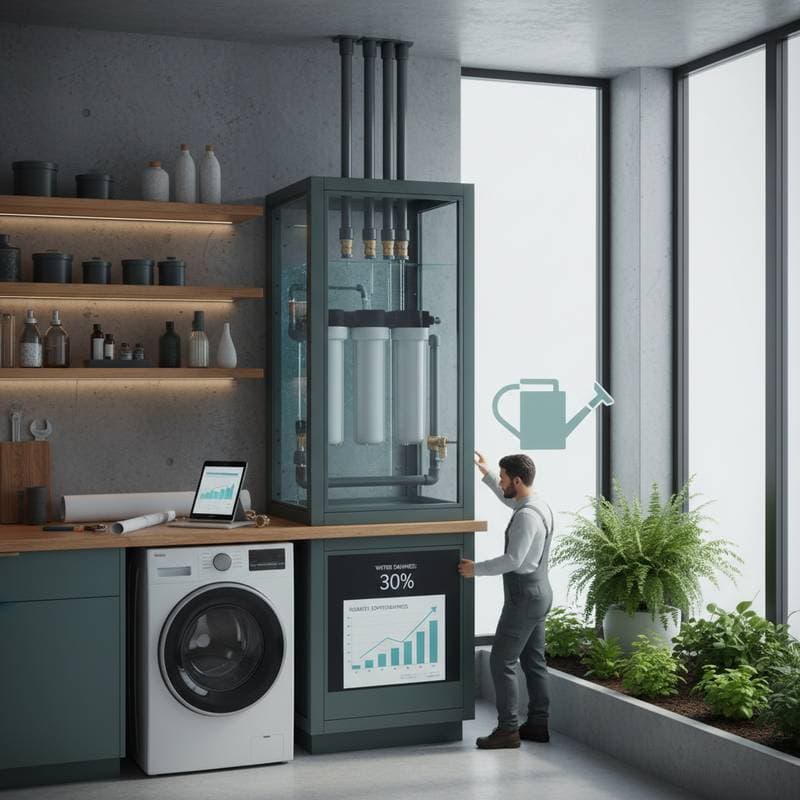
Uncover 2026 pricing for greywater systems, from affordable laundry diversions to comprehensive home setups. Gain insights on rebate access, cost-cutting tactics, DIY guidelines, professional hiring, regional variations, essential maintenance, and strategies to elevate water efficiency, safeguard warranties, and secure enduring financial and environmental benefits.
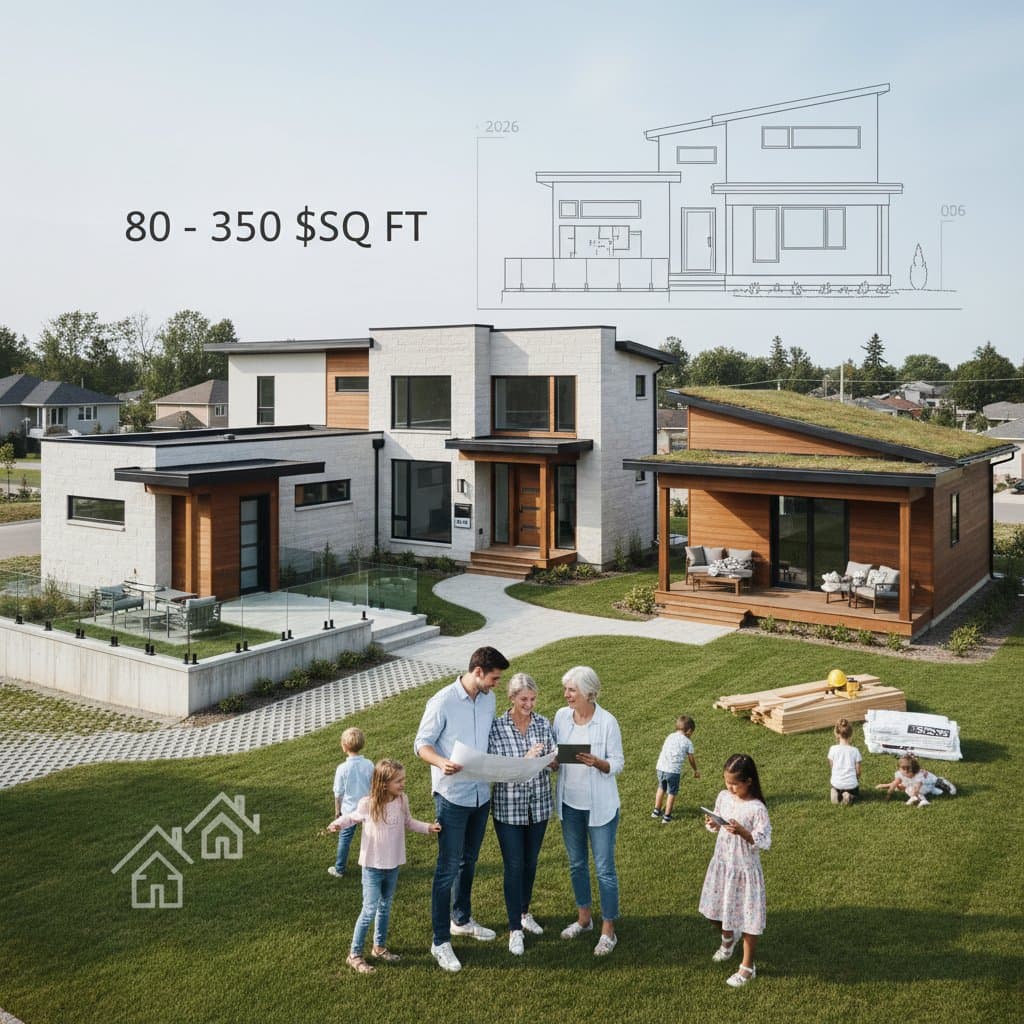
Multi-generational renovations in 2026 range from $80 to $350 per square foot, offering family proximity with independence. Projects like basement suites or detached ADUs increase home value yet require careful zoning, privacy planning, and code adherence. This guide covers cost breakdowns, planning steps, and tips for sustainable, future-ready shared spaces.
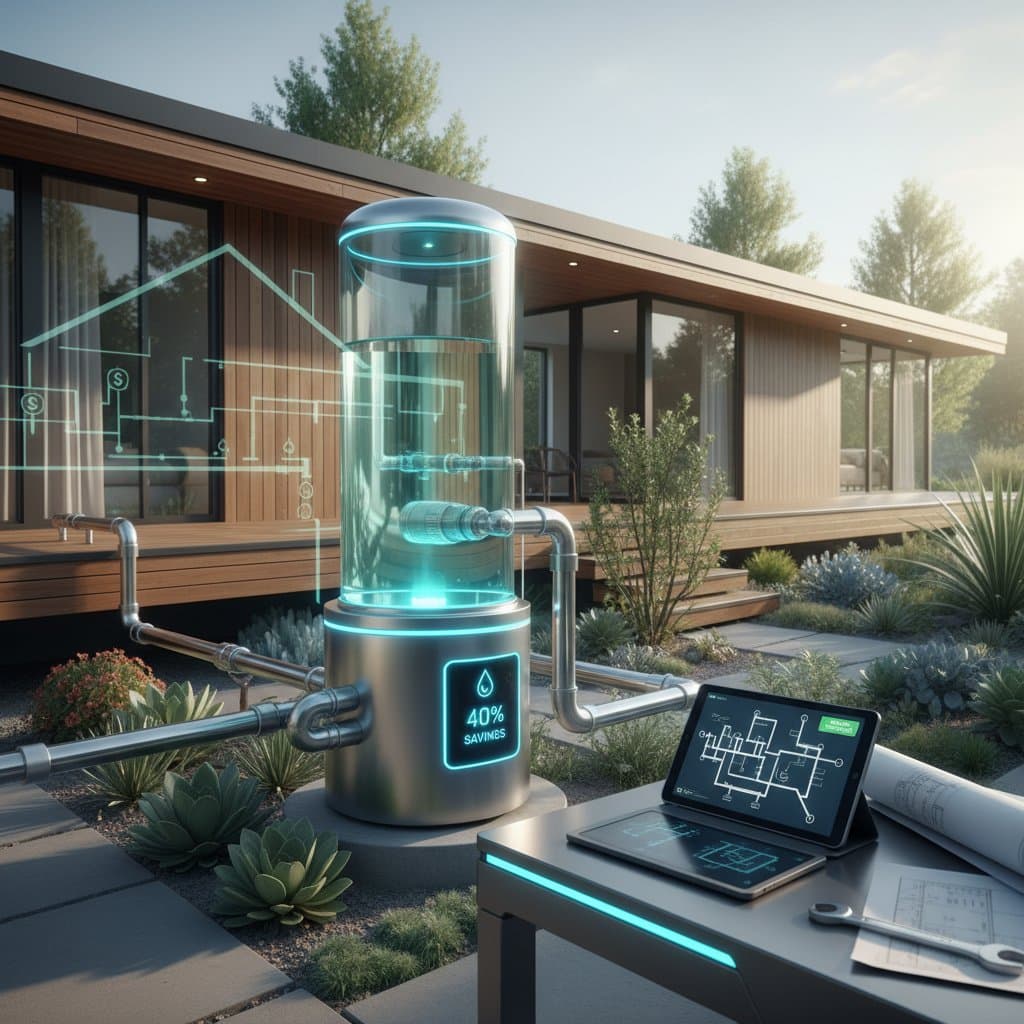
Greywater systems offer homeowners a path to lower water bills and greater sustainability, potentially saving up to 40% on usage. This guide details installation costs, permit processes, maintenance essentials, and strategies for maximizing returns on investment.
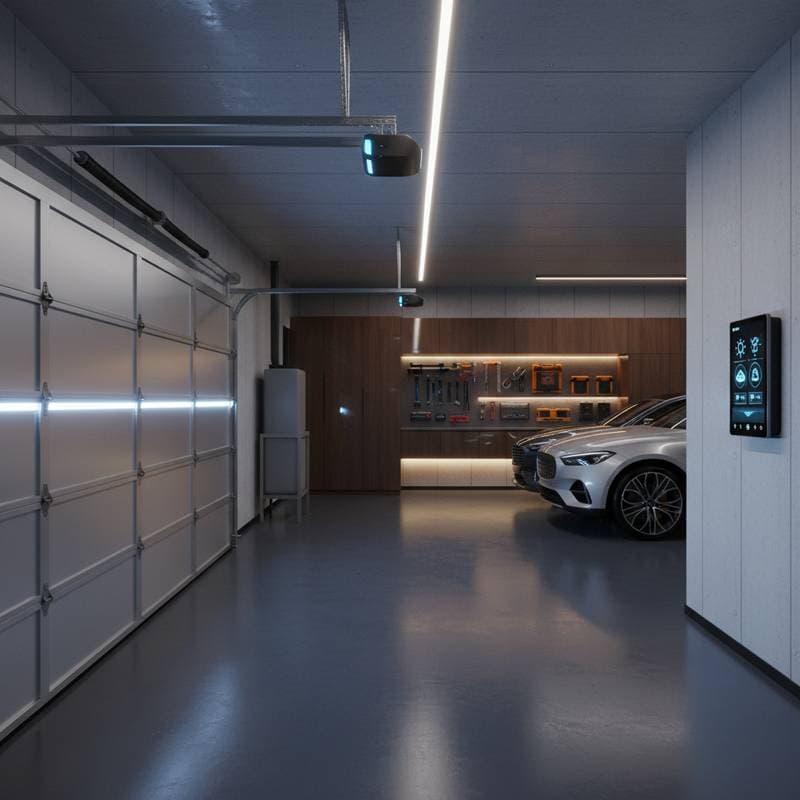
In 2026, climate-proofing your garage involves targeted upgrades for resilience against extreme weather. Costs range from $6,000 to $22,000 based on garage size and local conditions. Essential improvements, such as insulated doors and moisture-resistant flooring, shield vehicles from damage, reduce energy loss, and enhance overall home value.
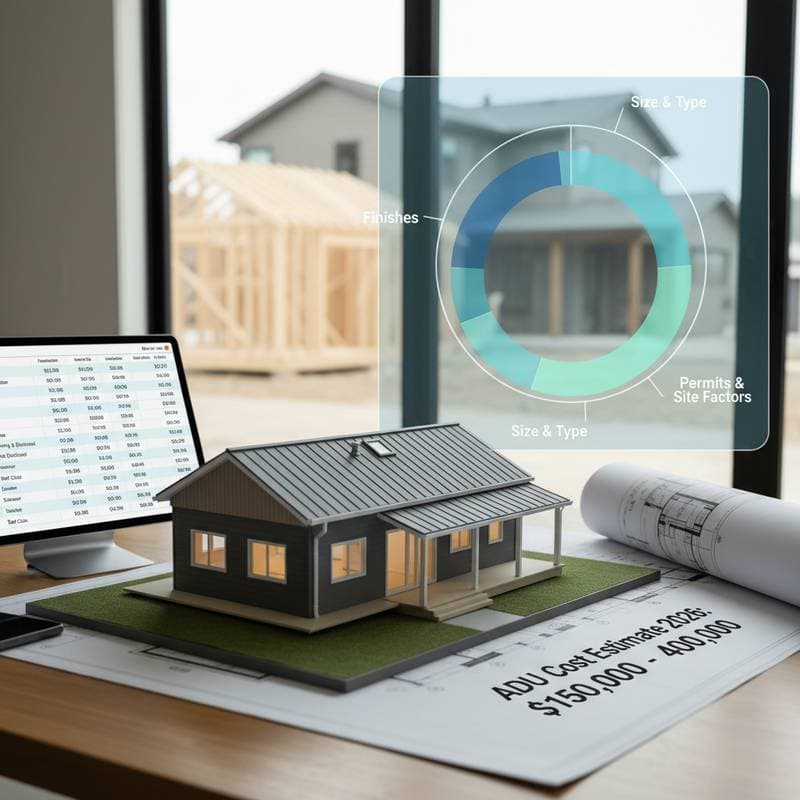
In 2026, constructing an accessory dwelling unit typically ranges from $150,000 to $400,000, influenced by type, size, and location. This guide covers detached units, conversions, and cost drivers such as permits and finishes. Discover strategies to control expenses, timelines, and ways to enhance property value through smart planning.