
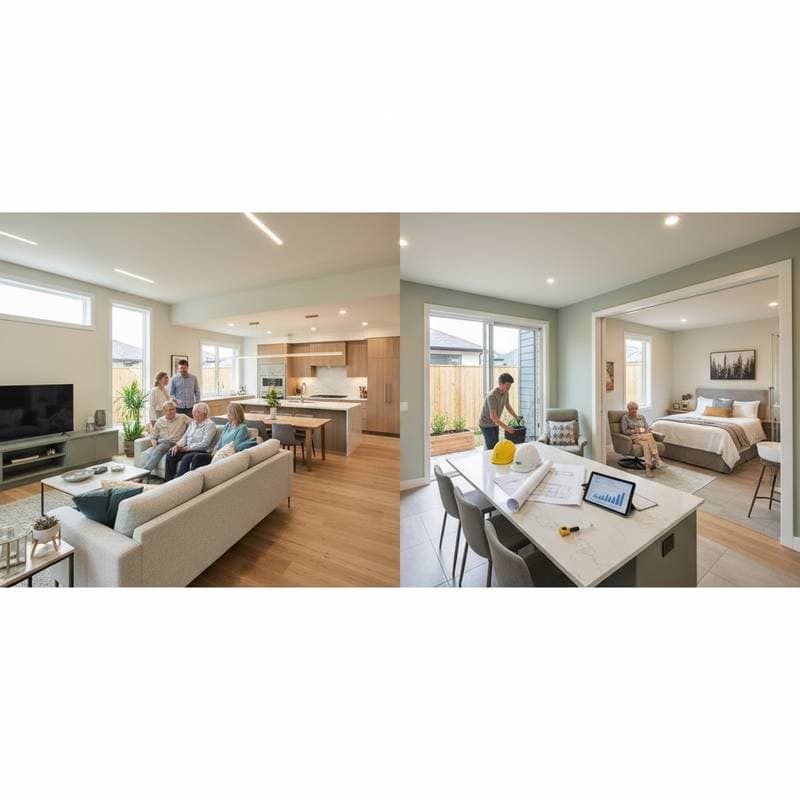
Adapting a home for multigenerational living combines comfort, privacy, and financial wisdom. National renovation expenses span $80,000 to $350,000, where careful planning, regulatory compliance, and expert involvement prove essential. From inclusive designs to efficient utilities, learn how strategic modifications foster enduring family bonds and practical convenience.
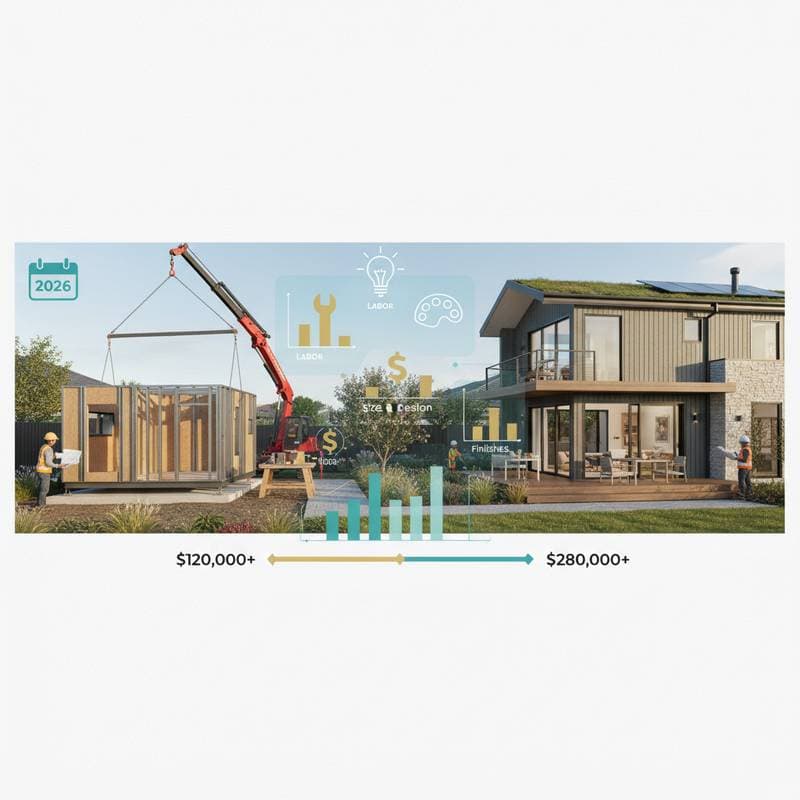
Understand the true expenses of constructing a granny flat in 2026, ranging from $120,000 for basic models to $280,000 for customized versions. Examine how dimensions, materials, infrastructure connections, and interior choices affect total costs, evaluate prefabricated against site-built alternatives, and review strategies for reducing expenses, project durations, and hands-on involvement to execute your vision effectively.
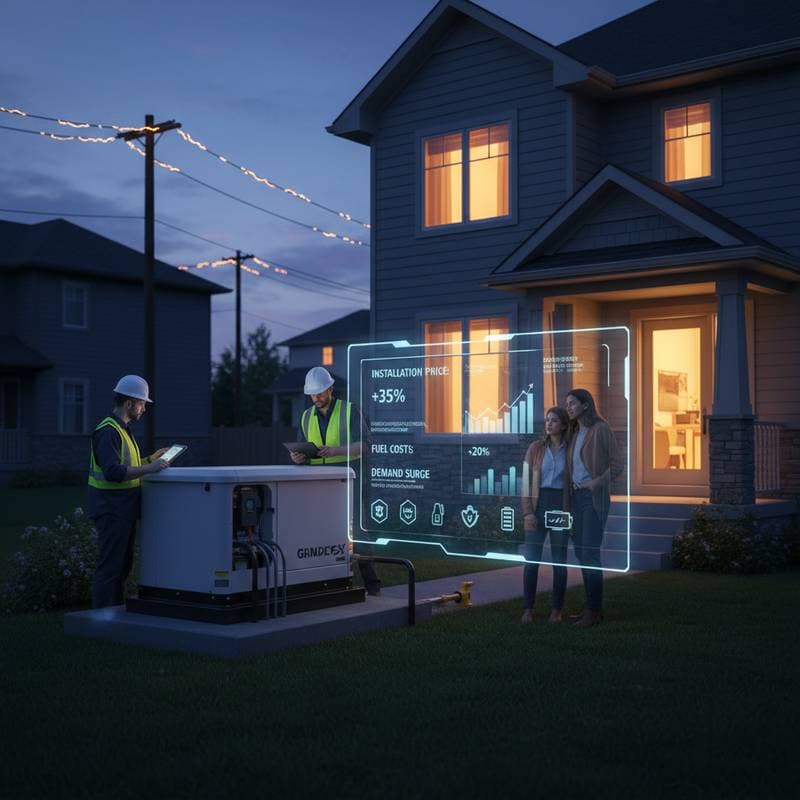
Grid instability escalates in 2026, pushing whole home generator prices higher due to equipment and fuel shortages. Homeowners evaluate reliability versus escalating installation expenses, assessing fuel options, warranties, and upkeep needs. This comprehensive guide covers costs, safety measures, and effective approaches for maintaining continuous power amid outages, from initial preparation to professional setup.
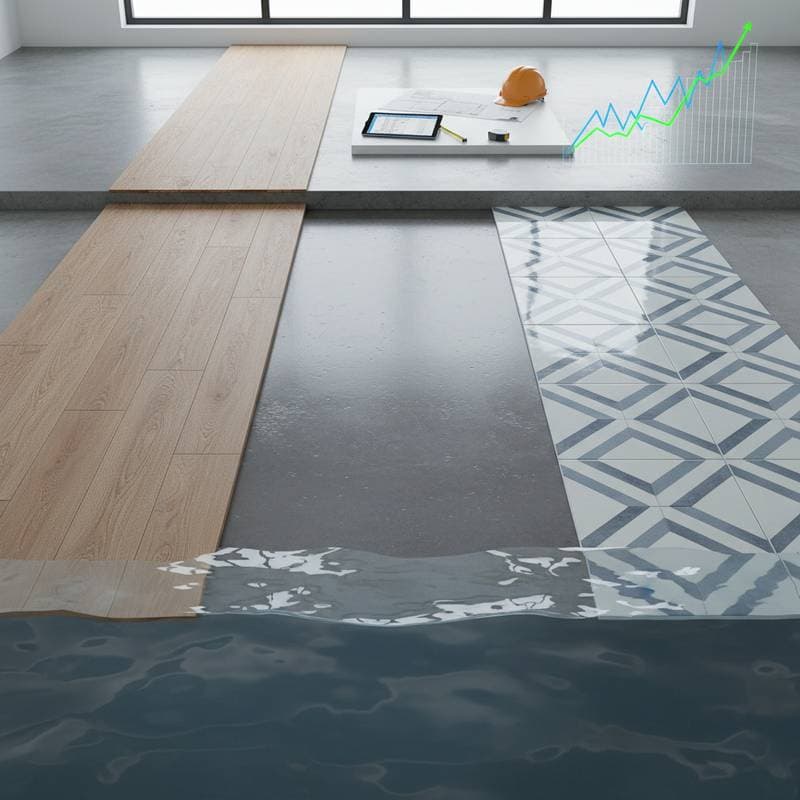
Installing flood-resistant flooring in a 1,000-square-foot home typically costs $7,800, offering durability and enhanced resale value in flood-prone regions. Choices include vinyl planks, sealed concrete, and high-end tiles. This guide details pricing factors, DIY versus professional installation, and strategies to avoid expensive flood damage repairs.
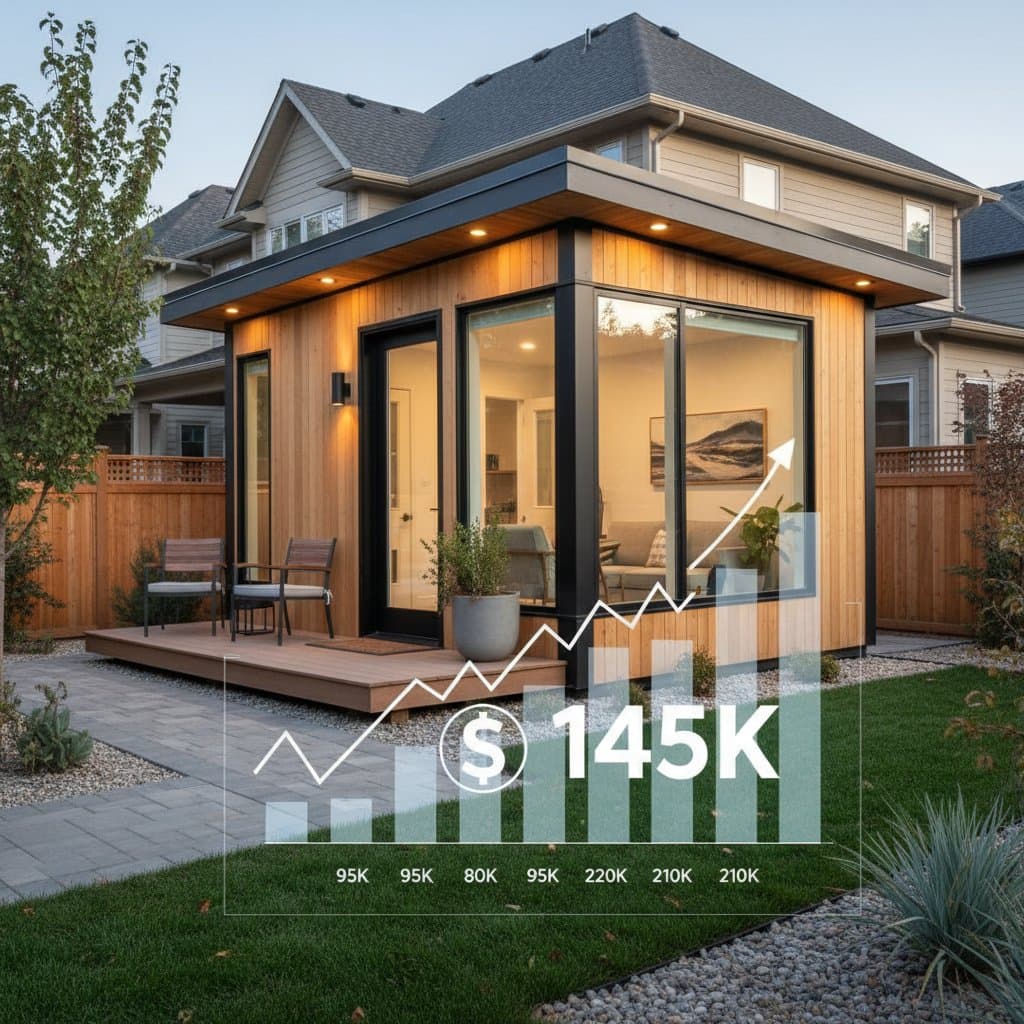
In 2026, constructing a granny pod typically costs $145,000, with ranges from $95,000 to $210,000 based on design and location. These versatile backyard ADUs provide independent living space for family members and can enhance property value. This guide details cost components, savings opportunities, and planning essentials for a successful project.
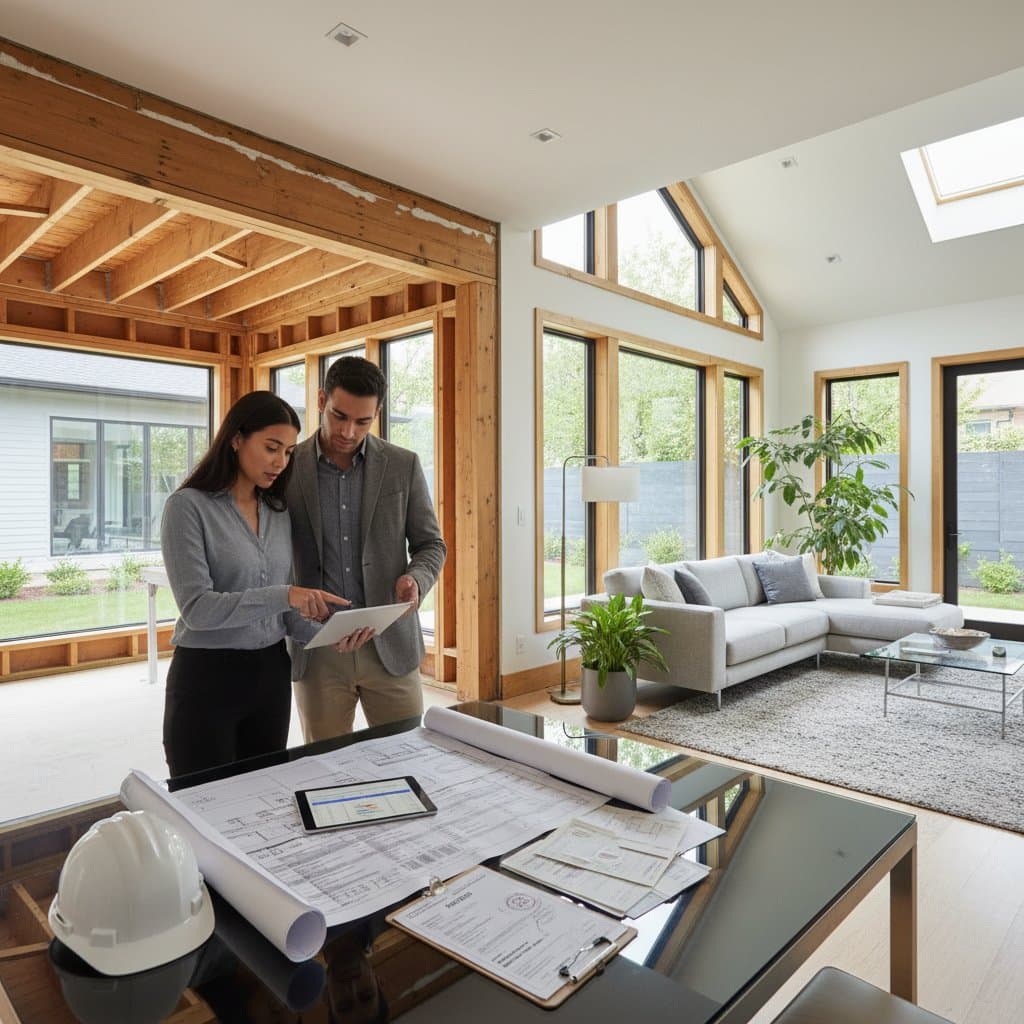
With 2026 nearing, home addition plans must account for escalating permit costs from rigorous reviews and fees. These can reach 10 percent of budgets via inspections and professionals. Master local rules and processes to sidestep delays and financial pitfalls.
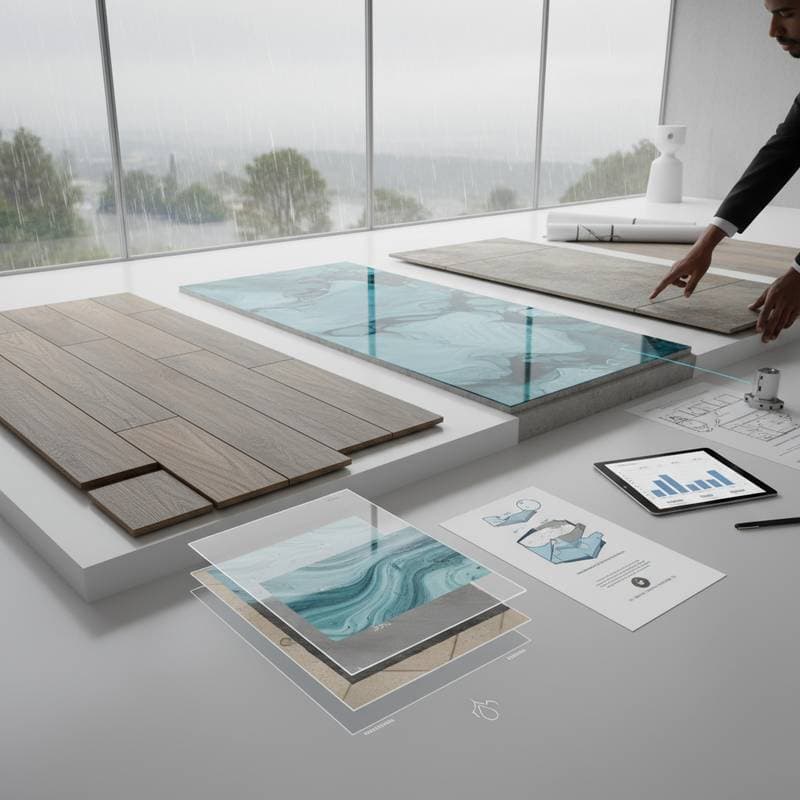
In 2026, flood-proof flooring innovations safeguard homes against water damage while adding lasting value. This guide details material options, pricing breakdowns, and installation strategies, including vinyl planks and epoxy systems, along with DIY advice, expert recommendations, and cost-saving tips for flood-prone properties.
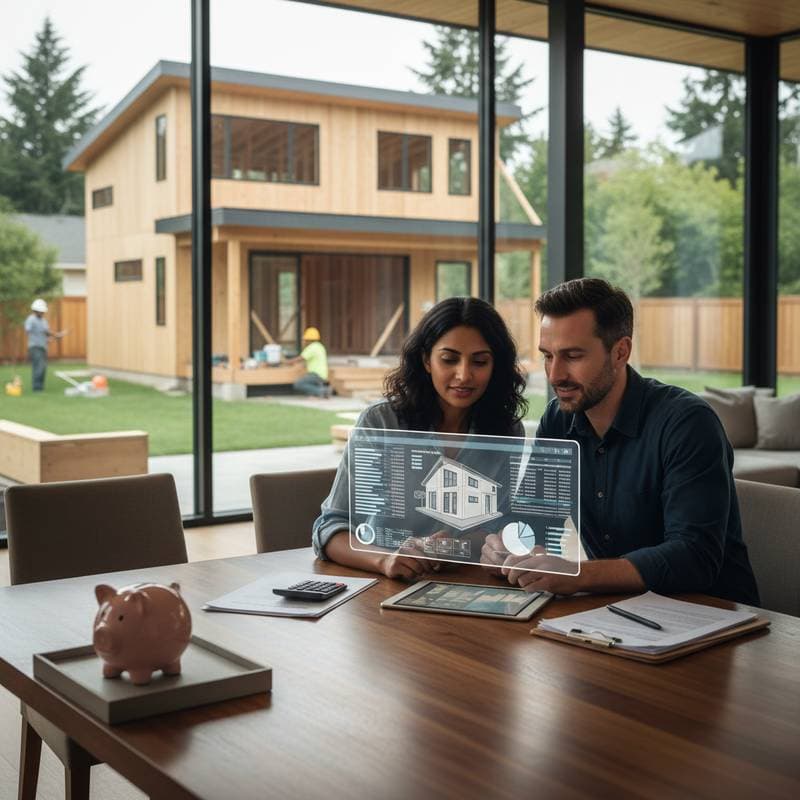
Constructing a granny flat in 2026 extends beyond aesthetics; it calls for precise budgeting, thorough agreements, and proactive risk handling. Permits, utilities, and upkeep all impact returns. This resource details expense breakdowns, service options, and defense tactics to convert ADU builds into reliable, appreciating assets.
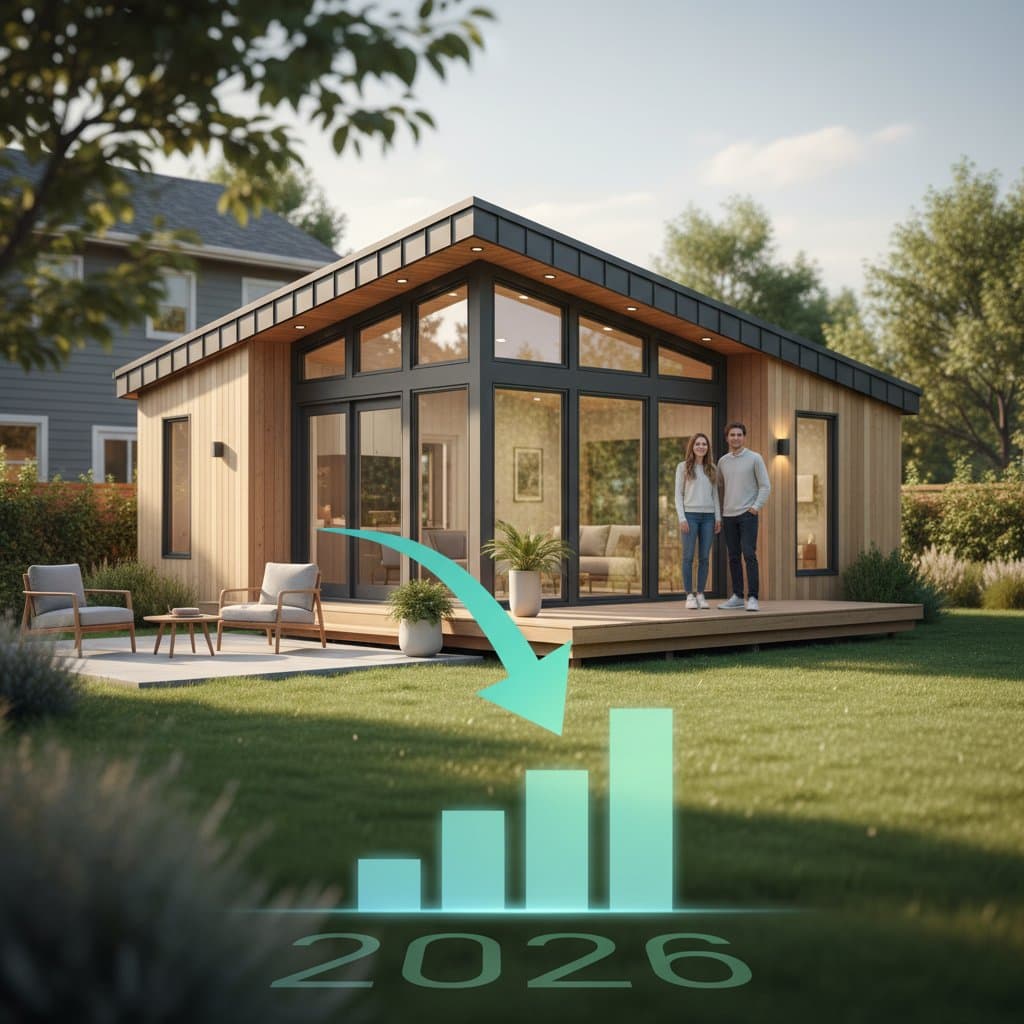
Modular accessory dwelling units face a projected 30% price reduction by 2026, driven by reduced material expenses and streamlined factory production. This development enables homeowners to incorporate rental or family accommodations more quickly and economically. Review planning strategies, budgeting essentials, and preparation tips to capitalize on this emerging housing solution.
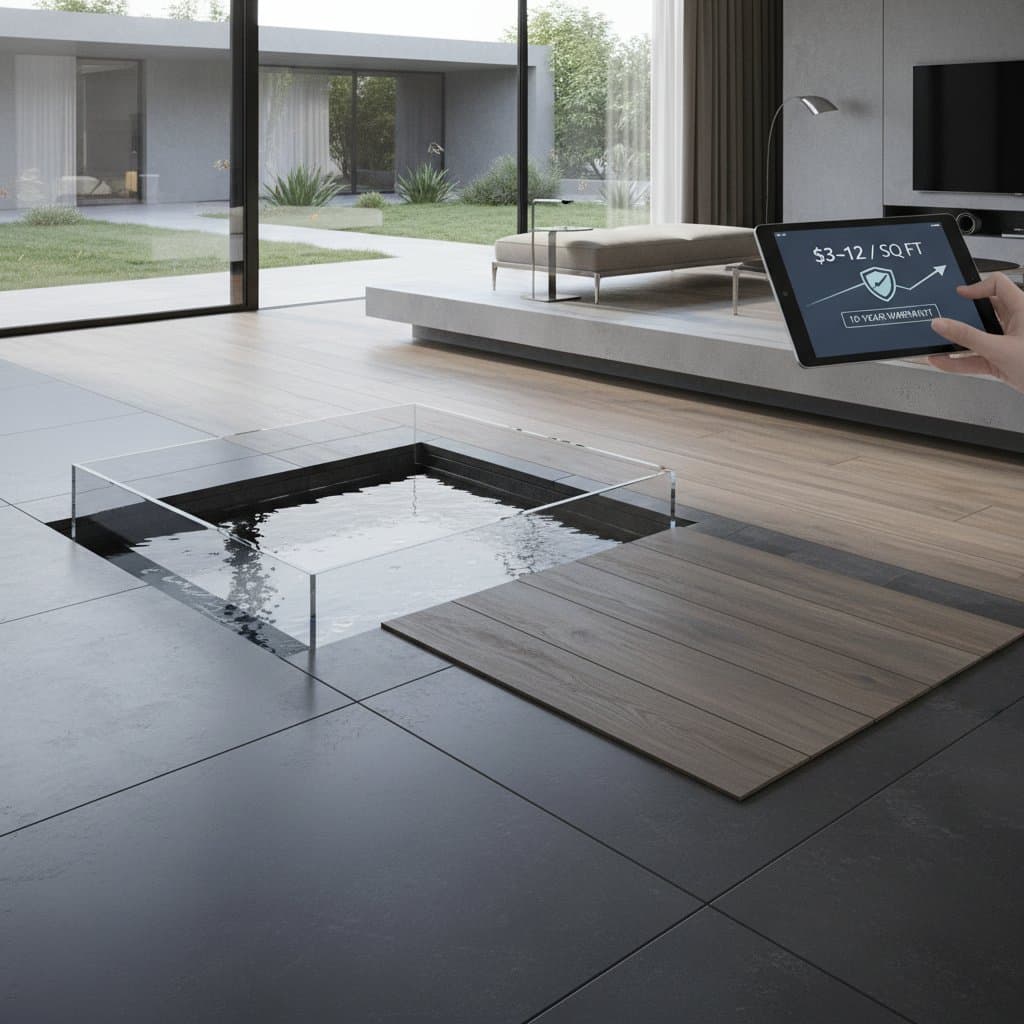
Flood-resistant flooring provides essential protection and durability for homes in areas prone to water intrusion. Prices range from $3 to $12 per square foot, with warranties extending from 10 years to lifetime options. Selecting materials such as vinyl planks, ceramic tiles, polished concrete, or rubber sheets helps prevent swelling, mold growth, and costly repairs while promoting longer-lasting surfaces.

Beyond the upfront price, solar panels bring hidden costs from warranties, services, and replacements that can undermine savings. Learn to dissect contracts, budget wisely, and maintain systems for optimal performance and financial security in the years ahead.
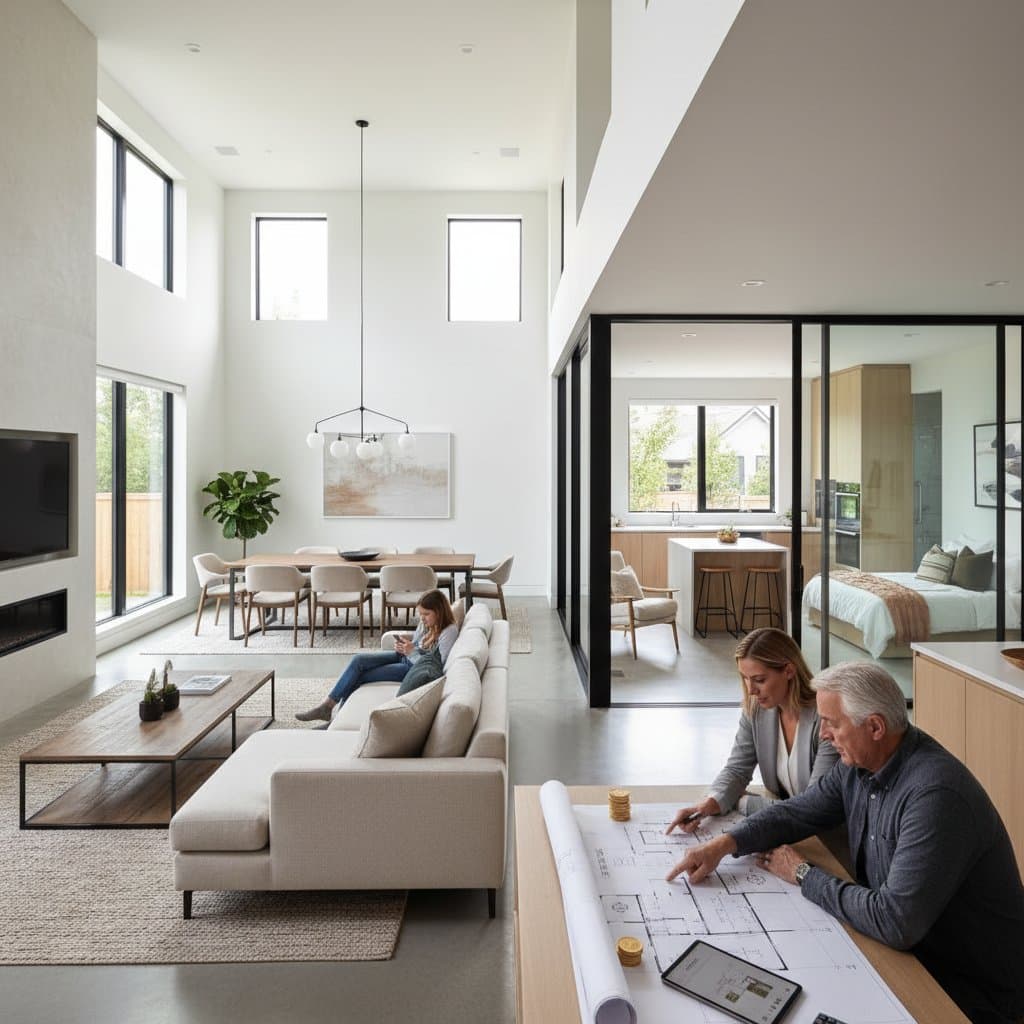
Constructing a multigenerational home in 2026 requires careful consideration of family connections alongside financial realities. Costs range from $80,000 to $350,000, with additional expenses for utility upgrades and permitting processes. Options such as ADUs and basement suites demand thoughtful decisions on design, timelines, and local influences to ensure wise investments that enhance comfort, accessibility, and enduring property value.
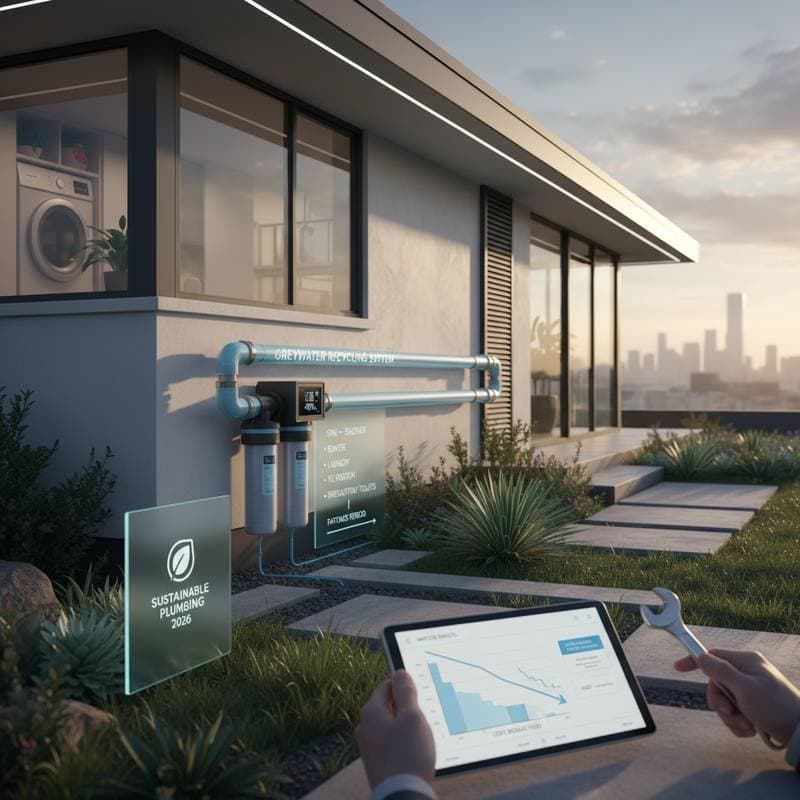
Discover how to install a greywater system that recycles sink, shower, and laundry water for irrigation or toilets. Learn cost ranges from $600 to $12,000, permit requirements, installation steps, and maintenance tips. Understand DIY versus professional options to save water, reduce bills, and stay compliant in 2026.
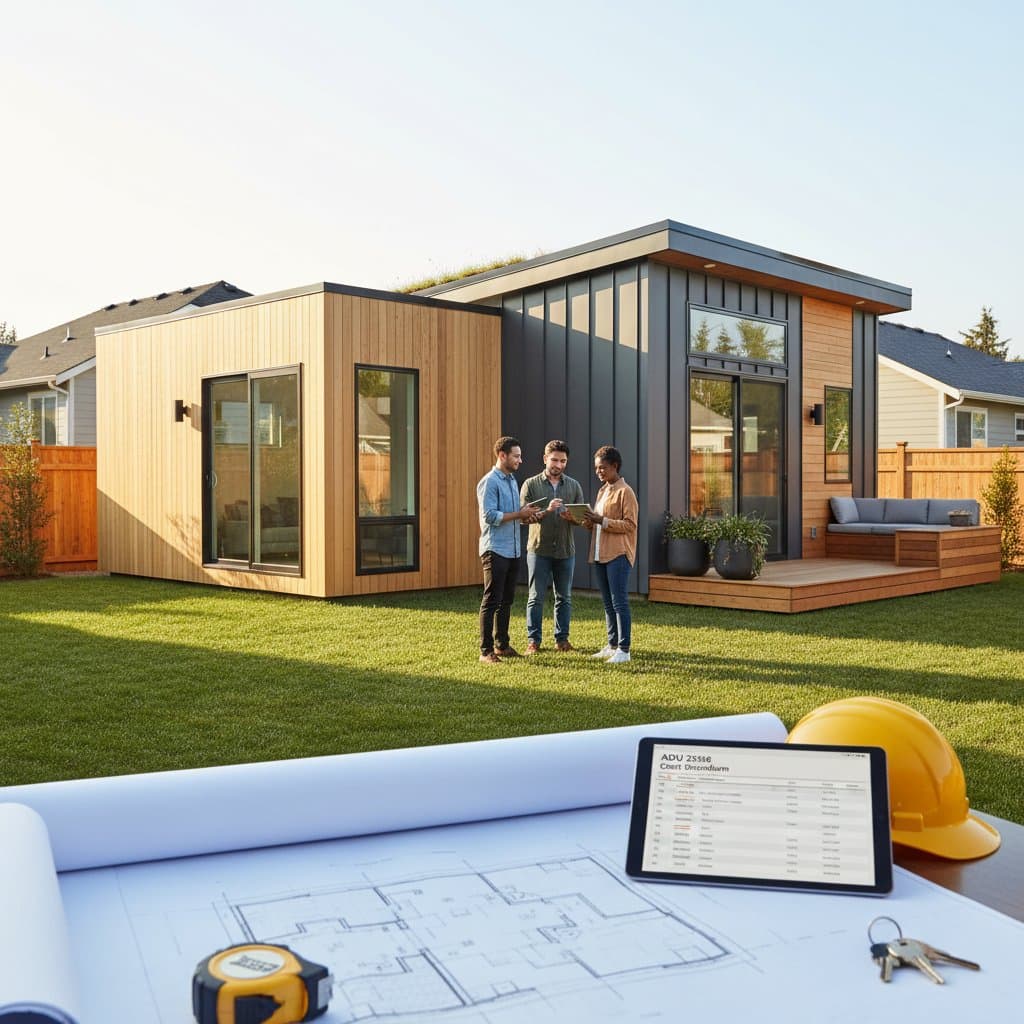
Uncover the real expenses of constructing a granny flat in 2026, ranging from $100,000 for prefab models to $350,000 for custom designs. This guide covers essential budgeting techniques, zoning regulations, and decisions between DIY efforts and professional services. Gain insights into advantages, drawbacks, and practical planning advice to develop a compliant, valuable addition to your property.
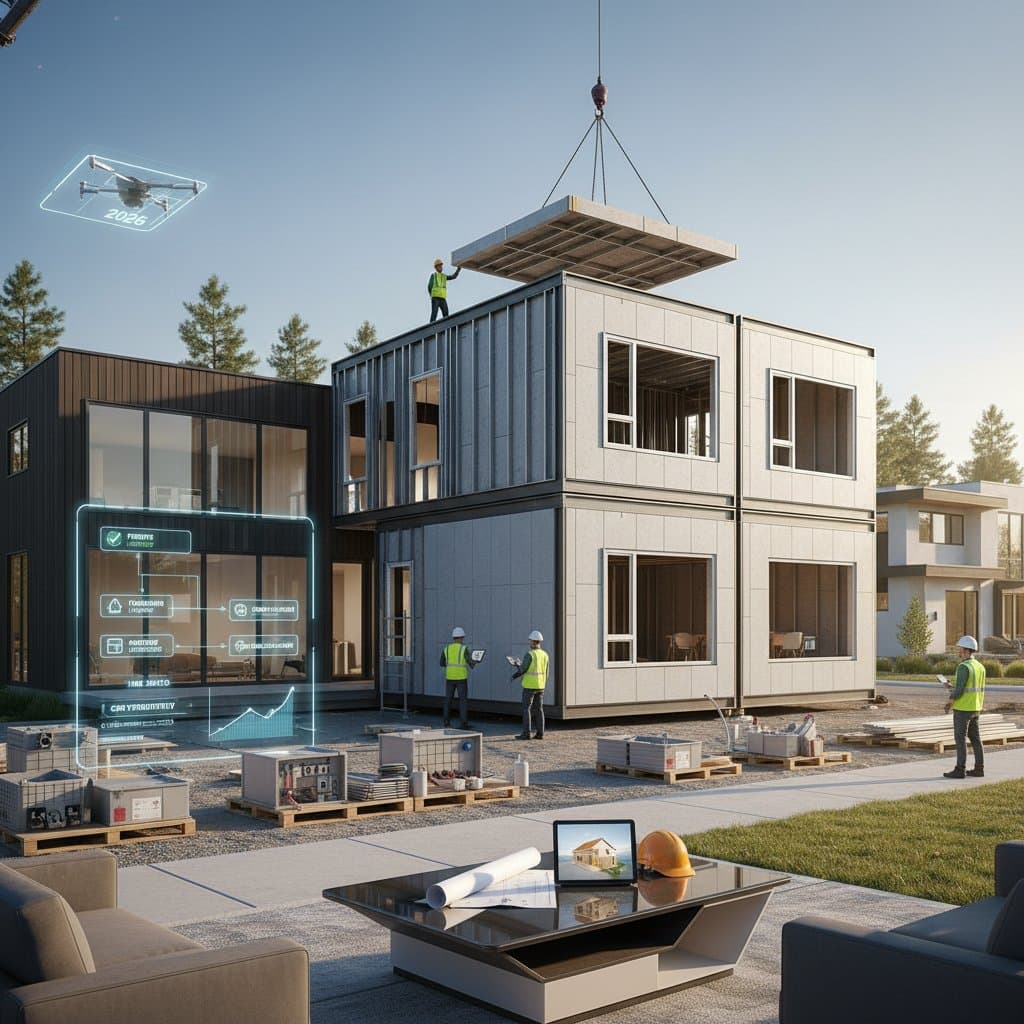
Unlock the advantages of modular additions for swift, efficient home expansions. This 2026 guide details average costs, permit requirements, project timelines, and choices between DIY elements and professional services. Gain insights into cost factors, pitfalls to sidestep, and how modular methods deliver superior speed, quality, and regulatory adherence compared to conventional construction.
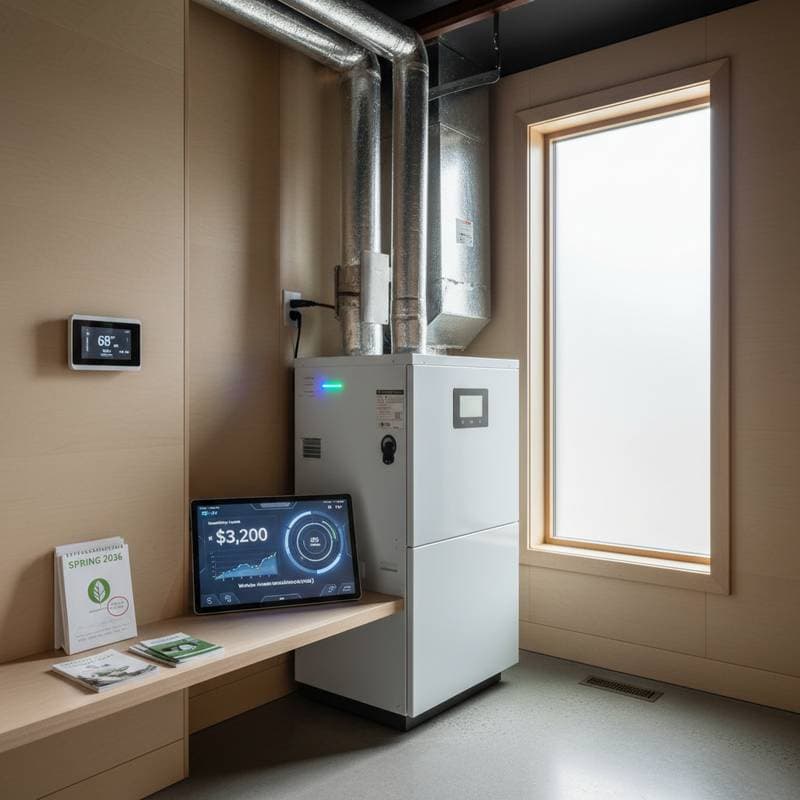
For a 2026 whole-home dehumidifier installation, budget between $2,200 and $4,800. This upgrade improves comfort, prevents mold, and extends HVAC life. Discover cost drivers, savings tips, and essential preparation steps to maintain optimal indoor humidity.
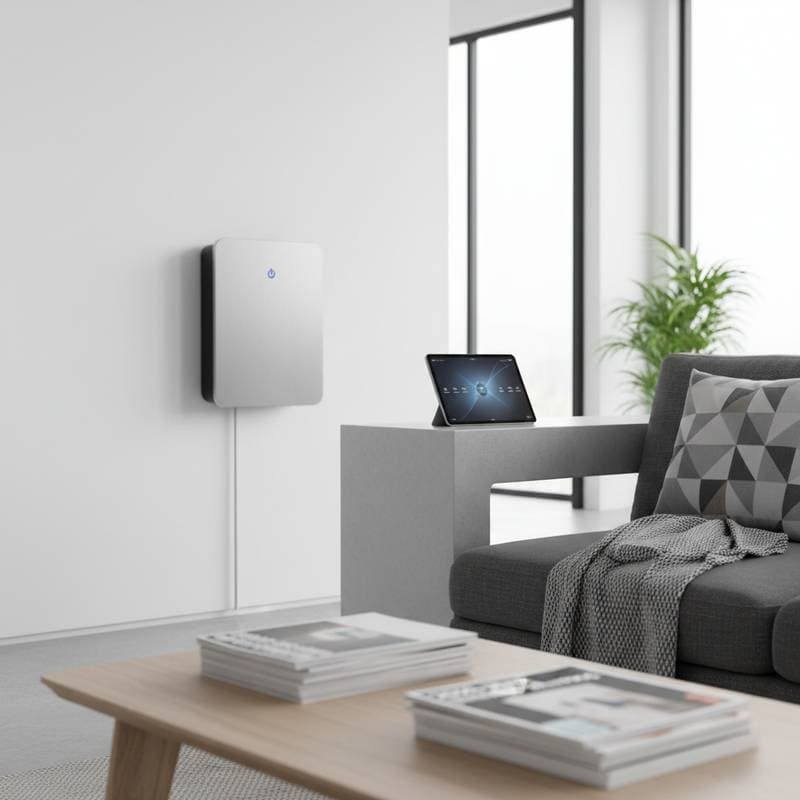
Home battery adoption surges in 2026, driven by rising energy demands and grid challenges. This guide examines warranty essentials, pricing influences, installation processes, and common pitfalls, empowering buyers to select systems that deliver reliability, cost savings, and seamless integration with solar setups.
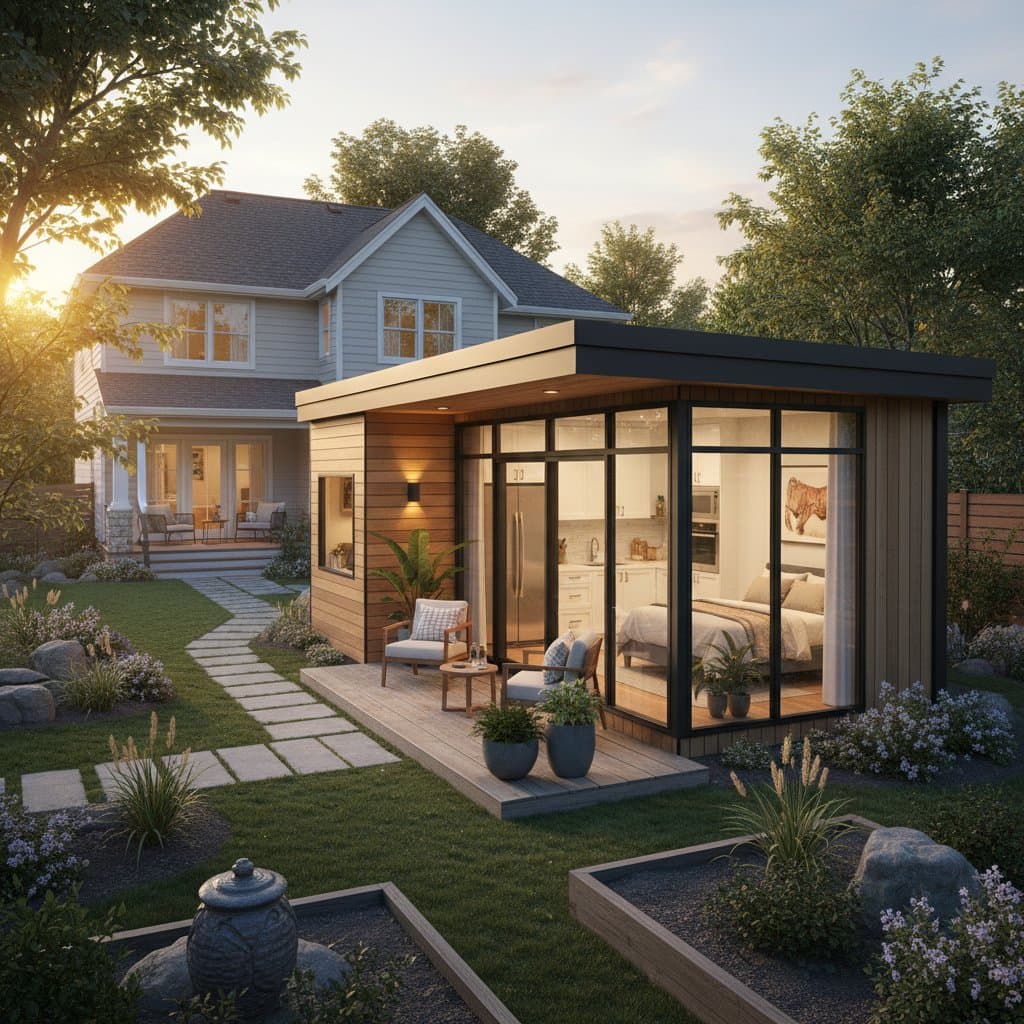
Granny pods deliver autonomy for seniors and closeness for families through compact backyard residences priced at $85,000 to $250,000. Costs fluctuate with unit dimensions, build standards, and zoning requirements. Capable of raising property values by up to 35 percent, these adaptable homes offer a budget-friendly path to senior care, merging accessibility, ease, and investment returns.
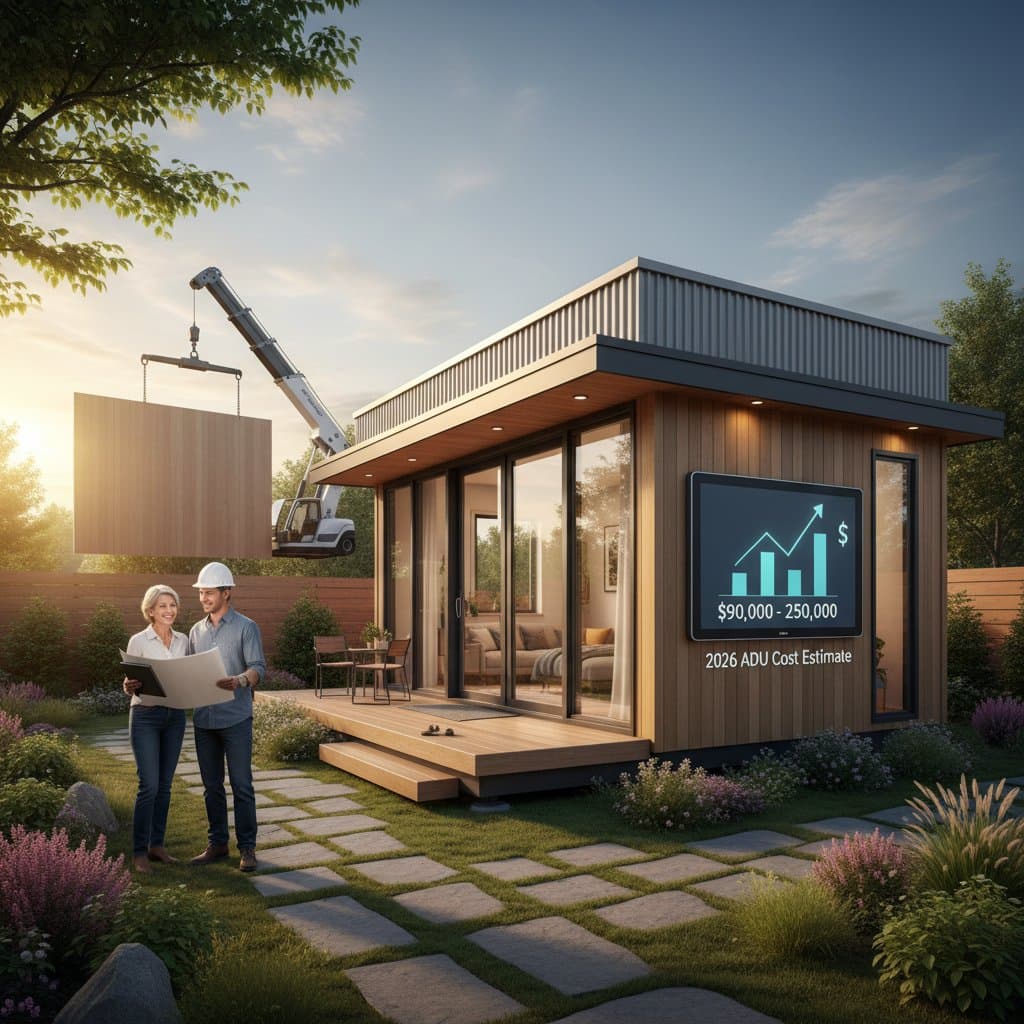
Uncover the true expenses of a 2026 granny pod, a versatile backyard ADU for family support or rental purposes. This guide details how design, location, and features drive costs between $90,000 and $250,000, plus steps for permits, builds, and ongoing care to launch your project confidently.
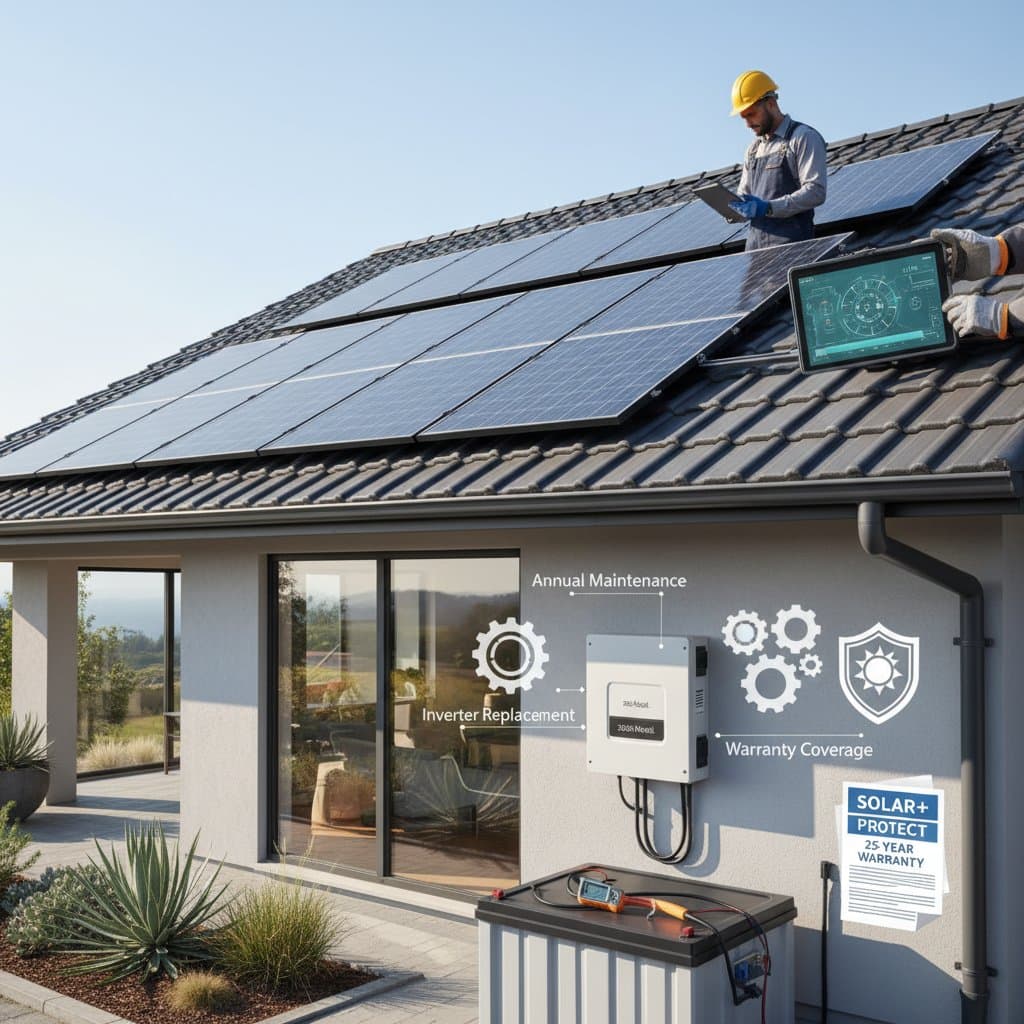
Understand the true expenses of solar system upkeep. This guide details annual maintenance costs, inverter replacement fees, warranty protections, and choices between DIY and professional services. Discover optimal inspection timing, climate impacts on maintenance, and strategies to sustain efficiency while safeguarding your solar investment.