AI Tools Now Covered by Home Warranties
Home warranties increasingly incorporate AI-driven monitoring tools designed to forecast appliance failures in advance. These advanced systems monitor the performance of appliances, HVAC efficiency, and plumbing integrity through continuous data analysis. The objective remains straightforward: to minimize emergency service requests, eliminate unexpected expenses, and prolong the operational lifespan of essential home systems. Homeowners typically seek details on the implications of AI coverage, its operational mechanics, associated expenses, and its value as an enhancement to existing plans.
Understanding AI Home Warranty Coverage and Ideal Applications
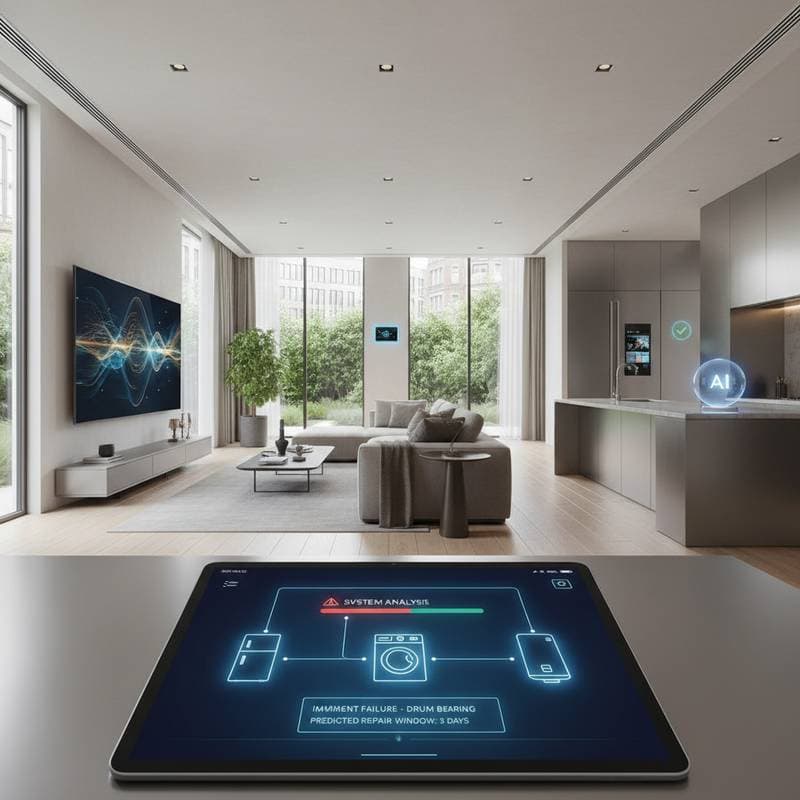
AI home warranty coverage integrates predictive maintenance capabilities with traditional protection for appliances and systems. The underlying AI performs ongoing diagnostics on networked devices, such as water heaters, HVAC units, refrigerators, and sump pumps. It processes data on temperature fluctuations, vibration patterns, and power consumption to identify subtle indicators of deterioration.
This coverage proves most beneficial for residences equipped with smart home devices or modern appliances featuring Wi-Fi connectivity. It suits properties with expensive mechanical infrastructure or owners prioritizing disruption-free living. Conversely, it offers limited advantages for outdated, non-networked equipment lacking data transmission capabilities.
Advantages, Drawbacks, and Optimal Use Cases
Advantages
- Identifies minor anomalies before they escalate into significant malfunctions
- Prolongs equipment durability by detecting issues like imbalances, short-cycling, or blockages at early stages
- Lowers expenses related to urgent repairs and reduces operational interruptions
- Certain plans reduce deductibles following confirmednotifications
Drawbacks
- Necessitates equipment that is connected or compatible with smart technology
- Raises potential privacy issues if data-sharing protocols lack transparency
- Often involves additional fees for the monitoring service
- Occasional false positives may lead to unwarranted service appointments
Optimal Use Cases
- Residences featuring centralized HVAC setups, tankless water heaters, or multi-zone configurations
- Rental properties overseen by landlords requiring remote oversight of multiple locations
- Households of frequent travelers seeking notifications accessible from afar
Cost Analysis and Influencing Factors
Expenses vary based on whether AI functionalities form part of the core warranty or serve as an optional upgrade. Providers may supply necessary sensors as part of the package, or customers might purchase them independently.
| Scope Item | Material Cost Range | Labor Cost Range | Total Range | Notes on Drivers |
|---|---|---|---|---|
| Smart sensors (per unit) | $25 - $90 | $0 - $50 | $25 - $140 | Elevated costs apply to HVAC or leak detection units |
| AI monitoring subscription | $5 - $25 per month | N/A | $60 - $300 per year | Varies by features and device quantity |
| Warranty plan upgrade | $100 - $400 per year | N/A | $100 - $400 | Encompasses app access and analytics dashboard |
Key factors affecting pricing encompass the quantity of monitored components, data retention methods, and compatibility with prevailing smart home ecosystems.
Implementation Process
- Position sensors according to guidelines from the warranty provider, commonly near drainage lines, air handlers, or electrical panels.
- Link the sensors to your home Wi-Fi network and integrate them with the provider's application or central dashboard.
- Activate data transmission permissions, allowing the AI to evaluate performance metrics and highlight irregularities.
- Monitor notifications via the application; upon detecting a prospective issue, the system initiates a service dispatch through the warranty network.
- Arrange for evaluation or remediation via established warranty channels, frequently with expedited handling for AI-initiated reports.
Compliance, Safety, and Coverage Considerations
AI monitoring systems generally bypass the need for permits, provided they avoid tampering with established safety mechanisms. For instance, sensors on gas furnaces must not disrupt flame detection or overheat safeguards. Adhere strictly to installation directives from manufacturers, ensuring sensor wiring remains distant from high-voltage elements.
Improper alterations, such as deactivating safety locks or customizing control circuits, risk nullifying warranty terms. Maintain thorough records of all AI setups and software revisions, as providers may demand evidence of compliant configuration prior to claim validation.
Common Pitfalls to Sidestep
- Neglecting sensor calibration or software updates
- Positioning moisture detectors in locations unable to sense water accumulation
- Dismissing minor notifications as insignificant
- Overburdening a single Wi-Fi frequency with streaming devices alongside sensors
- Overlooking verification of interoperability between current warranties and AI services
Ongoing Upkeep and Durability Expectations
AI sensors typically endure three to five years, influenced by power source and surrounding conditions. Swap batteries yearly and assess network links every three months. Remove accumulated debris from airflow sensors and cleanse liquid detectors to preserve precision. Archive calibration records in preparation for network changes like router replacements.
Adhere to this maintenance schedule:
- Post-installation: Confirm application notifications and validate each sensor's functionality
- Seasonally: Examine HVAC-associated sensors ahead of heating or cooling periods
- Annually: Renew batteries and refresh monitoring software
- At end of service life: Recalibrate or substitute sensors failing connection diagnostics
Professional Installation versus Self-Setup Guidelines
Evaluate suitability for self-installation using these criteria:
- Required expertise: Elementary network configuration and app management
- Safety implications: Minimal, involving primarily plug-and-play, low-voltage tasks
- Necessary tools: Mobile device, drill, and basic screwdriver set
Self-setup works well for standard applications. Engage professionals for integrations involving 240-volt systems, in-wall cabling, or HVAC controller modifications, as errors could cause electrical faults, invalidate coverage, or harm electronics.
Provider Comparison Overview
| Line Item | Spec or Scope | Provider A | Provider B | Provider C | Variance Notes |
|---|---|---|---|---|---|
| Sensor placement and setup | 10-12 sensors | $250 | $320 | $280 | Accounts for calibration effort |
| App integration and testing | 1-2 hours | $100 | $150 | $125 | Influenced by network reliability |
| Warranty registration | One-time | Included | Included | Included | Confirm prior to initial claims |
Practical Actions to Take Forward
Assess your existing warranty for built-in AI support, often embedded in higher-tier options. Weigh the incremental subscription fees against the savings from a single prevented repair. Solicit estimates from a minimum of two providers, matching coverage scopes and deductibles.
For appliances with inherent smart capabilities, consolidate them under a single oversight application and relay insights to the warranty overseer. Sustain active notifications, routinely verify sensor performance, and log all interventions digitally. This approach builds a robust record that bolsters subsequent coverage requests.
Predictive home warranties shift the paradigm from crisis response to proactive oversight. Maximum benefits arise from heeding alerts, sustaining sensor reliability, and addressing concerns promptly, thereby safeguarding infrastructure and finances alike.