Solar Maintenance in 2026: Balancing Warranty Benefits Against Hidden Expenses
Solar panels receive promotion as nearly maintenance-free installations that operate independently. In practice, these systems require regular cleaning, inspections, and occasional repairs to perform optimally. While warranties address certain aspects of upkeep, they frequently fall short of homeowner expectations. Gaining clarity on warranty inclusions and exclusions enables better budgeting for maintenance and prevents unexpected financial burdens.
Homeowners benefit from understanding that warranties typically focus on manufacturing defects and performance guarantees rather than everyday care. For instance, a standard 25-year panel warranty might guarantee 80 percent output after two decades, but it does not extend to dust accumulation or minor wear. Planning ahead involves estimating annual costs based on system size, location, and environmental factors to align expectations with reality.
Essential Considerations for Solar Warranties and Maintenance
Several elements influence the scope and effectiveness of solar warranties. Homeowners should evaluate these factors during installation to select options that align with long-term needs.
- Warranty Categories: Options include equipment warranties for panel defects, performance warranties for energy output, workmanship warranties for installation quality, and comprehensive system packages that combine elements.
- Panel Quality and Manufacturer Standing: Higher-end panels from established brands provide extended durations, often 25 years or more, with broader protections against degradation.
- Regional Environmental Conditions: Areas with high dust, salt exposure from coasts, or heavy snowfall demand more frequent interventions to prevent efficiency losses.
- Installer Credibility: The backing company's stability ensures enforceability; select firms with proven track records and clear transfer policies.
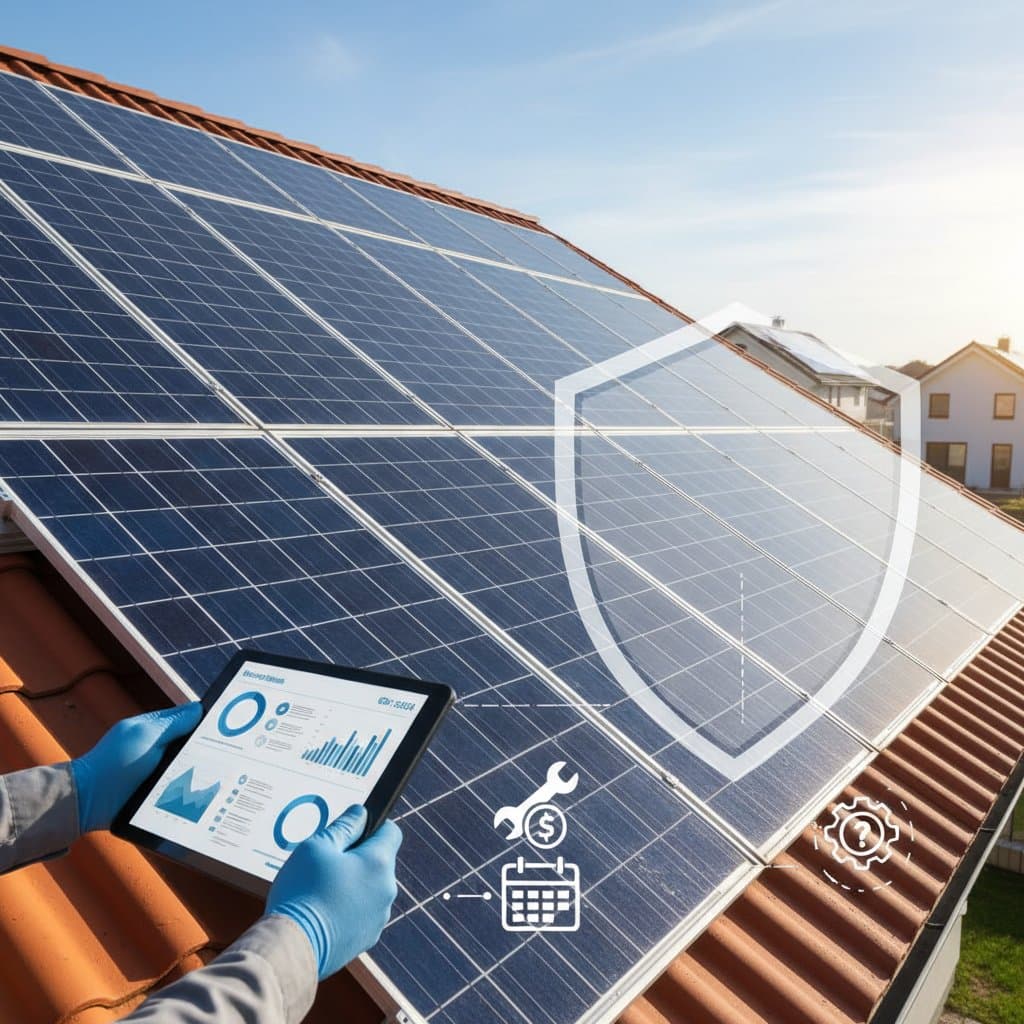
- Performance Monitoring Systems: Integrated apps or devices allow ongoing assessment, verifying compliance with warranty terms through data logs.
- Service Contract Availability: Many providers offer annual or multi-year plans that bundle inspections and cleanings, potentially reducing per-visit expenses over time.
These decisions shape not only initial costs but also ongoing responsibilities. For example, opting for a robust workmanship warranty from a reliable installer can mitigate risks if issues arise post-installation.
Breaking Down Maintenance Costs and Influencing Variables
Maintenance expenses vary widely based on system specifics and location. Budgeting requires accounting for both routine and situational outlays to maintain system health without overextending finances.
Standard Maintenance Expenses:
- Panel cleaning sessions range from $100 to $300, depending on roof accessibility and system scale.
- Yearly professional inspections cost $150 to $250, covering visual checks, electrical tests, and connection verifications.
- Inverter evaluations or swaps span $800 to $2,500, influenced by model complexity and labor requirements.
Elements That Escalate Expenses:
- Properties with multiple stories or sloped roofs complicate access, adding $50 to $150 per service.
- Regions with hard water deposits, dense pollen, or industrial pollutants necessitate more frequent cleanings.
- Elevated or inaccessible installations, such as on flat roofs without ladders, increase logistical challenges.
- Lapsed warranties or restrictive terms shift full repair burdens to owners.
- Obsolete panel types may require custom parts, inflating costs by 20 to 50 percent.
Strategies to Minimize Outlays:
- Ground-level arrays simplify cleaning and reduce fall risks, cutting labor fees.
- Panels with hydrophobic coatings or optimal tilt angles shed dirt naturally, extending intervals between services.
- Proactive monitoring detects anomalies early, averting expensive breakdowns through timely interventions.
Regardless of warranty strength, schedule at least one expert inspection annually. This practice upholds warranty validity and addresses subtle problems, such as corroded mounts or micro-cracks, before they escalate to costly overhauls.
Weighing DIY Options Against Professional Services
Homeowners can handle select tasks independently to control costs, provided they adhere to safety protocols and manufacturer guidelines. Distinguishing between simple and complex activities ensures effective care without compromising system integrity.
Tasks Suitable for DIY Efforts:
- Gently rinsing panels using a soft-bristle brush and garden hose on mild days.
- Inspecting for obstructions like overgrown branches or nearby constructions that cast shadows.
- Reviewing production metrics via the inverter's mobile application to spot trends.
Situations Requiring Professional Expertise:
- Any work involving heights above a single story or unstable surfaces.
- Diagnostic testing of electrical components or inverter diagnostics.
- Repairs to roof seals, flashing, or mounting hardware around penetrations.
Required Expertise Levels: Basic knowledge suffices for surface cleaning and app-based oversight. Electrical modifications or inverter handling demand certified professionals, often licensed electricians, to comply with codes and avoid hazards.
Prioritize safety by de-energizing the system prior to any contact, securing ladders firmly, and selecting non-abrasive, pH-neutral cleaners. These measures preserve warranty protections while minimizing injury risks.
Optimizing Care Routines for Extended System Longevity
With diligent maintenance, solar panels endure 25 to 30 years, often outlasting inverters that typically last 10 to 15 years. Consistent attention to environmental threats preserves output levels and defers major investments.
Common efficiency reducers include accumulated dust, avian residues, and transient shading. Establish monthly reviews of generation data through monitoring tools; abrupt declines frequently indicate surface soiling, vegetative overgrowth, or component fatigue.
Under warranty, meticulous documentation proves adherence to care requirements. Retain records of all professional visits, including invoices and photos, in an organized digital archive. This evidence supports claim approvals, as providers may reject requests lacking maintenance history.
Common Questions on Solar Warranties and Upkeep
How can one determine warranty claim eligibility? Examine if the problem stems from inherent flaws versus external forces. Policies generally omit coverage for weather-related harm, accidental impacts, or performance dips from shading.
Is warranty transfer possible upon home sale? Affirmative; leading manufacturers permit transfers, though submission of documentation occurs within 30 to 90 days post-closing.
What occurs if the installing company ceases operations? Equipment and performance warranties persist via manufacturer support, assuming proper registration. Workmanship elements may require engagement of alternative certified technicians.
Will self-performed panel cleaning invalidate the warranty? Negative, provided methods align with guidelines—employ soft tools and mild solutions to prevent surface damage.
Securing Long-Term Solar Performance
Warranties serve as vital safeguards against substantial defects, yet their exclusions for routine tasks demand proactive planning. Homeowners achieve optimal results by integrating warranty reliance for critical issues with dedicated budgets for preventive care.
Regular cleanings and inspections, paired with precise recordkeeping, sustain peak production and warranty enforceability. This disciplined strategy ensures the solar system's returns compound reliably, delivering sustained energy savings well into the future.